 MOHAMMAD ABUBAKR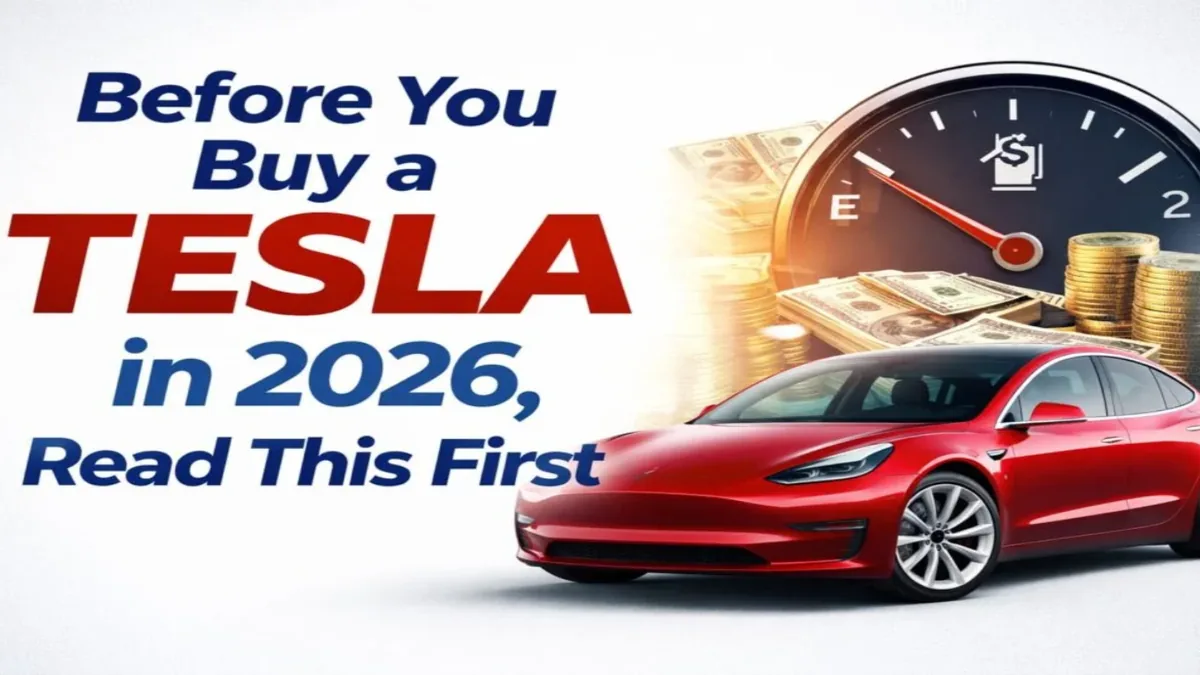
Tesla remains one of the most popular electric vehicle brands in America. Its sleek design, advanced technology, and impressive performance continue to attract buyers across the country. However, purchasing a Tesla in 2026 is a major financial decision that requires careful consideration.
Many shoppers focus on the excitement of owning an electric vehicle. Yet they often overlook important factors that affect long-term ownership costs and overall satisfaction. Before you sign a purchase agreement, there are several things you should know.
If you’re thinking about buying a Tesla this year, read this guide first.
Tesla Prices Are Still Higher Than Many Alternatives
Tesla has adjusted vehicle pricing several times over the past few years. While some models have become more affordable, a Tesla is still a significant investment for most Americans.
Approximate starting prices in 2026 include:
- Tesla Model 3: $39,000–$45,000
- Tesla Model Y: $46,000–$54,000
- Tesla Model S: $78,000+
- Tesla Model X: $83,000+
- Tesla Cybertruck: $62,000+
Although electric vehicles can reduce fuel expenses, the initial purchase price remains one of the biggest barriers for many buyers.
Therefore, you should compare Tesla models with competing EVs before making a final decision.
Financing Costs Matter More Than Ever
Many Americans finance their vehicles. As a result, monthly payments can significantly increase the total cost of ownership.
Interest rates remain higher than they were a few years ago. Consequently, financing a Tesla may cost more than expected.
For example, a $50,000 vehicle financed over several years could add thousands of dollars in interest payments.
Before buying, calculate:
- Monthly payment
- Total interest paid
- Down payment amount
- Loan term length
Doing so provides a more realistic picture of affordability.
Not Everyone Qualifies for EV Tax Credits
A common mistake among buyers is assuming they will automatically receive federal EV incentives.
However, eligibility depends on several factors, including:
Buyers should review the latest federal EV tax credit guidelines to determine whether they qualify for available incentives.
- Income limits
- Vehicle qualification rules
- Battery sourcing requirements
- Tax liability
In addition, state incentives vary widely across the country.
Therefore, verify current incentive programs before calculating your final purchase cost.
Charging Is Convenient—If You Have the Right Setup
Tesla ownership is easiest when you can charge at home.
Drivers with a garage and dedicated parking space often enjoy the greatest convenience. They simply plug in overnight and start each day with a charged battery.
However, apartment residents may face challenges.
Questions to ask before buying include:
- Do I have access to home charging?
- Is public charging available nearby?
- How often will I use Superchargers?
- Can my electrical system support a home charger?
Answering these questions beforehand can prevent frustration later.
Home Charger Installation Can Be Expensive
Many first-time EV buyers forget to budget for charger installation.
A Level 2 home charger can dramatically reduce charging time. Yet installation costs vary depending on the home.
Potential expenses include:
- Charging equipment
- Electrical upgrades
- Panel improvements
- Professional installation
Total costs may range from several hundred dollars to several thousand dollars.
As a result, the real purchase cost often exceeds the vehicle’s sticker price.
Tesla Insurance Rates May Surprise You
Insurance is one of the biggest ownership expenses.
Tesla vehicles feature advanced cameras, sensors, and battery systems. While these technologies improve functionality, repairs can be expensive.
Consequently, insurance companies often charge higher premiums.
In fact, rising insurance costs are one of the most common reasons some owners later regret purchasing a Tesla.
Annual insurance costs may range from:
- $2,000 to $3,500 for Model 3 and Model Y
- $3,000 to $6,000 for premium Tesla models
Your location, driving record, age, and coverage choices will influence the final rate.
Therefore, request insurance quotes before purchasing a Tesla.
Battery Life Is Better Than Many People Think
One concern many buyers have is battery degradation.
Fortunately, modern Tesla batteries are designed to last for many years.
Most owners experience gradual battery capacity loss rather than sudden failure.
In many cases, Tesla batteries continue performing well beyond 100,000 miles.
Nevertheless, battery replacement remains extremely expensive.
Because of this, understanding warranty coverage is essential before making a purchase.
Maintenance Costs Are Lower but Not Zero
Tesla owners avoid traditional maintenance items such as:
- Oil changes
- Spark plug replacements
- Transmission servicing
As a result, annual maintenance costs are generally lower than those of gas-powered vehicles.
However, owners still pay for:
- Tire replacements
- Tire rotations
- Cabin air filters
- Brake fluid checks
- Wheel alignments
Therefore, maintenance savings should not be confused with maintenance-free ownership.
Tire Wear Can Increase Ownership Costs
Electric vehicles produce instant torque and carry heavy battery packs.
Because of this, tires often wear faster than many drivers expect.
Replacing Tesla tires can cost:
- $900–$1,800 per set
Performance models may require even more expensive tires.
Consequently, tire replacement should be included in your long-term budget.
Depreciation Still Matters
Many buyers focus only on monthly payments. However, depreciation is one of the largest vehicle ownership costs.
Tesla resale values have fluctuated significantly in recent years.
Price adjustments on new vehicles can affect used vehicle values. As a result, owners sometimes lose more value than anticipated.
Before buying, consider:
- Expected resale value
- Market demand
- Ownership timeline
- Future EV competition
A vehicle that depreciates quickly may cost more than expected over time.
Public Charging Isn’t Always Cheap
Many advertisements highlight fuel savings. While charging usually costs less than gasoline, public charging is not free.
Tesla Supercharger pricing varies by location and demand.
Frequent use of public chargers can increase annual charging expenses considerably.
Therefore, buyers who cannot charge at home should carefully estimate future charging costs.
Software Features May Cost Extra
Tesla vehicles are known for software-driven features.
Some advanced capabilities may require:
- Monthly subscriptions
- One-time purchases
- Future upgrades
Features such as premium connectivity can add recurring costs.
As a result, buyers should review available subscriptions before purchasing.
Tesla Ownership Is Different From Traditional Car Ownership
Buying a Tesla involves more than switching from gasoline to electricity.
Owners often experience:
- Software updates
- Digital vehicle controls
- Mobile app integration
- Charging planning
- Different service procedures
Many drivers love these changes. Others prefer a more traditional vehicle experience.
Therefore, test-driving a Tesla before buying is highly recommended.
Who Should Buy a Tesla in 2026?
Tesla may be a great choice for drivers who:
- Have reliable home charging
- Drive frequently
- Want lower fuel expenses
- Enjoy new technology
- Plan to keep the vehicle for several years
On the other hand, buyers without charging access may find ownership less convenient.
Likewise, drivers seeking the lowest upfront cost may discover better alternatives in the growing EV market.
Final Thoughts
Tesla continues to lead the electric vehicle industry in 2026. The vehicles offer impressive technology, strong performance, and lower fuel costs compared to traditional gas-powered cars.
However, buying a Tesla involves more than comparing sticker prices. Financing costs, insurance premiums, charger installation, depreciation, tire wear, and charging expenses all affect the total cost of ownership.
Before you buy a Tesla in 2026, take time to evaluate your budget, driving habits, charging options, and long-term goals.
Doing so will help ensure that your Tesla purchase becomes a smart investment rather than an expensive surprise.