 MOHAMMAD ABUBAKR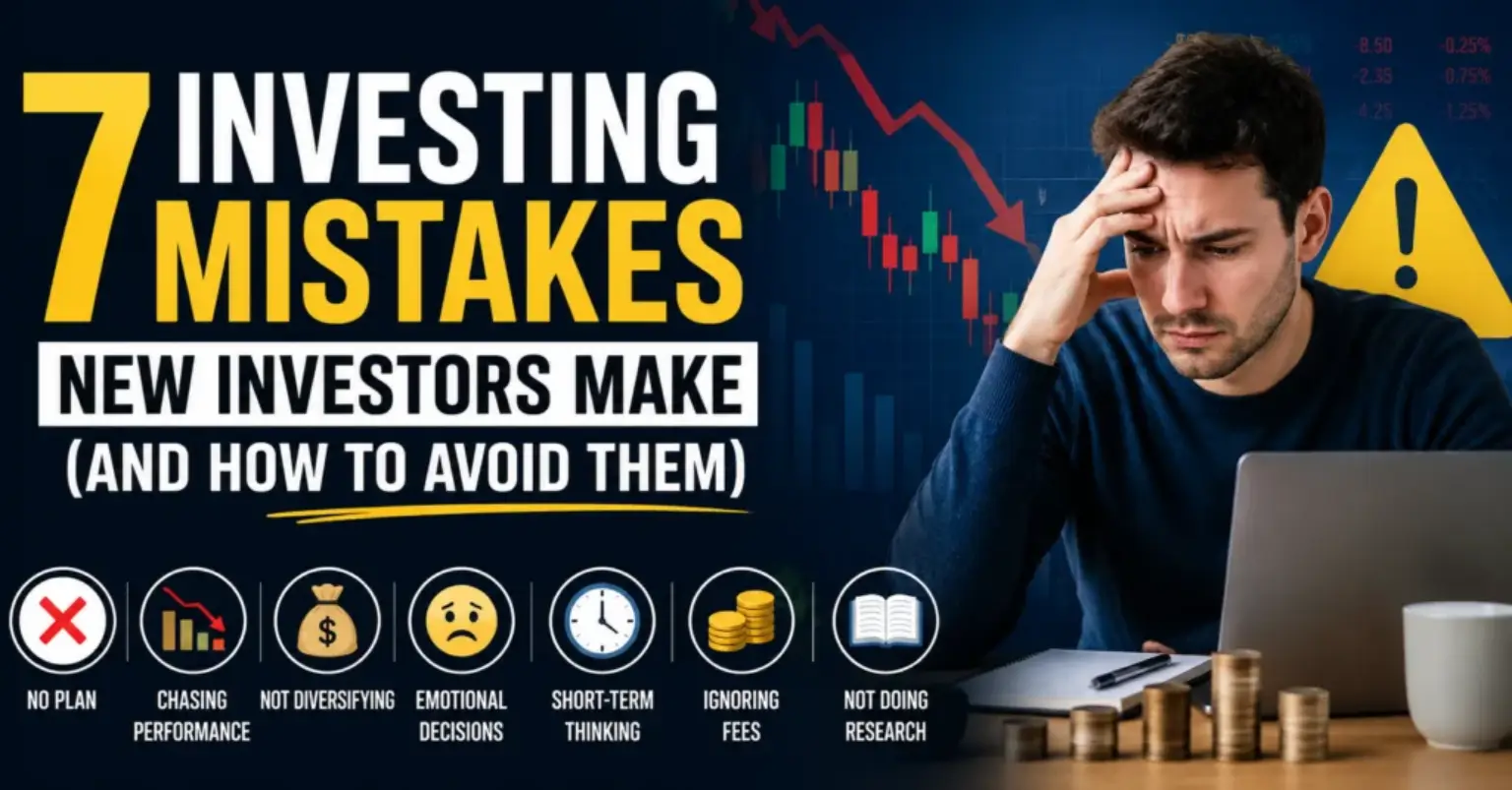
Investing is one of the most effective ways to build long-term wealth, but many beginners make costly mistakes that can slow down their financial growth. If you’re new to investing, reviewing the basics of investing can help you build a stronger foundation.
If you’re new to investing in the United States, avoiding these pitfalls can save you money, reduce stress, and put you on a stronger path toward financial freedom.
1. Investing Without a Plan
One of the biggest mistakes new investors make is jumping into the stock market without a clear investment strategy.
One reason investors struggle with timing decisions is that they often overlook broader market warning signs.
Many beginners invest because they heard about a trending stock on social media or received advice from friends. While enthusiasm is great, successful investing requires goals, timelines, and risk management.
Before investing, ask yourself:
- What are you investing for?
- How long can you keep your money invested?
- What level of risk are you comfortable with?
Whether you’re saving for retirement, a home purchase, or passive income, having a financial plan helps guide your investment decisions and prevents emotional mistakes.
Key Takeaway:
Create an investment plan with clear financial goals before buying any asset.
2. Trying to Time the Market
Many new investors believe they can predict when stocks will rise or fall. They wait for the “perfect time” to invest and often miss valuable opportunities.
The truth is that even professional investors struggle to consistently time the market.
Historically, the U.S. stock market has rewarded long-term investors who stay invested rather than those who frequently jump in and out.
A better strategy is dollar-cost averaging (DCA), where you invest a fixed amount regularly regardless of market conditions.
Key Takeaway:
Time in the market is usually more important than timing the market.
3. Following Investment Hype
Social media, YouTube influencers, and online forums often promote “hot stocks” that promise huge returns.
The recent volatility in artificial intelligence stocks is a good example of why investors should be cautious about hype-driven investing.
Many beginner investors buy stocks after prices have already surged because of fear of missing out (FOMO).
Unfortunately, hype-driven investments can be extremely risky. By the time many people hear about a stock, early investors may already be taking profits.
Instead of chasing trends, focus on:
- Company fundamentals
- Revenue growth
- Profitability
- Competitive advantages
- Long-term potential
Key Takeaway:
Avoid investing based solely on hype, rumors, or social media recommendations.
4. Lack of Diversification
Putting all your money into a single stock is one of the fastest ways to increase investment risk.
Imagine investing your entire portfolio in one company. If that company performs poorly, your wealth could decline significantly.
Diversification spreads risk across multiple investments, industries, and asset classes.
Examples include:
- Index funds
- Exchange-traded funds (ETFs)
- Dividend stocks
- Bonds
- Real estate investment trusts (REITs)
A diversified portfolio helps reduce the impact of a single investment performing poorly.
Key Takeaway:
Never put all your eggs in one basket.
5. Letting Emotions Drive Decisions
Fear and greed are two powerful emotions that can hurt investment performance.
These emotional decisions remain among the biggest mistakes investors continue to make.
When markets fall, inexperienced investors often panic and sell at a loss. When markets rise rapidly, they may become overly confident and invest too aggressively.
Successful investing requires discipline.
Instead of reacting emotionally:
- Focus on long-term goals.
- Review investments periodically.
- Avoid checking your portfolio every hour.
- Stick to your strategy during market volatility.
Remember, market fluctuations are normal and expected.
Key Takeaway:
Emotional investing often leads to poor financial decisions.
6. Ignoring Fees and Expenses
Many new investors underestimate how investment fees affect long-term returns.
Even small annual fees can significantly reduce portfolio growth over decades.
Common costs include:
- Mutual fund expense ratios
- Brokerage fees
- Advisory fees
- Trading commissions
- Account maintenance charges
For example, a 1% annual fee may seem small, but it can cost thousands of dollars over a lifetime of investing.
Low-cost index funds and ETFs are popular among investors because they often provide broad market exposure with lower expenses.

7. Not Investing for the Long Term
Many beginners expect quick profits and become disappointed when investments don’t deliver immediate results.
Investing is not a get-rich-quick strategy.
Some of the world’s most successful investors built wealth through patience, consistency, and long-term thinking.
The power of compound growth allows investments to generate returns on previous gains over time.
Even investors who start with a small amount of money can benefit from compounding when they stay invested consistently.
For example:
- Investing consistently for 20–30 years can produce substantial wealth.
- Reinvesting dividends accelerates portfolio growth.
- Staying invested during market downturns can improve long-term results.
Key Takeaway:
Successful investing is a marathon, not a sprint.
How New Investors Can Succeed
Avoiding common investing mistakes doesn’t require expert-level knowledge. The most successful investors often follow simple principles:
- Start investing early.
- Invest consistently.
- Diversify your portfolio.
- Focus on long-term growth.
- Ignore market noise.
- Keep investment costs low.
- Continue learning about personal finance.
Building wealth through investing takes time, but making informed decisions today can create significant financial opportunities in the future.
Final Thoughts
Every investor makes mistakes at some point, especially when starting out. However, understanding these common investing errors can help you avoid costly setbacks and make smarter financial decisions.
By creating a clear plan, staying diversified, managing emotions, and focusing on long-term goals, you’ll be better positioned to grow your wealth and achieve financial success.
Remember: successful investing isn’t about finding the next hot stock—it’s about making consistent, disciplined decisions that stand the test of time.