 MOHAMMAD ABUBAKR
A credit score measures how responsibly you manage borrowed money. In the United States, most credit scores range from 300 to 850.
Generally, lenders consider:
- 300–579: Poor
- 580–669: Fair
- 670–739: Good
- 740–799: Very Good
- 800–850: Excellent
The higher your score, the more confidence lenders have in your ability to repay debt.
Lower Interest Rates Save You Thousands
One of the biggest benefits of good credit is paying less interest.
Whether you’re financing a home, buying a car, or applying for a personal loan, lenders usually reward borrowers with higher credit scores by offering lower interest rates.
For example, even a 1% lower mortgage rate can save thousands of dollars over the life of a loan.
As interest rates remain elevated, this advantage has become even more valuable.
Best Ways to Improve Your Credit Score Fast

Easier Loan Approvals
Banks and lenders have become more selective when approving loans.
Applicants with strong credit often receive:
- Faster approvals
- Higher borrowing limits
- Better loan terms
- More lender options
Meanwhile, borrowers with lower credit scores may face additional paperwork, higher down payments, or loan denials.
Better Credit Card Rewards
Many premium credit cards require good or excellent credit.
With a higher credit score, you may qualify for cards offering:
- Cash back rewards
- Travel points
- Airport lounge access
- Purchase protection
- Extended warranties
- Introductory 0% APR offers
These benefits can provide significant value when used responsibly.
More Affordable Auto Loans
Car prices remain high, making financing an important part of vehicle ownership.
A strong credit score can help you secure:
- Lower monthly payments
- Lower interest charges
- More flexible loan terms
Even a small difference in interest rates can save hundreds or thousands of dollars during the loan period.
Better Mortgage Opportunities
Buying a home is one of the biggest financial decisions most people make.
Mortgage lenders carefully evaluate credit scores before approving applications.
Good credit may help you receive:
- Lower mortgage rates
- Lower monthly payments
- Easier approval
- Reduced closing costs in some cases
This makes homeownership more affordable over time.
Renting a Home Is Easier
Many landlords review credit reports before approving rental applications.
Applicants with stronger credit often enjoy:
- Faster approval
- Lower security deposits
- More rental choices
A positive credit history demonstrates financial responsibility, making landlords more comfortable renting to you.
Lower Insurance Costs
In many U.S. states, insurance companies use credit-based insurance scores when calculating premiums.
People with stronger credit may qualify for lower rates on:
- Auto insurance
- Homeowners insurance
- Renters insurance
Although regulations vary by state, maintaining good credit can contribute to long-term savings.
More Financial Flexibility
Life is unpredictable.
Unexpected expenses such as medical bills, home repairs, or emergency travel can happen at any time.
Having good credit gives you access to financing when you need it most.
Instead of scrambling for expensive loans, you’ll likely have more affordable borrowing options available.
Increased Financial Confidence
Good credit provides more than financial benefits.
It also offers peace of mind.
Knowing you can qualify for financing when necessary reduces stress and gives you greater confidence when making major life decisions.
Whether you’re starting a business, relocating, or planning for retirement, strong credit creates more opportunities.
How to Build Good Credit
Building excellent credit takes time, but the process is straightforward.
Here are some proven strategies:
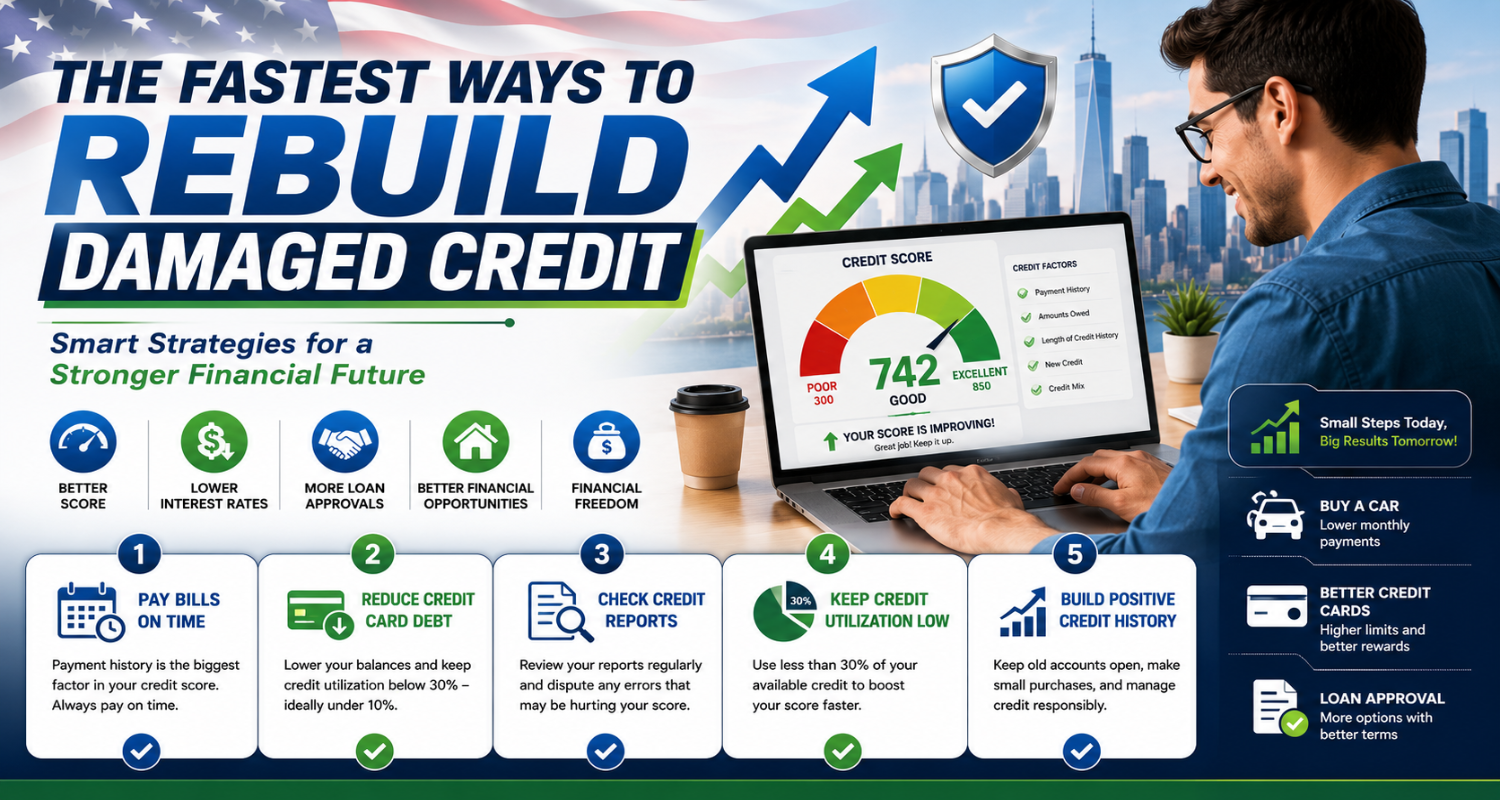
1. Always Pay Bills on Time
Payment history is the most important factor affecting your credit score.
Even one missed payment can lower your score.
2. Keep Credit Utilization Low
Try to use less than 30% of your available credit.
Lower utilization often leads to higher scores.
3. Keep Older Accounts Open
Length of credit history matters.
Older accounts help strengthen your overall credit profile.
4. Limit New Credit Applications
Applying for multiple accounts in a short period may temporarily lower your score.
Only apply when necessary.
5. Review Your Credit Reports
Check your credit reports regularly for errors or signs of identity theft.
Correcting inaccurate information can improve your credit profile.
Common Credit Mistakes to Avoid
Avoid these habits that can damage your credit:
- Missing payment deadlines
- Maxing out credit cards
- Closing old credit accounts unnecessarily
- Applying for too many loans at once
- Ignoring collection notices
- Co-signing loans without understanding the risks
Small mistakes today can have long-lasting effects.
Final Thoughts
Good credit has never been more valuable. In today’s financial environment, a strong credit score can help you borrow money at lower rates, qualify for better financial products, rent a home more easily, and save thousands of dollars over time.
Although building excellent credit requires patience, the rewards are worth the effort. Every on-time payment, responsible credit decision, and smart financial habit strengthens your credit profile and expands your future opportunities.
Investing in your credit today is one of the smartest financial decisions you can make.
Consumer Financial Protection Bureau (CFPB):
Frequently Asked Questions (FAQs)
What is considered a good credit score?
Generally, a credit score between 670 and 739 is considered good, while 740 or higher is considered very good or excellent.
Why is good credit important today?
Good credit helps you qualify for lower interest rates, better loan terms, premium credit cards, rental housing, and lower insurance premiums.
Can good credit save money?
Yes. Lower interest rates on mortgages, auto loans, and credit cards can save thousands of dollars over time.
How long does it take to build good credit?
It depends on your credit history, but consistent on-time payments and responsible credit use can lead to steady improvement over several months and years.
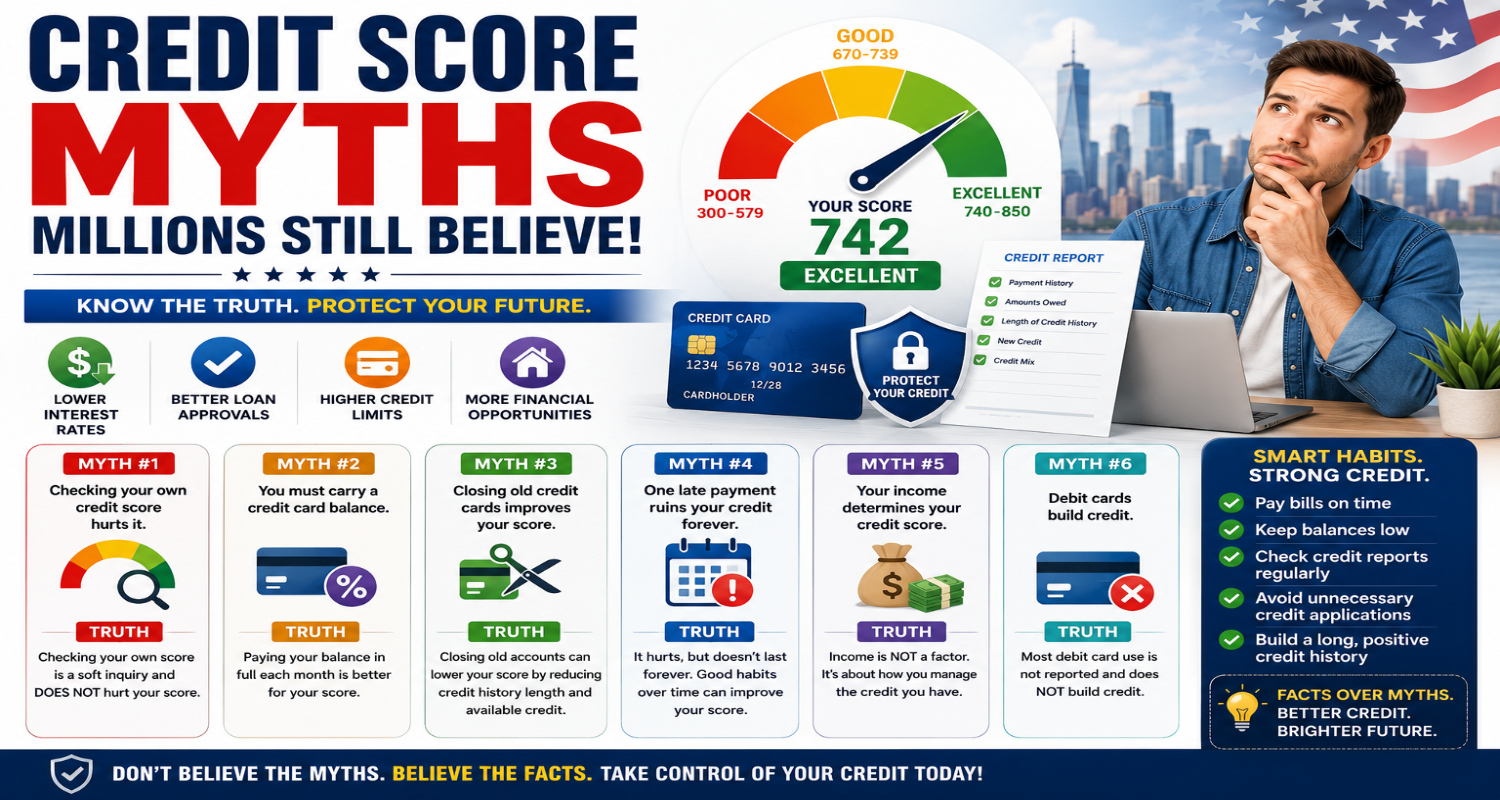
Is checking my own credit score bad for my credit?
No. Checking your own credit score is considered a soft inquiry and does not affect your credit score.