
 MOHAMMAD ABUBAKR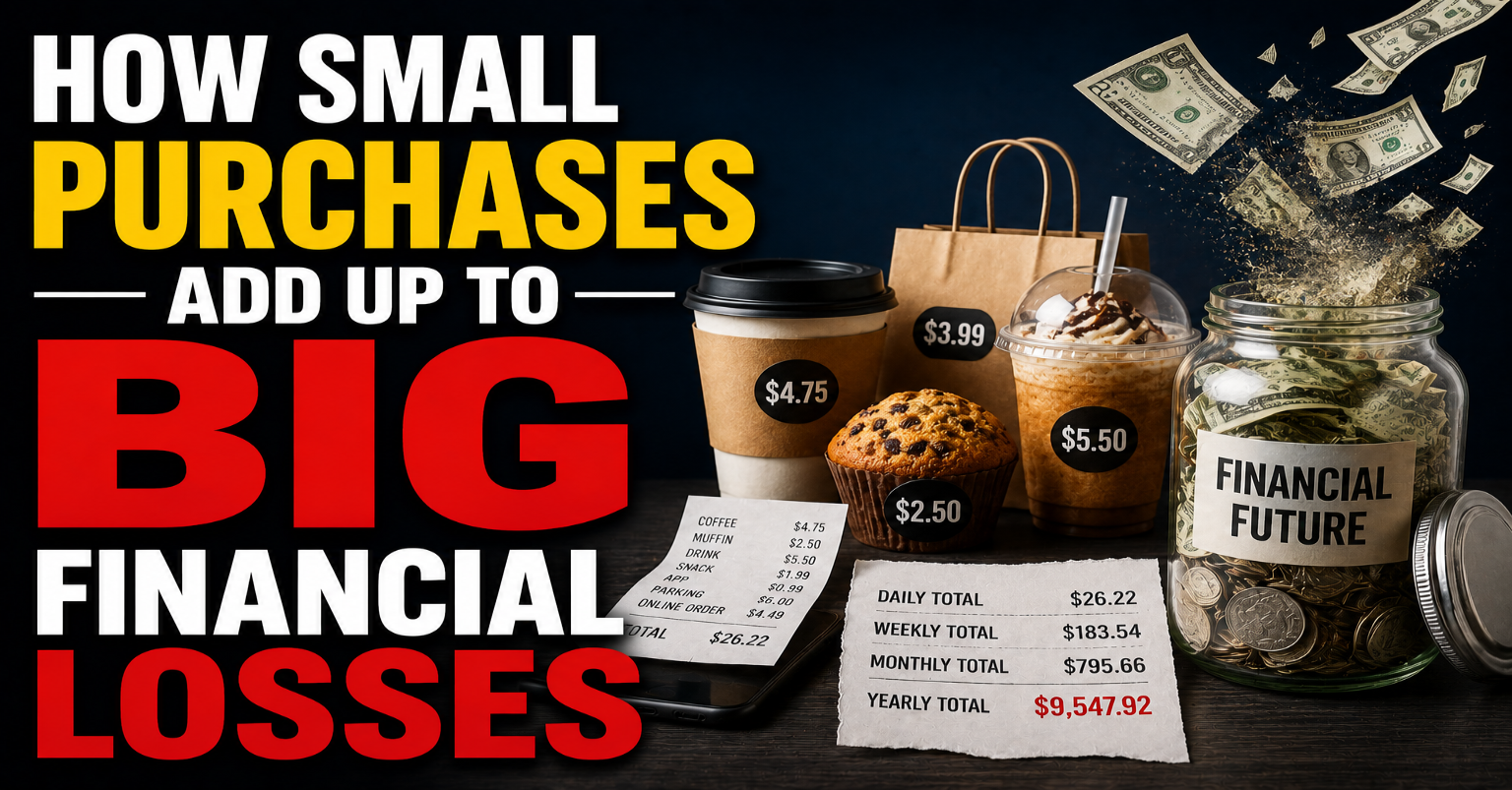
Most people believe financial problems come from expensive purchases like buying a new car or taking out a large mortgage. While major expenses certainly matter, the real threat to your finances often comes from much smaller purchases made every day.
A daily coffee, an online impulse buy, or another streaming subscription may seem insignificant. However, these small expenses can quietly consume thousands of dollars every year. Over time, they reduce your ability to save, invest, and achieve important financial goals.
Fortunately, recognizing these spending habits is the first step toward improving your financial future. Once you understand where your money goes, making smarter decisions becomes much easier.
Let’s explore how seemingly harmless purchases can lead to surprisingly large financial losses.
Why Small Purchases Feel Harmless
Most daily purchases don’t create immediate financial stress.
Spending $5 or $10 rarely feels like a major decision.
Because the amount is small, many people don’t think twice before making the purchase.
Unfortunately, businesses understand this psychology.
Coffee shops, mobile apps, online retailers, and subscription services all encourage frequent low-cost spending.
Instead of one expensive purchase, consumers make dozens of small ones every month.
Eventually, those purchases become part of everyday life.
The Hidden Cost of Daily Spending
Imagine spending the following every day:
- Morning coffee: $6
- Afternoon snack: $4
- Food delivery fees: $5
- Convenience store purchase: $5
That’s $20 every day.
Over one year:
- $20 × 365 days = $7,300
Now imagine investing that $7,300 annually instead.
Over many years, compound growth could turn those small savings into a substantial investment portfolio.
This illustrates why daily financial habits matter so much.
Common Small Purchases That Drain Your Budget
1. Coffee Shop Visits
Buying coffee occasionally isn’t a problem.
However, purchasing premium coffee every weekday adds up quickly.
Preparing coffee at home just a few days each week can save hundreds of dollars annually.
2. Food Delivery Fees
Food delivery apps are convenient.
However, convenience usually comes with:
- Delivery charges
- Service fees
- Driver tips
- Higher menu prices
Cooking at home more often can dramatically reduce food expenses without sacrificing quality.
3. Streaming and Subscription Services
Many households pay for multiple subscriptions.
Examples include:
- Video streaming
- Music services
- Fitness apps
- Cloud storage
- Premium memberships
Because payments happen automatically, unused subscriptions often go unnoticed.
Review recurring charges every few months.
Cancel anything you no longer use.
4. Impulse Online Shopping
Retailers make shopping incredibly easy.
Limited-time offers, free shipping, and personalized recommendations encourage unnecessary purchases.
Before checking out, wait at least 24 hours.
Many impulse purchases lose their appeal after a short delay.
5. Convenience Store Purchases
Stopping for snacks, bottled drinks, or small household items may seem inexpensive.
Nevertheless, buying these products regularly often costs much more than purchasing them in bulk at grocery stores.
Planning ahead reduces both spending and unnecessary trips.
6. Mobile App Purchases
Games, premium features, and digital subscriptions often involve small charges.
Since each purchase costs only a few dollars, many users barely notice them.
Review your app store purchase history regularly.
Removing unnecessary subscriptions can free up extra money every month.
7. Bank Fees
ATM fees, overdraft charges, and account maintenance fees quietly reduce your savings.
Choosing the right bank account and monitoring your balance can help avoid these unnecessary costs.
Even saving $10 each month makes a difference over time.
8. Unplanned Shopping Trips
Walking into a store without a shopping list often leads to buying items you didn’t intend to purchase.
Retail stores strategically place attractive products near entrances and checkout counters.
Creating a shopping list before leaving home helps control spending.
The Opportunity Cost Most People Ignore
Every dollar spent has another possible use.
Economists call this opportunity cost.
For example, spending $50 on unnecessary purchases means you cannot:
- Invest that money
- Save it for emergencies
- Reduce debt
- Contribute to retirement
- Build a college fund
The purchase itself isn’t the only cost.
It’s also the missed opportunity to grow your money.
Thinking this way encourages smarter financial decisions.
Small Savings Can Create Big Wealth
Many people underestimate the power of consistency.
Saving only $15 per day equals:
- About $450 per month
- About $5,475 per year
If invested consistently over many years, those savings may grow significantly through compound returns.
Building wealth rarely happens overnight.
Instead, it comes from making better financial choices repeatedly.
8 Daily Habits That Are Costing You Thousands Every Year
How to Reduce Small Daily Expenses
Improving your finances doesn’t require giving up everything you enjoy.
Instead, make thoughtful adjustments.
Consider these practical strategies:
- Prepare meals at home more often.
- Brew coffee instead of buying it daily.
- Review subscriptions every quarter.
- Use a monthly budget.
- Shop with a list.
- Wait before making impulse purchases.
- Automate savings transfers.
- Track spending using a budgeting app.
These small habits are easy to maintain.
More importantly, they produce lasting financial benefits.
Why Budget Awareness Matters
Most Americans work hard for their income.
Unfortunately, many never track where that income goes.
Monitoring expenses creates awareness.
Awareness leads to better decisions.
Better decisions lead to stronger financial results.
Even reviewing your spending once each week helps identify wasteful habits before they become expensive routines.
Final Thoughts
Small purchases rarely seem dangerous.
Yet together, they often become one of the biggest obstacles to building wealth.
The good news is that changing your financial future doesn’t require drastic sacrifices.
Instead, focus on becoming more intentional with everyday spending.
Review your purchases.
Question recurring expenses.
Save consistently.
Invest regularly.
Over time, those simple habits can help you keep thousands of dollars that would otherwise disappear on unnecessary purchases.
Remember, financial success isn’t built through one perfect decision.
It’s built through hundreds of smart choices made every single year.
Frequently Asked Questions
Why are small purchases so expensive over time?
Small purchases become expensive because they happen repeatedly. Even spending $10 daily adds up to more than $3,600 annually.
Should I stop buying coffee or eating out completely?
No. The goal isn’t to eliminate enjoyment. Instead, reduce unnecessary purchases and spend intentionally.
What’s the easiest way to track small expenses?
Using a budgeting app or reviewing your bank and credit card statements each week makes it easier to identify spending patterns.
Can reducing small purchases really improve my finances?
Yes. Consistently saving even a few dollars each day creates more money for investing, debt repayment, and emergency savings over time.