 MOHAMMAD ABUBAKR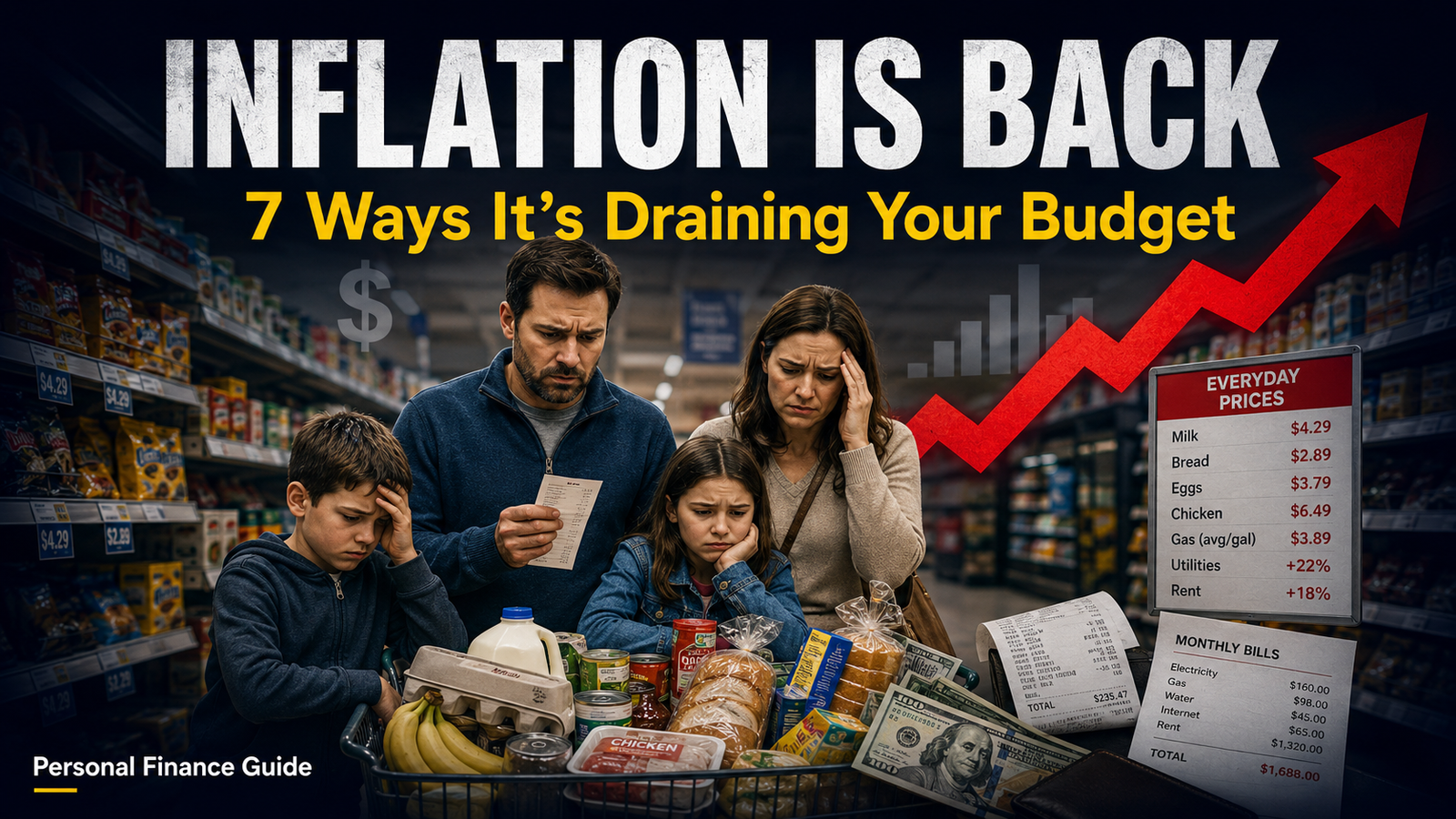
Introduction: The Invisible Tax on Your Everyday Life
Picture this: you walk into your local grocery store with the same shopping list you’ve used for years. Same items, same brands, same quantities. But somehow, when you reach the checkout counter, the total is noticeably higher than what you expected. You didn’t buy anything extra. You didn’t splurge. Yet your wallet is lighter.
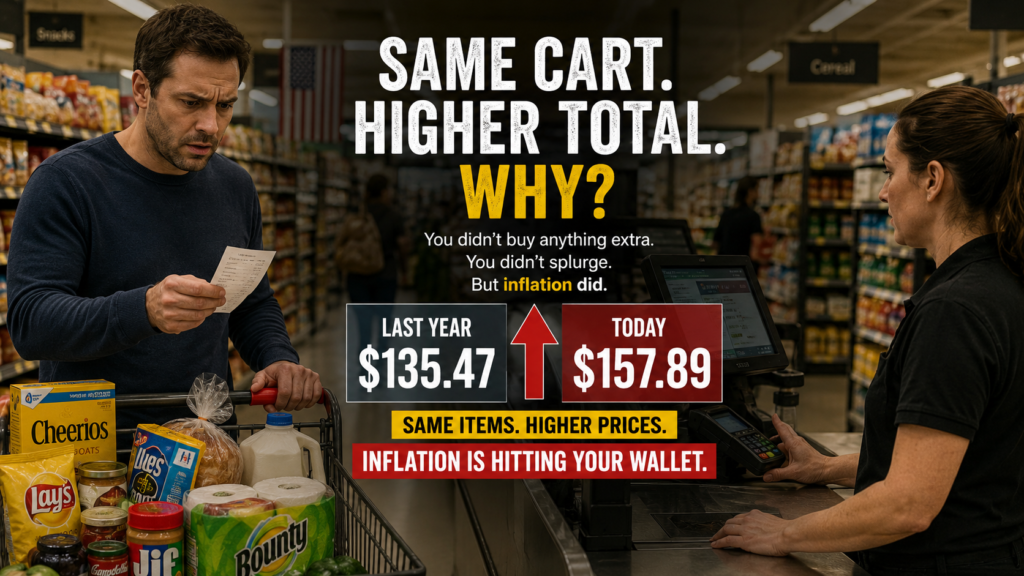
That’s inflation doing its quiet, persistent work.
After a brief period of easing, inflation is officially back — and this time, it’s showing up in places most people aren’t even watching. It’s not always dramatic. It doesn’t announce itself. It just slowly, steadily shrinks what your money can buy.
According to the U.S. Bureau of Labor Statistics, the Consumer Price Index — the main measure of inflation — has continued to put upward pressure on household costs across multiple categories. Families across the country are feeling it, even when they can’t quite name what changed.
In this article, we’ll break down exactly where inflation is hitting the hardest, give you real-life examples of the damage it’s causing, and share practical strategies to protect your budget before it quietly falls apart.
What Is Inflation, and Why Should You Care?
In simple terms, inflation means that the same amount of money buys you less than it used to. When inflation rises, the purchasing power of every dollar in your pocket decreases. Prices go up. Your paycheck stays the same (or doesn’t keep up). And the gap between what things cost and what you can afford quietly widens.
Economists measure inflation using the Consumer Price Index (CPI), which tracks price changes in a basket of common goods and services — things like food, rent, gas, and healthcare. When that index rises, it tells us that the overall cost of living is going up.
For most people, a 3–4% inflation rate might not sound alarming. But think about it this way: if inflation runs at just 3% per year, something that costs $100 today will cost around $134 in ten years. Multiply that across every category in your life — groceries, rent, fuel, insurance — and you start to see why cost of living concerns are dominating dinner table conversations across the country.
The problem with the current inflationary period is that it’s affecting necessities — the things you can’t just cut out of your life.
7 Places Inflation Is Quietly Stealing From Your Budget
1. Grocery Bills: The Most Visible Bite
Why Prices Are Rising
Grocery inflation has been one of the most talked-about consequences of rising prices — and for good reason. Supply chain disruptions, higher fuel costs for transportation, rising wages for farm and factory workers, and global weather events affecting crop yields have all pushed food prices upward.
A Real-Life Example
Think about eggs. Just a few years ago, a dozen large eggs cost around $1.50 in most U.S. supermarkets. At various points during recent inflationary cycles, that same carton climbed past $4.00 and even higher in some regions. That’s not a minor fluctuation — it’s a fundamental shift in the cost of a basic protein source that millions of families rely on daily.
The Financial Impact
For a family of four spending $800 a month on groceries, even a 10% price increase translates to an extra $80 per month — nearly $1,000 per year — with no corresponding boost to their income.
How to Fight Back
- Shop with a list and stick to it. Impulse purchases add up fast when prices are already high.
- Embrace store brands. Generic or private-label products often match name-brand quality at significantly lower prices.
- Use cashback and rewards apps like Ibotta or Rakuten to earn money on grocery purchases.
- Plan meals around what’s on sale and build your week’s menu from the weekly circular.
- Buy in bulk for non-perishable staples like rice, pasta, canned goods, and cleaning supplies.
2. Utility Bills: The Cost of Keeping the Lights On
Why Prices Are Rising
Energy markets are notoriously volatile. Natural gas prices fluctuate based on global supply and demand, geopolitical tensions, and seasonal weather patterns. When wholesale energy costs rise, utility companies pass those increases on to consumers — sometimes with a significant lag, which means people don’t feel the full impact right away.
A Real-Life Example
Consider a homeowner in the Midwest. In a typical winter, their monthly gas bill might run $120. During periods of energy price spikes, that same bill can jump to $180 or more — not because they used more gas, but because the price per unit increased dramatically.
The Financial Impact
Utility costs are largely unavoidable. You need electricity, water, and heat. When those costs rise, you either pay more or find ways to use less — neither of which is comfortable.
How to Fight Back
- Audit your home’s energy use. Many utility companies offer free energy audits.
- Install a programmable or smart thermostat to reduce heating and cooling waste.
- Switch to LED bulbs throughout your home if you haven’t already.
- Unplug devices when not in use — phantom load from idle electronics can add 10% or more to your electric bill.
- Check if you qualify for LIHEAP benefits (Low Income Home Energy Assistance Program).
3. Housing and Rent: The Biggest Monthly Burden
Why Prices Are Rising
Housing costs are driven by a perfect storm of inflation factors: higher construction material costs, labor shortages in the building trades, rising mortgage interest rates, and a chronic undersupply of affordable housing units in most major metropolitan areas. All of this pushes both purchase prices and rental rates higher.
A Real-Life Example
A two-bedroom apartment in a mid-sized American city might have rented for $1,200 per month just a few years ago. Today, the same unit could easily command $1,500 to $1,800 — a 25–50% increase. For renters whose incomes haven’t kept pace, this means a much larger share of their paycheck disappears before they can save anything.
The Financial Impact
Housing costs already represent the single largest line item in most household budgets — typically 25–35% of take-home pay. When those costs rise faster than incomes, families are forced to cut elsewhere or accumulate debt.
How to Fight Back
- Negotiate your lease renewal — landlords often prefer a reliable tenant over the hassle of finding a new one.
- Consider getting a roommate to split fixed costs.
- Explore neighborhoods slightly farther from city centers where rents may still be more reasonable.
- If you’re a homeowner, refinancing (when rates are favorable) or making energy efficiency upgrades can reduce total housing costs.
4. Transportation and Fuel: Every Mile Costs More
Why Prices Are Rising
Fuel prices are tied to global crude oil markets, refinery capacity, seasonal demand, and geopolitical events. When oil-producing nations cut output or when international tensions disrupt supply, pump prices rise quickly. Vehicle prices — both new and used — have also remained elevated due to ongoing supply chain challenges in the automotive industry.
A Real-Life Example
A commuter who drives 25 miles each way to work and fills up their 15-gallon tank twice a month feels every penny of a gas price increase. When prices rise by just $0.50 per gallon, that driver spends an extra $15 per fill-up — roughly $360 more per year just to get to work.
The Financial Impact
For households with two working adults, transportation costs can easily rank second or third in the budget. Add in car insurance, maintenance, and parking, and you’re looking at a major expense category that’s been trending upward.
How to Fight Back
- Combine errands into single trips to reduce total mileage driven.
- Use apps like GasBuddy to find the lowest fuel prices in your area.
- Maintain your vehicle properly — correct tire pressure alone can improve fuel efficiency by 1–3%.
- Explore carpooling, public transit, or biking for regular commutes.
- If you’re buying a car, consider the total cost of ownership — fuel efficiency matters more during inflationary periods.
5. Healthcare: When Your Health Costs More Than You Budgeted
Why Prices Are Rising
Healthcare inflation is driven by multiple forces: rising drug prices, higher wages for healthcare workers, increased demand for services, and the administrative complexity of the U.S. healthcare system. Medical supply costs have also increased, and many of those increases are passed directly to patients.
A Real-Life Example
Someone managing a chronic condition like diabetes may find that the cost of insulin and testing supplies has risen significantly. Even with insurance, higher deductibles mean out-of-pocket costs climb before coverage kicks in. A $1,500 annual deductible means spending more before the insurance company starts sharing the burden.
The Financial Impact
Medical debt is already one of the leading causes of personal bankruptcy in the United States. Inflation in healthcare costs compounds this problem, making it harder for families to set aside emergency funds for health expenses.
How to Fight Back
- Use in-network providers whenever possible to avoid surprise billing.
- Ask your doctor about generic medications — they are chemically identical to brand-name drugs and often cost dramatically less.
- Take advantage of FSAs or HSAs (Flexible Spending Accounts / Health Savings Accounts) to pay for medical expenses with pre-tax dollars.
- Schedule preventive care to catch problems early, when they are less expensive to treat.
- Compare prescription prices using GoodRx, which often beats insurance pricing.
6. Insurance: The Premium That Always Goes Up
Why Prices Are Rising
Insurance companies adjust their premiums based on risk models, claims history, and replacement costs. When the cost of repairing or replacing a car rises (because parts and labor cost more), auto insurance premiums rise to match. When home repair costs spike, homeowner insurance rates follow. The ripple effect of inflation runs straight through the insurance industry.
A Real-Life Example
A homeowner in the Southeast who paid $1,200 per year for property insurance a few years ago may now face a renewal quote of $1,600 or more — and in some high-risk areas, insurers have simply stopped offering coverage altogether, forcing residents into expensive state-backed insurance pools.
The Financial Impact
Unlike a gym membership you can cancel, most forms of insurance are either legally required (auto) or practically essential (health, home). That makes rising premiums particularly frustrating — you have limited ability to opt out.
How to Fight Back
- Shop your policies every year. Loyalty rarely pays in the insurance industry — companies often offer better rates to new customers.
- Bundle your auto and home insurance with the same company for multi-policy discounts.
- Raise your deductible if you have sufficient emergency savings — higher deductibles mean lower monthly premiums.
- Review your coverage regularly to make sure you’re not paying for protection you no longer need.
- Ask about lesser-known discounts: safe driver, home security system, good student, and others.
7. Entertainment and Subscription Services: Death by a Thousand Streams
Why Prices Are Rising
The streaming era initially promised affordable entertainment. But as platforms compete for content, licensing costs have exploded — and those costs are being passed to subscribers. At the same time, live event prices (concerts, sports, movies) have continued climbing, fueled by high demand and rising venue operating costs.
A Real-Life Example
Consider someone who subscribes to Netflix, Disney+, Hulu, a music streaming service, a cloud storage plan, a news outlet, a fitness app, and an audiobook platform. Each costs anywhere from $5 to $18 per month. Individually, they seem like trivial expenses. Together, they can easily total $80–$120 per month — more than many people’s cable bills used to be.
The Financial Impact
Subscription creep is real. Research suggests the average American significantly underestimates how much they spend on subscriptions. When prices rise even slightly across multiple services, the cumulative impact is noticeable.
How to Fight Back
- Audit your subscriptions by checking your bank and credit card statements for recurring charges.
- Cancel services you haven’t used in the past month.
- Rotate subscriptions — subscribe to one service for a few months, then cancel and switch to another.
- Share plans with family members where allowed to split the cost.
- Look for free alternatives: public libraries now offer free access to streaming, e-books, audiobooks, and more.
Hidden Inflation Costs Most People Ignore
Beyond the seven major categories above, inflation disguises itself in ways that are even harder to spot.
Shrinkflation
Shrinkflation happens when manufacturers quietly reduce the size or quantity of a product while keeping the price the same. Your potato chip bag now has fewer chips. Your yogurt container holds 5.3 ounces instead of 6. Your toilet paper roll has fewer sheets per roll. The price tag looks the same — the value has shrunk. This is a form of hidden inflation, and it’s widespread.
Higher Service Fees
Service charges, processing fees, and convenience fees have all grown during inflationary periods. From restaurant service charges to airline seat selection fees to ATM withdrawal charges, companies are finding creative ways to pass on their higher costs without raising the headline price.
Reduced Product Quality
Some companies respond to rising costs by using cheaper ingredients or materials while keeping the same packaging and branding. You may not notice immediately — but over time, the quality of what you’re buying quietly decreases even as the price stays flat.
Stress Spending
Ironically, financial stress caused by rising prices can itself lead to overspending. People under pressure sometimes engage in impulse buying as a form of emotional relief — only to feel worse when the credit card bill arrives. This “doom spending” pattern is worth being aware of.
How to Protect Your Budget: 10 Practical Inflation Tips
Here are ten concrete strategies to help you save money during inflation:
- Build a detailed monthly budget and track every expense. You can’t manage what you don’t measure.
- Separate needs from wants before every purchase decision. Ask: “Do I need this, or do I just want it right now?”
- Increase your emergency fund — aim for 4–6 months of living expenses. Inflation makes unexpected costs more expensive.
- Negotiate where possible. Call service providers and ask for better rates. Loyalty discounts are often available if you ask.
- Cook more at home. Restaurant prices have climbed faster than grocery prices in recent years. Home cooking is one of the most powerful anti-inflation moves you can make.
- Delay large purchases when possible. If you don’t urgently need a new car or appliance, wait. Supply-driven price spikes often correct over time.
- Invest in I-bonds or TIPS (Treasury Inflation-Protected Securities) — government-backed instruments designed to keep pace with inflation.
- Pursue additional income streams. A side gig, freelance work, or part-time job can offset inflation’s impact on your purchasing power.
- Review your credit card rates. High-interest debt becomes more painful during inflationary periods. Pay down high-rate balances as aggressively as possible.
- Stay informed. Read reliable sources like the Federal Reserve, Bureau of Labor Statistics, and Consumer Financial Protection Bureau to understand how economic conditions are changing.
Common Inflation Myths — Busted
Myth #1: “Inflation Only Affects People With Low Incomes”
Reality: Inflation affects everyone. Higher-income households may have more financial cushion, but they still pay more for the same goods and services. And for those with significant savings in low-yield accounts, inflation silently erodes the real value of their wealth.
Myth #2: “If My Salary Went Up, I’m Fine”
Reality: What matters isn’t whether your salary increased — it’s whether your salary increased more than inflation. If prices rose 4% and your raise was 2%, you actually took a real-world pay cut.
Myth #3: “Inflation Is Always the Government’s Fault”
Reality: Inflation has many causes — supply chain disruptions, global commodity prices, energy shocks, consumer demand, and yes, government policy. It’s rarely a single-cause phenomenon, and oversimplifying it misses the bigger picture.
Myth #4: “Buying More Now Will Save You Money Before Prices Rise Further”
Reality: Panic buying can lead to waste (especially with perishables), increased debt, and storage problems. Smart bulk buying of genuine non-perishables makes sense; emotional stockpiling rarely does.
Myth #5: “There’s Nothing You Can Do About It”
Reality: While you can’t control inflation itself, you have far more power than you think. Budgeting, reducing unnecessary subscriptions, shopping strategically, building savings, and investing in inflation-protected instruments are all concrete actions within your control.
Final Thoughts: Inflation Rewards the Prepared
Inflation doesn’t ask for permission, and it doesn’t wait for a convenient time. It arrives quietly, showing up in the everyday fabric of your financial life — in your grocery receipt, your rent notice, your insurance renewal letter.
But here’s the reassuring truth: awareness is the first and most powerful step. Now that you know the seven places inflation is most actively working against your budget, you’re no longer just reacting. You’re planning.
Start by reviewing your monthly expenses this week. Look for the areas we covered — grocery, utilities, housing, transport, healthcare, insurance, and subscriptions — and identify even one or two places where you can make a smarter decision. Small, consistent changes compound over time, just like inflation itself.
You don’t have to win every battle against rising prices. But you do have to stay in the fight — and now you’re better equipped to do exactly that.
FAQ: Frequently Asked Questions About Inflation and Your Budget
Q1: What does it mean that inflation is officially back?
It means that after a period of easing, the rate at which prices are rising has increased again, putting renewed pressure on household budgets across multiple spending categories.
Q2: Which grocery items have seen the biggest price increases?
Eggs, cooking oils, bread, fresh produce, and meat have historically seen some of the largest price swings during inflationary periods, though the specific items vary by region and time period.
Q3: How does inflation affect renters differently from homeowners?
Renters are exposed to market-rate increases at each lease renewal, while homeowners with fixed-rate mortgages have stable housing payments — though they still face rising property taxes and home maintenance costs.
Q4: What is shrinkflation, and how do I spot it?
Shrinkflation is when a product’s size or quantity decreases while the price stays the same. You can spot it by checking the unit price (price per ounce, per count, etc.) rather than the total package price.
Q5: Are there government programs that help with inflation-related costs?
Yes. Programs like LIHEAP (energy assistance), SNAP (food assistance), Medicaid (healthcare), and Section 8 housing vouchers exist to help eligible households manage essential costs.
Q6: What investments do well during inflationary periods?
Historically, real assets like real estate, commodities, and Treasury Inflation-Protected Securities (TIPS) or Series I bonds have provided inflation protection. All investments carry risk; consult a qualified advisor.
Q7: How can I tell if my raise is keeping up with inflation?
Compare your percentage pay increase to the current CPI inflation rate. If your raise is lower than the inflation rate, your real purchasing power has declined.
Q8: Is it worth switching grocery stores to save money?
Often, yes. Discount grocery chains like ALDI, Lidl, and Costco regularly offer lower prices than traditional supermarkets, and the savings can be substantial over the course of a year.
Q9: How does inflation affect credit card debt?
The Federal Reserve often raises interest rates to combat inflation — which can increase variable-rate credit card APRs, making existing debt more expensive to carry.
Q10: What’s the fastest thing I can do today to protect my budget?
Review your bank and credit card statements to identify subscriptions or recurring charges you’ve forgotten about, and cancel any you no longer use. This can free up money immediately.