 MOHAMMAD ABUBAKR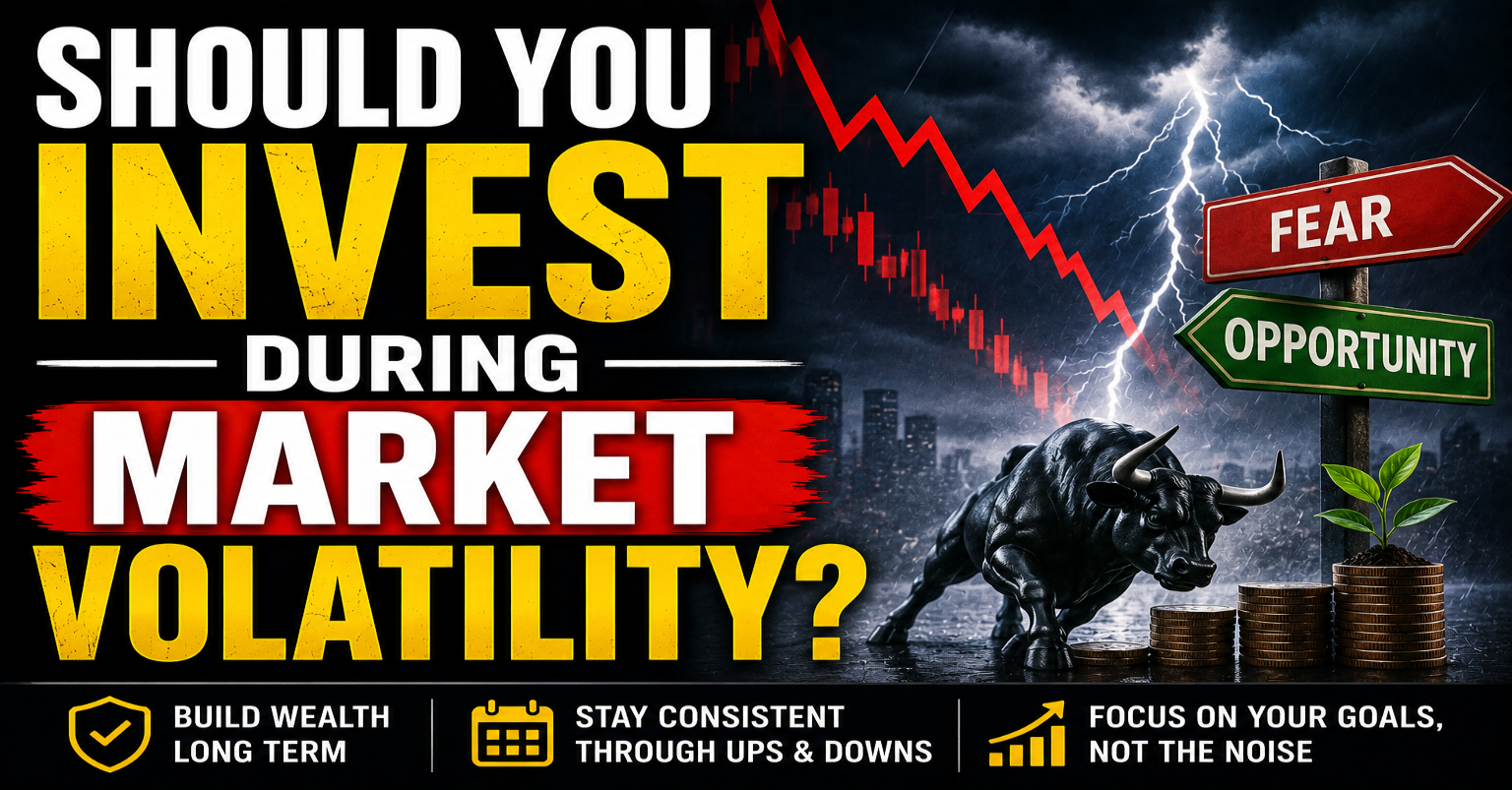
Introduction
Market volatility can make even experienced investors nervous.
One day, stock prices surge. The next day, they fall sharply. Headlines often predict uncertainty, while social media amplifies fear and speculation.
As a result, many investors ask the same question: Should you invest during market volatility?
The answer depends on your financial goals, risk tolerance, and investment timeline. However, history shows that volatility is a normal part of investing.
While market swings can feel uncomfortable, they may also create opportunities for disciplined investors.
In this guide, you’ll learn what market volatility means, why it happens, and how investors can approach uncertain markets with confidence.
What Is Market Volatility?
Market volatility refers to the rate at which investment prices move up or down.
When markets experience large price swings over a short period, volatility increases.
Several factors can trigger volatility, including:
- Economic data releases
- Interest rate changes
- Inflation concerns
- Corporate earnings reports
- Geopolitical events
- Investor sentiment
Although volatility often creates anxiety, it is not always a negative sign.
In many cases, market fluctuations simply reflect changing expectations about the economy and business conditions.
Why Investors Fear Volatility
People naturally dislike uncertainty.
When stock prices fall, investors may worry about losing money. Consequently, some sell investments to avoid further losses.
Unfortunately, emotional decisions often create bigger problems.
Investors who sell during downturns may miss future market recoveries.
Meanwhile, those who remain focused on long-term goals are often better positioned when markets stabilize.
Understanding this emotional challenge is an important part of successful investing.
Market Volatility Is Normal
Many investors assume that steady markets are normal and volatile markets are unusual.
In reality, market fluctuations occur regularly.
Throughout history, financial markets have experienced:
- Corrections
- Bear markets
- Economic recessions
- Interest rate cycles
- Geopolitical disruptions
Despite these events, markets have historically recovered and continued growing over longer periods.
Therefore, volatility should be viewed as part of the investing journey rather than a reason to abandon a financial plan.
Benefits of Investing During Volatility
Although volatility can feel uncomfortable, it may offer several advantages for long-term investors.
Let’s examine some of the potential benefits.
1. Lower Prices Can Create Opportunities
When markets decline, many quality investments become less expensive.
As a result, investors may be able to purchase shares at lower prices.
This does not guarantee future gains. However, buying investments at lower valuations can improve long-term return potential.
Many successful investors focus on value rather than short-term market sentiment.
Therefore, periods of volatility can present opportunities that are not available during strong bull markets.
2. Dollar-Cost Averaging Becomes More Effective
Dollar-cost averaging involves investing a fixed amount of money at regular intervals.
For example:
- Weekly investments
- Monthly contributions
- Automatic retirement account deposits
When prices decline, the same amount of money buys more shares.
Conversely, when prices rise, fewer shares are purchased.
Over time, this approach can reduce the impact of short-term market fluctuations.
As a result, many long-term investors continue investing even during volatile periods.
3. Long-Term Investors Can Benefit From Recovery
Market downturns often receive significant media attention.
However, recoveries receive less attention because they happen gradually.
Historically, investors who remain invested during difficult periods often participate in future market rebounds.
Although past performance does not guarantee future results, patience has rewarded many long-term investors.
This is why investment time horizon matters.
If your goal is decades away, short-term volatility may become less important.
4. Volatility Encourages Better Investing Habits
Periods of uncertainty often motivate investors to review their financial plans.
For example, volatility may encourage you to:
- Reassess risk tolerance.
- Improve diversification.
- Increase emergency savings.
- Reduce emotional decision-making.
- Focus on long-term goals.
Consequently, market turbulence can become a learning opportunity rather than a setback.
Investors who build disciplined habits during difficult periods often become more confident over time.
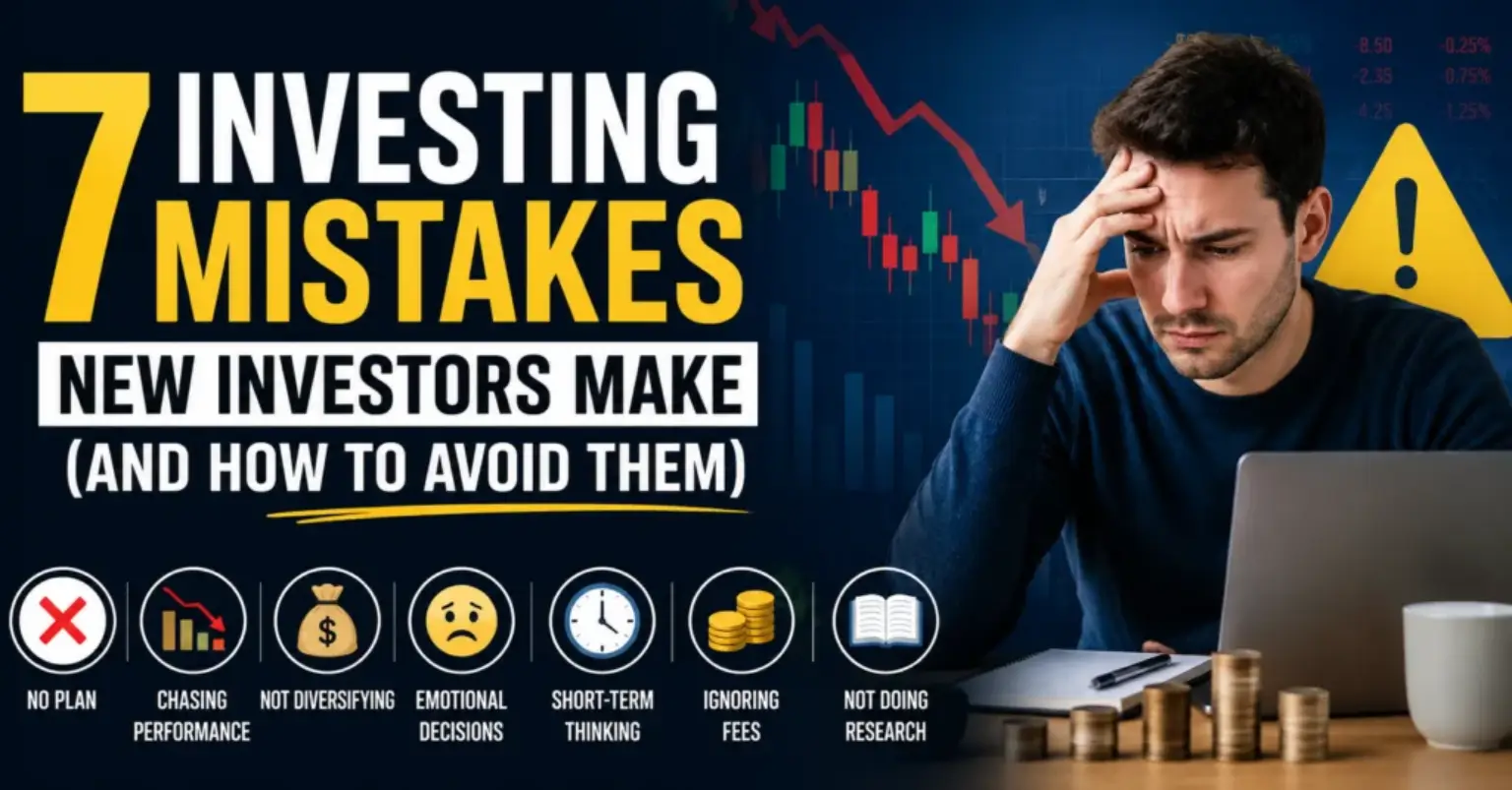
Common Mistakes Investors Make During Volatility
Volatility itself is not usually the biggest problem.
Instead, investor behavior often creates the greatest risk.
Some common mistakes include:
- Panic selling.
- Trying to time the market.
- Following social media hype.
- Ignoring diversification.
- Constantly checking portfolio values.
- Abandoning long-term plans.
Avoiding these mistakes can significantly improve investing outcomes.
Many costly investing errors happen during periods of uncertainty. Read our 7 Stock Market Mistakes That Cost Investors Thousands guide to learn how emotional decisions can damage long-term returns.
When You Should Be Careful About Investing
Although investing during market volatility can create opportunities, it is not the right approach for every situation.
Before investing more money, ask yourself a few important questions.
- Do I have an emergency fund?
- Can I leave this money invested for several years?
- Am I comfortable with temporary losses?
- Am I investing according to my financial plan?
If the answer to these questions is “yes,” you may be better prepared to invest during uncertain markets.
However, if you need the money soon, a more conservative strategy may be appropriate.
How to Invest During Market Volatility
Instead of reacting emotionally, focus on a disciplined investment process.
Here are several strategies that can help.
1. Continue Investing Regularly
Consistency is one of the strongest investing habits.
If possible, continue making regular contributions to your investment accounts.
Automatic investing removes emotion from the process and helps build long-term wealth.
2. Stay Diversified
A diversified portfolio spreads investments across different asset classes.
For example, your portfolio may include:
- U.S. stocks
- International stocks
- Index funds
- ETFs
- Bonds
- Cash reserves
Diversification cannot eliminate risk.
Nevertheless, it may reduce the impact of one investment performing poorly.
3. Avoid Emotional Decisions
Financial news often becomes more dramatic during market declines.
Consequently, many investors feel pressure to take immediate action.
Instead of reacting to headlines, review your long-term investment strategy.
Successful investing usually rewards patience rather than panic.
4. Review Your Risk Tolerance
Market volatility provides a good opportunity to evaluate your comfort with risk.
If large market swings keep you awake at night, your portfolio may carry more risk than you can comfortably handle.
Adjust your investments only after careful planning.
Avoid making major changes because of short-term fear.
5. Focus on Quality Investments
During uncertain markets, quality often becomes more important.
Look for investments with:
- Strong financial fundamentals
- Diversified business models
- Reasonable costs
- Long-term growth potential
Building a portfolio around quality investments may improve your confidence during periods of volatility.
Should Beginners Invest During Volatility?
Yes, many beginners can continue investing during volatile markets.
However, beginners should focus on simple strategies instead of trying to predict market movements.
Many financial professionals recommend:
- Diversified index funds
- ETFs
- Dollar-cost averaging
- Long-term investing
- Regular portfolio reviews
These approaches reduce complexity while encouraging disciplined investing.
Investor.gov, the official investor education website from the U.S. Securities and Exchange Commission (SEC), offers free resources on diversification, investment risk, market volatility, and long-term investing. Reviewing these educational materials can help investors make informed financial decisions during uncertain market conditions.
Frequently Asked Questions
Is market volatility bad for investors?
Not necessarily.
Volatility increases investment risk in the short term.
However, it may also create buying opportunities for investors with long-term goals.
Should I stop investing when the market falls?
Many long-term investors continue investing during market declines.
Consistent investing allows you to purchase investments at different price levels over time.
How long does market volatility usually last?
Every market cycle is different.
Some periods of volatility last only a few weeks, while others continue for several months.
No one can accurately predict how long market fluctuations will continue.
Is dollar-cost averaging a good strategy during volatility?
Many investors use dollar-cost averaging because it encourages consistent investing and reduces the temptation to time the market.
Final Thoughts
Market volatility is a normal part of investing.
Although price swings can feel uncomfortable, they do not automatically mean you should stop investing.
Instead, focus on your financial goals, investment timeline, and risk tolerance.
Building wealth often requires patience and discipline.
Short-term market movements will continue to happen.
However, a well-diversified portfolio and consistent investing strategy can help you stay on track.
Rather than reacting to every headline, concentrate on the factors you can control.
Over time, disciplined investing has helped many Americans build lasting financial security.