 MOHAMMAD ABUBAKR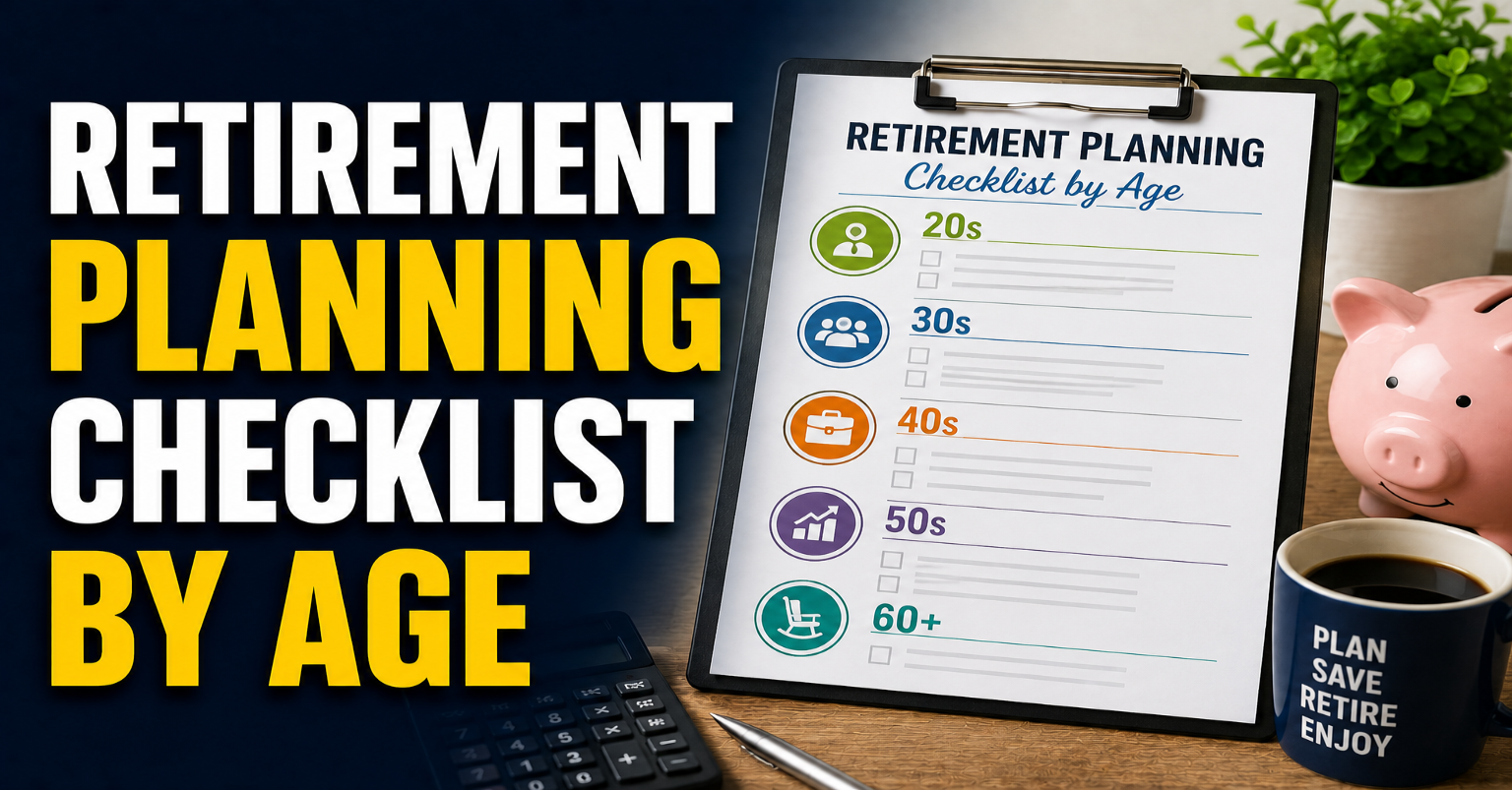
Retirement planning isn’t something you should put off until your 50s or 60s. In fact, the earlier you begin preparing, the easier it becomes to build long-term financial security. Every stage of life brings new opportunities and challenges. Therefore, your retirement strategy should evolve as your income, responsibilities, and financial goals change.
Whether you’re just starting your career or approaching retirement, having a clear roadmap can help you make smarter financial decisions. Instead of wondering if you’re saving enough, follow an age-based checklist to stay on track.
Ways to Increase Your Retirement Savings
In this guide, you’ll find a practical retirement planning checklist for every decade of adulthood, along with tips to help you maximize your savings and prepare for the future.
Why Retirement Planning Should Change With Age
Your financial priorities naturally change throughout life.
In your 20s, building good saving habits matters most. Later, you may focus on increasing retirement contributions, paying off debt, or protecting your assets.
By adjusting your strategy as you age, you can:
- Build wealth steadily
- Reduce financial stress
- Prepare for unexpected expenses
- Stay on track toward retirement goals
- Take advantage of compound growth
The earlier you begin, the more time your investments have to grow.
Retirement Planning Checklist in Your 20s
Your 20s are the ideal time to build a strong financial foundation.
Although retirement feels far away, time is your greatest asset.
Your Checklist
- Start contributing to a retirement account as early as possible.
- Take advantage of employer matching contributions.
- Build an emergency fund covering three to six months of expenses.
- Create a monthly budget.
- Pay off high-interest debt.
- Begin investing consistently, even if you can only contribute small amounts.
- Learn the basics of investing and personal finance.
Why It Matters
Starting early gives compound growth decades to work in your favor. Even modest monthly investments can grow significantly over time.
Retirement Planning Checklist in Your 30s
Your career is often gaining momentum during your 30s.
At the same time, expenses may increase because of homeownership, marriage, or raising children.
Your Checklist
- Increase retirement contributions whenever you receive a raise.
- Review your investment allocation.
- Continue building your emergency fund.
- Avoid lifestyle inflation.
- Protect your income with appropriate insurance coverage.
- Set clear retirement savings goals.
- Review beneficiary information on retirement accounts.
Why It Matters
Your earning potential often increases during this decade. Saving more now can have a major impact on your retirement balance.
Retirement Planning Checklist in Your 40s
Your 40s are an excellent time to evaluate your long-term financial progress.
You may still have plenty of time before retirement, but it’s important to stay focused.
Your Checklist
- Review retirement account balances.
- Increase savings if you’re behind your goals.
- Diversify your investment portfolio.
- Reduce unnecessary debt.
- Estimate future retirement expenses.
- Rebalance your portfolio annually.
- Continue investing consistently through market fluctuations.
Why It Matters
This decade often provides your highest earning years, making it a valuable opportunity to accelerate retirement savings.
Retirement Planning Checklist in Your 50s
Retirement begins to feel much closer.
Therefore, careful planning becomes even more important.
Your Checklist
- Maximize retirement account contributions whenever possible.
- Review your expected retirement income.
- Reduce major debts before retirement.
- Estimate healthcare costs.
- Review Social Security claiming strategies.
- Update your estate planning documents.
- Assess your risk tolerance and investment allocation.
Why It Matters
Your investment decisions now can significantly influence your retirement lifestyle.
Retirement Planning Checklist in Your 60s
Retirement may be just a few years away—or already underway.
The focus shifts toward protecting your savings while maintaining sustainable income.
Your Checklist
- Create a retirement income plan.
- Review withdrawal strategies.
- Evaluate healthcare and insurance needs.
- Delay claiming Social Security if it supports your goals.
- Maintain appropriate investment diversification.
- Review tax strategies for retirement withdrawals.
- Update your financial plan annually.
Why It Matters
A thoughtful withdrawal strategy helps your savings last throughout retirement.
Retirement Milestones to Aim For
While every person’s financial situation is different, these milestones can help measure your progress.
By Age 30
- Established emergency fund
- Consistent retirement contributions
- Good budgeting habits
- High-interest debt under control
By Age 40
- Increased retirement savings rate
- Diversified investment portfolio
- Clear retirement goals
- Growing investment balance
By Age 50
- Retirement strategy reviewed regularly
- Reduced outstanding debt
- Increased retirement contributions
- Estate planning documents started
By Age 60
- Retirement income strategy in place
- Healthcare costs estimated
- Withdrawal plan established
- Investment risk adjusted appropriately
Common Retirement Planning Mistakes
Avoiding these mistakes can improve your financial future.
Waiting Too Long to Start
Every year of delay reduces the power of compound growth.
Not Saving Enough
Small increases in contributions each year can make a significant difference over time.
Ignoring Investment Diversification
Holding too much of one investment increases unnecessary risk.
A diversified portfolio helps improve long-term stability.
Forgetting About Inflation
Retirement may last decades.
Your investments should continue supporting growth that helps offset rising living costs.
Failing to Review Your Plan
Your financial situation changes throughout life.
Annual reviews help keep your retirement strategy aligned with your goals.
Tips for Staying on Track
No matter your age, these habits support long-term success.
- Automate retirement contributions.
- Increase savings after every raise.
- Keep investment fees low.
- Maintain an emergency fund.
- Diversify your portfolio.
- Review your retirement accounts annually.
- Avoid emotional investment decisions.
- Continue learning about personal finance.
Consistent habits often matter more than trying to achieve perfect investment timing.
Frequently Asked Questions
When should I start planning for retirement?
The best time to begin is as early as possible. Starting in your 20s provides more time for compound growth.
How often should I review my retirement plan?
Most financial professionals recommend reviewing your retirement strategy at least once a year or after major life events.
Should my investments change as I get older?
Yes. Many investors gradually reduce portfolio risk as retirement approaches. However, your investment allocation should always match your financial goals and risk tolerance.
How much should I save for retirement?
The ideal amount depends on your expected retirement lifestyle, income, and future expenses. Increasing your contributions consistently is one of the most effective strategies.
Is it ever too late to improve retirement savings?
No. Although starting early offers advantages, increasing your savings today can still strengthen your retirement outlook.
Final Thoughts
Retirement planning isn’t about reaching a single financial milestone—it’s about making steady progress throughout your life. Each decade presents new opportunities to improve your financial future, whether you’re building savings in your 20s or preparing for retirement income in your 60s.
By following this retirement planning checklist by age, reviewing your goals regularly, and increasing your savings whenever possible, you’ll be better prepared for the years ahead. Remember, consistency and discipline often have a greater impact than trying to make perfect financial decisions.
U.S. Department of Labor – Retirement Planning Resources