 MOHAMMAD ABUBAKR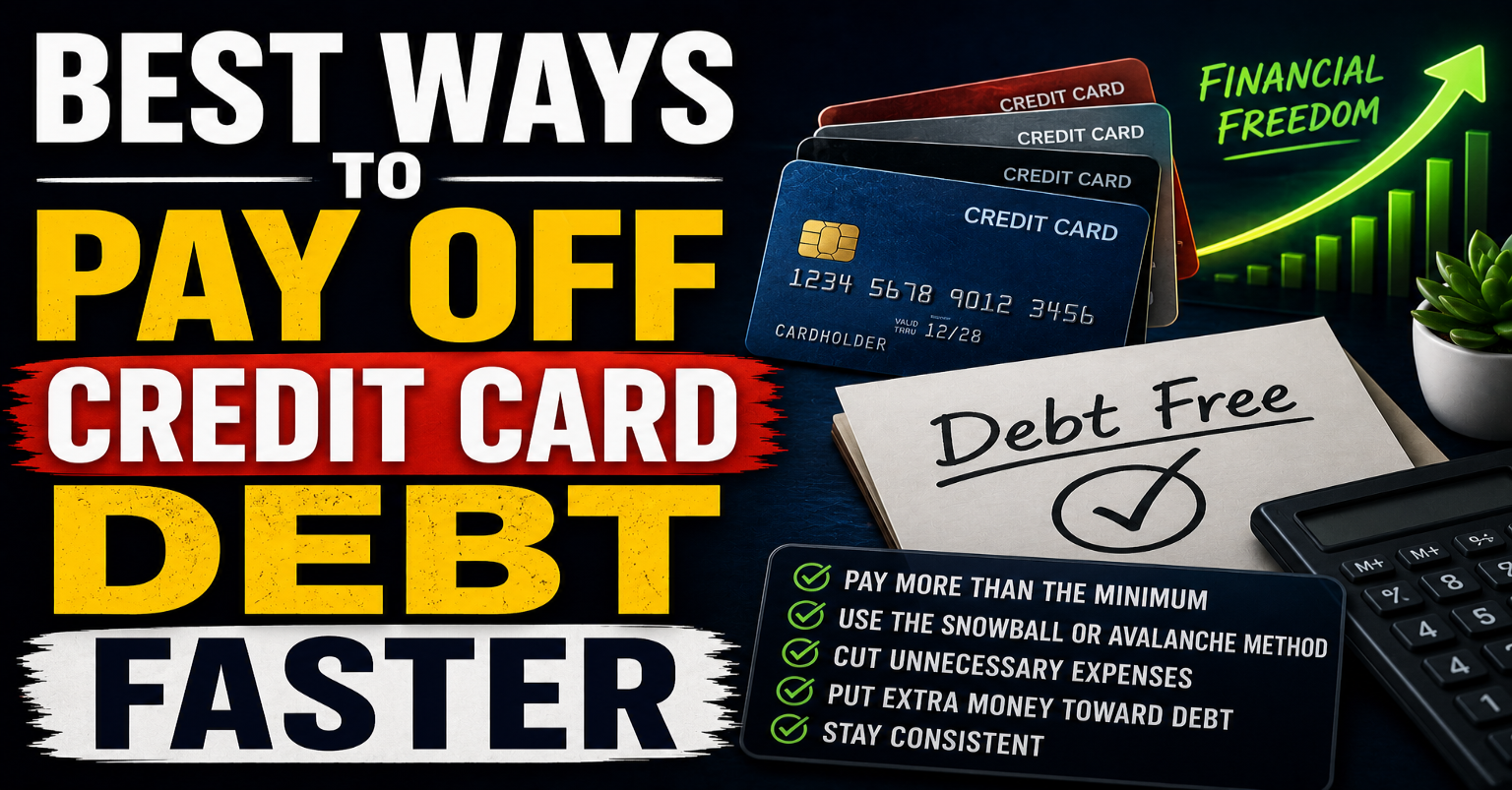
Introduction
Credit card debt can feel overwhelming. High interest rates make it difficult to reduce your balance, especially when you only make the minimum payment. As interest continues to build, paying off debt may take years and cost much more than you originally borrowed.
The good news is that you can take control of your finances with the right strategy. Paying off credit card debt faster is not just about making larger payments. It also involves creating a budget, reducing unnecessary expenses, and staying consistent with your repayment plan.
Whether you have one credit card or several, the following strategies can help you become debt-free sooner while improving your overall financial health.
Why Credit Card Debt Grows So Quickly
Credit cards are convenient, but they can become expensive when balances remain unpaid.
Most credit cards charge interest on unpaid balances every month. If you make only the minimum payment, a large portion of your payment may go toward interest instead of reducing the actual debt.
As a result, your balance decreases very slowly.
Other factors that increase credit card debt include:
- High interest rates
- Late payment fees
- New purchases while carrying a balance
- Missing monthly payments
- Using a large percentage of your credit limit
Understanding how debt grows is the first step toward paying it off faster.
1. Stop Adding New Debt
Before paying off existing balances, avoid making new credit card purchases whenever possible.
Continuing to use your credit cards while trying to eliminate debt makes progress much slower.
Instead:
- Use cash or a debit card for everyday purchases.
- Remove saved credit cards from online shopping accounts.
- Delay unnecessary purchases until your balances are paid off.
Breaking the cycle of new debt is one of the most important steps toward financial freedom.
2. Create a Realistic Budget
A budget helps you find extra money for debt payments.
Start by listing your:
- Monthly income
- Housing costs
- Utilities
- Food
- Transportation
- Insurance
- Entertainment
- Other expenses
Next, identify areas where you can reduce spending.
Even small savings can be redirected toward paying down your credit card balances faster.
Consistency matters more than making dramatic changes.
3. Pay More Than the Minimum Payment
Making only the minimum payment keeps you in debt much longer.
Whenever possible, pay more than the required minimum.
Even an additional $50 or $100 each month can reduce both your repayment time and the total interest you pay.
If your income increases, consider applying part of every raise or bonus directly to your credit card debt.
Small extra payments can make a meaningful difference over time.
4. Use the Debt Avalanche Method
The debt avalanche method focuses on saving the most money in interest.
Here’s how it works:
- Continue making the minimum payment on all credit cards.
- Put any extra money toward the card with the highest interest rate.
- After paying off that card, move to the next highest interest rate.
This strategy may take patience, but it can reduce the total amount of interest paid.
5. Try the Debt Snowball Method
Some people stay motivated by seeing quick progress.
The debt snowball method focuses on paying off the smallest balance first.
The process looks like this:
- Make minimum payments on every credit card.
- Put extra money toward the smallest balance.
- After paying it off, roll that payment into the next smallest balance.
Although this approach may cost slightly more in interest, many people find that early wins help them stay committed to becoming debt-free.
Paying off debt is only part of improving your financial health. Read our 7 Credit Card Mistakes That Are Destroying Your Credit Score in 2026 guide to learn how to avoid habits that can damage your credit score while you’re working toward becoming debt-free.
6. Consider a Balance Transfer Card
If you have good credit, a balance transfer credit card may help reduce interest costs.
Many balance transfer cards offer a 0% introductory annual percentage rate (APR) for a limited time.
This can give you an opportunity to pay down your balance faster because more of your payment goes toward the principal instead of interest.
Before transferring a balance, review:
- The balance transfer fee
- The promotional period
- The regular interest rate after the promotion ends
Use this strategy only if you have a plan to pay off the balance before the introductory period expires.
7. Consolidate Your Debt
If you have multiple credit card balances, debt consolidation may simplify repayment.
Debt consolidation combines several debts into one monthly payment.
Depending on your credit profile, you may also qualify for a lower interest rate.
However, compare all fees and loan terms before choosing this option.
The goal is to reduce your repayment costs, not extend your debt.
8. Ask for a Lower Interest Rate
Many people never ask their credit card issuer for a lower interest rate.
If you have a good payment history and a strong credit score, your issuer may be willing to reduce your APR.
Even a small rate reduction can lower your interest costs over time.
Before calling, be prepared to explain:
- Your payment history
- Your current financial situation
- Any competitive offers from other credit card companies
The request costs nothing, and it may save you money.
9. Make Extra Payments Whenever Possible
Large monthly payments are helpful, but small extra payments also make a difference.
Whenever you receive additional income, consider applying part of it to your credit card balance.
Examples include:
- Tax refunds
- Work bonuses
- Freelance income
- Cash gifts
- Side hustle earnings
Every extra payment reduces your balance and helps lower future interest charges.
10. Automate Your Payments
Missing a payment can lead to late fees, higher interest rates, and damage to your credit score.
Automatic payments help you stay on schedule.
You can automate:
- Minimum monthly payments
- Full statement balances
- Fixed extra payments
Automation reduces the risk of missed due dates and keeps your repayment plan moving forward.
Common Mistakes to Avoid
Many people unknowingly make repayment harder by following poor financial habits.
Avoid these common mistakes:
- Paying only the minimum balance.
- Continuing to use credit cards while paying off debt.
- Ignoring high interest rates.
- Missing payment due dates.
- Closing old credit cards immediately after paying them off.
- Borrowing more money before eliminating existing debt.
Avoiding these mistakes can help you become debt-free more quickly.
Where to Get Help With Credit Card Debt
If you’re struggling to manage credit card debt, reliable financial education can help.
Government agencies and nonprofit organizations offer practical tools for budgeting, debt repayment, and credit management.
Learning more about your options can help you create a realistic plan and avoid costly mistakes.
The Consumer Financial Protection Bureau (CFPB) provides free educational resources on managing credit cards, reducing debt, improving credit, and creating a budget. Its tools can help you make informed financial decisions.
Frequently Asked Questions
What is the fastest way to pay off credit card debt?
The fastest approach depends on your financial situation. Many people use the debt avalanche method to reduce interest costs, while others prefer the debt snowball method for quicker psychological wins.
Should I close my credit card after paying it off?
Not always. Keeping an account open may help maintain your available credit and support your credit utilization ratio. However, consider your overall financial habits before making a decision.
Can paying off credit card debt improve my credit score?
Yes. Lower credit card balances can reduce your credit utilization ratio, which is an important factor in most credit scoring models. Paying on time consistently can also strengthen your credit history.
Is debt consolidation a good idea?
Debt consolidation may help if it lowers your interest rate or simplifies your payments. Compare all costs and loan terms before deciding.
Final Thoughts
Paying off credit card debt takes time, discipline, and consistency. However, every extra payment moves you closer to financial freedom.
Start by creating a realistic budget, stop adding new debt, and choose a repayment strategy that fits your goals. Small improvements made every month can lead to significant progress over time.
The sooner you take action, the sooner you can reduce interest costs, improve your credit profile, and free up money for saving and investing.