 MOHAMMAD ABUBAKR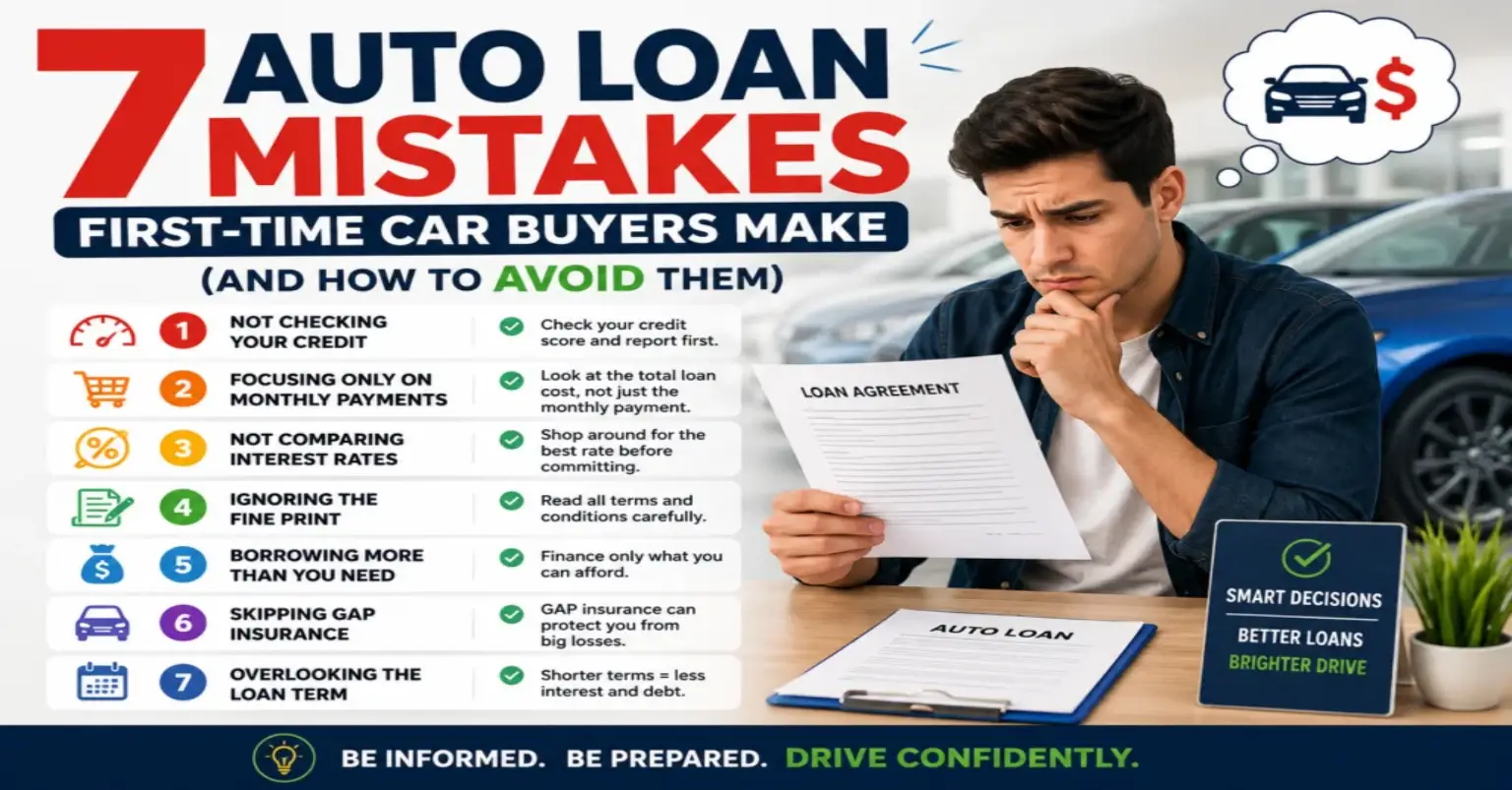
Buying your first car is exciting.
For many Americans, it’s a major milestone that provides freedom, convenience, and independence. But while most first-time buyers focus on choosing the right vehicle, they often overlook one of the most important parts of the purchase: the auto loan.
A small financing mistake can end up costing thousands of dollars over the life of a loan.
In 2026, with vehicle prices and borrowing costs still elevated compared to historical averages, avoiding common auto loan mistakes has become more important than ever.
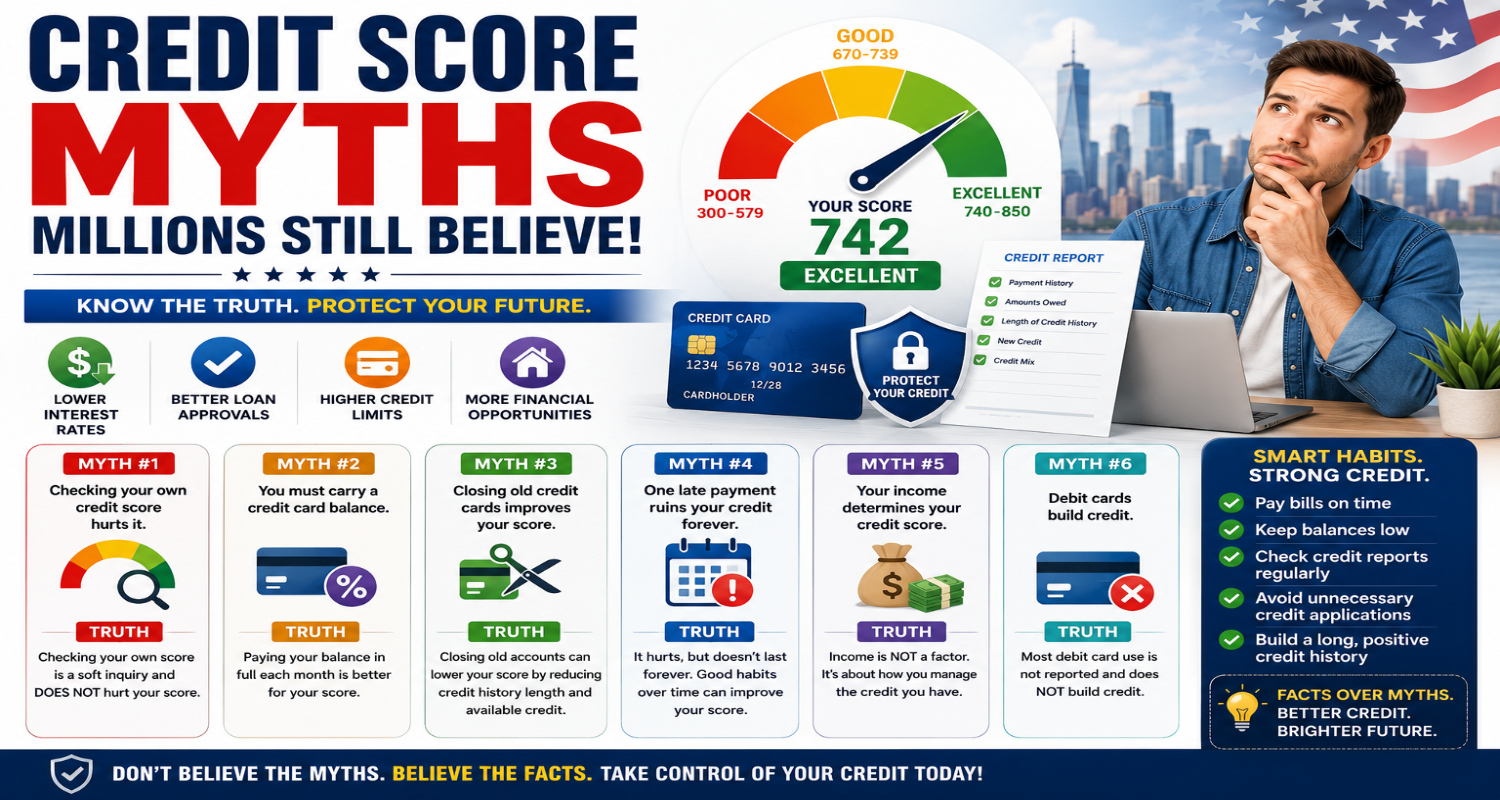
Your credit score can play a major role in determining the interest rate you’ll receive on an auto loan.
Before signing any paperwork, make sure you’re not making one of these seven costly mistakes.
Why Auto Loan Decisions Matter
Many first-time buyers focus only on the monthly payment.
That’s understandable—but it’s not enough.
Your auto loan affects:
- Monthly budget
- Total vehicle cost
- Interest expenses
- Credit score
- Future financial flexibility
Making smart financing decisions today can save significant money over the coming years.
1. Shopping for a Car Before Knowing Your Budget
One of the biggest mistakes first-time buyers make is visiting dealerships before determining how much they can realistically afford.
It’s easy to fall in love with a vehicle that’s outside your budget.
Unfortunately, emotional decisions often lead to financial stress later.
What to Do Instead
Before shopping:
- Review your monthly income
- Calculate expenses
- Consider insurance costs
- Factor in fuel and maintenance
- Determine a comfortable payment amount
A vehicle should fit your budget—not stretch it to the limit.
2. Focusing Only on the Monthly Payment
Dealerships often ask:
“What monthly payment are you looking for?”
While monthly payments matter, they don’t tell the whole story.
A lower payment can sometimes mean:
- A longer loan term
- More interest paid
- Higher overall vehicle cost
Two loans may have similar monthly payments but dramatically different total costs.
Always review:
- Loan term
- Interest rate
- Total amount financed
- Total repayment cost
3. Not Checking Your Credit Score Before Applying
Your credit score plays a major role in determining your loan terms.
Many first-time buyers apply without knowing where they stand.
This can lead to:
- Higher interest rates
- Loan denials
- Less favorable financing offers
Why It Matters
Borrowers with stronger credit profiles often qualify for:
- Lower APRs
- Better loan options
- Lower monthly payments
Checking your credit beforehand gives you time to address any issues.
Consumers can review their credit reports for free through the official website authorized by federal law.
4. Skipping Loan Preapproval
Many buyers rely solely on dealership financing.
While dealership financing can sometimes be competitive, it’s not always the best option.
Preapproval allows you to:
- Compare offers
- Understand your budget
- Strengthen negotiating power
- Avoid surprises during the purchase process
Having financing lined up before visiting a dealership can help you focus on the car rather than the financing pressure.
5. Choosing an Extremely Long Loan Term
Longer loan terms can make vehicles appear more affordable.
However, extending repayment periods often increases total borrowing costs.
Common risks include:
- More interest paid
- Slower equity building
- Greater risk of being upside down on the loan
An upside-down loan occurs when you owe more than the vehicle is worth.
This situation can create problems if you need to sell or trade in the car.
6. Ignoring the Total Cost of Ownership
The vehicle price is only one part of the equation.
First-time buyers frequently underestimate ongoing expenses.
These include:
- Insurance premiums
- Registration fees
- Maintenance
- Fuel costs
- Repairs
A car with a manageable loan payment can still strain your finances if ownership costs are too high.
Before buying, estimate the vehicle’s total annual expenses—not just the financing costs.
7. Failing to Read the Loan Agreement Carefully
Excitement often causes buyers to rush through paperwork.
This can be an expensive mistake.
Before signing, carefully review:
- Interest rate
- Loan term
- Fees
- Prepayment penalties
- Optional products and add-ons
Ask questions about anything you don’t understand.
Never feel pressured to sign immediately.
Understanding your agreement is one of the best ways to avoid unexpected costs.
Bonus Mistake: Buying More Car Than You Need
Many first-time buyers purchase vehicles based on wants rather than needs.
A luxury model or fully loaded trim package may seem appealing, but it can dramatically increase financing costs.
Ask yourself:
- Will this vehicle fit my long-term budget?
- Am I choosing features I genuinely need?
- Could a less expensive model meet my goals?
Keeping emotions in check can help protect your finances.
How to Get the Best Auto Loan in 2026
If you’re preparing to buy your first vehicle, consider these strategies:
Improve Your Credit
Even a modest credit score improvement can lower borrowing costs.
Save for a Down Payment
A larger down payment may:
- Reduce monthly payments
- Lower interest expenses
- Improve loan approval odds
Compare Multiple Lenders
Never accept the first offer without comparison shopping.
Keep Loan Terms Reasonable
Shorter loan terms often reduce total interest costs.
Understand Every Fee
Transparency matters when comparing financing options.
Signs You’re Getting a Good Auto Loan
A strong auto loan generally includes:
- Competitive interest rates
- Affordable monthly payments
- Manageable loan terms
- Minimal fees
- No unnecessary add-ons
The best loan isn’t always the one with the lowest payment—it’s the one that minimizes total borrowing costs while fitting comfortably into your budget.
The Bottom Line
First-time car buyers often spend weeks researching vehicles but only minutes reviewing financing.
That’s a mistake that can become expensive.
Shopping without a budget, focusing only on monthly payments, skipping preapproval, choosing long loan terms, and overlooking ownership costs are among the most common auto loan mistakes in 2026.
The good news is that these mistakes are completely avoidable.
By understanding how auto financing works and comparing your options carefully, you can secure a better loan, save money on interest, and enjoy your first vehicle without unnecessary financial stress.
Borrowers should also compare different financing options before making a decision.
A smart car purchase isn’t just about finding the right vehicle—it’s about finding the right financing as well.