 MOHAMMAD ABUBAKR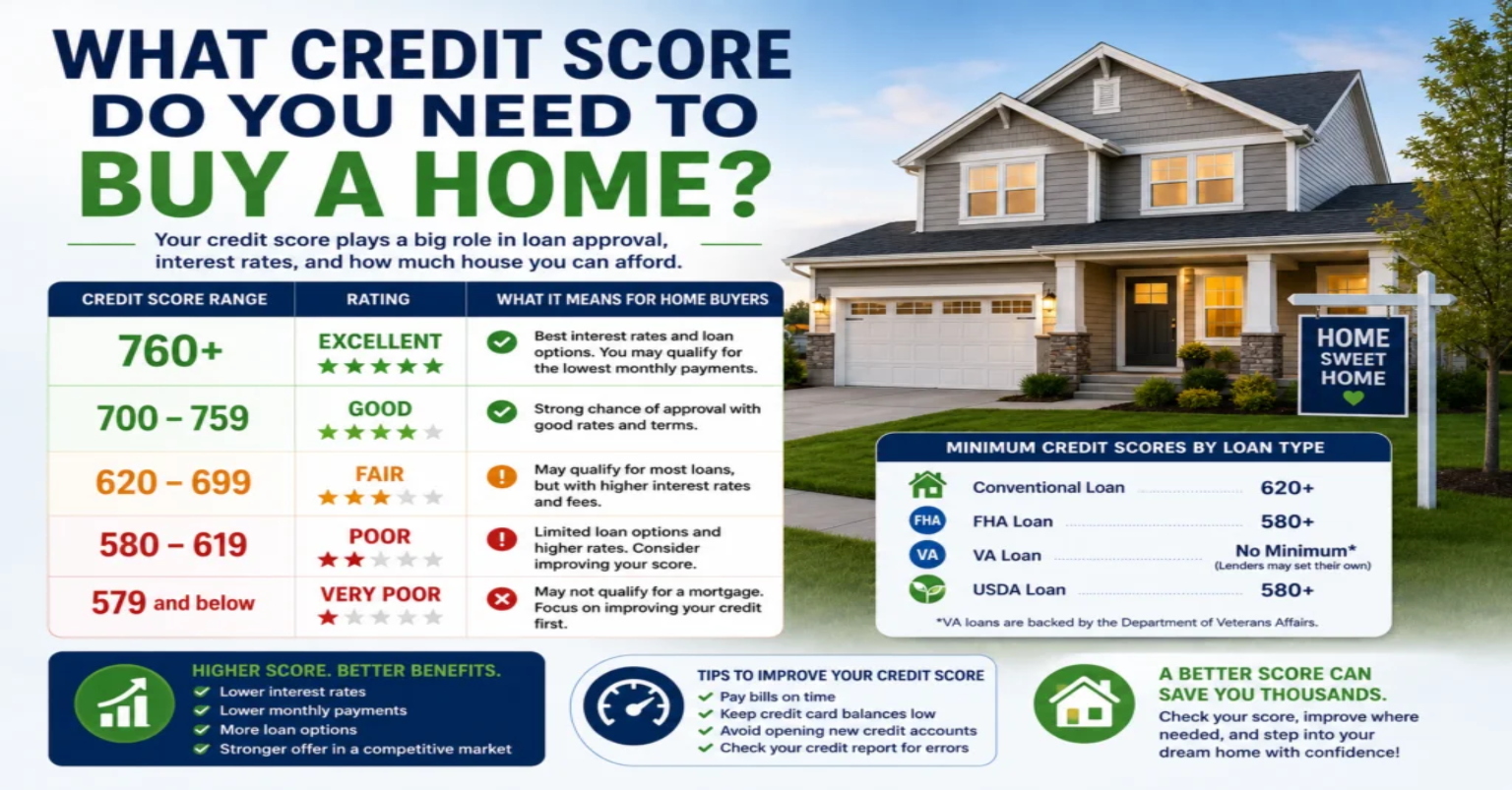
Buying a home is one of the biggest financial decisions most Americans will ever make. Before you start searching for your dream house, it’s important to understand how your credit score can affect your mortgage options.
Many first-time buyers assume they need perfect credit to qualify for a home loan. Fortunately, that’s not true. While a higher credit score can help you secure better mortgage rates, several loan programs are available for borrowers with less-than-perfect credit.
So, what credit score do you need to buy a home in 2026?
The answer depends on the type of mortgage, the lender, and your overall financial profile.
Let’s break down everything you need to know.
Why Your Credit Score Matters When Buying a Home
A credit score is a number that helps lenders evaluate your ability to repay borrowed money.
Mortgage lenders use your credit score to determine:
- Loan eligibility
- Interest rates
- Loan terms
- Down payment requirements
- Mortgage insurance costs
Generally, borrowers with higher credit scores receive more favorable loan terms.
As a result, improving your credit score before applying for a mortgage can save thousands of dollars over the life of your loan.
Understanding the credit score requirements for different financial goals can help you create a stronger financial plan before applying for a mortgage.
What Is Considered a Good Credit Score?
Credit scores typically range from 300 to 850.
Here’s a general breakdown:
| Credit Score Range | Rating |
|---|---|
| 800–850 | Exceptional |
| 740–799 | Very Good |
| 670–739 | Good |
| 580–669 | Fair |
| Below 580 | Poor |
While mortgage approval is possible with various scores, higher scores usually provide better financing opportunities.
Minimum Credit Score Requirements by Loan Type
Different mortgage programs have different credit requirements.
Conventional Loans
Conventional loans are among the most common mortgage options.
Most lenders require a minimum credit score of 620.
However, borrowers with scores above 740 often qualify for the best interest rates.
Typical requirements:
- Minimum score: 620
- Preferred score: 680+
- Best rates: 740+
Therefore, improving your score before applying may significantly reduce borrowing costs.
FHA Loans
Federal Housing Administration (FHA) loans are designed to help buyers with lower credit scores.
General FHA requirements include:
- 580+ credit score for a 3.5% down payment
- 500–579 credit score with a 10% down payment
Because FHA loans are more flexible, they remain popular among first-time homebuyers.
Buyers can review the official FHA loan eligibility guidelines to better understand current qualification requirements and down payment rules.
VA Loans
VA loans are available to eligible veterans, active-duty service members, and certain military spouses.
The government does not establish a minimum credit score requirement.
However, most lenders prefer scores between:
- 580 and 620
VA loans offer several benefits, including:
- No down payment requirement
- Competitive interest rates
- No private mortgage insurance (PMI)
As a result, VA loans are often considered one of the best mortgage options for eligible borrowers.
USDA Loans
USDA loans help qualified buyers purchase homes in eligible rural and suburban areas.
Most lenders prefer a minimum credit score of 640.
Benefits include:
- No down payment
- Competitive mortgage rates
- Lower borrowing costs
Therefore, USDA loans can provide an affordable path to homeownership for many buyers.
Can You Buy a Home with Bad Credit?
Yes, it is possible.
Although lower credit scores may limit options, homeownership is not necessarily out of reach.
Many lenders also evaluate:
- Income stability
- Employment history
- Debt-to-income ratio
- Savings
- Down payment amount
Consequently, a lower credit score does not automatically result in a mortgage denial.
However, borrowers with lower scores often pay higher interest rates.
How Credit Scores Affect Mortgage Rates
Your credit score influences more than approval.
It also impacts how much you’ll pay over time.
For example:
Two borrowers may purchase identical homes.
However, the borrower with a higher credit score may receive a lower interest rate.
As a result:
- Monthly payments may be lower.
- Total interest costs may be lower.
- Long-term savings may be substantial.
Even a small difference in mortgage rates can save tens of thousands of dollars over the life of a loan.
Other Factors Mortgage Lenders Consider
While credit score is important, it is only one part of the mortgage approval process.
Debt-to-Income Ratio (DTI)
Lenders compare monthly debt obligations to monthly income.
A lower DTI generally improves approval chances.
Employment History
Stable employment demonstrates reliable income.
Most lenders prefer at least two years of consistent employment.
Down Payment
A larger down payment can strengthen your application.
It may also reduce borrowing costs.
Savings and Reserves
Lenders like borrowers who maintain emergency savings after closing.
This provides additional financial security.
Therefore, strengthening these areas can improve your mortgage application even if your credit score is not perfect.
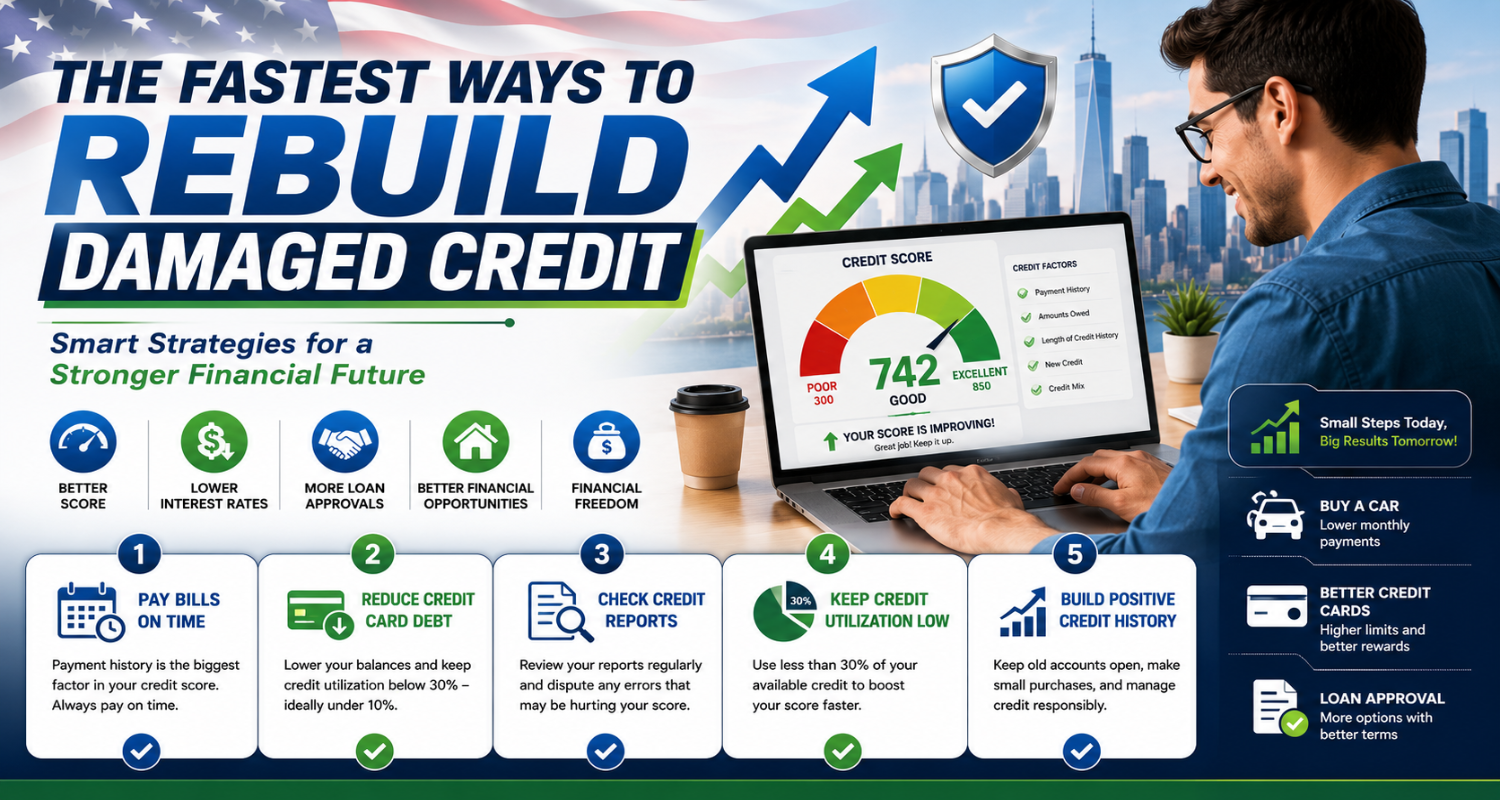
How to Improve Your Credit Score Before Applying
If you’re planning to buy a home in the future, improving your credit score can be worthwhile.
Pay Bills on Time
Payment history is one of the most important credit factors.
Late payments can significantly damage your score.
Reduce Credit Card Balances
Lower credit utilization often improves credit scores.
Try to keep balances well below available limits.
Avoid Opening New Accounts
Multiple new credit accounts can temporarily lower your score.
Therefore, avoid unnecessary borrowing before applying for a mortgage.
Check Your Credit Reports
Review reports for errors or inaccurate information.
Correcting mistakes may improve your score.
Keep Older Accounts Open
Long credit histories generally benefit your credit profile.
As a result, maintaining older accounts can help your score.
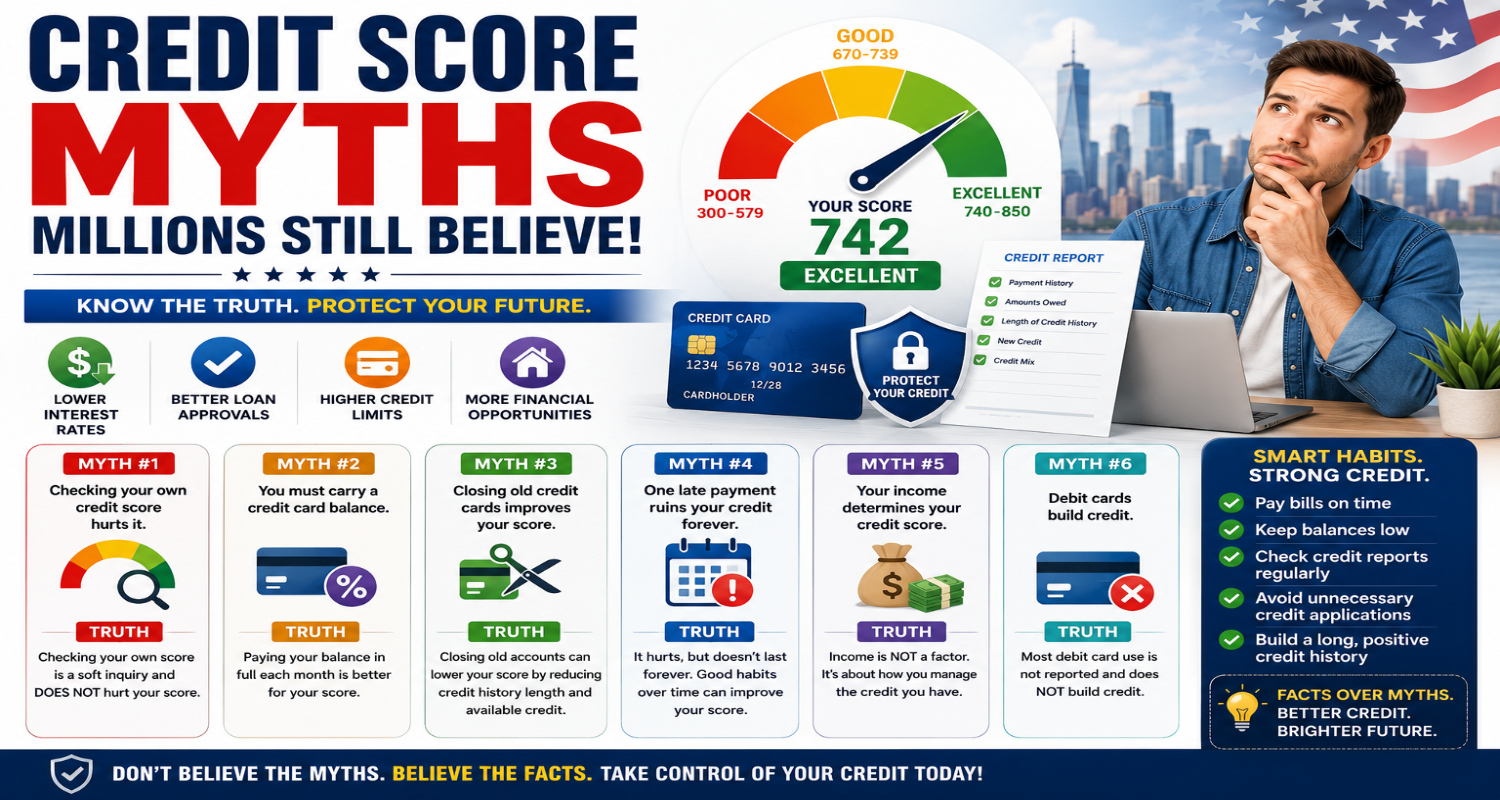
Common Credit Score Myths
Many homebuyers misunderstand how credit scores affect mortgage approval.
Myth #1: You Need Perfect Credit
You do not need an 800 credit score to buy a home.
Many borrowers qualify with scores in the 600s.
Myth #2: Checking Your Own Score Hurts It
Checking your personal credit score usually does not affect your credit rating.
Myth #3: Paying Off Debt Instantly Fixes Credit
Improving credit takes time.
Although reducing debt helps, significant score improvements may take several months.
Tips for First-Time Homebuyers
If you’re preparing to purchase your first home, consider these steps:
- Review your credit score early
- Pay down high-interest debt
- Save for a down payment
- Build an emergency fund
- Compare multiple lenders
- Avoid large purchases before closing
These actions can strengthen your financial profile and improve approval chances.
What Credit Score Should You Aim For?
While minimum requirements vary, many experts recommend aiming for a credit score of at least 700 before buying a home.
A score in this range often provides:
- Better interest rates
- More loan options
- Lower monthly payments
- Reduced borrowing costs
Although homeownership is possible with lower scores, higher scores usually create more financial advantages.
Final Thoughts
So, what credit score do you need to buy a home?
For most conventional mortgages, a minimum score of 620 is required. However, FHA loans may allow scores as low as 500, while VA and USDA loans offer additional flexibility for qualified borrowers.
That said, the best mortgage rates typically go to borrowers with scores of 740 or higher.
If you’re planning to purchase a home in 2026, improving your credit score now can increase your approval chances and potentially save thousands of dollars over the life of your mortgage.
Ultimately, your credit score is not just a number. It’s a powerful financial tool that can help make homeownership more affordable and accessible.