 MOHAMMAD ABUBAKR
Millions of Americans use a card every single day.
Some use a credit card. Others prefer a debit card. However, many people don’t fully understand the difference between the two.
At first glance, they look almost identical. You can tap, swipe, or shop online with either one. Nevertheless, the way they work behind the scenes is completely different.
In fact, choosing the wrong card could cost you money, reduce your financial flexibility, and even hurt your credit-building opportunities.
On the other hand, choosing the right card can help you earn rewards, improve your credit score, and protect your purchases.
So, which card should you use in 2026?
The answer depends on your spending habits, financial goals, and money management skills.
Let’s break down everything you need to know.
Credit Card vs Debit Card: Quick Answer
If you pay your bills on time and avoid carrying debt, a credit card is usually the better choice.
Why?
Because credit cards can help you:
- Build your credit score
- Earn cashback rewards
- Receive stronger fraud protection
- Access travel benefits
- Get purchase protection
However, debit cards still offer important advantages.
They can help you:
- Stay on budget
- Avoid debt
- Control spending
- Manage money more easily
Therefore, many financial experts recommend using both cards strategically.
What Is a Credit Card?
A credit card allows you to borrow money from a bank or card issuer.
When you make a purchase, the lender pays the merchant first. Later, you repay the amount.
If you pay the full balance before the due date, you usually won’t owe interest.
As a result, many Americans use credit cards for daily purchases while earning rewards at the same time.
Major Benefits of Credit Cards
Credit cards offer several powerful advantages.
These include:
- Cashback rewards
- Travel points
- Airline miles
- Hotel perks
- Purchase protection
- Fraud protection
- Credit score building
Furthermore, some premium cards provide airport lounge access and travel insurance.
What Is a Debit Card?
A debit card works differently.
Instead of borrowing money, it takes funds directly from your checking account.
For example, if you have $1,000 in your account, that’s generally the maximum amount you can spend.
There is no borrowing involved.
Because of this, debit cards make budgeting much easier.
As a result, many people prefer debit cards for everyday spending.
Major Benefits of Debit Cards
Debit cards offer:
- No debt risk
- No interest charges
- Better spending control
- Easy budgeting
- Direct access to cash
In addition, most checking accounts include a debit card at no extra cost.
The Biggest Difference Between Credit Cards and Debit Cards
The biggest difference is simple.
A credit card uses borrowed money.
A debit card uses your own money.
This single difference affects everything from rewards and fraud protection to budgeting and credit scores.
Here’s a quick comparison:
| Feature | Credit Card | Debit Card |
|---|---|---|
| Uses Borrowed Money | Yes | No |
| Uses Bank Balance | No | Yes |
| Builds Credit Score | Yes | No |
| Cashback Rewards | Often | Rarely |
| Interest Charges | Possible | None |
| Fraud Protection | Strong | Good |
| Debt Risk | Higher | Lower |
| Travel Benefits | Common | Limited |
Therefore, your choice should depend on your financial priorities.
Why More Americans Are Choosing Credit Cards in 2026
Credit cards continue to grow in popularity.
One major reason is rewards.
Many modern cards offer:
- Up to 5% cashback
- Travel rewards
- Hotel points
- Airline miles
- Purchase protection
For example, someone spending $2,000 per month on a 2% cashback card could earn nearly $500 per year.
That’s essentially free money for purchases you were already planning to make.
Furthermore, many cards provide additional travel and shopping benefits.
Because of these perks, credit cards have become more attractive than ever.
The Hidden Advantage Most Debit Card Users Overlook
Although credit cards get most of the attention, debit cards have one major advantage.
They make it harder to overspend.
Since purchases come directly from your checking account, you’re limited by the money you actually have.
As a result, debt becomes much less likely.
This can be especially helpful for:
- Students
- Young adults
- Families on a budget
- People recovering from debt
Therefore, debit cards remain one of the simplest tools for managing money responsibly.
Which Card Is Safer?
When it comes to security, credit cards usually have the edge.
If a thief steals your credit card information, fraudulent charges generally don’t come directly from your bank account.
However, debit card fraud can temporarily reduce your available funds while the bank investigates.
Because of this, many experts recommend using credit cards for:
- Online shopping
- Travel bookings
- Hotel reservations
- Subscription services
- Large purchases
In addition, many credit cards include zero-liability fraud protection.
That extra layer of security gives consumers greater peace of mind.
Which Card Helps Build Credit?
This category has a clear winner.
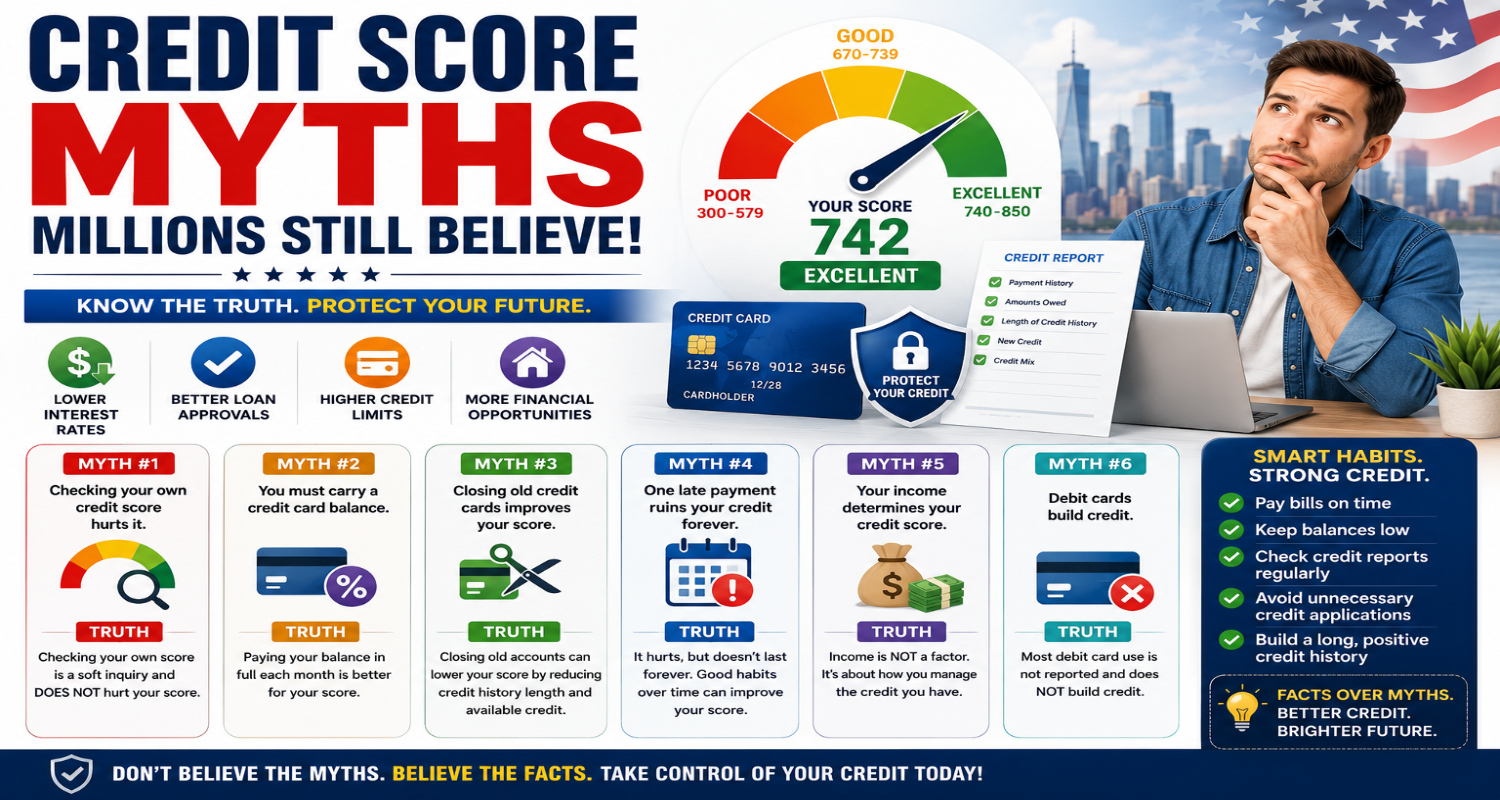
Credit cards help build credit history.
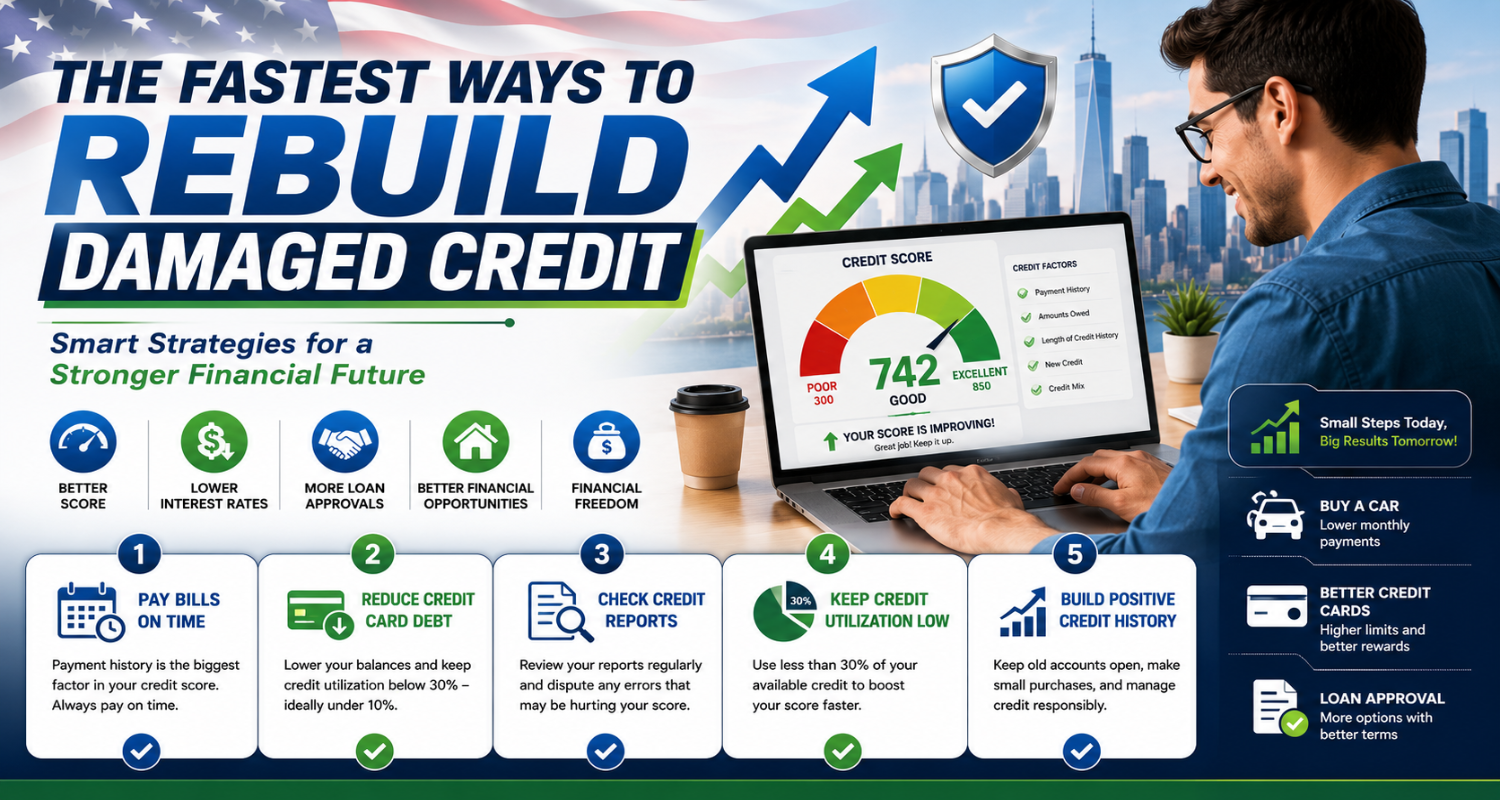
Each on-time payment can strengthen your credit profile.
A better credit score may help you:
- Qualify for loans
- Get lower interest rates
- Secure better mortgage terms
- Receive higher credit limits
Meanwhile, debit cards do not help build credit because no borrowing is involved.
Therefore, people focused on improving their credit score often choose credit cards.
Which Card Is Better for Budgeting?
If your main goal is budgeting, debit cards often perform better.
Because purchases immediately affect your bank balance, spending is easier to track.
In addition, there is less temptation to buy things you can’t afford.
Credit cards can also be used responsibly. However, they require more discipline.
As a result, many consumers prefer debit cards when trying to control expenses.
Credit Card Pros and Cons
Pros
✔ Earn cashback rewards
✔ Build credit history
✔ Strong fraud protection
✔ Travel perks
✔ Purchase protection
✔ Extended warranties
Cons
✘ Risk of debt
✘ Possible interest charges
✘ Annual fees on some cards
✘ Can encourage overspending
Debit Card Pros and Cons
Pros
✔ No debt risk
✔ No interest charges
✔ Easier budgeting
✔ Better spending control
✔ Direct access to cash
Cons
✘ No credit-building benefits
✘ Limited rewards
✘ Fewer travel perks
✘ Less fraud protection in some cases
Who Should Choose a Credit Card?
A credit card may be the best option if you:
✔ Pay balances in full every month
✔ Want cashback rewards
✔ Travel frequently
✔ Want stronger fraud protection
✔ Need to build credit
Furthermore, responsible users can enjoy all these benefits without paying interest.
Who Should Choose a Debit Card?
A debit card may be the better choice if you:
✔ Want to avoid debt completely
✔ Prefer strict spending limits
✔ Focus on budgeting
✔ Have trouble controlling spending
✔ Want simple money management
Therefore, debit cards remain a smart choice for many households.
The Smartest Strategy in 2026
Fortunately, you don’t have to choose only one card.
Many financially successful Americans use both.
For example:
- Use a credit card for rewards and purchase protection.
- Pay the balance in full every month.
- Use a debit card for ATM withdrawals and budgeting.
This strategy allows you to enjoy rewards while avoiding unnecessary debt.
As a result, you get the best of both worlds.
Final Verdict: Credit Card vs Debit Card
For most Americans, credit cards offer more advantages in 2026.
They help build credit, provide valuable rewards, and offer stronger fraud protection.
However, these benefits only matter if you use your card responsibly.
If you regularly carry a balance, interest charges can quickly outweigh any rewards you earn.
Meanwhile, debit cards remain an excellent option for people who prioritize budgeting and debt avoidance.
Ultimately, the smartest approach is simple.
Use a credit card for rewards and protection. Keep a debit card for budgeting and cash withdrawals.
That combination can help you maximize benefits while maintaining financial control.