 MOHAMMAD ABUBAKR
Buying a home has always been one of the biggest financial decisions a person can make. However, in 2026, many Americans are making the same costly mistake. As a result, they are paying more than necessary, stretching their budgets too far, and creating financial stress that can last for years.
Home prices remain high in many markets. At the same time, mortgage rates continue to impact affordability. Because of these factors, buyers must be more careful than ever. Yet many people are still focusing on one thing only: whether they can qualify for a mortgage.
Unfortunately, that approach can lead to serious problems.
The biggest home buying mistake in 2026 is purchasing a home based on the maximum loan amount a lender approves rather than what comfortably fits within a long-term budget.
While getting approved for a large mortgage may seem exciting, it does not mean the payment is affordable. Consequently, many homeowners find themselves struggling with monthly expenses shortly after moving in.
Why This Mistake Is So Common
Most buyers begin their home search by talking to a lender. During that process, they learn how much money they can borrow.
Naturally, many assume that the approved amount represents a safe budget. However, lenders calculate approvals based on formulas that may not reflect real-life spending habits.
For example, a lender may approve someone for a home that requires a monthly payment of $3,500. Yet that buyer may also have:
- Student loans
- Credit card debt
- Childcare expenses
- Car payments
- Rising insurance costs
- Everyday living expenses
As a result, the mortgage payment can become difficult to manage.
Furthermore, inflation continues to affect household budgets in 2026. Therefore, buyers who stretch their finances too thin may have little room for unexpected expenses.
The Hidden Costs of Homeownership
Many buyers focus only on the mortgage payment. However, owning a home involves several additional costs.
These expenses include:
Property Taxes
Property taxes have increased in many parts of the United States. Therefore, homeowners may face higher monthly housing costs than expected.
Home Insurance
Insurance premiums continue to rise because of severe weather events and increasing repair costs. Consequently, many homeowners are paying significantly more than they did just a few years ago.
Maintenance and Repairs
Every home requires maintenance. Whether it is a roof repair, HVAC replacement, or plumbing issue, costs can add up quickly.
Experts often recommend setting aside at least 1% to 2% of the home’s value each year for maintenance.
HOA Fees
Many communities charge homeowners association fees. Although these fees may seem manageable at first, they can increase over time.
Because of these hidden expenses, buyers who max out their mortgage budgets often feel financial pressure soon after purchasing a home.
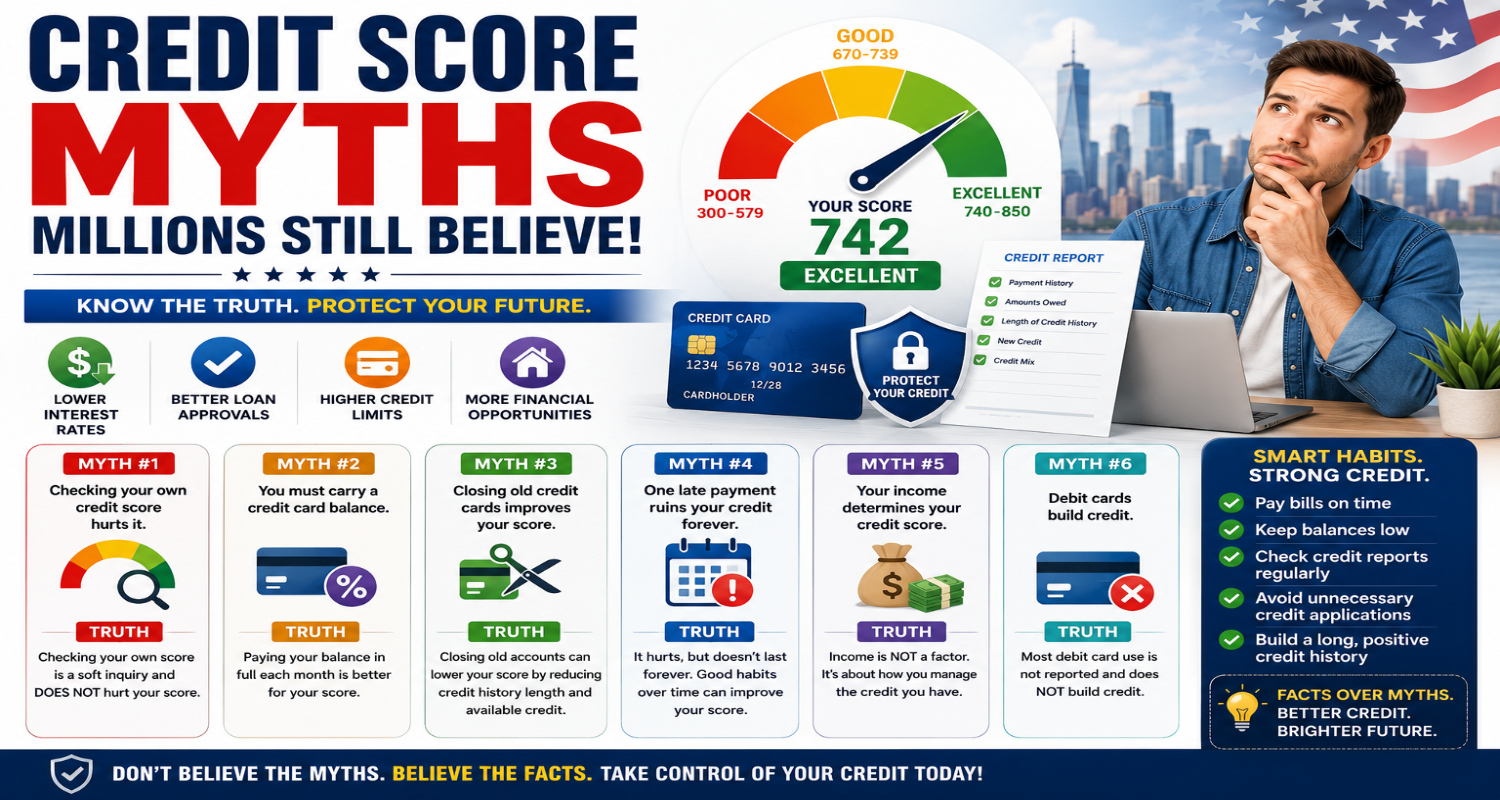
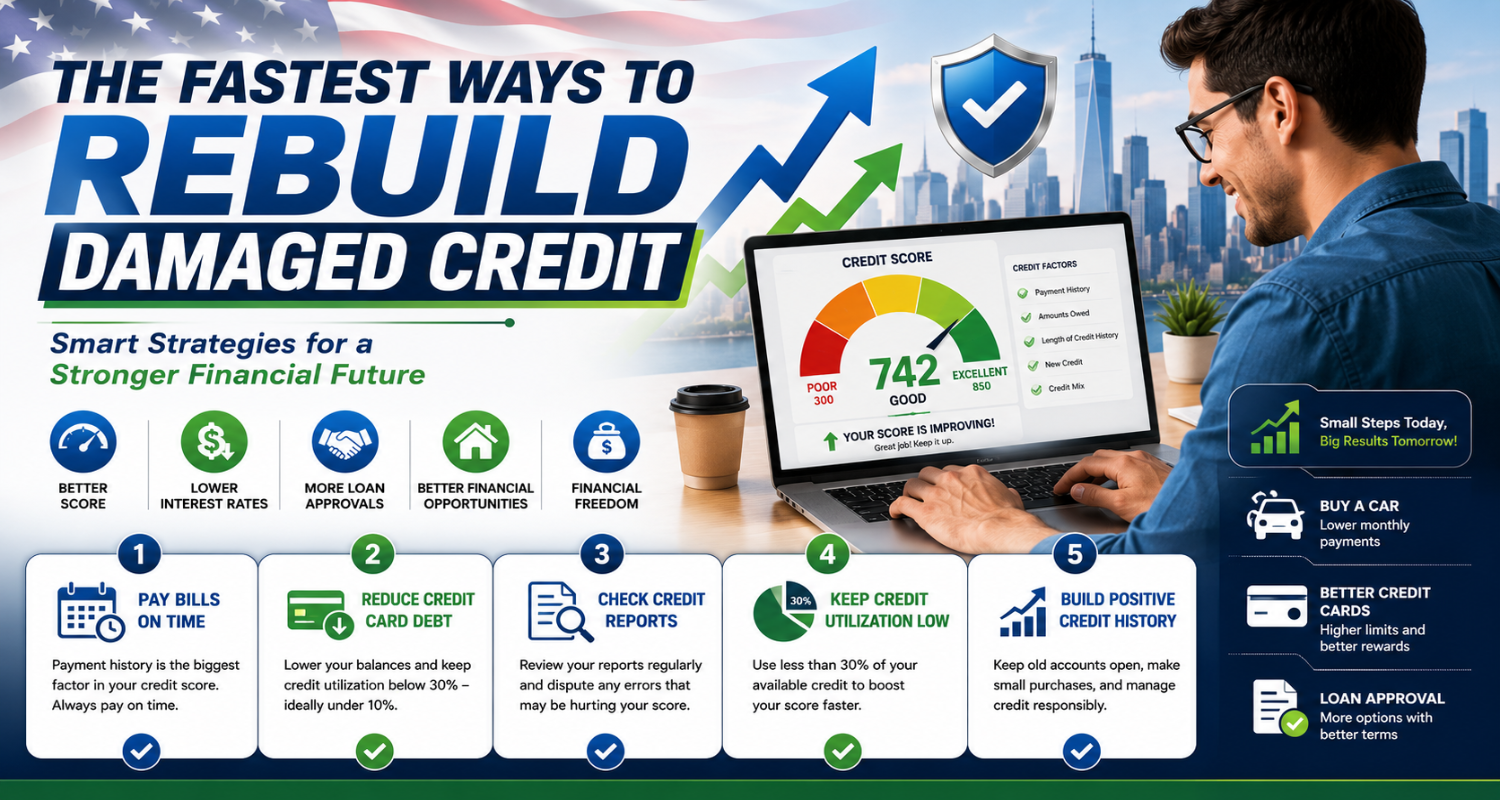
Understanding what credit score you need to buy a home can also help buyers qualify for better mortgage rates and reduce long-term housing costs.
How the 2026 Housing Market Is Influencing Buyers
The housing market in 2026 presents unique challenges.
First, inventory remains limited in many desirable locations. As a result, competition continues to push prices higher.
Buyers can review the latest housing market statistics and affordability trends published by the National Association of Realtors.
Second, mortgage rates remain above the ultra-low levels seen during previous years. Therefore, monthly payments are significantly higher than they were for buyers in the early 2020s.
Third, many Americans fear that waiting could make homes even more expensive. Consequently, they rush into purchases without fully evaluating their finances.
While these concerns are understandable, emotional decisions often lead to financial mistakes.
Instead, buyers should focus on affordability rather than fear of missing out.
Signs You May Be Buying Too Much House
Not sure whether a home fits your budget? Watch for these warning signs.
You Have Little Savings After Closing
If purchasing a home leaves you with almost no emergency fund, you may be taking on too much risk.
Unexpected expenses can happen at any time. Therefore, maintaining cash reserves is essential.
You Depend on Future Raises
Many buyers assume their income will increase over time.
While that may happen, there are no guarantees. As a result, buying based on future earnings can be risky.
Your Housing Costs Exceed Comfort Levels
If your mortgage payment causes anxiety before you even move in, it may be a sign that the home is too expensive.
Financial comfort matters just as much as qualification.
You Cannot Continue Investing
Homeownership should not completely replace retirement savings.
If a mortgage payment prevents you from investing for the future, the purchase may be stretching your budget too far.
A Better Home Buying Strategy
Instead of asking, “How much can I borrow?” ask, “How much can I comfortably afford?”
That small shift can make a huge difference.
Here are several smart strategies.
Create a Complete Monthly Budget
Before shopping for homes, calculate:
- Income
- Debt payments
- Utilities
- Insurance
- Food expenses
- Transportation costs
- Savings goals
Then determine how much remains for housing.
Keep an Emergency Fund
Financial experts generally recommend maintaining three to six months of living expenses.
This cushion can help protect homeowners from unexpected setbacks.
Consider Future Expenses
Life changes quickly.
For example, you may:
- Start a family
- Change jobs
- Move to a new city
- Face medical expenses
Therefore, your home payment should allow flexibility.
Shop Below Your Maximum Approval
Just because a lender approves a certain amount does not mean you should spend it.
Many financially successful homeowners deliberately buy less house than they can afford.
As a result, they enjoy lower stress and greater financial freedom.
Why Affordable Homes Often Win
Many buyers believe a more expensive home automatically represents a better investment.
However, affordability creates opportunities.
Lower monthly payments can allow homeowners to:
- Save more money
- Invest for retirement
- Travel
- Start businesses
- Pay off debt faster
- Handle emergencies more easily
Therefore, buying within your means often leads to stronger long-term financial outcomes.
In many cases, the best home is not the most expensive one. Instead, it is the one that supports your overall financial goals.
What First-Time Home Buyers Should Remember
First-time buyers face unique challenges in 2026. However, avoiding this common mistake can improve their financial future.
Remember these key principles:
- Focus on affordability, not approval limits.
- Maintain emergency savings.
- Budget for repairs and maintenance.
- Consider future financial goals.
- Avoid emotional purchases.
- Leave room for unexpected expenses.
By following these guidelines, buyers can make smarter decisions and reduce financial stress.
Final Thoughts
Most Americans are making this home buying mistake in 2026 because they focus on the maximum mortgage they can obtain rather than the home they can comfortably afford.
Although lenders may approve large loan amounts, that does not guarantee long-term financial success. Instead, buyers should evaluate their complete financial picture before making a purchase.
A home should provide security, comfort, and stability. Most importantly, it should support your financial future rather than limit it.
As the housing market continues to evolve, affordability remains the smartest strategy. Therefore, before signing a mortgage, make sure the home fits your life, your goals, and your budget—not just your lender’s approval.