 MOHAMMAD ABUBAKR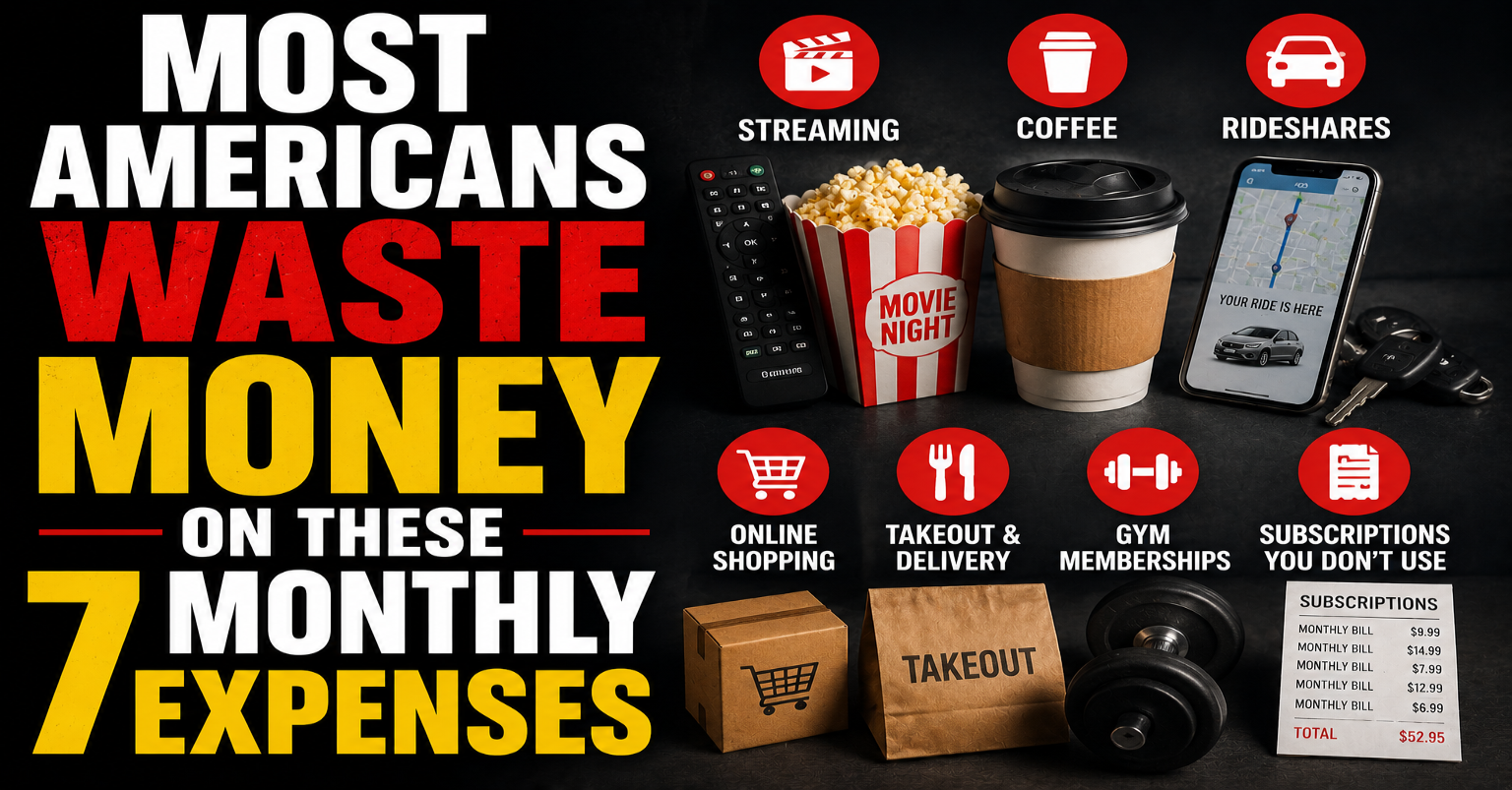
Meta Title: 7 Monthly Expenses Americans Waste Money On in 2026
Meta Description: Discover the 7 monthly expenses draining Americans’ budgets in 2026 and learn simple ways to cut costs, save money, and improve your finances.
Most Americans Waste Money on These 7 Monthly Expenses
Many Americans wonder where their money goes each month. In fact, it often feels like a paycheck disappears almost as soon as it arrives.
Because prices remain high, many households are looking for ways to save. However, the problem is not always a big purchase.
Instead, small monthly expenses often cause the most damage. Over time, these costs add up. As a result, they can take hundreds or even thousands of dollars from your budget each year.
The good news is that many of these expenses are easy to fix. Let’s look at seven monthly costs that may be wasting your money in 2026.
1. Unused Streaming Subscriptions
Streaming services are now part of daily life. However, many people pay for services they rarely watch.
For example, you may subscribe to four or five platforms but only use one regularly.
Because each subscription seems inexpensive, many people ignore the cost. However, those small charges add up quickly.
How to Save Money
- Cancel services you have not used recently.
- Rotate subscriptions throughout the year.
- Use family plans when available.
As a result, you can keep more money in your budget each month.
2. Food Delivery Fees
Food delivery apps are convenient. However, convenience often comes with extra costs.
Most orders include:
- Delivery fees
- Service fees
- Tips
- Higher menu prices
For example, a meal that costs $15 at a restaurant may cost $25 through a delivery app.
How to Save Money
Instead of ordering delivery, pick up your food when possible.
Also, try cooking at home more often. As a result, you can save hundreds of dollars each year.
3. Premium Cell Phone Plans
Many Americans pay for expensive phone plans. However, they often use only a small portion of the features.
In many cases, lower-cost plans provide similar service.
Signs You May Be Overpaying
- You rarely exceed your data limit.
- You pay for features you never use.
- You have not compared plans in years.
How to Save Money
Review your phone bill regularly.
Then compare prices from other providers. In many cases, switching plans can lower your monthly expenses.
4. Gym Memberships You Don’t Use
Many people join a gym with the best intentions. However, attendance often drops after a few weeks.
Even so, the monthly charges continue.
As a result, many Americans spend hundreds of dollars each year on memberships they barely use.
How to Save Money
Ask yourself a simple question:
Do I actually use this membership?
If the answer is no, consider:
- Home workouts
- Walking programs
- Community fitness centers
After all, the best fitness plan is one you will actually follow.
5. Credit Card Interest Charges
Credit card interest is one of the most expensive monthly costs.
Many people make only the minimum payment. As a result, balances remain high.
Over time, interest charges can become a major burden.
How to Save Money
- Pay more than the minimum amount.
- Focus on high-interest balances first.
- Avoid adding new debt whenever possible.
Even small extra payments can make a big difference.
6. Impulse Online Shopping
Online shopping is easier than ever. Because of this, many people buy things they do not really need.
For example, flash sales and limited-time offers can encourage quick decisions.
However, impulse purchases often lead to regret later.
How to Save Money
Try using the 24-hour rule.
Before buying a non-essential item, wait one day.
In many cases, you will decide you do not need it after all.
7. Expensive Coffee and Convenience Purchases
A daily coffee may not seem expensive. However, the cost adds up over time.
For example:
- $6 per coffee
- About $30 per week
- More than $1,500 per year
The same is true for bottled drinks and convenience store snacks.
How to Save Money
- Make coffee at home.
- Carry a reusable water bottle.
- Pack snacks before leaving home.
Although these changes seem small, they can save a surprising amount of money.
Why Small Monthly Expenses Matter
Many people focus on large financial decisions. However, small expenses can have a bigger impact than expected.
Because these costs repeat every month, they continue to grow over time.
For example:
| Monthly Savings | Annual Savings |
|---|---|
| $25 | $300 |
| $50 | $600 |
| $100 | $1,200 |
| $250 | $3,000 |
| $500 | $6,000 |
As you can see, even small savings can make a meaningful difference.
Over time, redirecting those savings into investments can help build wealth, even if you’re starting with a small amount of money.
How to Find Hidden Money Leaks
If you want to save more money, start by reviewing your spending.
First, check your bank statements.
You can also use the Consumer Financial Protection Bureau’s budgeting resources to better track spending and identify recurring expenses.
Next, review your credit card transactions.
Then, look for automatic payments you may have forgotten about.
As a result, you may find several expenses you can eliminate right away.
Smart Alternatives That Save Money
Cutting costs does not mean giving up everything you enjoy.
Instead, look for lower-cost alternatives.
For example:
- Cook meals at home instead of ordering delivery.
- Share subscription plans with family members.
- Choose a lower-cost phone provider.
- Exercise at home when possible.
These small changes are often easier to maintain.
Final Thoughts
Most Americans waste money on small monthly expenses, not major purchases.
However, those small expenses can add up quickly.
The good news is that you can start saving immediately. First, identify unnecessary spending. Then, reduce or eliminate those costs.
As a result, you can free up more money for savings, investing, and debt repayment.
In the end, financial success is not only about earning more money. It is also about keeping more of the money you already earn.