
 MOHAMMAD ABUBAKR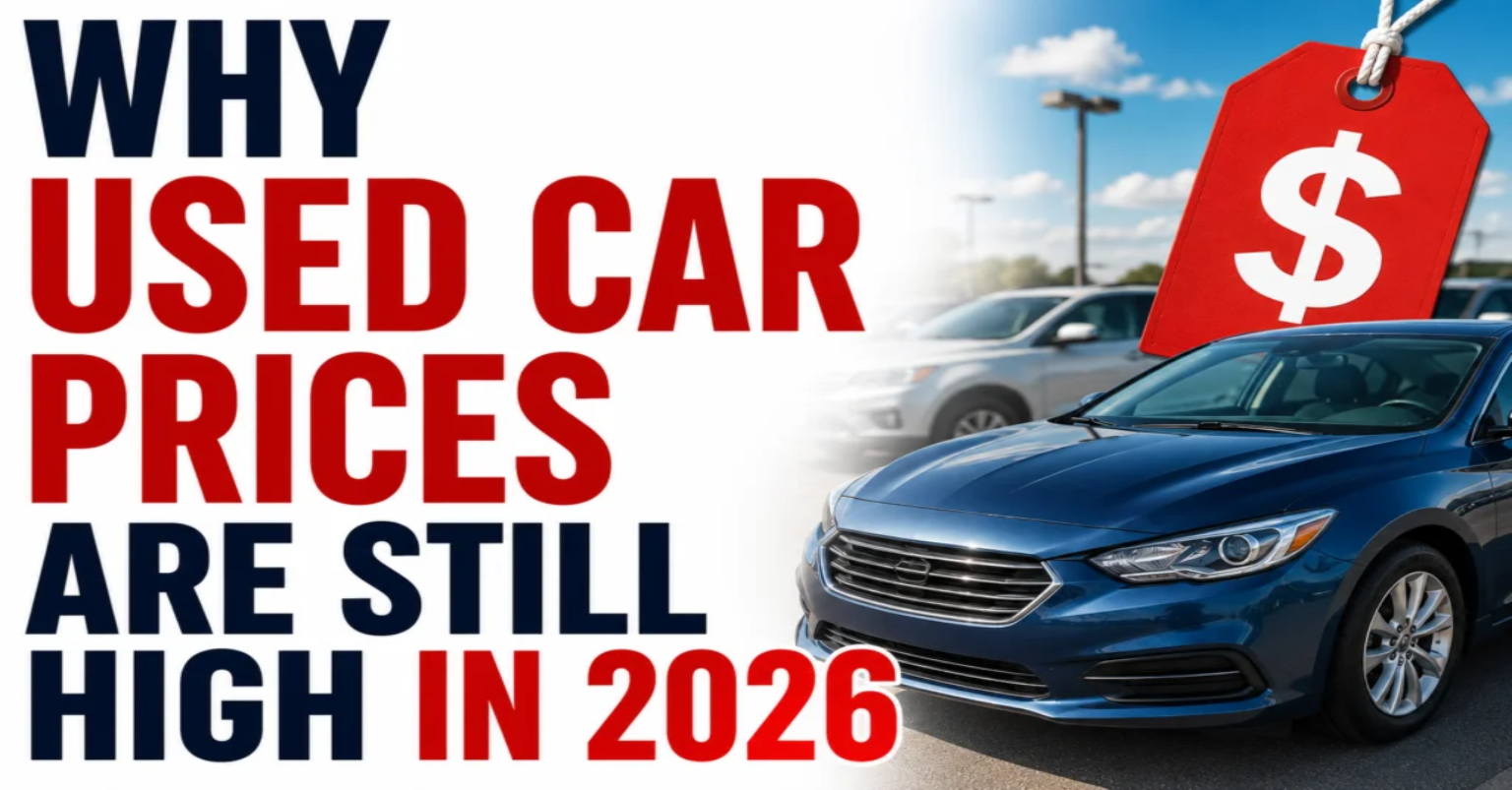
Many Americans expected used car prices to return to normal by now. After all, the supply chain disruptions and inventory shortages that shook the auto industry began years ago. Yet in 2026, used vehicles remain surprisingly expensive.
Whether you’re shopping for a reliable sedan, a family SUV, or a pickup truck, chances are you’ve noticed higher-than-expected prices. In some cases, used vehicles are still selling for thousands of dollars more than buyers anticipated.
So, why are used car prices still high in 2026?
The answer involves several factors. New car prices remain elevated. Interest rates continue to affect affordability. In addition, vehicle supply is still not fully balanced with consumer demand.
Let’s examine the key reasons behind today’s used car market and what buyers can expect moving forward.
New Cars Are Still Expensive
One major reason used vehicle prices remain high is the cost of new vehicles.
Over the past several years, automakers have increased prices across many segments. Trucks, SUVs, and even compact cars now cost significantly more than they did before the pandemic years.
As a result, many consumers simply cannot afford a new vehicle.
Instead, they turn to the used market.
Because more shoppers are competing for pre-owned vehicles, demand remains strong. Consequently, sellers can maintain higher prices than many buyers would prefer.
High Interest Rates Affect Buyer Decisions
Interest rates continue to influence the auto market.
Although rates have stabilized compared to previous years, financing costs remain higher than many consumers became accustomed to during the low-rate era.
A new vehicle with a large loan can produce a substantial monthly payment.
Therefore, many buyers seek less expensive alternatives.
Used cars often provide a lower purchase price. Even so, increased demand keeps prices elevated.
As a result, consumers looking to save money frequently end up competing with thousands of other buyers for the same vehicles.
Fewer Late-Model Used Cars Are Available
Vehicle supply remains an important issue.
Several years ago, automakers produced fewer vehicles due to supply chain disruptions and semiconductor shortages. Because fewer new vehicles were sold during those years, fewer used vehicles are entering the market today.
This creates a ripple effect.
Normally, dealerships rely on trade-ins, lease returns, and fleet sales to maintain inventory. However, lower production during previous years reduced the number of vehicles now available as used inventory.
Consequently, supply remains tighter than many experts expected.
When supply is limited and demand remains strong, prices stay high.
Americans Are Keeping Their Cars Longer
Consumer behavior has also changed.
More Americans are holding onto their vehicles for 10 years or longer. Many drivers have decided that keeping a paid-off vehicle makes more financial sense than replacing it.
In fact, there are several financial and practical reasons why more Americans are choosing to keep their vehicles longer than previous generations.
As a result, fewer vehicles enter the used car market.
This trend reduces available inventory while demand continues.
Therefore, buyers face fewer choices, which helps support higher prices.
In many ways, longer ownership periods have become a major factor in today’s used vehicle market.
Reliable Vehicles Are More Valuable Than Ever
Modern vehicles last longer than previous generations.
Many cars and trucks can now exceed 200,000 miles with proper maintenance. Because reliability has improved, consumers are increasingly willing to purchase older vehicles.
A vehicle with 80,000 or even 100,000 miles is no longer viewed as being near the end of its life.
Instead, buyers often see years of remaining service.
Consequently, demand extends across a broader range of used vehicles.
That additional demand helps keep prices elevated.
Pickup Trucks and SUVs Remain in High Demand
Consumer preferences continue to influence pricing.
Americans love trucks and SUVs. These vehicles dominate both new and used markets.
Unfortunately for buyers, strong demand often means higher prices.
Popular models frequently retain value exceptionally well. In some regions, clean used trucks remain difficult to find at reasonable prices.
Therefore, competition among buyers remains intense.
As long as demand stays strong, sellers have little incentive to reduce prices significantly.
Fleet Operators Are Buying More Used Vehicles
Businesses also contribute to market demand.
Many companies use commercial vehicles for deliveries, transportation, construction, and service work.
Rather than purchasing expensive new vehicles, some businesses choose quality used inventory.
This creates additional competition in the marketplace.
As a result, individual consumers often compete directly with commercial buyers.
Consequently, prices remain higher than many shoppers expect.
Vehicle Repair Costs Have Increased
Repair expenses have risen in recent years.
Parts, labor, and diagnostic services all cost more than they did several years ago.
Because replacement costs are increasing, consumers become more willing to pay higher prices for dependable used vehicles.
A reliable used car may still seem like a bargain compared to frequent repairs or the cost of a new vehicle.
Therefore, demand remains strong across many vehicle categories.
Inflation Continues to Impact the Auto Market
Inflation affects nearly every aspect of vehicle ownership.
Manufacturing costs, transportation expenses, labor costs, dealership operations, and insurance rates have all increased.
Those costs eventually influence vehicle pricing.
Even when inflation slows, prices do not always return to previous levels.
Instead, higher costs become part of the market’s new reality.
As a result, used vehicle prices remain elevated compared to historical norms.
Certified Pre-Owned Programs Increase Value
Certified Pre-Owned (CPO) vehicles have become increasingly popular.
These vehicles typically undergo inspections and often include warranty coverage.
As a result, buyers gain additional confidence when purchasing a used vehicle.
Many consumers see certified vehicles as a middle ground between new and used.
Because demand is strong, certified models often command premium prices.
Consequently, they help support overall used vehicle values.
Consumers Are Prioritizing Affordability
Household budgets remain under pressure.
Housing costs, groceries, insurance, and healthcare expenses continue to consume larger portions of family income.
Therefore, consumers are carefully evaluating major purchases.
For many buyers, a used vehicle offers the best balance between affordability and practicality.
As a result, demand remains healthy even when prices are high.
Ironically, the desire to save money contributes to rising used vehicle values.
Will Used Car Prices Fall Soon?
Many buyers hope prices will decline.
Some experts believe gradual improvements in inventory could ease pressure on the market over time.
Buyers can monitor the latest used vehicle pricing trends through the Kelley Blue Book market reports.
However, a dramatic price collapse appears unlikely in the near future.
Several factors continue supporting current values:
- Limited used vehicle supply
- High new vehicle prices
- Strong demand for reliable transportation
- Longer vehicle ownership periods
- Elevated financing costs
Because these conditions remain in place, prices may stay above historical averages for several years.
That does not mean every vehicle will appreciate. Instead, it suggests that overall market conditions continue favoring sellers more than buyers.
Tips for Buying a Used Car in 2026
If you’re shopping for a vehicle this year, consider these strategies:
Expand Your Search Area
Prices can vary by region. Looking beyond your local market may uncover better deals.
Compare Multiple Vehicles
Avoid focusing on a single model. Similar vehicles often offer better value.
Get a Vehicle Inspection
Always have a trusted mechanic inspect a used vehicle before purchasing.
Review Vehicle History Reports
Check for accidents, title issues, and maintenance records.
Be Patient
The first vehicle you see may not be the best deal available.
Careful research can save thousands of dollars.
Final Thoughts
Used car prices remain high in 2026 because several powerful forces continue shaping the market. New vehicles are expensive. Interest rates remain elevated. Supply is still limited in many segments. At the same time, Americans are keeping their vehicles longer and competing for dependable used inventory.
As a result, demand continues to exceed supply in many areas of the market.
For buyers, that means patience and research are more important than ever. While prices may gradually stabilize, the era of extremely cheap used cars appears to be over.
Understanding these market trends can help you make a smarter purchasing decision and avoid overpaying in today’s competitive automotive market.