 MOHAMMAD ABUBAKR
Buying your first home is an exciting milestone. It can also be one of the biggest financial decisions you’ll ever make. While owning a home offers long-term benefits, many first-time buyers make costly mistakes that can lead to financial stress.
In 2026, higher mortgage rates and rising home prices make careful planning more important than ever. Fortunately, avoiding a few common errors can save you thousands of dollars and help you enjoy your new home with confidence.
Here are the biggest first-time homebuyer mistakes and how you can avoid them.
1. Buying More House Than You Can Afford
Many buyers qualify for a larger mortgage than they can comfortably manage.
However, qualifying doesn’t mean you should borrow the maximum amount.
A higher monthly payment leaves less room for emergencies, retirement savings, and everyday expenses.
Instead, choose a home that fits your budget rather than stretching your finances.
2. Skipping Mortgage Pre-Approval
Some buyers begin house hunting before speaking with a lender.
Unfortunately, this can waste valuable time.
Mortgage pre-approval helps you understand:
- Your borrowing limit
- Estimated interest rate
- Monthly payment
- Budget range
Additionally, sellers often prefer offers from pre-approved buyers.
3. Ignoring Hidden Costs
The purchase price is only part of the total expense.
Homeowners must also pay for:
- Closing costs
- Property taxes
- Homeowners insurance
- Maintenance
- Utilities
- Moving expenses
These costs surprise many first-time buyers.
Planning ahead makes homeownership much less stressful.
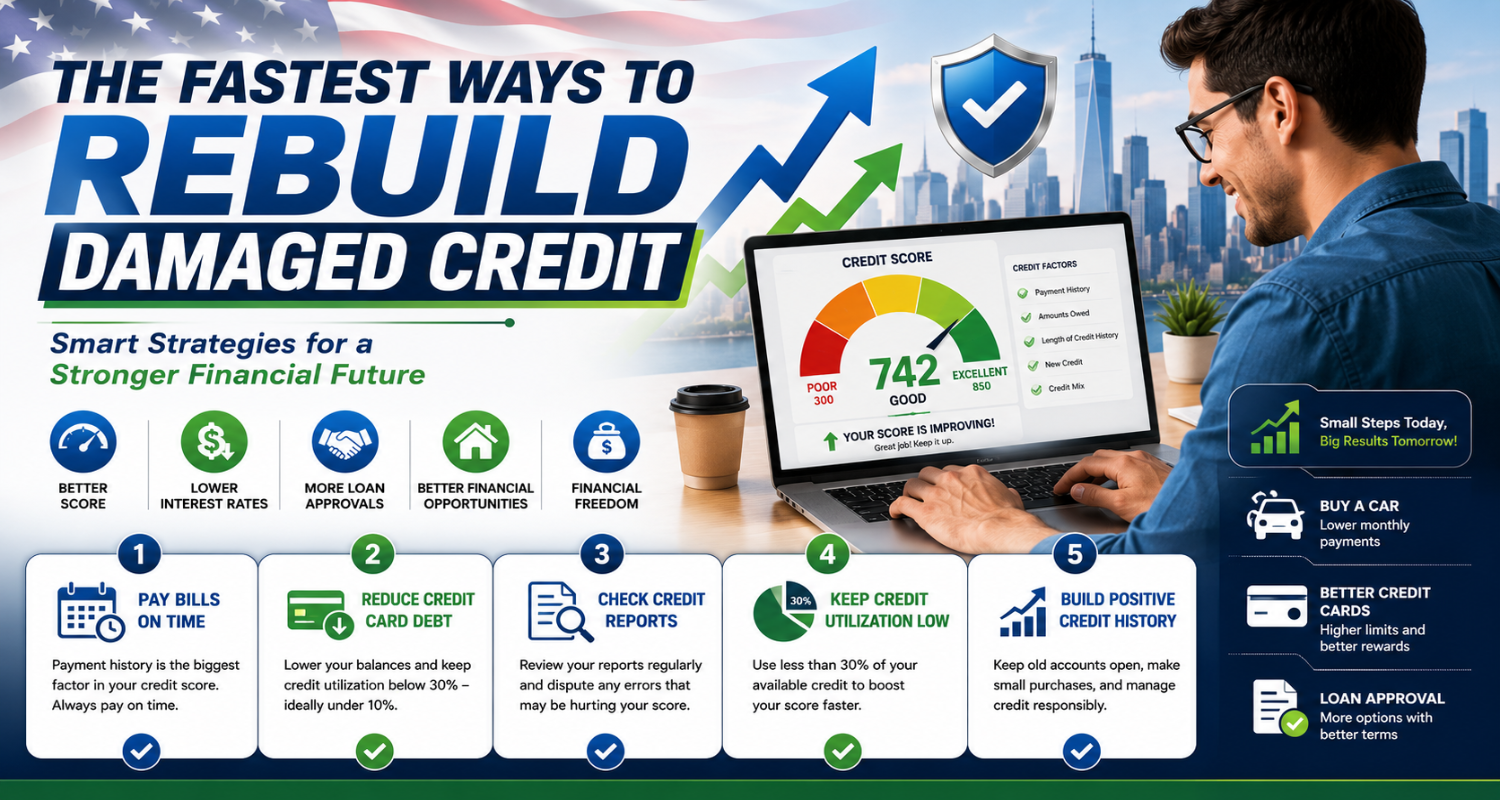
4. Not Checking Your Credit Score
Your credit score affects the mortgage interest rate you receive.
Even a small improvement can save thousands of dollars over the life of your loan.
Before applying, review your credit report and correct any errors.
Paying down debt before applying may also improve your approval chances.
5. Skipping the Home Inspection
A home may look perfect during a showing.
However, hidden problems often exist behind the walls.
A professional inspection can uncover issues involving:
- Roofing
- Plumbing
- Electrical systems
- Foundation
- HVAC equipment
Although inspections cost money, they often prevent much larger expenses later.
6. Forgetting About Future Expenses
Many buyers focus only on today’s costs.
However, homes require ongoing maintenance.
Appliances wear out.
Roofs eventually need replacement.
Heating and cooling systems require repairs.
Experts recommend saving money each year for unexpected maintenance.
7. Making Major Purchases Before Closing
Buying furniture or a new car before your mortgage closes can create problems.
Large purchases increase your debt.
Consequently, your lender may reconsider your loan approval.
Avoid opening new credit accounts until after closing.
8. Draining Your Savings
Some buyers use every dollar they have for the down payment.
Although this reduces the loan amount, it also eliminates their emergency fund.
Unexpected repairs can happen immediately after moving in.
Maintaining several months of savings provides valuable financial security.
9. Choosing the Wrong Neighborhood
The home itself is only part of your investment.
The surrounding neighborhood also matters.
Research:
- School districts
- Crime rates
- Property taxes
- Future development
- Commute times
Buying in a desirable location often improves long-term property value.
10. Letting Emotions Control the Decision
Buying a home can become emotional.
Some buyers fall in love with a property and ignore warning signs.
Instead, compare multiple homes.
Review inspection reports carefully.
Stay within your planned budget.
Making a logical decision usually leads to better financial outcomes.
Create a Realistic Budget
Before buying, calculate your total monthly housing costs.
Include:
- Mortgage payment
- Insurance
- Property taxes
- Maintenance
- HOA fees
- Utilities
A complete budget helps prevent financial surprises after moving in.
Understand the True Cost of Homeownership
Many first-time buyers underestimate how much it costs to own a home beyond the mortgage payment.
Learning about additional expenses before closing can help you prepare financially and avoid unexpected bills after moving in.
Tips for First-Time Buyers
Follow these simple strategies before making an offer:
- Improve your credit score.
- Save for closing costs.
- Keep an emergency fund.
- Get pre-approved.
- Compare multiple lenders.
- Never skip the inspection.
- Stay within your budget.
- Research local housing markets.
These steps can help you become a more confident homeowner.
Final Thoughts
Buying your first home is an exciting achievement, but avoiding common mistakes is just as important as finding the right property.
By planning your budget, protecting your credit, saving for unexpected costs, and understanding the full cost of homeownership, you’ll be in a much stronger financial position.
Taking time to prepare today can help you avoid expensive mistakes tomorrow and enjoy the benefits of homeownership for years to come.
For trusted home-buying advice, mortgage information, and financial tools, visit the Consumer Financial Protection Bureau Home Buying Guide. This official U.S. government resource offers valuable guidance for first-time homebuyers.