 MOHAMMAD ABUBAKR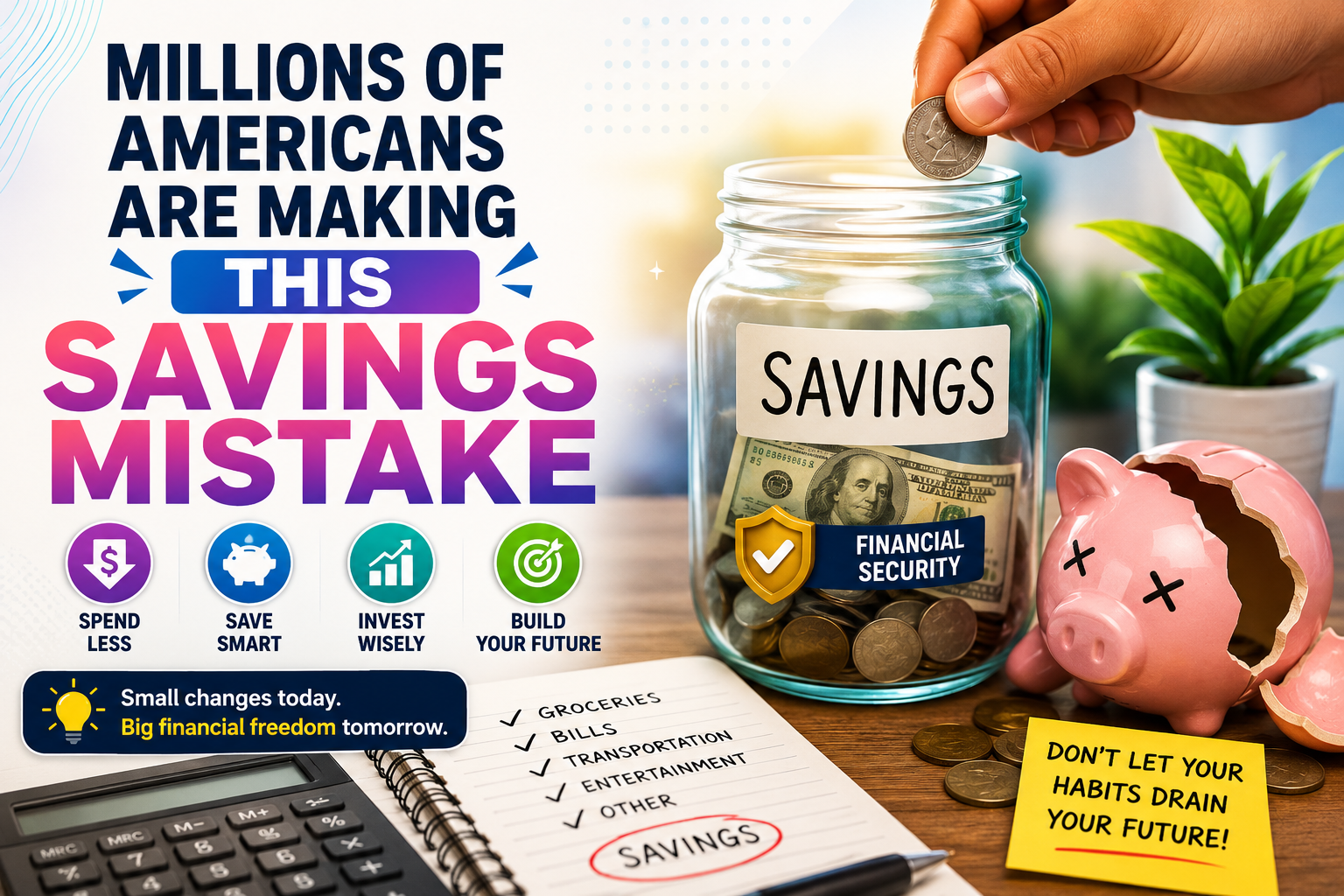
Millions of Americans Are Making This Savings Mistake every single year, and many don’t realize the financial damage until it’s too late. Whether you’re trying to build an emergency fund, save for retirement, or simply improve your financial future, one common mistake can quietly reduce your wealth over time.
With inflation remaining higher than many savings account interest rates and rising living costs across the United States, understanding where your money is going has never been more important.
In this guide, you’ll discover the biggest savings mistake Americans make, why it happens, and practical steps you can take today to keep more money working for you. If you’re planning for long-term financial security, you should also read How Much Money Do You Really Need to Retire Comfortably?
The Biggest Savings Mistake Americans Make
The most common mistake is keeping too much money in a low-interest savings account while inflation steadily reduces its purchasing power.
Many people believe simply having money in a bank is enough. While emergency savings are essential, leaving excess cash sitting in accounts earning very little interest means your money slowly loses value over time.
For example:
- Inflation averages around 2–4% over long periods.
- Many traditional savings accounts pay much lower interest.
- Your purchasing power declines every year.
This hidden loss is often called the inflation tax on savings.
Why This Mistake Is So Common
Several factors contribute to poor saving habits:
Fear of Investing
Many Americans worry about losing money in the stock market.
Lack of Financial Education
Schools rarely teach personal finance.
Easy Access to Spending
Mobile banking and credit cards make spending effortless.
Rising Cost of Living
Housing, groceries, healthcare, and transportation continue to become more expensive.
Signs You’re Making This Savings Mistake
You may be hurting your financial future if you:
- Keep all your savings in one checking account.
- Have no emergency fund.
- Never invest for retirement.
- Ignore inflation.
- Spend every paycheck before saving.
- Don’t review your budget regularly.
Recognizing these habits is the first step toward improving your finances.
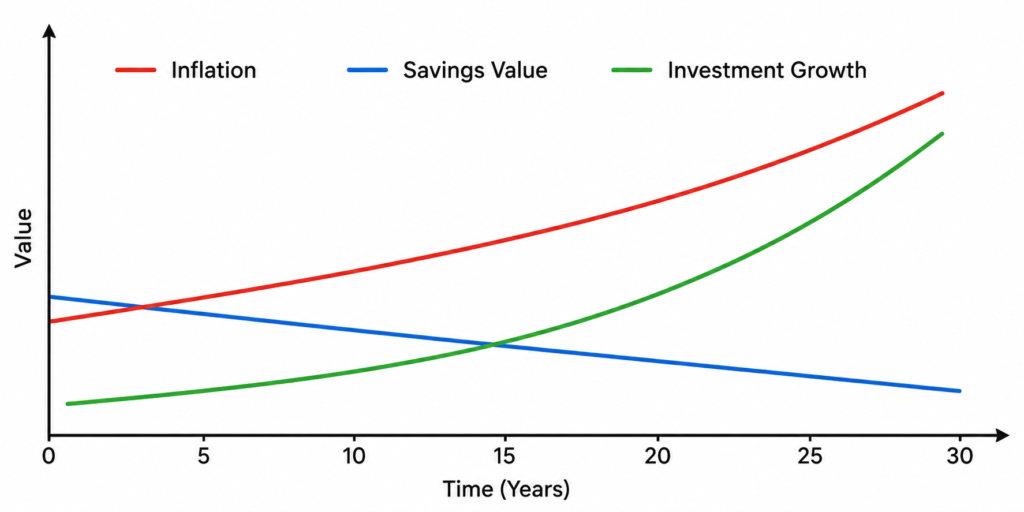
How Inflation Quietly Reduces Your Savings
Imagine saving $10,000 in a bank account earning just 0.5% annually.
If inflation averages 3%, your money loses purchasing power every year despite the balance appearing to grow.
Over time, that difference can add up to thousands of dollars.
This is why financial experts encourage balancing savings with long-term investing.
Smart Ways to Avoid This Savings Mistake
1. Build an Emergency Fund
Save 3–6 months of essential expenses in an easily accessible account.
2. Use High-Yield Savings Accounts
High-yield savings accounts generally offer better interest rates than traditional savings accounts.
3. Invest for Long-Term Growth
Consider diversified investments such as:
- Index funds
- ETFs
- Retirement accounts
- Mutual funds
Long-term investing has historically outpaced inflation.
4. Automate Your Savings
Set up automatic transfers each payday.
Automation removes the temptation to spend first.
5. Review Your Budget Monthly
Track:
- Income
- Expenses
- Savings rate
- Financial goals
Small adjustments each month can produce significant long-term results.
Common Savings Mistakes Beyond Low Interest
Many Americans also:
- Rely too heavily on credit cards.
- Delay retirement contributions.
- Ignore employer retirement matching.
- Keep large balances in checking accounts.
- Spend unexpected bonuses instead of saving.
Avoiding these habits can accelerate wealth building.
Simple Savings Plan Anyone Can Follow
A practical savings strategy might include:
- 20% toward savings and investing
- Emergency fund first
- Retirement contributions every paycheck
- Increase savings whenever income rises
- Review financial goals every six months
Consistency matters more than perfection.
Final Thoughts
Millions of Americans Are Making This Savings Mistake because saving money alone isn’t always enough. While maintaining cash reserves is essential, allowing excess savings to sit idle without considering inflation or long-term growth can limit your financial progress.
By creating an emergency fund, using higher-yield savings options, investing consistently, and reviewing your finances regularly, you can make your money work harder and build lasting wealth.
The earlier you correct this common mistake, the greater the financial benefits you’ll enjoy in the years ahead.
Frequently Asked Questions (FAQ)
Is keeping all my money in a savings account bad?
Not necessarily. Emergency savings belong in a savings account, but long-term money often benefits from investments that can outpace inflation.
How much should I keep in emergency savings?
Financial experts generally recommend saving three to six months of essential living expenses.
Should I invest before paying off debt?
It depends on the interest rate. High-interest debt is usually best paid off first while still contributing enough to capture any employer retirement match.
What is the biggest reason savings lose value?
Inflation reduces purchasing power over time when savings earn less than inflation.