 MOHAMMAD ABUBAKR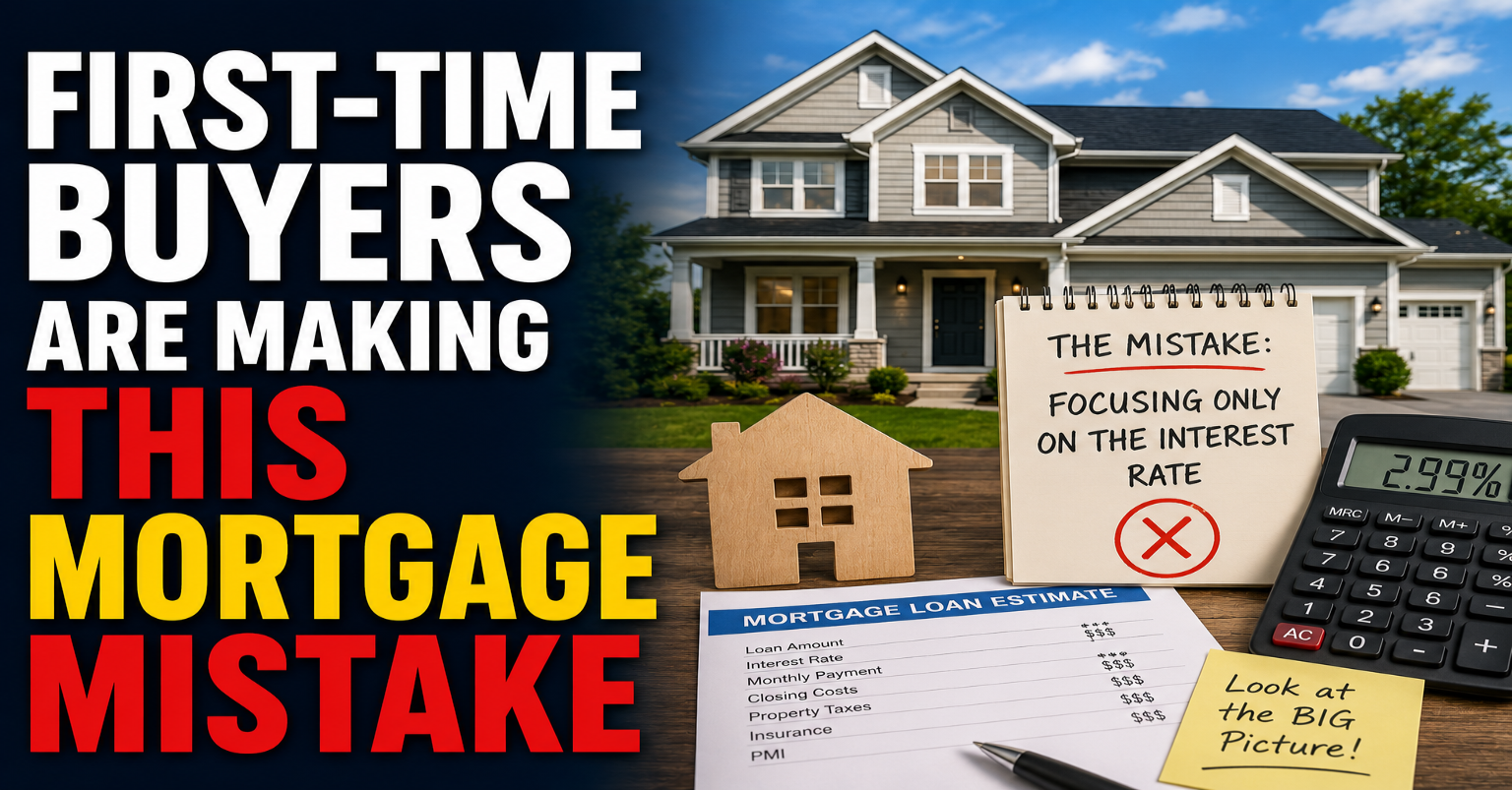
Buying your first home is an exciting milestone. However, it’s also one of the biggest financial commitments you’ll ever make. While many first-time buyers spend months searching for the perfect home, they often overlook one critical part of the process—the mortgage.
In 2026, higher home prices and elevated mortgage rates have made financing more expensive than it was just a few years ago. As a result, one mortgage mistake can cost thousands of dollars over the life of your loan.
Before choosing a loan, it’s also worth learning How Much House Can You Really Afford? so you don’t borrow more than your budget can comfortably support.
The biggest mistake? Buying a home based on the maximum amount a lender approves instead of what comfortably fits your budget.
In this guide, you’ll learn why this mistake happens, how it affects your finances, and the steps you can take to avoid it.
Why This Mortgage Mistake Is So Common
Many buyers assume that if a lender approves them for a certain loan amount, they can comfortably afford it.
Unfortunately, mortgage approval and financial comfort are not the same thing.
Lenders calculate borrowing limits using your income, debts, and credit history. However, they don’t account for your personal financial goals, lifestyle, or future expenses.
Because of this, many buyers end up purchasing homes that stretch their monthly budgets too far.
The Real Cost of Borrowing Too Much
A larger mortgage affects far more than your monthly payment.
It can also reduce your ability to:
- Save for retirement
- Build an emergency fund
- Invest for the future
- Travel
- Handle unexpected expenses
- Pay for children’s education
Even if you qualify for a larger loan, choosing a more affordable home often creates greater long-term financial stability.
Other Mortgage Mistakes First-Time Buyers Make
1. Shopping for Homes Before Getting Pre-Approved
Many buyers begin touring homes before speaking with a lender.
However, getting pre-approved first helps you:
- Understand your realistic budget.
- Strengthen your purchase offer.
- Avoid wasting time on homes outside your price range.
2. Choosing the Wrong Loan Type
Not every mortgage fits every buyer.
Some buyers automatically choose the lowest initial payment without understanding future costs.
Depending on your situation, a fixed-rate mortgage may provide greater long-term stability than an adjustable-rate mortgage.
Always compare multiple loan options before making a decision.
3. Ignoring the Total Monthly Housing Cost
Your mortgage payment is only one part of homeownership.
Additional expenses include:
- Property taxes
- Homeowners insurance
- HOA fees
- Utilities
- Maintenance
- Repairs
These costs can add hundreds of dollars to your monthly housing budget.
4. Making Major Purchases Before Closing
Many buyers finance a new car or open new credit cards while waiting for their mortgage to close.
Doing so may increase your debt-to-income ratio and affect your loan approval.
It’s usually best to avoid taking on new debt until after closing.
5. Not Comparing Mortgage Lenders
Interest rates and lender fees vary significantly.
Even a small difference in your mortgage rate can save—or cost—you thousands of dollars over the life of the loan.
Comparing offers from several lenders may help you secure better terms.
Why Mortgage Rates Matter So Much
Mortgage rates directly affect affordability.
For example, a small increase in your interest rate may significantly increase your monthly payment.
Because rates can vary between lenders, shopping around is one of the easiest ways to reduce borrowing costs.
How to Avoid This Costly Mortgage Mistake
Buying a home doesn’t have to create financial stress.
Before applying for a mortgage:
- Determine your personal monthly budget.
- Save for a larger down payment.
- Improve your credit score.
- Compare several mortgage lenders.
- Leave room for savings after buying.
- Budget for maintenance and repairs.
These steps can help you purchase a home with greater financial confidence.
You can also review mortgage checklists, loan estimates, and home-buying resources from the Consumer Financial Protection Bureau (CFPB) before applying for a home loan.
Questions Every Buyer Should Ask
Before signing a mortgage agreement, ask yourself:
- Can I comfortably afford this payment?
- Will I still be able to save every month?
- Have I budgeted for maintenance?
- What happens if interest rates increase?
- How long do I plan to stay in this home?
Answering these questions honestly may help you avoid financial regret later.
Signs You’re Buying Too Much House
Watch for these warning signs:
- Your mortgage consumes most of your monthly income.
- You have little emergency savings.
- You rely on credit cards for everyday expenses.
- You cannot afford home repairs.
- You stop contributing to retirement accounts.
If several of these apply, choosing a less expensive home may be the better financial decision.
Smart Home Buying Tips for 2026
If you’re purchasing your first home this year:
- Get pre-approved early.
- Compare mortgage offers.
- Avoid new debt before closing.
- Understand all ownership costs.
- Buy below your maximum approval amount.
- Think long term rather than emotionally.
Buying within your budget often leads to a more enjoyable homeownership experience.
Final Thoughts
The biggest mortgage mistake first-time buyers make in 2026 isn’t choosing the wrong house—it’s borrowing more than they can comfortably afford.
While lenders determine how much you qualify for, only you know what fits your long-term financial goals.
By creating a realistic budget, comparing lenders, and planning for the hidden costs of homeownership, you’ll be in a much stronger position to enjoy your new home without unnecessary financial pressure.
Remember, buying a home should improve your financial future—not limit it.
Frequently Asked Questions
What is the biggest mortgage mistake first-time buyers make?
Many buyers purchase homes based on their maximum loan approval instead of what comfortably fits their budget.
Should I spend my maximum mortgage approval?
Not necessarily. Buying below your approval limit often provides greater financial flexibility.
Why should I compare mortgage lenders?
Different lenders offer different interest rates, fees, and loan terms. Comparing offers may save thousands over the life of your loan.
Is mortgage pre-approval important?
Yes. Pre-approval helps you understand your budget and makes your purchase offer stronger.