
 MOHAMMAD ABUBAKR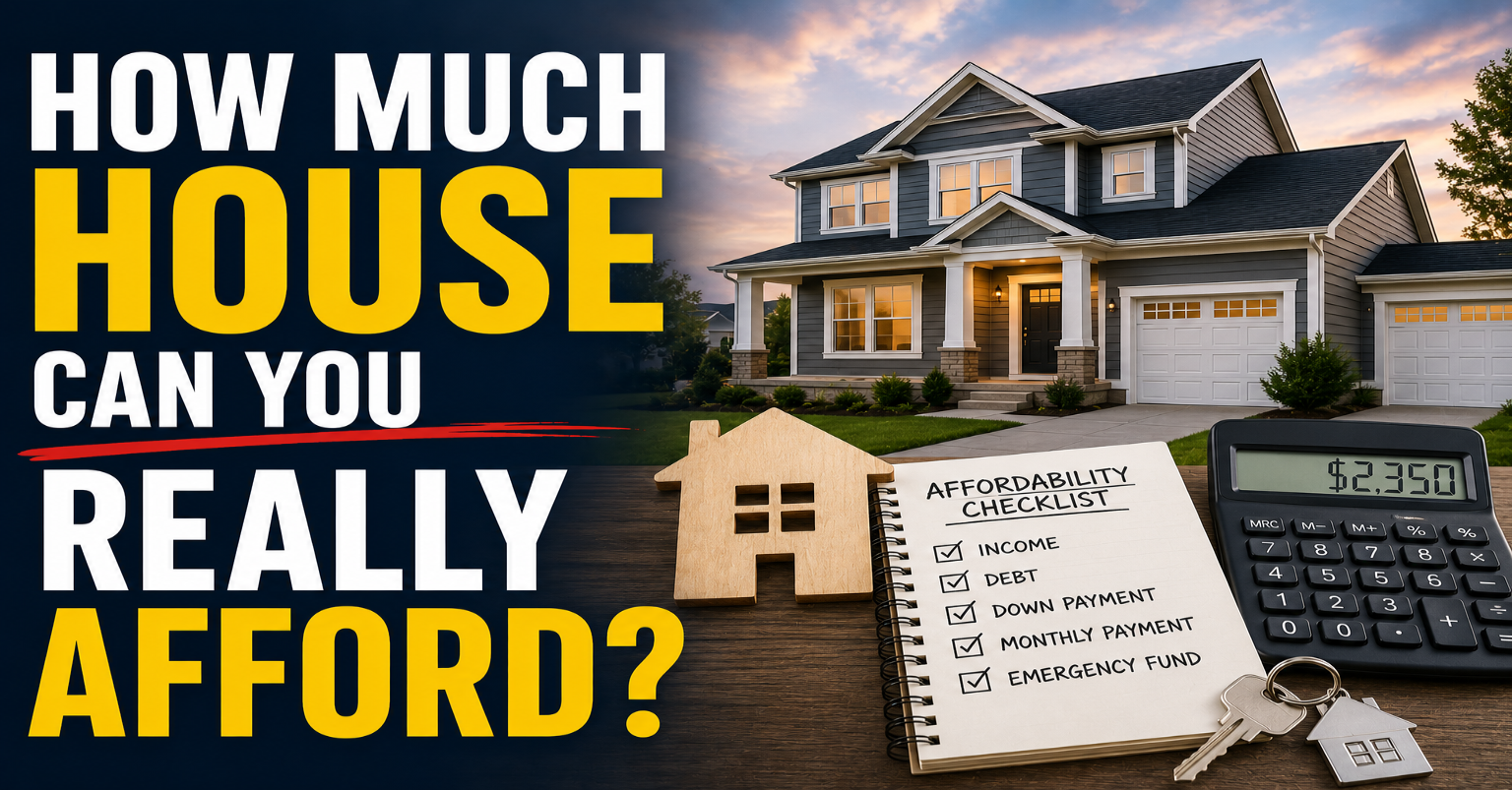
Buying a home is one of the biggest financial decisions you’ll ever make. While many buyers focus on how much a lender is willing to approve, the more important question is how much house you can comfortably afford.
Just because you qualify for a larger mortgage doesn’t mean it’s the right financial choice. Monthly housing costs affect your ability to save, invest, and handle unexpected expenses.
In 2026, with mortgage rates remaining higher than they were just a few years ago, affordability has become even more important. Understanding your complete financial picture before shopping for a home can help you avoid unnecessary stress later.
This guide explains how to determine your home-buying budget, what lenders look for, and the hidden costs many buyers overlook.
Before setting your budget, it’s also helpful to understand the Biggest Hidden Costs of Homeownership so you can estimate your true monthly housing expenses.
Why Affordability Matters More Than Loan Approval
Mortgage lenders calculate how much they’re willing to lend based on your income, debts, and credit profile.
However, lenders don’t know your lifestyle, savings goals, or future financial plans.
For example, you may want to:
- Save for retirement.
- Build an emergency fund.
- Pay for college.
- Travel regularly.
- Start a business.
Buying too much house can make these goals much harder to achieve.
That’s why affordability should be based on your personal budget—not just your lender’s approval amount.
Factors That Determine How Much House You Can Afford
Several financial factors affect your buying power.
1. Household Income
Your annual income is one of the biggest factors.
Generally, higher income allows you to qualify for a larger mortgage.
However, income alone doesn’t determine affordability.
2. Debt-to-Income Ratio (DTI)
Lenders compare your monthly debt payments to your gross monthly income.
Existing debts include:
- Auto loans
- Student loans
- Credit cards
- Personal loans
Lower debt usually improves your borrowing capacity.
3. Down Payment
A larger down payment offers several advantages.
It can:
- Reduce your monthly mortgage payment.
- Lower total interest costs.
- Help avoid Private Mortgage Insurance (PMI).
- Increase approval chances.
Even if you don’t have a 20% down payment, saving more before buying can improve affordability.
4. Credit Score
Your credit score directly affects your mortgage interest rate.
Higher scores generally qualify for lower rates.
Lower rates reduce monthly payments and total borrowing costs over the life of the loan.
5. Mortgage Interest Rates
Even small rate changes can significantly impact affordability.
For example, a one-percent increase in your mortgage rate may increase your monthly payment by hundreds of dollars.
Therefore, comparing multiple lenders is essential.
The 28/36 Rule
Many financial experts recommend using the 28/36 rule as a general affordability guideline.
According to this rule:
- Spend no more than 28% of your gross monthly income on housing expenses.
- Spend no more than 36% of your gross monthly income on total debt payments.
Although this rule isn’t perfect for every household, it provides a helpful starting point.
For official home-buying tools, mortgage resources, and budgeting guidance, visit the Consumer Financial Protection Bureau (CFPB), which provides free educational resources for homebuyers.
Monthly Costs Beyond Your Mortgage
Many first-time buyers focus only on the mortgage payment.
However, owning a home includes several additional expenses.
These include:
- Property taxes
- Homeowners insurance
- HOA fees
- Utilities
- Home maintenance
- Repairs
- Lawn care
- Closing costs
These costs can add hundreds—or even thousands—of dollars to your annual housing budget.
Hidden Expenses Many Buyers Forget
Unexpected costs often surprise new homeowners.
Examples include:
- Roof repairs
- Appliance replacement
- Plumbing issues
- HVAC maintenance
- Pest control
- Landscaping
- Water damage repairs
Creating an emergency home repair fund can help you avoid financial setbacks.
How to Calculate Your Home Budget
Before shopping for homes, follow these steps:
Step 1
Calculate your monthly income.
Step 2
Subtract all existing monthly debt payments.
Step 3
Estimate your future housing expenses.
Include:
- Mortgage payment
- Property taxes
- Insurance
- HOA fees
- Utilities
Step 4
Leave room for savings.
Your budget should still allow you to:
- Save for retirement.
- Build emergency savings.
- Invest regularly.
- Cover unexpected expenses.
A comfortable budget is usually better than stretching your finances to the limit.
Signs You’re Buying Too Much House
You may be exceeding your budget if:
- Your mortgage consumes most of your income.
- You cannot save each month.
- You rely on credit cards for regular expenses.
- One unexpected repair would create financial hardship.
- You’re sacrificing retirement contributions.
Buying a smaller home may provide greater long-term financial security.
Tips to Improve Affordability
If your ideal home exceeds your budget, consider these strategies:
- Increase your down payment.
- Improve your credit score.
- Reduce existing debt.
- Compare mortgage lenders.
- Consider less expensive neighborhoods.
- Delay buying while building additional savings.
Small improvements today may save thousands over the life of your mortgage.
Should You Buy Now or Wait?
The answer depends on your financial situation—not just the housing market.
Buying may make sense if:
- You have stable employment.
- You plan to stay in the home for several years.
- You have sufficient savings.
- The monthly payment fits comfortably within your budget.
Waiting may be better if:
- You have significant debt.
- Your emergency fund is limited.
- Your credit score needs improvement.
- Your monthly budget is already stretched.
Choosing the right timing can improve both your financial stability and your long-term homeownership experience.
Final Thoughts
Determining how much house you can really afford involves much more than getting approved for a mortgage.
Your income, debt, down payment, credit score, interest rate, and ongoing homeownership costs all play important roles in the decision.
Rather than buying the most expensive home a lender will finance, focus on choosing a home that supports your long-term financial goals. Leaving room in your budget for savings, investing, and unexpected expenses will help you enjoy homeownership with greater confidence and less financial stress.
Frequently Asked Questions
How much income do I need to buy a house?
The amount varies depending on home prices, mortgage rates, debt, and your down payment.
What is the 28/36 rule?
It recommends spending no more than 28% of gross monthly income on housing and no more than 36% on total monthly debt.
Should I buy the maximum home I qualify for?
Not necessarily. Buying below your approval limit often provides greater financial flexibility.
What costs should I include besides the mortgage?
Property taxes, homeowners insurance, maintenance, repairs, HOA fees, utilities, and closing costs.