 MOHAMMAD ABUBAKR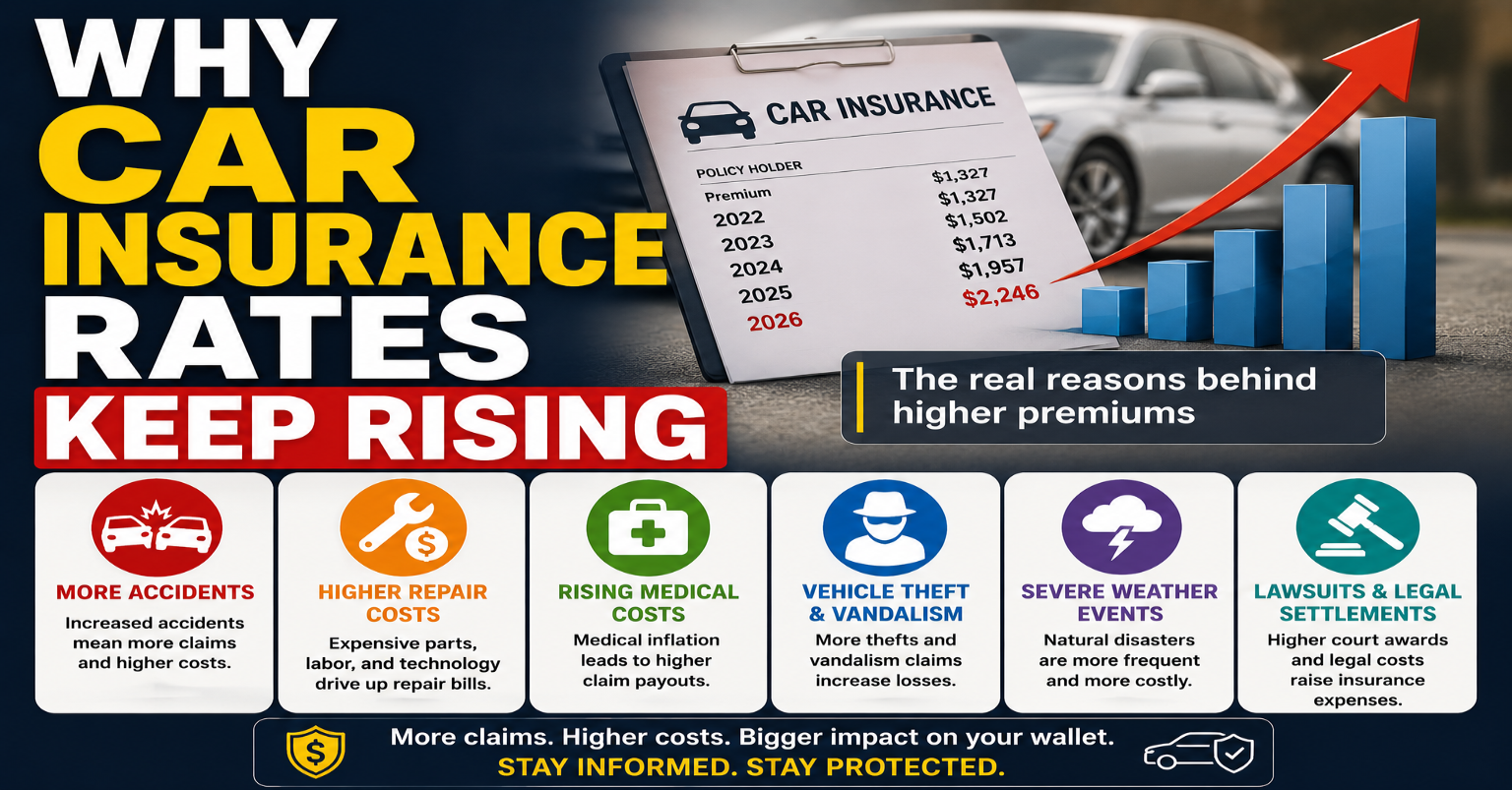
If you’ve noticed your car insurance premium increasing, you’re not alone. Across the United States, many drivers are paying significantly more for auto insurance than they did just a few years ago. Even drivers with clean records are seeing higher renewal bills.
While inflation plays a role, it’s far from the only reason. Rising repair costs, expensive vehicle technology, more severe weather events, and higher accident expenses have all contributed to increasing insurance premiums.
If you’re planning to replace your vehicle, you should also read Cars With the Lowest Cost of Ownership to understand how insurance, maintenance, and depreciation affect your long-term expenses.
In this guide, we’ll explain why car insurance rates keep rising in 2026, what factors affect your premium, and how you can reduce your insurance costs without sacrificing important coverage.
Why Are Car Insurance Rates Increasing?
Insurance companies calculate premiums based on risk.
When the cost of paying claims increases, insurers often adjust premiums to offset those higher expenses.
Several trends have made claims more expensive in recent years.
1. Vehicle Repair Costs Are Rising
Modern vehicles include advanced technology such as:
- Driver assistance systems
- Cameras
- Radar sensors
- Touchscreen displays
- Advanced lighting systems
Although these features improve safety, they also make repairs more expensive after even minor accidents.
Replacing a bumper today often involves recalibrating multiple sensors, increasing repair costs significantly.
2. Inflation Is Increasing Replacement Costs
Inflation affects nearly every part of vehicle ownership.
Insurance companies now pay more for:
- Auto parts
- Labor
- Paint materials
- Rental cars
- Medical expenses
As claim costs rise, insurance premiums generally increase as well.
3. More Expensive Vehicles
New vehicles cost more than they did just a few years ago.
Higher vehicle values mean insurers may pay larger settlements after thefts or total-loss accidents.
Luxury features found on many modern vehicles also increase replacement costs.
4. Severe Weather Events
Hurricanes, hailstorms, floods, tornadoes, and wildfires continue to generate expensive insurance claims across many parts of the country.
Weather-related vehicle damage has become an increasingly important factor affecting insurance prices in many states.
5. Higher Medical Costs
Auto insurance often covers injuries resulting from accidents.
As healthcare costs continue to rise, insurers must pay more for medical treatment, rehabilitation, and liability claims.
These higher expenses contribute to premium increases.
6. More Distracted Driving Accidents
Although vehicles continue to improve in safety, distracted driving remains a major concern.
Accidents involving smartphones and other distractions continue to increase claim costs nationwide.
Higher claim frequency generally results in higher insurance premiums for everyone.
Factors That Affect Your Insurance Premium
While nationwide trends affect prices, your personal premium also depends on several factors.
Insurance companies typically consider:
- Driving history
- Age
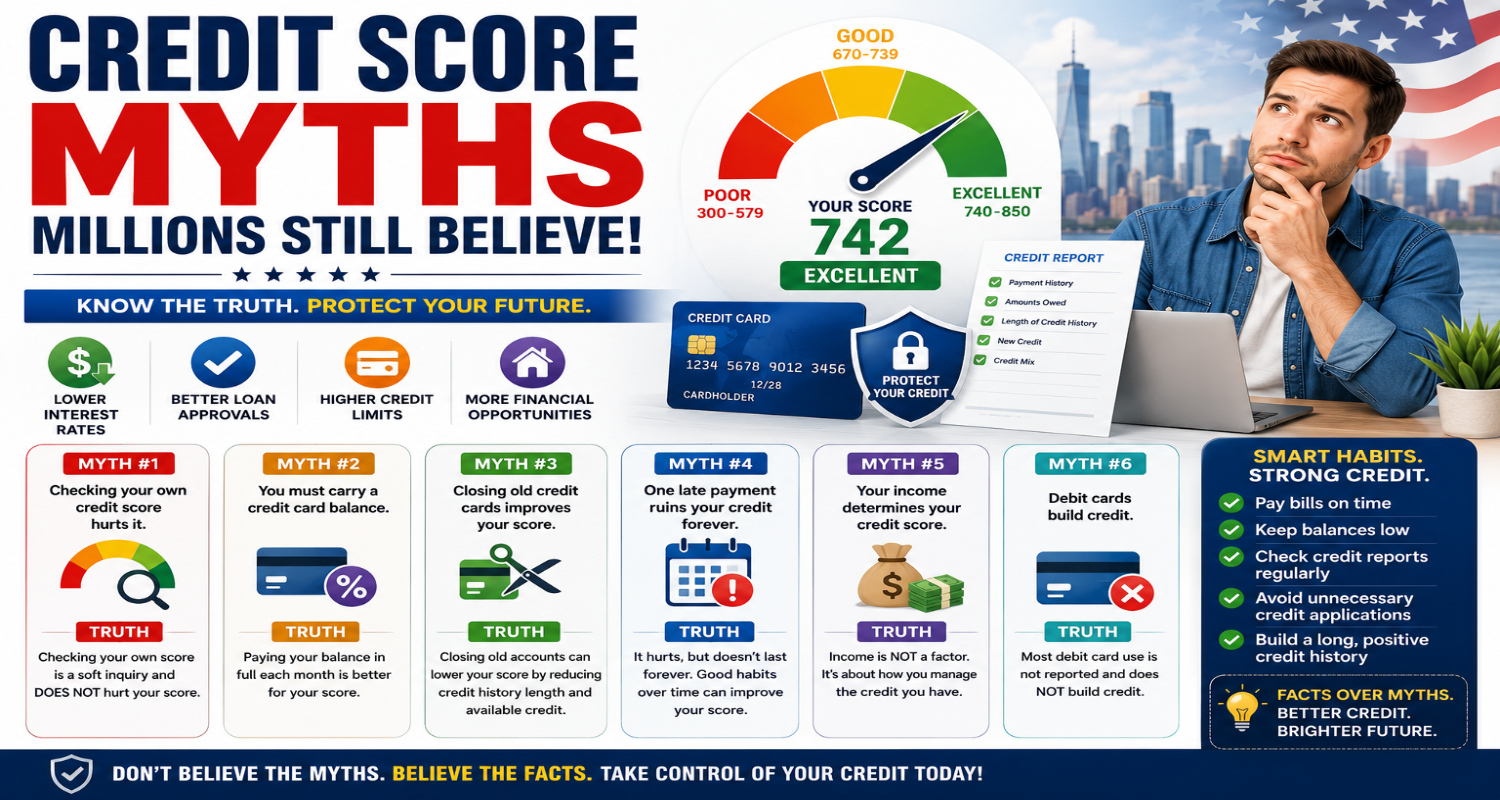
- Credit-based insurance score (where permitted)
- Vehicle type
- Annual mileage
- ZIP code
- Coverage limits
- Deductible amount
- Claims history
Understanding these factors can help you make informed decisions when shopping for coverage.
Why Even Safe Drivers Pay More
Many drivers assume that a clean driving record guarantees low insurance rates.
However, insurers also consider regional risks.
For example:
- Increased repair costs
- More uninsured drivers
- Weather-related claims
- Higher theft rates
- Local accident frequency
Even if you never file a claim, these broader trends can still affect your premium.
How to Lower Your Car Insurance Costs
Although you can’t control market conditions, there are several ways to reduce your premium.
You can also learn more about auto insurance coverage, shopping tips, and consumer rights from the National Association of Insurance Commissioners (NAIC).
Shop Around Every Year
Insurance companies use different pricing models.
Comparing quotes annually may help you find lower rates.
Increase Your Deductible
Choosing a higher deductible often lowers your monthly premium.
However, be sure you can comfortably afford the deductible if you need to file a claim.
Bundle Insurance Policies
Many insurers offer discounts when you combine:
- Auto insurance
- Homeowners insurance
- Renters insurance
Bundling can reduce your overall insurance costs.
Maintain a Clean Driving Record
Avoiding accidents and traffic violations often leads to lower premiums over time.
Safe driving remains one of the best long-term strategies for reducing insurance costs.
Ask About Discounts
Many insurers offer discounts for:
- Safe drivers
- Good students
- Low annual mileage
- Defensive driving courses
- Multiple vehicles
- Automatic payments
Review available discounts before renewing your policy.
Common Mistakes That Increase Premiums
Many drivers unintentionally pay more than necessary.
Avoid these common mistakes:
- Renewing without comparing quotes.
- Choosing unnecessary coverage.
- Forgetting to update annual mileage.
- Filing small claims that barely exceed the deductible.
- Ignoring available discounts.
Small changes can sometimes produce meaningful savings.
Is It Worth Switching Insurance Companies?
Yes—in many cases.
Insurance companies regularly adjust their pricing.
As a result, the company offering the best rate today may not remain the cheapest next year.
Comparing multiple insurers before each renewal helps ensure you’re receiving competitive pricing.
Final Thoughts
Car insurance rates continue to rise in 2026 because insurers face higher repair costs, inflation, expensive vehicle technology, severe weather claims, and increasing medical expenses.
Although these nationwide trends are beyond your control, you can still lower your costs by shopping around, maintaining a clean driving record, increasing your deductible when appropriate, and taking advantage of available discounts.
The cheapest policy isn’t always the best choice. Instead, focus on finding the right balance between affordable premiums and the coverage you need to protect yourself financially.
Frequently Asked Questions
Why is my car insurance increasing if I haven’t had an accident?
Insurance companies consider broader factors such as inflation, repair costs, weather-related claims, and regional accident trends—not just your personal driving history.
Will car insurance rates continue rising in 2026?
Premiums may continue to fluctuate depending on inflation, repair costs, accident frequency, and insurance company claim expenses.
Does my credit score affect car insurance?
In many U.S. states, insurers may use a credit-based insurance score when calculating premiums. However, some states restrict or prohibit this practice.
How can I lower my insurance premium?
Compare quotes regularly, maintain a clean driving record, ask about discounts, bundle policies, and choose a deductible that fits your budget.