 MOHAMMAD ABUBAKR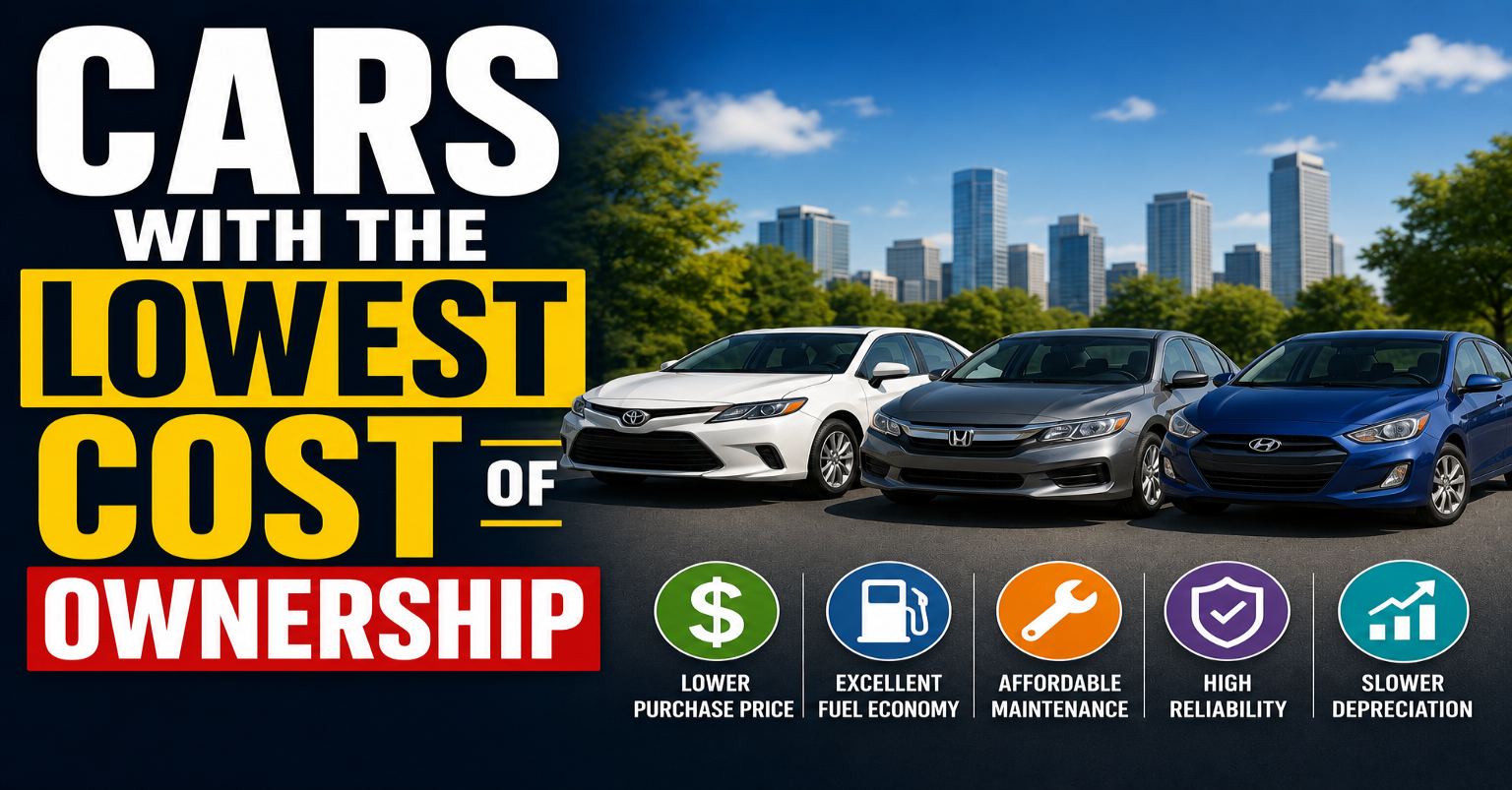
Buying a car isn’t just about the sticker price. While a low purchase price may seem like a great deal, the true cost of owning a vehicle includes fuel, insurance, maintenance, repairs, depreciation, and registration fees.
In 2026, many Americans are paying closer attention to total ownership costs as inflation and financing expenses continue to affect household budgets. Choosing a reliable and affordable vehicle can save thousands of dollars over several years.
If you’re still deciding between buying a new or pre-owned vehicle, read our guide on Should You Buy a New or Used Car in 2026? to compare the pros and cons of each option.
This guide highlights the types of cars with the lowest cost of ownership, the factors that influence long-term expenses, and practical tips for reducing your overall vehicle costs.
What Is Cost of Ownership?
The cost of ownership refers to every expense you’ll pay throughout the time you own a vehicle—not just the purchase price.
These expenses typically include:
- Vehicle purchase price
- Loan interest
- Fuel costs
- Insurance premiums
- Maintenance
- Repairs
- Registration and taxes
- Depreciation
Looking at these costs together provides a much clearer picture of what a car will actually cost over time.
Factors That Affect Ownership Costs
Before choosing a vehicle, consider these major expenses.
1. Depreciation
Depreciation is often the largest ownership cost.
Some vehicles lose value quickly, while others retain their value much better.
Cars with strong resale values usually cost less to own over the long term.
2. Fuel Economy
Fuel-efficient vehicles reduce monthly operating expenses.
Hybrid and compact cars often provide excellent fuel savings, especially for drivers with long daily commutes.
3. Insurance Premiums
Insurance costs vary based on:
- Vehicle value
- Repair costs
- Safety ratings
- Driver history
- Location
Before buying a vehicle, request insurance quotes to avoid unexpected expenses.
4. Maintenance and Repairs
Reliable vehicles generally require fewer major repairs.
Regular maintenance such as oil changes, tire rotations, and brake service helps keep long-term costs lower.
5. Financing Costs
Interest rates affect your total ownership cost.
Comparing multiple lenders before financing your vehicle may reduce your monthly payment and the total interest paid.
Types of Cars With the Lowest Cost of Ownership
While individual ownership costs vary, these categories are generally the most affordable over time.
Compact Sedans
Compact sedans often provide:
- Excellent fuel economy
- Lower insurance premiums
- Affordable maintenance
- Strong reliability
These vehicles remain popular among commuters and first-time buyers.
Hybrid Vehicles
Modern hybrid vehicles combine gasoline engines with electric motors to improve fuel efficiency.
Although the purchase price may be slightly higher, fuel savings often offset part of the initial cost over time.
Compact SUVs
Many compact SUVs offer a balance of:
- Good fuel economy
- Practical cargo space
- Competitive insurance costs
- Strong resale value
For families, they often provide better value than larger SUVs.
Reliable Used Cars
A well-maintained used vehicle that’s two to five years old can offer excellent value.
Because much of the depreciation has already occurred, buyers often enjoy lower purchase prices while still getting many years of dependable service.
Features That Help Reduce Ownership Costs
When shopping for a car, look for:
- High reliability ratings
- Strong fuel economy
- Excellent safety features
- Low maintenance costs
- Good resale value
- Affordable insurance rates
These factors often matter more than luxury features when considering long-term affordability.
You can compare vehicle reliability, maintenance costs, and owner satisfaction ratings through Consumer Reports before making your purchase.
Tips to Lower Your Car Ownership Costs
You can reduce expenses by following these strategies:
- Buy only what fits your budget.
- Compare insurance quotes before purchasing.
- Keep up with regular maintenance.
- Avoid long loan terms.
- Drive efficiently to improve fuel economy.
- Shop around for financing.
- Follow the manufacturer’s maintenance schedule.
Small savings each month can add up significantly over several years.
Common Mistakes That Increase Ownership Costs
Many buyers unintentionally spend more than necessary.
Avoid these common mistakes:
- Buying more vehicle than you need.
- Ignoring depreciation.
- Skipping maintenance.
- Financing for too many years.
- Failing to compare insurance companies.
- Choosing a vehicle with poor reliability.
Making informed decisions before purchasing can prevent expensive surprises later.
Should You Buy New or Used?
The answer depends on your budget and priorities.
New vehicles offer:
- Factory warranties
- New technology
- Lower repair costs during the early years
Used vehicles often provide:
- Lower purchase prices
- Slower depreciation
- Lower insurance premiums
Comparing the total ownership cost—not just the purchase price—will help you make the best decision.
How to Calculate Your Total Ownership Cost
Before buying a vehicle, estimate:
- Monthly loan payment
- Fuel expenses
- Insurance premiums
- Annual maintenance
- Registration fees
- Expected depreciation
Calculating these costs in advance can help you avoid exceeding your budget.
Final Thoughts
The car with the lowest purchase price isn’t always the least expensive vehicle to own. Fuel efficiency, insurance, depreciation, maintenance, financing, and resale value all play major roles in your long-term ownership costs.
By comparing the total cost of ownership instead of focusing only on monthly payments, you’ll make a smarter financial decision that can save thousands of dollars over the life of your vehicle.
Whether you’re buying new or used, careful planning is the key to keeping transportation costs under control.
Frequently Asked Questions
What is included in the cost of ownership?
It includes the purchase price, fuel, insurance, maintenance, repairs, depreciation, financing, and registration costs.
Are hybrid cars cheaper to own?
Many hybrids have lower fuel costs, although purchase prices may be higher.
Is buying used cheaper than buying new?
In many cases, yes. Used vehicles often have lower purchase prices and slower depreciation.
What is the biggest ownership expense?
Depreciation is often the largest cost, especially during the first few years of owning a new vehicle.