 MOHAMMAD ABUBAKR
Buying a home is one of the biggest financial decisions most Americans will ever make. However, many buyers are asking the same question today: Is waiting to buy a home a smart financial move?
The answer depends on more than just mortgage rates or home prices. Your financial situation, local housing market, career plans, and long-term goals all matter. While waiting may help some buyers save money, it could also cost others more if prices or interest rates continue to rise.
Therefore, understanding both the advantages and disadvantages of waiting can help you make a better decision.
Why Many Americans Are Waiting
Over the past few years, the housing market has become more challenging. Mortgage rates increased sharply, home prices remained high, and inventory stayed limited.
As a result, many buyers decided to delay purchasing a home.
Common reasons include:
- Higher monthly mortgage payments
- Limited homes for sale
- Rising property taxes
- Expensive homeowners insurance
- Economic uncertainty
Because of these factors, many families believe waiting could improve their financial position.
Could Mortgage Rates Fall?
Mortgage rates influence affordability more than many buyers realize.
Even a small drop in interest rates can significantly reduce monthly payments.
For example, lowering a mortgage rate by one percentage point could save thousands of dollars over the life of a loan.
However, waiting solely for lower rates comes with risk.
If rates fall, buyer demand often increases. Consequently, home prices may rise as more people enter the market.
Instead of focusing only on rates, buyers should consider the total cost of homeownership.
Home Prices May Continue to Increase
Some buyers expect home prices to decline dramatically.
Although certain local markets have cooled, many housing experts do not expect a nationwide price collapse.
Several factors continue supporting prices:
- Housing shortages
- Population growth
- Strong employment in many regions
- Limited construction in some cities
Therefore, waiting too long could mean paying more for the same home.
Even if mortgage rates improve, higher purchase prices may offset those savings.
When Waiting Makes Financial Sense
Waiting can be a smart decision under certain circumstances.
You Need a Larger Down Payment
A bigger down payment can reduce your monthly payment and lower the total interest paid.
Additionally, putting more money down may help you avoid private mortgage insurance.
Your Credit Score Needs Improvement
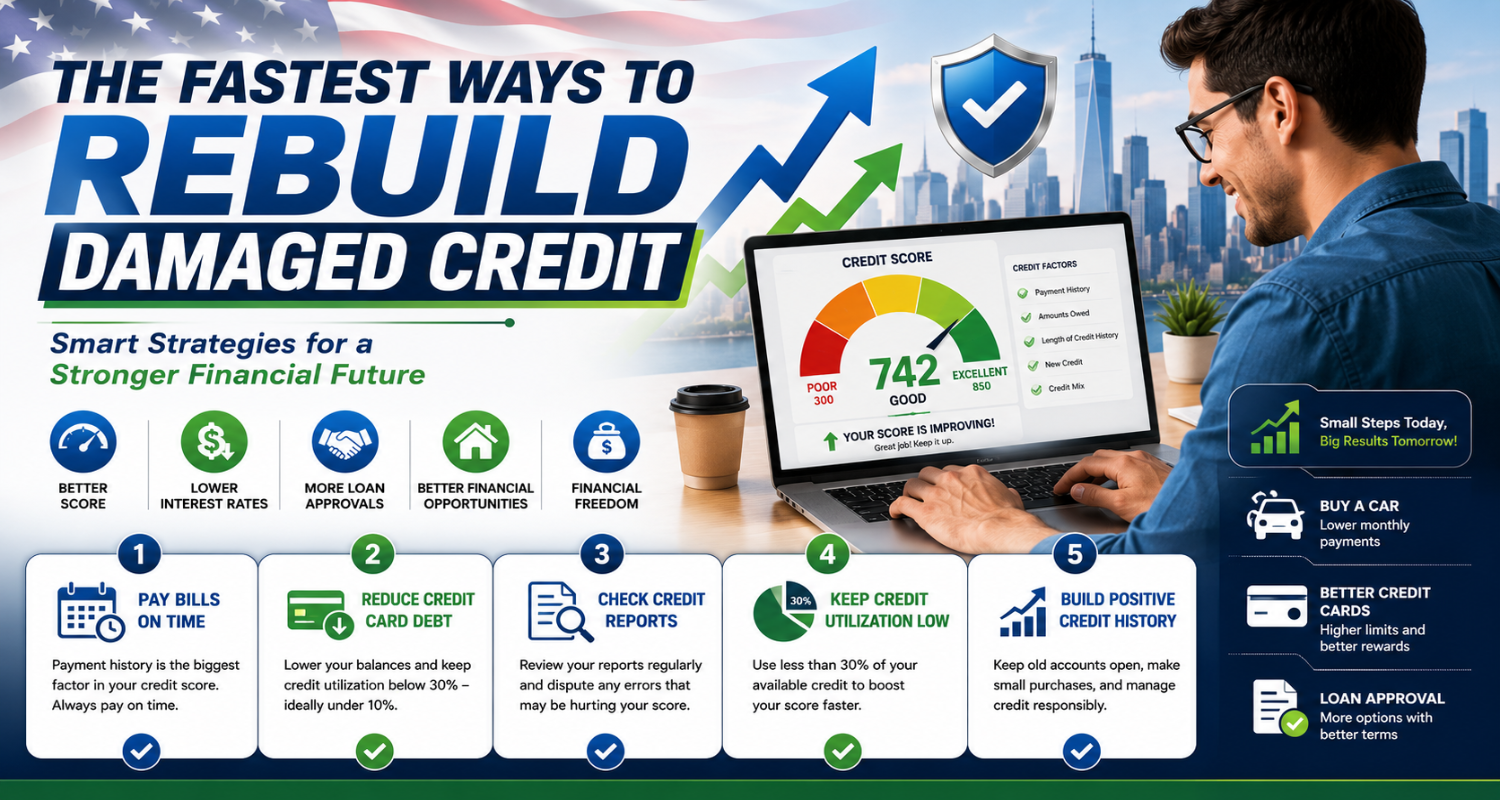
Improving your credit score before buying can qualify you for better mortgage rates.
Even a small increase in your score may save thousands of dollars over time.
You Have High-Interest Debt
Paying off expensive credit card balances first can improve your debt-to-income ratio.
As a result, lenders may offer better loan terms.
Your Job Situation Is Uncertain
Buying a home requires financial stability.
If your employment situation could change soon, waiting may reduce unnecessary risk.
When Waiting Could Cost You Money
Although waiting has advantages, it also carries risks.
Home Prices Keep Rising
If prices continue increasing each year, today’s affordable home may become unaffordable later.
Rent Continues Increasing
Many renters face annual rent increases.
Instead of building equity, they continue paying landlords each month.
Over several years, those additional rental costs can become substantial.
You Miss Equity Growth
Homeowners build equity as they repay their mortgage and property values increase.
Waiting delays that wealth-building opportunity.
Compare the Total Monthly Cost
Rather than focusing only on the purchase price, compare total monthly expenses.
Include:
- Mortgage payment
- Property taxes
- Homeowners insurance
- HOA fees
- Utilities
- Maintenance costs
This approach provides a more accurate picture of affordability.
Think About Your Long-Term Plans
Ask yourself several important questions.
- Will you stay in the home for at least five years?
- Is your income stable?
- Do you have an emergency fund?
- Can you comfortably afford monthly payments?
- Are you buying because you’re financially ready rather than feeling pressured?
If most answers are yes, waiting may not provide significant benefits.
Local Markets Matter More Than National Headlines
The U.S. housing market varies by location.
Some cities continue experiencing strong demand, while others have slower price growth.
For example, areas with expanding job markets often attract more buyers.
Meanwhile, regions with declining populations may offer better purchasing opportunities.
Because of this, buyers should study their local market instead of relying only on national news.
Want to understand where the housing market could be heading next? Read our Housing Market Predictions for 2027 to explore expected trends in home prices, mortgage rates, and housing inventory before making your decision.
Prepare Yourself Financially While You Wait
If you decide to delay buying, use the time wisely.
Focus on strengthening your finances.
Helpful steps include:
- Save a larger down payment.
- Improve your credit score.
- Reduce existing debt.
- Increase your emergency savings.
- Compare mortgage lenders regularly.
- Track local home prices.
These actions improve your financial position regardless of when you buy.
The Consumer Financial Protection Bureau Home Buying Guide provides reliable information about mortgages, closing costs, and the home buying process for first-time buyers.
Should First-Time Buyers Wait?
First-time buyers often face the biggest challenges.
However, waiting is not always the best answer.
Many states offer:
- Down payment assistance
- First-time buyer grants
- Low down payment mortgage programs
- Closing cost assistance
Research these programs before deciding to postpone your purchase.
They may make homeownership more affordable than expected.
Buying Based on Your Finances Is Better Than Timing the Market
Many buyers try to predict the perfect time to purchase.
Unfortunately, accurately timing the housing market is extremely difficult.
Instead, focus on factors you can control.
These include:
- Your income
- Savings
- Credit score
- Debt level
- Long-term housing needs
Making a financially responsible decision usually produces better results than waiting for the “perfect” market.
Final Thoughts
So, is waiting to buy a home a smart financial move?
For some Americans, the answer is yes. Waiting may provide time to improve credit, save for a larger down payment, or reduce debt.
For others, delaying could become expensive if home prices and rents continue rising.
Instead of trying to predict every market movement, focus on your personal financial readiness. Evaluate your budget, compare mortgage options, and study your local housing market carefully.
If you are financially prepared and plan to stay in your home for several years, buying sooner rather than later may still be the smarter long-term investment.