 MOHAMMAD ABUBAKR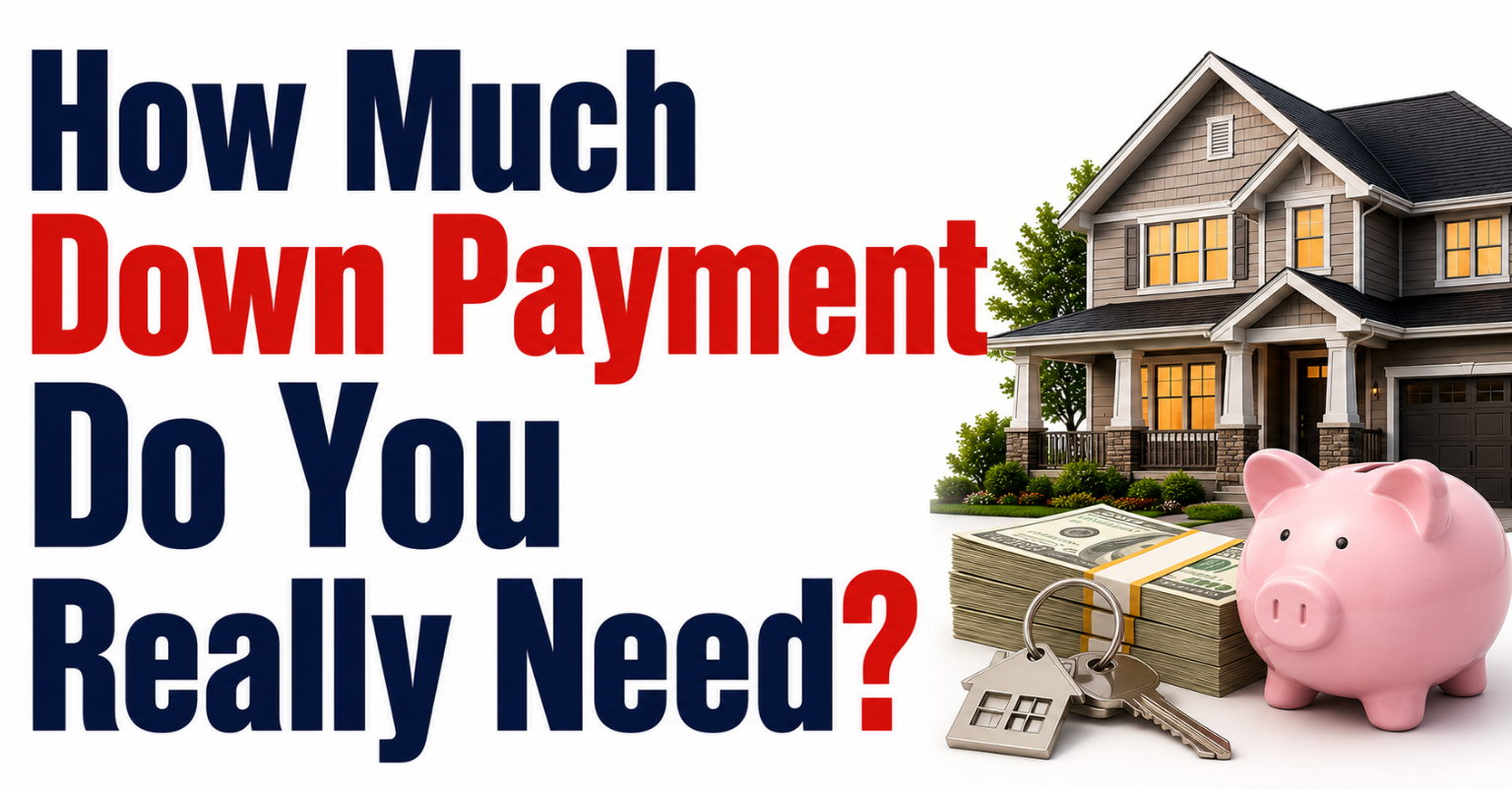
Buying a home is exciting, but one question often stops first-time buyers before they even begin: How much down payment do you really need?
Many Americans believe they must save 20% of a home’s purchase price before buying. However, that is one of the biggest homebuying myths. While putting 20% down offers several advantages, many mortgage programs allow buyers to purchase a home with much less.
Therefore, understanding your options can help you become a homeowner sooner than you think.
What Is a Down Payment?
A down payment is the amount of money you pay upfront when purchasing a home. The remaining balance is financed through a mortgage.
For example, if you buy a $400,000 home and make a 10% down payment, you pay $40,000 upfront. The remaining $360,000 is borrowed from the lender.
Generally, the larger your down payment, the smaller your loan amount.
Do You Really Need 20% Down?
The simple answer is no.
Although many buyers believe 20% is required, most lenders offer mortgage programs with much lower down payment requirements.
Common options include:
- 3% down for some conventional loans
- 3.5% down for FHA loans
- 0% down for eligible VA loans
- 0% down for eligible USDA loans
As a result, many first-time buyers qualify for homeownership much sooner than expected.
Benefits of Making a Larger Down Payment
If you can afford a larger down payment, there are several financial advantages.
Lower Monthly Mortgage Payments
A larger down payment reduces the amount you borrow. Consequently, your monthly payment becomes lower.
Less Interest Paid
Since you’re borrowing less money, you’ll pay less interest over the life of the loan.
Better Loan Approval Odds
Lenders often view larger down payments as a sign of financial stability.
Therefore, you may qualify for better mortgage terms.
Avoid Private Mortgage Insurance (PMI)
For many conventional loans, putting down at least 20% allows buyers to avoid private mortgage insurance.
PMI can add hundreds of dollars to monthly housing costs each year.
Why a Smaller Down Payment Can Still Make Sense
Saving 20% may take years.
Meanwhile, home prices could continue rising.
Because of that, many buyers choose smaller down payments.
Benefits include:
- Buying sooner
- Keeping more cash for emergencies
- Preserving savings for home repairs
- Taking advantage of lower interest rates when available
However, buyers should avoid stretching their finances too thin.
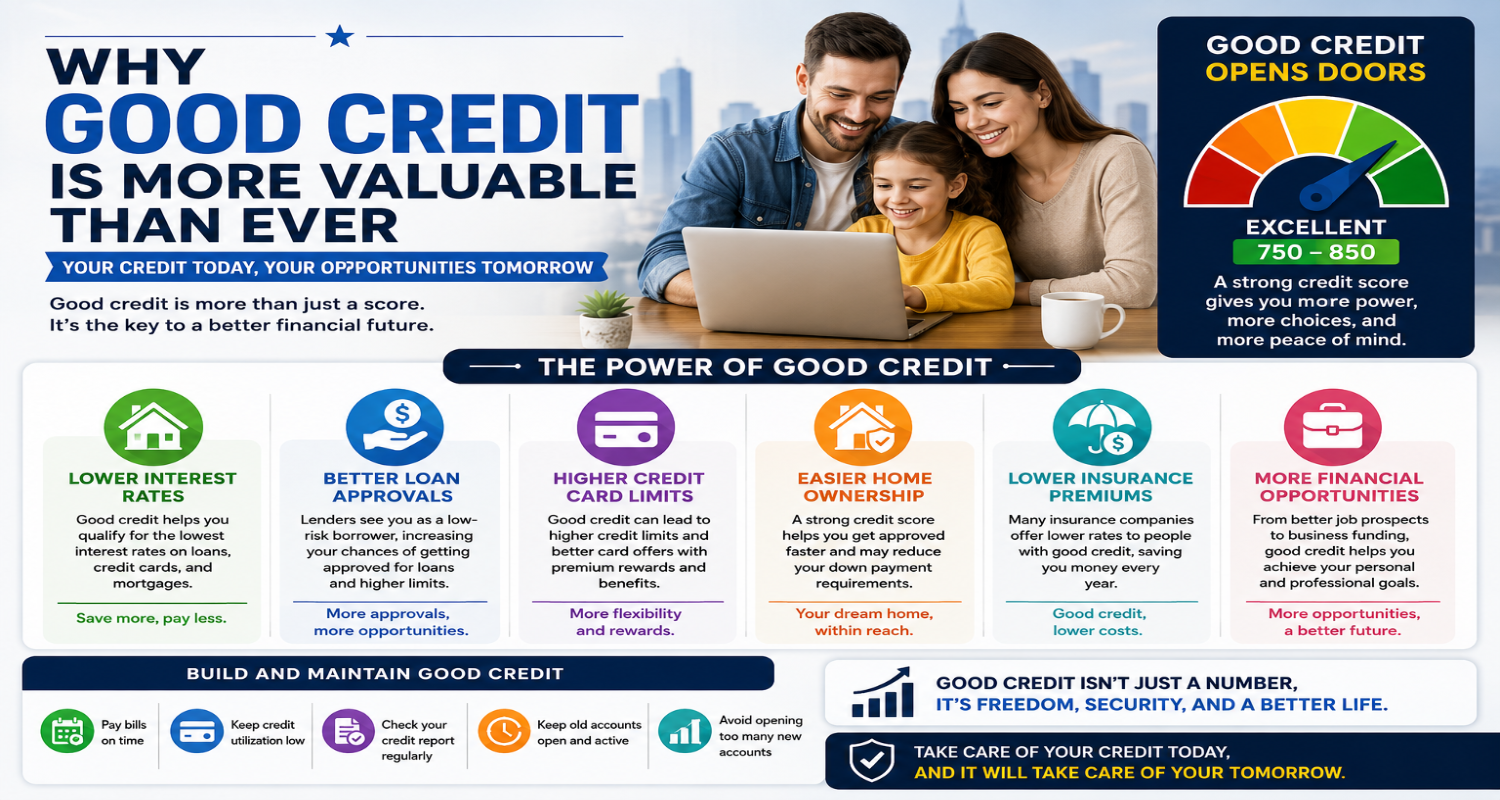
Before applying for a mortgage, it’s also important to understand how lenders evaluate borrowers. Read our guide on What Credit Score Do You Need to Buy a Home? to learn how your credit score affects loan approval and interest rates.
How Much Should You Personally Put Down?
There isn’t a single answer for everyone.
Instead, consider these factors.
Your Income
A stable income makes monthly mortgage payments easier to manage.
Emergency Savings
Never use every dollar for your down payment.
Experts generally recommend keeping several months of living expenses available after closing.
Existing Debt
High credit card balances or personal loans reduce affordability.
Paying down expensive debt may be more beneficial than increasing your down payment.
Future Financial Goals
Think about retirement savings, education expenses, and other major financial priorities before committing a large amount of cash.
Down Payment Examples
Here’s how different down payment percentages affect a $400,000 home.
| Down Payment | Amount |
|---|---|
| 3% | $12,000 |
| 5% | $20,000 |
| 10% | $40,000 |
| 15% | $60,000 |
| 20% | $80,000 |
These examples show that buyers have multiple options depending on their financial situation.
Don’t Forget Closing Costs
Many buyers focus only on the down payment.
However, closing costs are another important expense.
They often include:
- Loan origination fees
- Appraisal fees
- Title insurance
- Recording fees
- Attorney fees (where applicable)
- Prepaid taxes and insurance
Closing costs generally range between 2% and 5% of the home’s purchase price.
Therefore, include them in your savings plan.
First-Time Homebuyer Assistance Programs
Many Americans qualify for financial assistance without realizing it.
Programs may include:
- Down payment grants
- Closing cost assistance
- Low-interest mortgage loans
- State housing agency programs
- Local homebuyer assistance
These programs can reduce the amount of cash needed to buy a home.
Research options available in your state before applying for a mortgage.
The Consumer Financial Protection Bureau Down Payment Guide explains mortgage options, down payment requirements, and home buying costs in detail for first-time buyers.
Should You Wait to Save More?
Waiting allows you to increase your savings.
However, it also comes with risks.
Home prices could rise.
Mortgage rates could increase.
Rent payments could continue consuming your monthly budget.
Instead of waiting indefinitely, compare the cost of buying today with the potential cost of delaying your purchase.
Mistakes to Avoid
Many buyers make avoidable mistakes during the saving process.
Avoid these common errors.
Emptying Your Savings Account
Always keep an emergency fund after closing.
Unexpected home repairs can happen at any time.
Ignoring Your Credit Score
A better credit score often results in lower mortgage rates.
Forgetting About Monthly Costs
Homeownership includes more than a mortgage payment.
Budget for:
- Property taxes
- Homeowners insurance
- Utilities
- Maintenance
- HOA fees, if applicable
How to Save for a Down Payment Faster
If you’re still building your savings, these strategies can help.
- Create a dedicated home savings account.
- Automate monthly transfers.
- Reduce unnecessary subscriptions.
- Pay off high-interest debt.
- Save tax refunds and bonuses.
- Increase your monthly savings when your income grows.
Small improvements made consistently can produce significant results over time.
Final Thoughts
So, how much down payment do you really need?
The answer depends on your finances, loan program, and long-term goals.
Although putting 20% down offers clear advantages, it is not required for many buyers. Several loan programs allow qualified borrowers to purchase a home with much less.
Instead of focusing on one percentage, build a realistic budget, improve your credit, maintain an emergency fund, and choose a down payment that fits your financial situation.
Buying a home should strengthen your financial future—not create unnecessary financial stress.