 MOHAMMAD ABUBAKR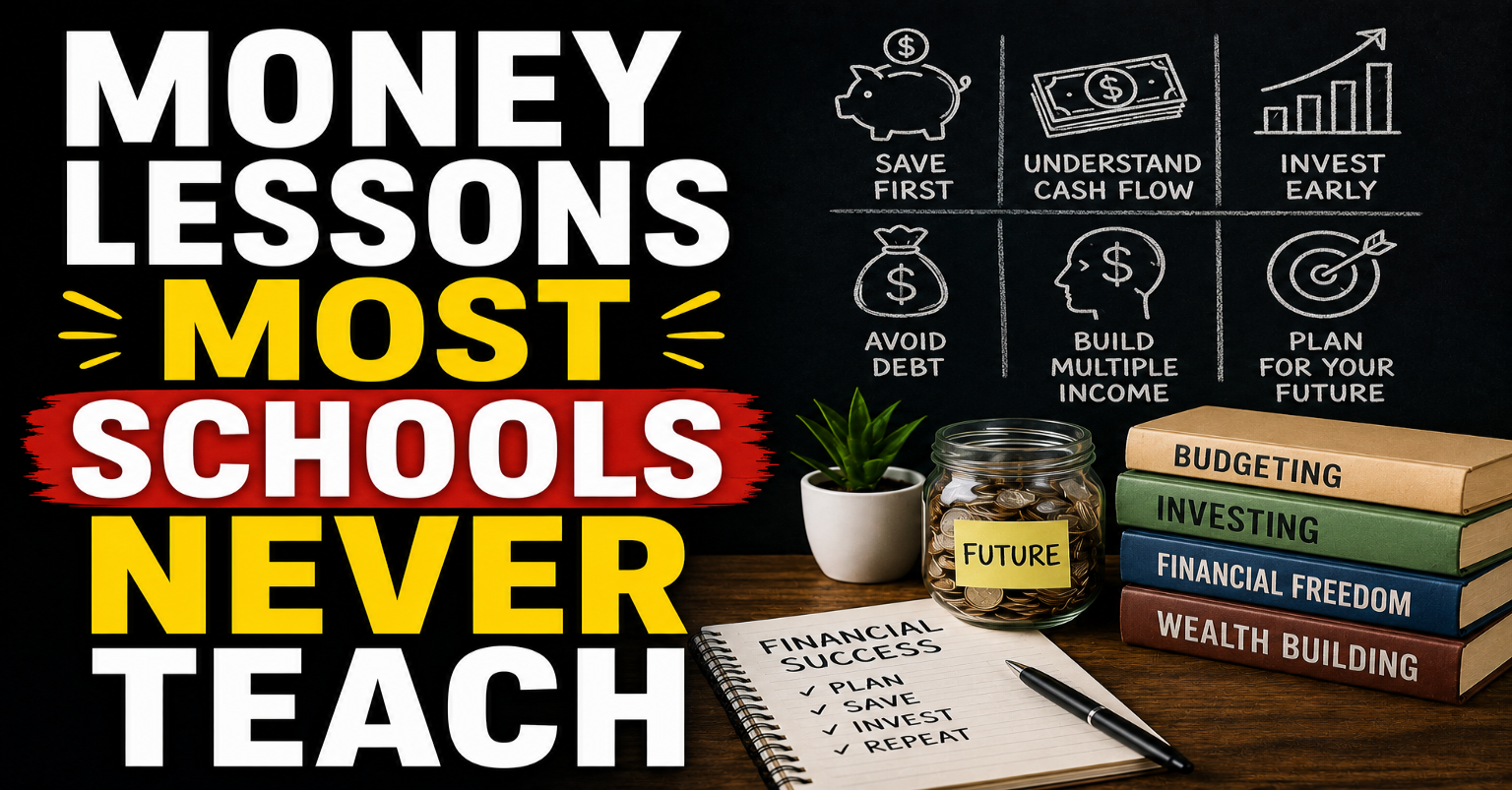
Introduction
Most people spend years in school learning math, science, history, and literature. However, many graduate without understanding how to manage money.
As a result, young adults often enter the real world without knowing how to create a budget, build credit, invest for retirement, or avoid debt. These financial skills can have a lasting impact on everyday life.
The good news is that it is never too late to learn.
Whether you are starting your first job, raising a family, or planning for retirement, understanding basic money principles can help you make better financial decisions.
In this guide, you’ll discover the money lessons most schools never teach and why these lessons can help you build long-term financial security.
Why Financial Education Matters
Financial education is more than understanding numbers.
It helps you make informed decisions about earning, saving, spending, borrowing, and investing.
Without these skills, even a high income may not lead to financial success.
People who understand personal finance are often better prepared to:
- Manage monthly expenses
- Save for emergencies
- Avoid unnecessary debt
- Invest for long-term growth
- Plan for retirement
- Reach financial goals
Learning these skills early can reduce financial stress and improve future opportunities.
Building wealth starts with good daily habits. Read our Smart Money Habits of Financially Successful Americans guide to learn practical ways to improve your financial future.
Money Lesson #1: Spend Less Than You Earn
One of the most important financial lessons is simple.
Spend less than you earn.
Although it sounds easy, many people struggle because lifestyle expenses increase as income grows.
Instead of spending every raise, save or invest part of your additional income.
Living below your means creates opportunities to build wealth over time.
Money Lesson #2: Create and Follow a Budget
A budget helps you control your money instead of wondering where it went.
Start by tracking:
- Housing
- Food
- Transportation
- Utilities
- Insurance
- Entertainment
- Savings
- Investments
Review your spending every month.
Small adjustments today can produce meaningful savings over time.
Money Lesson #3: Build an Emergency Fund
Unexpected expenses happen.
A medical bill, job loss, or major car repair can quickly create financial stress.
An emergency fund provides financial security during difficult times.
Many experts recommend saving three to six months of essential living expenses.
Start small if necessary.
Consistency matters more than the amount.
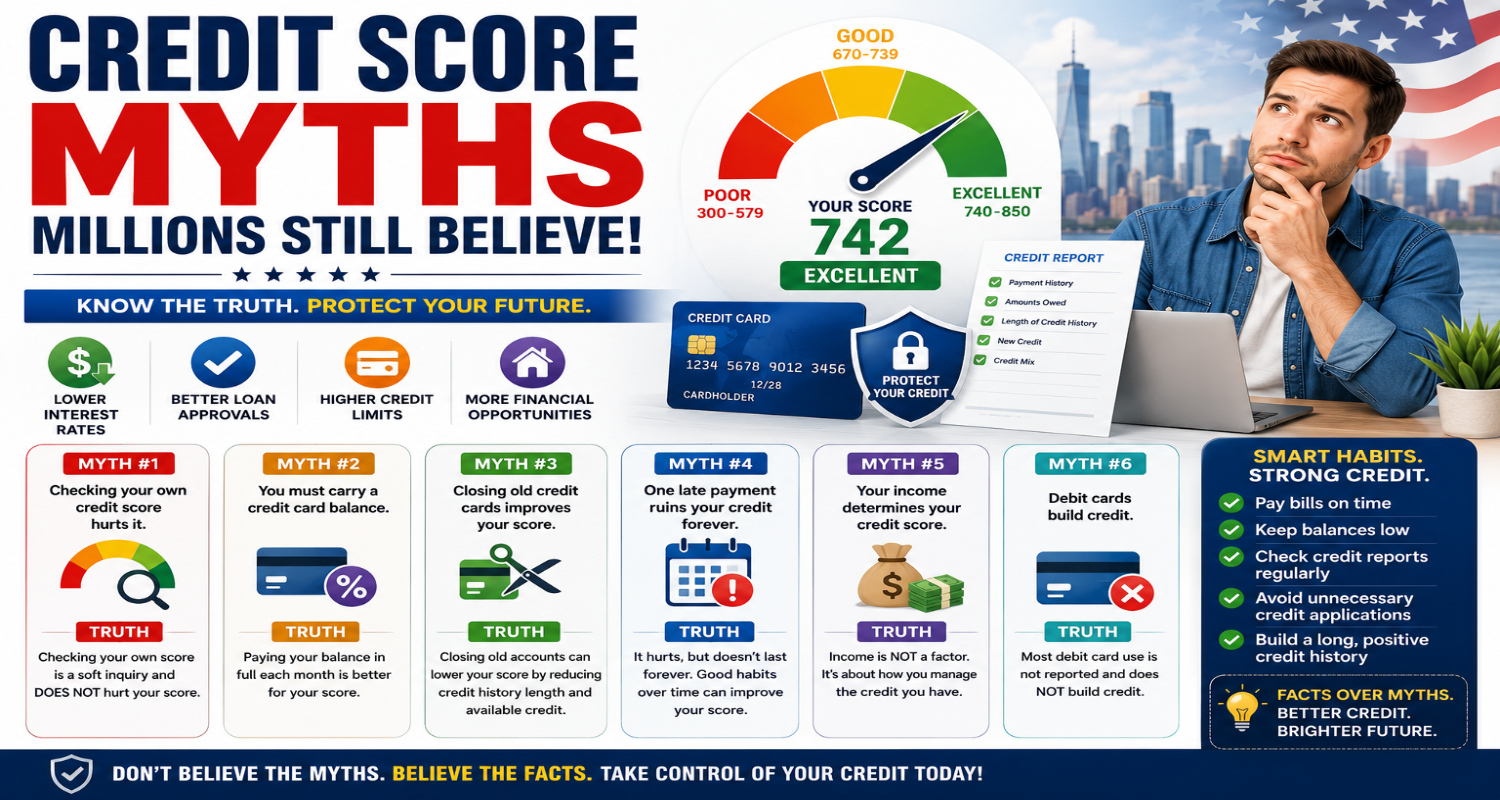
Money Lesson #4: Understand How Credit Works
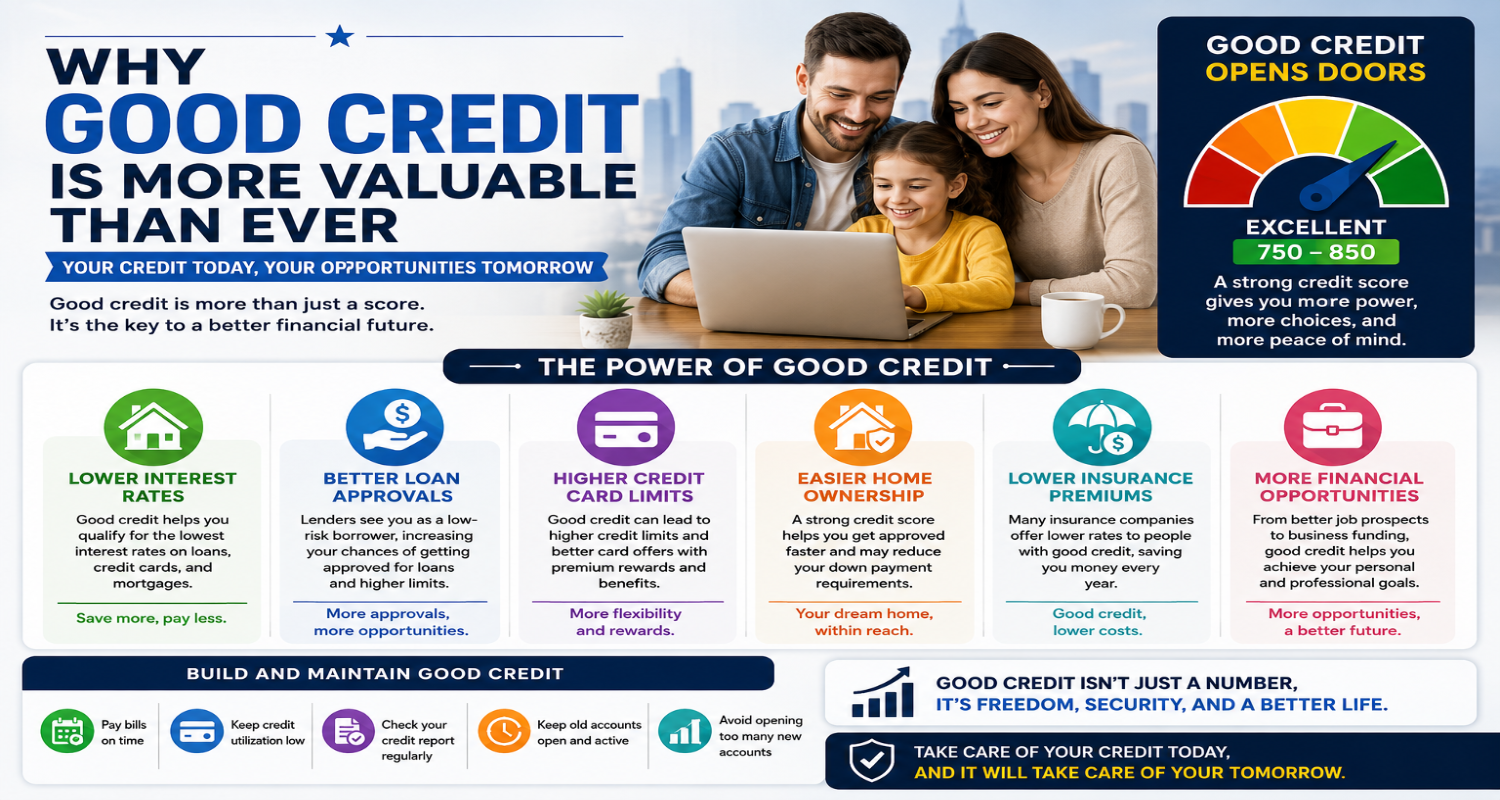
Your credit score affects much more than loan approvals.
It may influence:
- Mortgage rates
- Auto loan rates
- Credit card offers
- Apartment applications
- Insurance premiums
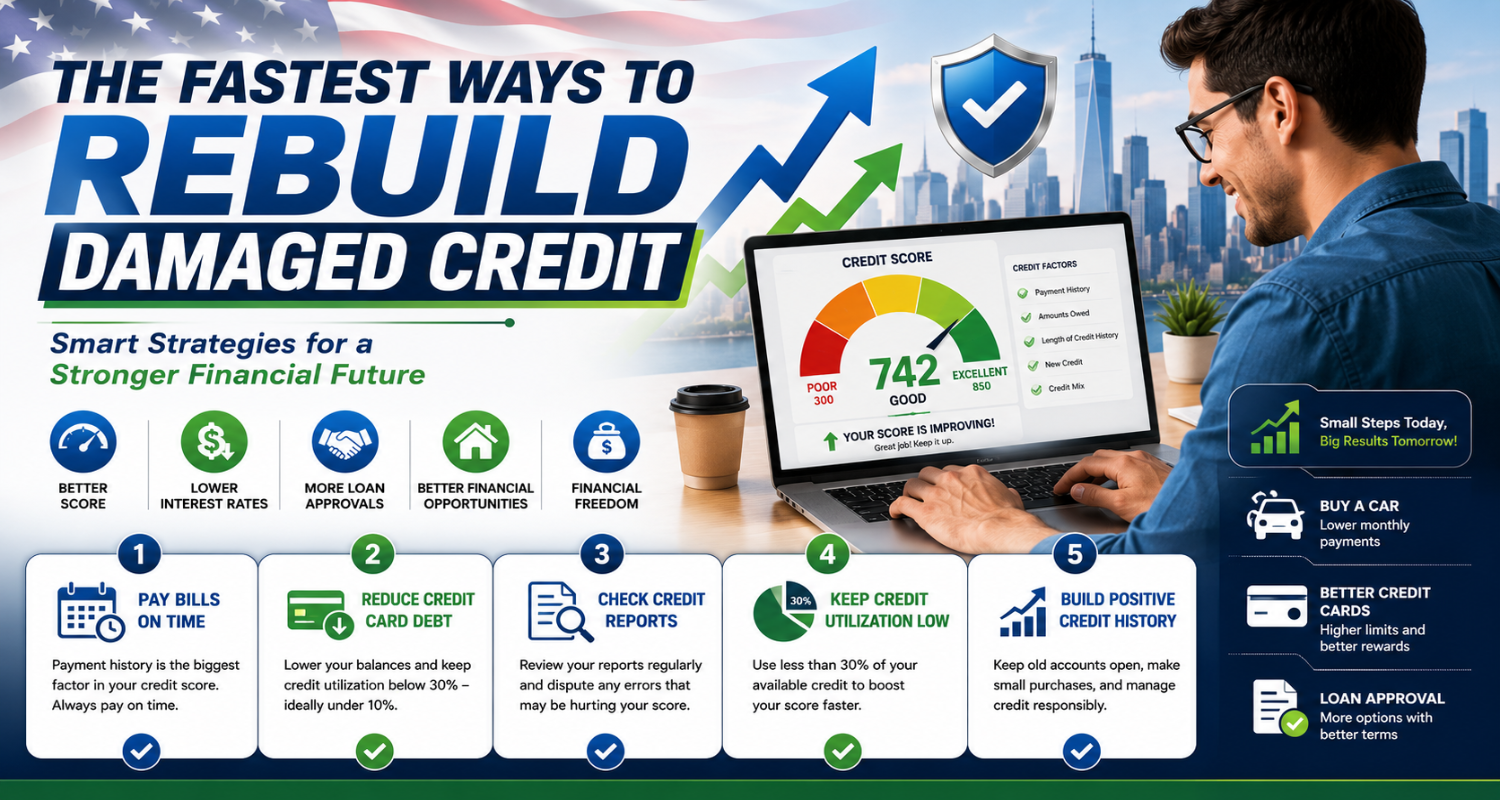
Paying bills on time and keeping credit card balances low can help build a strong credit history.
Good credit can save thousands of dollars over your lifetime.
Money Lesson #5: Start Investing Early
Many people delay investing because they think they need a large amount of money.
In reality, time is often more valuable than the size of your first investment.
Starting early allows compound growth to work in your favor.
Even modest monthly investments can grow significantly over several decades.
The earlier you begin, the more time your money has to compound.
Money Lesson #6: Avoid Bad Debt
Not all debt is harmful. However, high-interest debt can make it difficult to achieve your financial goals.
Credit cards, payday loans, and other expensive forms of borrowing can consume a large part of your income.
Before taking on debt, ask yourself:
- Do I really need this purchase?
- Can I afford the monthly payments?
- Is there a less expensive option?
Using credit responsibly can protect your finances and reduce unnecessary stress.
Money Lesson #7: Save for Retirement Early
Retirement may seem far away when you’re young. However, starting early gives your investments more time to grow.
Many Americans save through retirement accounts such as employer-sponsored plans or Individual Retirement Accounts (IRAs).
Even small, consistent contributions can grow significantly over the years because of compound returns.
The sooner you begin, the easier it becomes to build long-term financial security.
Money Lesson #8: Understand the Difference Between Saving and Investing
Many people think saving and investing are the same.
They are not.
Saving is best for short-term goals and emergency funds.
Investing is generally better for long-term goals, such as retirement or building wealth.
A balanced financial plan usually includes both savings and investments.
Knowing when to use each strategy is an important money lesson.
Money Lesson #9: Set Financial Goals
Money works best when it has a purpose.
Instead of simply trying to save more, create specific financial goals.
For example:
- Build a six-month emergency fund.
- Pay off credit card debt.
- Save for a home.
- Invest for retirement.
- Start a college savings fund.
Clear goals make it easier to stay motivated and measure your progress.
Money Lesson #10: Keep Learning About Money
Financial education does not end after graduation.
Markets change.
Tax rules change.
Investment opportunities change.
Continue reading books, following reliable financial resources, and improving your knowledge.
The more you learn, the more confident your financial decisions become.
Common Money Mistakes to Avoid
Many financial problems come from habits rather than income.
Common mistakes include:
- Spending more than you earn.
- Ignoring your budget.
- Carrying high-interest credit card debt.
- Waiting too long to invest.
- Not saving for emergencies.
- Living paycheck to paycheck.
- Failing to plan for retirement.
Avoiding these mistakes can help you build a stronger financial future.
Where to Learn Financial Skills
Fortunately, there are many trustworthy resources available today.
You can improve your financial knowledge through books, podcasts, educational websites, and government resources.
The key is to keep learning and applying what you discover.
The Consumer Financial Protection Bureau (CFPB) provides free resources on budgeting, credit, debt management, and financial planning. Its educational tools can help strengthen the money skills that many schools never teach.
Frequently Asked Questions
Why don’t schools teach more personal finance?
Education requirements vary by state. While some schools now include financial literacy courses, many still devote limited classroom time to practical money management topics.
What is the most important money lesson?
One of the most valuable lessons is to spend less than you earn. Combined with consistent saving and investing, this habit can support long-term financial success.
Is it too late to improve my financial habits?
No. Whether you’re in your 20s, 40s, or nearing retirement, improving your financial habits can positively impact your future.
What should I learn first?
Start with the basics:
- Budgeting
- Saving
- Credit
- Debt management
- Investing
- Retirement planning
These topics create a strong foundation for long-term financial health.
Final Thoughts
Schools teach many valuable subjects. However, financial education is one life skill that often receives too little attention.
Learning how to budget, save, invest, and manage debt can make a significant difference throughout your life.
The good news is that you don’t need a finance degree to become financially confident.
Start with one lesson at a time. Build good habits, stay consistent, and continue learning. Over time, these simple steps can help you create lasting financial security and greater peace of mind.