 MOHAMMAD ABUBAKR
Introduction
Your credit score plays a major role in your financial life. It can affect whether you’re approved for a loan, the interest rate you receive, and even your ability to rent an apartment in some situations.
Unfortunately, many Americans still believe outdated or incorrect advice about credit. These myths can lead to expensive mistakes, lower credit scores, and higher borrowing costs.
The good news is that understanding the facts is easier than you might think.
In this guide, we’ll explain the most common credit myths, separate fact from fiction, and show you how to make smarter financial decisions.
Why Credit Myths Can Be Expensive
Bad financial advice spreads quickly.
Friends, family members, and social media often repeat credit tips that sound convincing but aren’t accurate.
Following these myths can result in:
- Lower credit scores
- Higher interest rates
- More expensive loans
- Unnecessary fees
- Missed financial opportunities
Learning how credit really works can save you money over the long term.
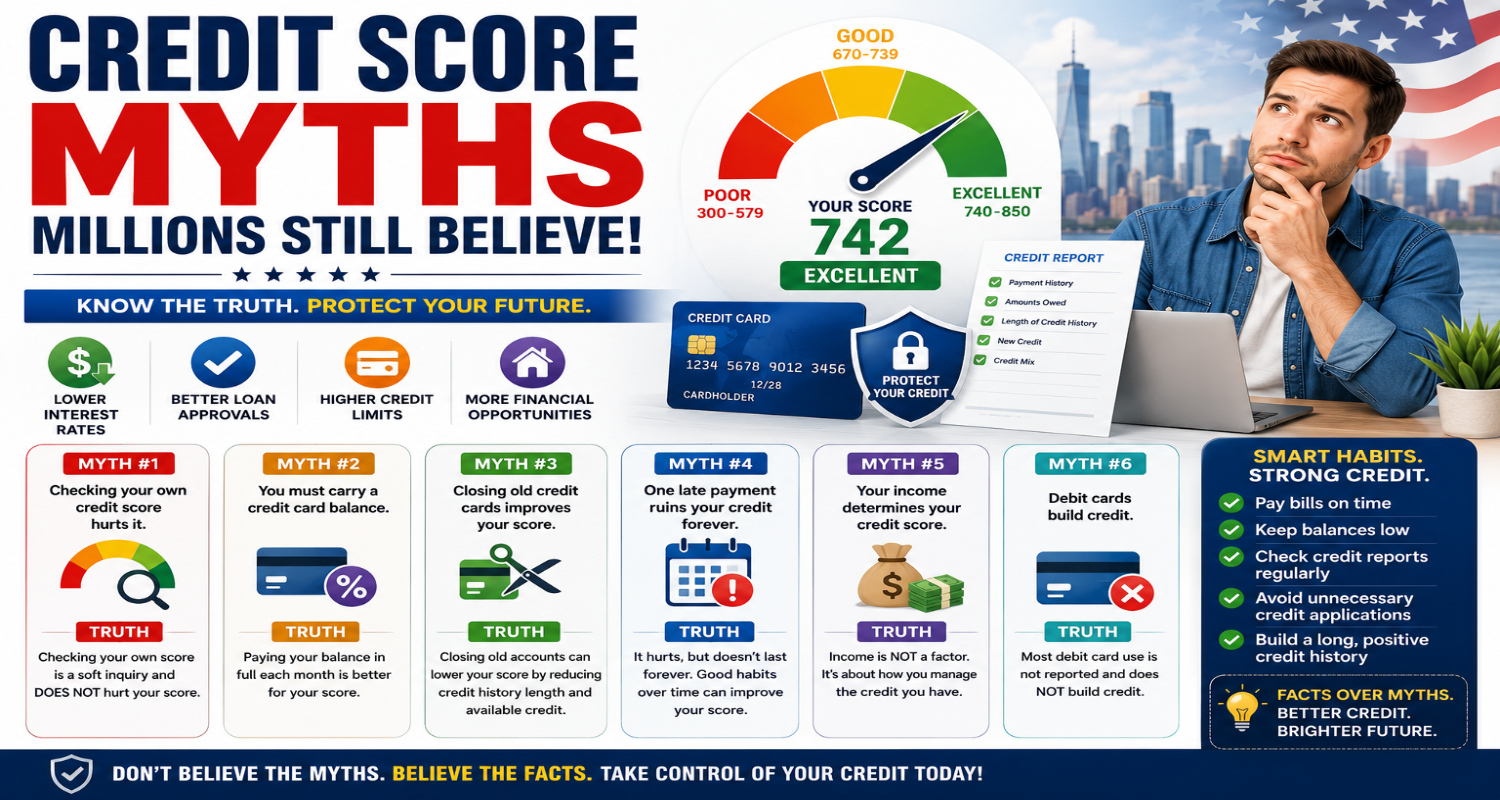
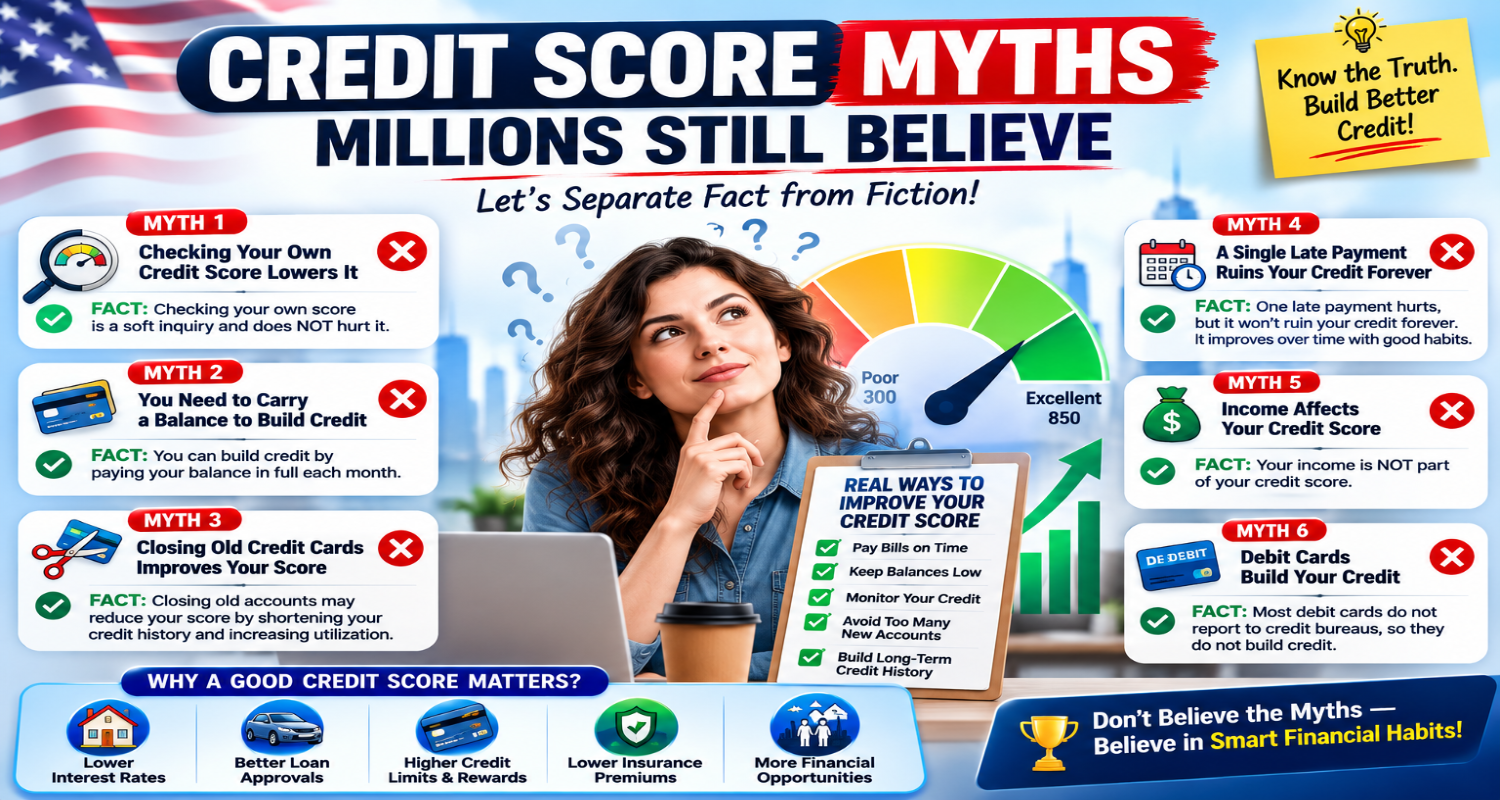
Myth #1: Checking Your Own Credit Score Hurts It
This is one of the biggest credit myths.
Fortunately, it isn’t true.
When you check your own credit score or review your credit report, it creates a soft inquiry.
Soft inquiries do not affect your credit score.
In fact, checking your credit regularly can help you:
- Find reporting errors.
- Detect identity theft.
- Monitor your financial progress.
- Track improvements over time.
Reviewing your credit is a smart financial habit.
Myth #2: Carrying a Balance Improves Your Credit Score
Many people believe they must carry a balance from month to month to build good credit.
That is false.
Credit scoring models reward responsible credit management, not paying unnecessary interest.
Instead:
- Pay your bills on time.
- Keep your balances low.
- Pay your statement balance whenever possible.
These habits can help strengthen your credit profile while saving money on interest charges.
Myth #3: Closing Old Credit Cards Always Helps
Closing an unused credit card may seem responsible.
However, it can sometimes hurt your credit.
Closing an account reduces your available credit.
As a result, your credit utilization ratio may increase.
It may also reduce the average age of your credit accounts over time.
Before closing a card, consider how it may affect your overall credit profile.
Myth #4: One Late Payment Doesn’t Matter
Even a single late payment can have consequences.
Late payments may:
- Lower your credit score.
- Trigger late fees.
- Increase your interest rate.
- Remain on your credit report for years.
Paying every bill on time remains one of the most effective ways to maintain strong credit.
Setting up automatic payments or reminders can help you avoid missing due dates.
Myth #5: Maxing Out Your Credit Card Is Fine If You Pay It Off Later
Some people believe using their entire credit limit won’t matter if they pay the balance later.
Unfortunately, that’s not always true.
A high credit utilization ratio can negatively affect your credit score, even if you pay the balance before interest is charged.
Keeping your balances well below your credit limits is generally a better strategy.
Credit utilization is one of the biggest factors that influences your credit score. Read What Is Credit Utilization? A Simple guide to learn how keeping your balances low can help strengthen your credit profile.
Myth #6: A Higher Income Means a Higher Credit Score
Many people believe earning more money automatically leads to a better credit score.
That is a myth.
Your income is generally not a direct factor in most credit scoring models.
Instead, your credit score is influenced by how responsibly you manage credit.
Important factors include:
- Paying bills on time
- Keeping credit utilization low
- Maintaining older credit accounts
- Limiting unnecessary credit applications
- Managing different types of credit responsibly
Someone with an average income can have an excellent credit score if they practice good financial habits.
Myth #7: You Should Never Use Credit Cards
Some people avoid credit cards completely because they fear debt.
While avoiding debt is wise, avoiding credit cards altogether is not always necessary.
When used responsibly, credit cards can help you:
- Build a positive credit history
- Earn rewards or cash back
- Improve your credit profile
- Provide fraud protection for purchases
The key is to pay your balance on time and avoid spending more than you can afford.
Myth #8: Paying Off Debt Instantly Fixes Your Credit Score
Paying off debt is a great financial achievement.
However, your credit score may not improve overnight.
Credit reports update periodically, and some negative information can remain for several years.
Improving your credit is usually a gradual process.
Continue making on-time payments and using credit responsibly to see steady progress.
Myth #9: You Can Close Paid-Off Credit Cards Without Consequences
After paying off a credit card, many people immediately close the account.
Although this may seem like a smart decision, it is not always the best option.
Keeping older accounts open can:
- Increase your available credit.
- Lower your credit utilization ratio.
- Help maintain the average age of your credit history.
Before closing an account, review how it could affect your overall credit profile.
Myth #10: Credit Repair Companies Can Erase Accurate Negative Information
Some companies advertise quick credit fixes and promise to remove negative items from your credit report.
Be cautious.
No legitimate company can legally remove accurate and verifiable negative information from your credit report.
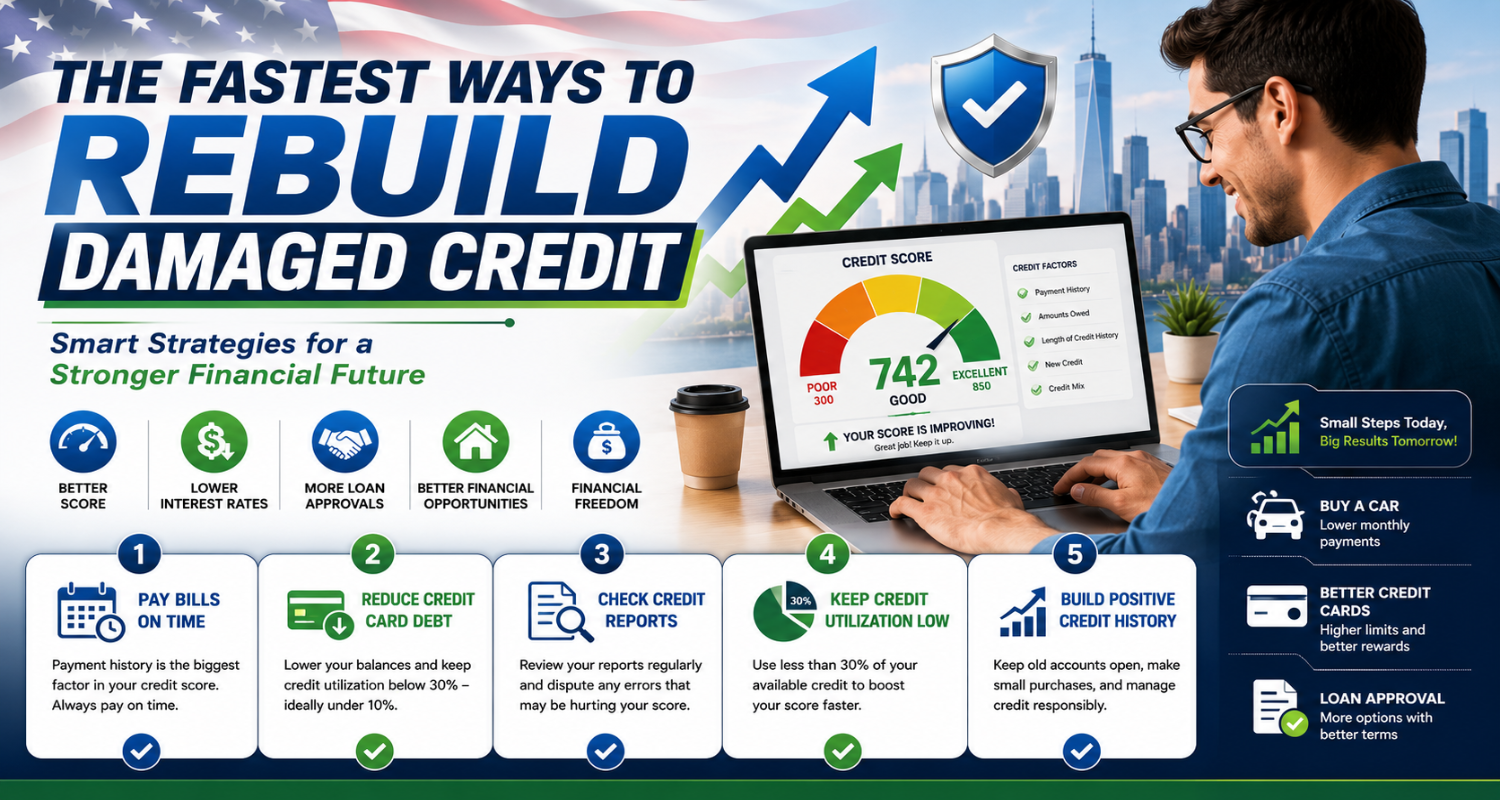
Building better credit usually requires:
- Paying bills on time
- Reducing outstanding balances
- Avoiding unnecessary debt
- Monitoring your credit regularly
Good financial habits remain the most reliable solution.
How to Separate Credit Facts From Fiction
Because there is so much financial advice online, it is important to verify information before acting on it.
Here are a few smart habits:
- Read information from trusted government agencies.
- Review your credit reports regularly.
- Ask questions before making financial decisions.
- Ignore social media advice that lacks reliable sources.
- Continue improving your financial knowledge.
Learning the facts today can save you money for years to come.
Where to Learn More About Credit
Reliable financial education helps you make informed decisions and avoid costly mistakes.
Government resources provide accurate, up-to-date information about credit scores, reports, and responsible borrowing.
The Consumer Financial Protection Bureau (CFPB) offers free educational resources about credit reports, credit scores, credit cards, and borrowing. Its guides can help you understand the facts behind common credit myths.
Frequently Asked Questions
What is the biggest credit myth?
One of the biggest myths is that carrying a credit card balance improves your credit score. In reality, paying your balance on time and keeping your credit utilization low are generally better strategies.
Does checking my own credit score hurt it?
No. Checking your own credit score creates a soft inquiry, which does not affect your credit score.
Is closing a paid-off credit card always a good idea?
Not always. Closing an account can reduce your available credit and increase your credit utilization ratio, depending on your overall credit profile.
How can I build better credit?
Focus on paying bills on time, keeping balances low, avoiding unnecessary debt, and reviewing your credit reports regularly.
Final Thoughts
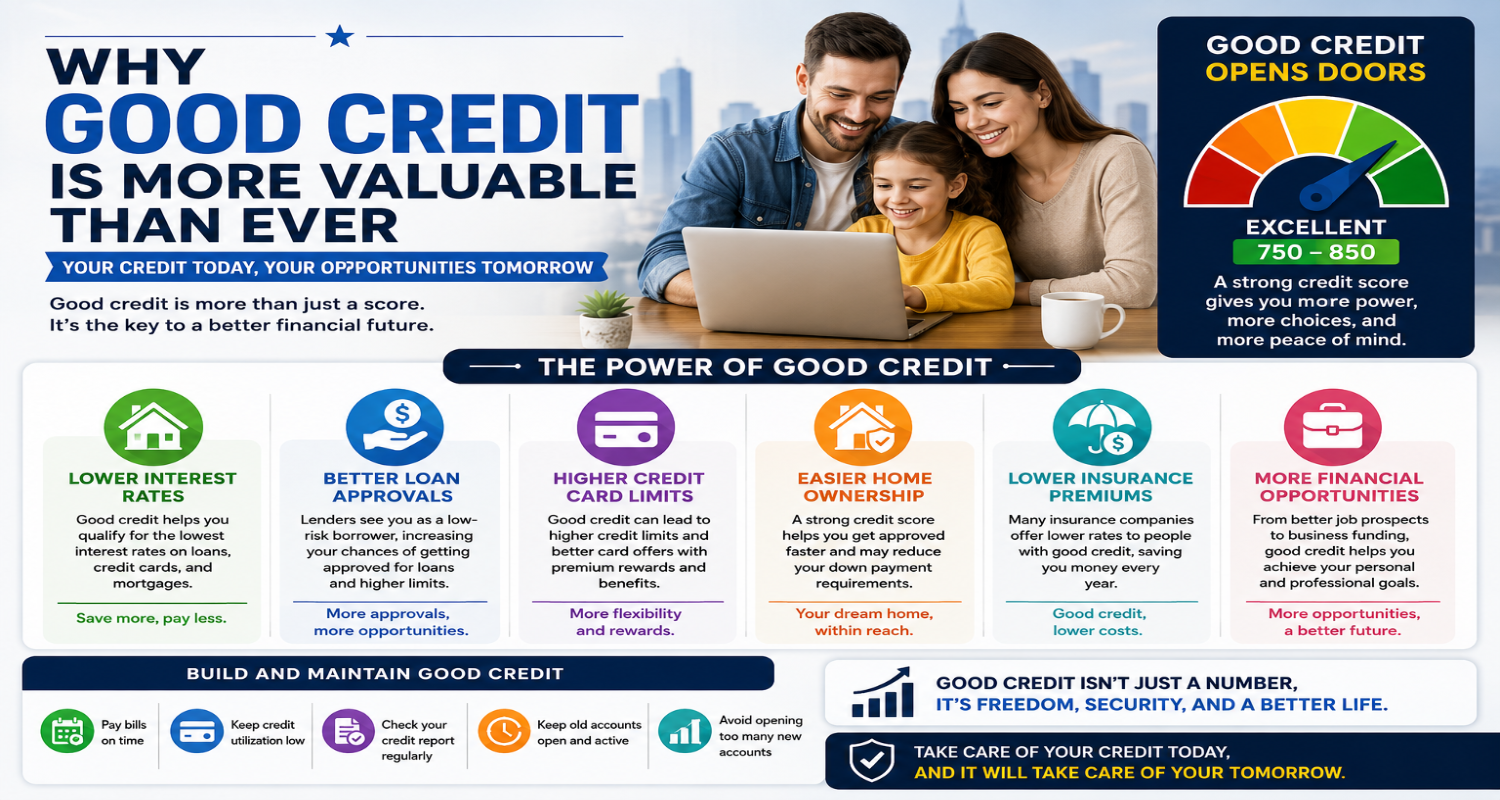
Believing common credit myths can lead to higher borrowing costs, unnecessary fees, and missed financial opportunities.
Fortunately, understanding how credit really works is not complicated.
Focus on facts instead of financial myths. Pay your bills on time, manage your credit responsibly, and continue learning from trusted sources. Over time, these habits can help you build a stronger credit profile and make smarter financial decisions.