 MOHAMMAD ABUBAKR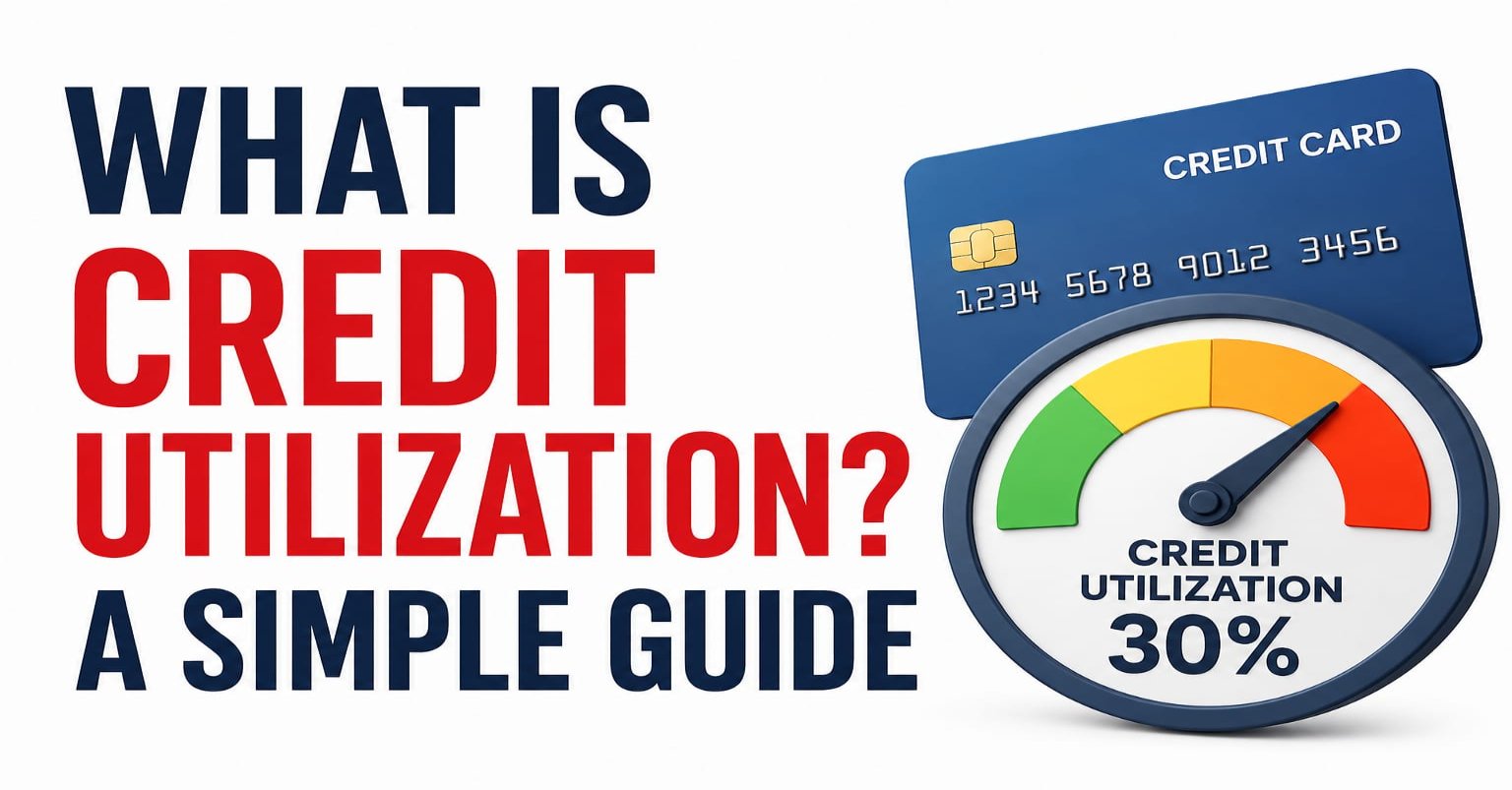
Introduction
If you’ve ever wondered why your credit score changes even when you pay your bills on time, credit utilization could be one of the reasons.
Credit utilization is one of the most important factors that affects your credit score. However, many people do not fully understand how it works.
The good news is that credit utilization is simple to calculate and, in many cases, easy to improve.
Whether you’re applying for a credit card, auto loan, or mortgage, keeping your credit utilization low can strengthen your credit profile and improve your chances of approval.
In this guide, you’ll learn what credit utilization means, how it affects your credit score, and practical ways to manage it wisely.
What Is Credit Utilization?
Credit utilization is the percentage of your available revolving credit that you are currently using.
In simple terms, it compares your total credit card balances with your total credit limits.
The formula looks like this:
Credit Utilization = Total Credit Card Balance ÷ Total Credit Limit × 100
For example:
- Total credit limit: $10,000
- Total credit card balance: $2,000
Credit utilization:
$2,000 ÷ $10,000 = 20%
That means you are using 20% of your available credit.
Lenders often view lower utilization as a sign of responsible credit management.
Why Credit Utilization Matters
Your payment history is generally the most important factor in your credit score.
However, credit utilization is also significant because it shows how much of your available credit you are using.
High utilization may suggest that you rely heavily on borrowed money.
As a result, lenders may view you as a higher-risk borrower.
Lower utilization often demonstrates that you manage credit responsibly.
Keeping your balances low can improve your overall credit profile over time.
How Credit Utilization Affects Your Credit Score
Credit utilization directly influences many credit scoring models.
Generally speaking:
- Lower utilization is better.
- Higher utilization can reduce your credit score.
Although there is no single perfect percentage, many financial professionals recommend keeping your utilization below 30%.
Some people aim for less than 10% to maximize their credit scores.
Remember, your utilization can change every month as your balances and payments change.
Credit utilization is only one part of your credit score. Read our 7 Credit Card Mistakes That Are Destroying Your Credit Score in 2026 guide to learn about other habits that can affect your credit profile.
What Is a Good Credit Utilization Ratio?
Although every financial situation is different, these general guidelines can help.
| Credit Utilization | What It Usually Means |
|---|---|
| Below 10% | Excellent |
| 10%–30% | Good |
| 30%–50% | Fair |
| Above 50% | High Risk |
These percentages are not official requirements.
Instead, they are commonly used benchmarks that many lenders and financial experts consider when evaluating credit behavior.
Common Credit Utilization Myths
Many people misunderstand how credit utilization works.
Let’s clear up a few common myths.
Myth 1: Carrying a Balance Improves Your Credit Score
This is false.
You do not need to carry a balance from month to month to build good credit.
Paying your balance in full can help you avoid interest while still demonstrating responsible credit use.
Myth 2: Closing a Credit Card Always Helps
Closing a credit card can actually increase your utilization ratio if it reduces your total available credit.
Before closing an account, consider how it may affect your overall credit profile.
Myth 3: Credit Utilization Never Changes
Your utilization changes whenever your balances or credit limits change.
That is why monitoring your accounts regularly is important.
How to Lower Your Credit Utilization
Improving your credit utilization does not always require paying off all your debt at once.
Instead, focus on small, consistent actions that reduce your utilization over time.
Here are some effective strategies:
1. Pay Down Your Credit Card Balances
The most effective way to lower your utilization is to reduce your outstanding balances.
Even making extra payments each month can improve your ratio.
2. Make Multiple Payments Each Month
You don’t have to wait until your due date.
Making payments before your statement closing date may reduce the balance that is reported to the credit bureaus.
As a result, your reported utilization may be lower.
3. Ask for a Credit Limit Increase
If you have a good payment history, your credit card issuer may approve a higher credit limit.
A higher limit can lower your utilization ratio, provided you do not increase your spending.
4. Keep Older Credit Cards Open
Closing an unused credit card reduces your total available credit.
This may increase your utilization ratio, even if your spending stays the same.
Before closing an account, consider how it may affect your overall credit profile.
5. Avoid Maxing Out Your Cards
Using most or all of your available credit can negatively affect your credit profile.
Whenever possible, keep balances well below your credit limits.
Small balances are generally viewed more favorably than large ones.
Mistakes That Increase Credit Utilization
Some everyday habits can quickly raise your utilization ratio.
Avoid these common mistakes:
- Making only the minimum payment.
- Maxing out one or more credit cards.
- Closing old credit card accounts without considering the impact.
- Continuing to make large purchases while carrying a balance.
- Ignoring your monthly credit card statements.
Changing these habits can help improve your credit over time.
How to Check Your Credit Utilization
You can estimate your utilization using a simple calculation:
Total Credit Card Balances ÷ Total Credit Limits × 100
Many banks and credit card companies also display your utilization ratio through their online account dashboards.
Review your balances regularly so you can identify changes before they affect your credit profile.
When Does Credit Utilization Matter Most?
Credit utilization becomes especially important when you plan to apply for:
- A mortgage
- An auto loan
- A personal loan
- A new credit card
Lowering your utilization before submitting an application may strengthen your overall credit profile and improve your chances of approval.
How to Check and Improve Your Credit
Monitoring your credit regularly helps you identify problems early.
Review your credit reports, make payments on time, and keep your balances as low as possible.
Building strong credit is a long-term process, but consistent financial habits can produce meaningful results.
The Consumer Financial Protection Bureau (CFPB) offers free resources on credit reports, credit scores, and responsible credit card use. Its educational tools can help you better understand and improve your credit health.
Frequently Asked Questions
What is the best credit utilization ratio?
Many financial experts recommend keeping your credit utilization below 30%. People with excellent credit often maintain utilization below 10%, but there is no universal requirement.
Does paying off my credit card lower my utilization?
Yes. Paying down your balance reduces the percentage of available credit you are using, which lowers your utilization ratio.
Does credit utilization reset every month?
Your utilization changes as your balances and credit limits change. Credit card issuers typically report account information to the credit bureaus on a regular basis, often around your statement closing date.
Can increasing my credit limit improve my utilization?
Yes, if your spending stays the same. A higher credit limit increases your available credit, which can reduce your utilization ratio.
Final Thoughts
Credit utilization is one of the easiest parts of your credit profile to improve.
By paying down balances, avoiding unnecessary debt, and keeping your utilization low, you can strengthen your credit over time.
Remember that building good credit is a long-term process. Focus on responsible borrowing, on-time payments, and consistent financial habits. These simple actions can help you qualify for better financial opportunities in the future.