 MOHAMMAD ABUBAKR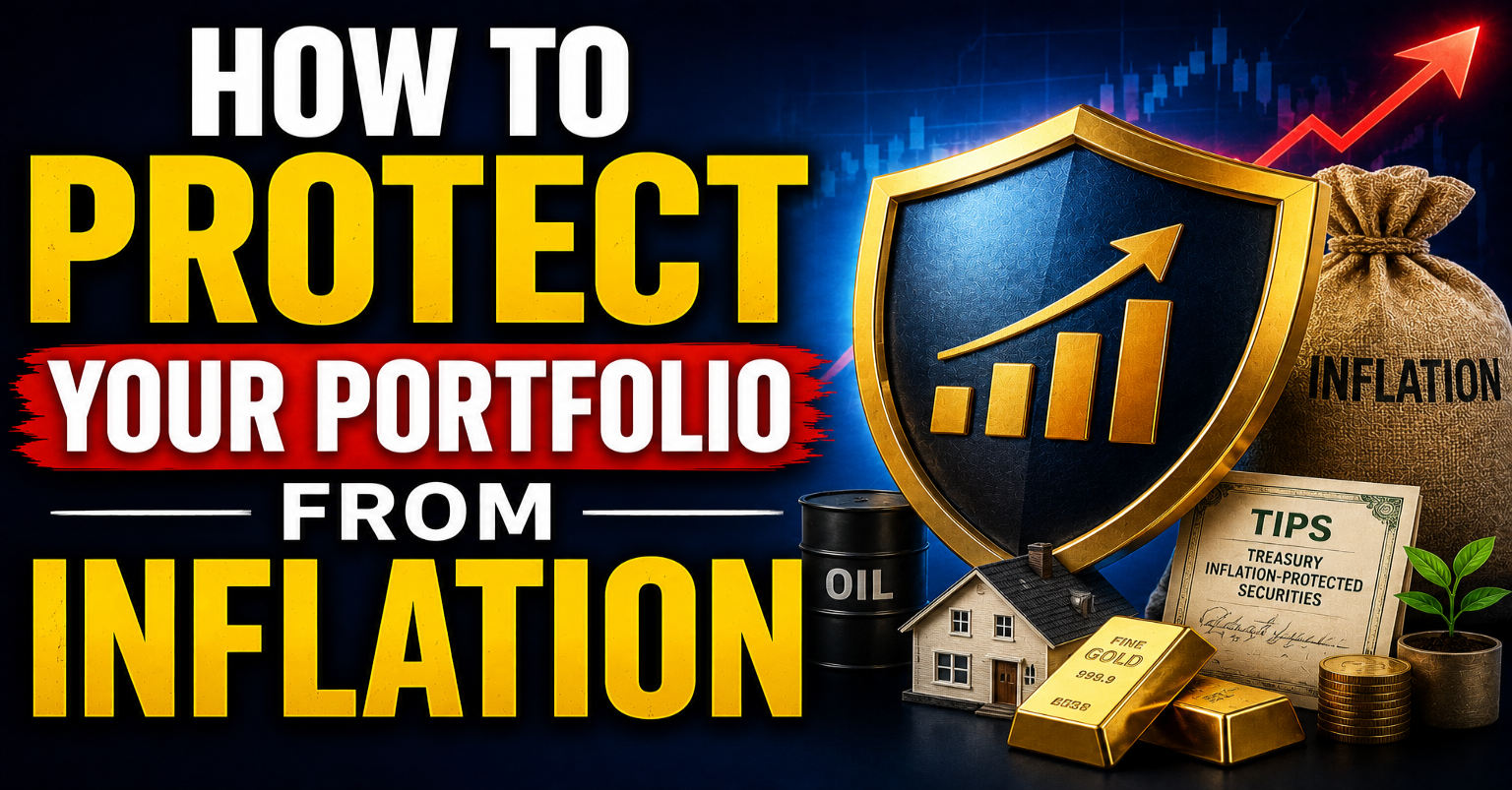
Introduction
Inflation affects nearly every part of your financial life.
When prices rise, your purchasing power falls. As a result, the money you saved may not buy as much as it did a few years ago.
Many Americans focus on earning higher returns. However, protecting existing wealth is equally important.
A well-balanced portfolio can help reduce the impact of inflation over time.
Although no investment completely eliminates inflation risk, some strategies have historically performed better than others during periods of rising prices.
In this guide, you’ll learn practical ways to protect your portfolio from inflation while staying focused on your long-term financial goals.
Why Inflation Matters to Investors
Inflation measures how quickly the prices of goods and services increase.
When inflation remains high for an extended period, cash loses purchasing power.
For investors, this creates an important challenge.
If your investments grow more slowly than inflation, your real returns decline.
Consequently, building wealth becomes more difficult.
Understanding inflation helps investors make informed decisions instead of reacting emotionally to economic headlines.
How Inflation Affects Your Portfolio
Inflation influences different investments in different ways.
For example:
- Cash loses purchasing power over time.
- Bonds may face pressure when interest rates rise.
- Some stocks perform better than others.
- Real assets may increase in value.
- Consumer spending patterns often change.
Because of these effects, reviewing your portfolio during periods of high inflation is a smart financial habit.
1. Diversify Your Investments
Diversification remains one of the most effective ways to manage investment risk.
Instead of relying on one asset class, spread your investments across different categories.
A diversified portfolio may include:
- U.S. stocks
- International stocks
- Index funds
- ETFs
- Bonds
- Real estate investments
- Cash reserves
Although diversification cannot eliminate losses, it may reduce the impact of inflation on your overall portfolio.
Moreover, different investments often perform differently during changing economic conditions.
2. Invest in Quality Companies
Some businesses handle inflation better than others.
Companies with strong brands and consistent earnings may have greater flexibility to raise prices without losing customers.
These businesses often operate in sectors such as:
- Consumer staples
- Healthcare
- Utilities
- Energy
- Technology
Quality companies may continue generating profits even when inflation increases operating costs.
Therefore, many long-term investors prioritize financially strong businesses over speculative investments.
3. Consider Index Funds
Index funds remain a popular choice for investors seeking broad market exposure.
Rather than relying on a few individual stocks, they invest across hundreds of companies.
This diversification helps reduce company-specific risk.
Additionally, many index funds offer low investment costs, making them attractive for long-term investors.
Although index funds do not guarantee protection from inflation, they provide exposure to businesses that may benefit as the economy grows over time.
4. Continue Investing Consistently
Many investors stop investing when inflation rises.
However, waiting on the sidelines may cause you to miss future market opportunities.
Instead, continue investing according to your financial plan.
Strategies like dollar-cost averaging allow you to invest a fixed amount at regular intervals.
Consequently, you purchase more shares when prices decline and fewer shares when prices increase.
Over time, this disciplined approach can reduce the impact of market volatility.
5. Focus on Long-Term Growth
Inflation often creates short-term uncertainty.
Nevertheless, successful investors usually focus on long-term results instead of temporary market movements.
Markets have experienced inflation, recessions, and economic slowdowns throughout history.
Despite these challenges, diversified portfolios have often recovered over longer investment periods.
Remaining patient can be one of the most valuable investment decisions you make.
Many investors use index funds to build diversified portfolios that can support long-term growth. Read our Why More Americans Are Choosing Index Funds in 2026 guide to learn why these investments continue to gain popularity.
6. Consider Inflation-Resistant Assets
Some investments have historically performed better than others during periods of higher inflation.
Although no asset guarantees positive returns, adding a mix of inflation-resistant investments may strengthen your portfolio.
Examples include:
- Broad stock market index funds
- Real estate investments
- Treasury Inflation-Protected Securities (TIPS)
- Certain commodity investments
- Dividend-paying stocks
Each investment has its own level of risk.
Therefore, choose assets that match your financial goals and risk tolerance.
7. Review and Rebalance Your Portfolio
Your portfolio naturally changes as markets move.
For example, strong-performing investments may become a larger percentage of your holdings.
As a result, your original asset allocation can shift over time.
Rebalancing helps restore your desired investment mix.
Many investors review their portfolios once or twice each year.
This habit helps maintain diversification while reducing unnecessary risk.
8. Avoid Keeping Too Much Cash
Cash provides stability and liquidity.
However, holding excessive cash during periods of high inflation may reduce your purchasing power.
Instead, keep enough cash for:
- Emergency expenses
- Short-term financial needs
- Planned purchases
Meanwhile, consider investing additional long-term savings according to your financial plan.
Finding the right balance between cash and investments is essential.
9. Invest With a Long-Term Mindset
Inflation often causes short-term market uncertainty.
Even so, making emotional decisions can hurt long-term returns.
Successful investors usually avoid reacting to every economic headline.
Instead, they remain focused on long-term objectives.
Markets have experienced inflation before.
Although every period is different, disciplined investing has historically rewarded patient investors over time.
Common Mistakes to Avoid During Inflation
Inflation can tempt investors to make rushed decisions.
Avoid these common mistakes whenever possible:
- Selling investments out of fear.
- Trying to predict short-term market movements.
- Ignoring diversification.
- Holding too much cash for too long.
- Chasing high-risk investments promising quick returns.
- Forgetting to review your portfolio.
- Investing without clear financial goals.
Avoiding these mistakes can help protect both your investments and your peace of mind.
Investor.gov, the official investor education website from the U.S. Securities and Exchange Commission (SEC), provides free guidance on diversification, inflation, investment risk, and long-term portfolio management. Reviewing these educational resources can help investors make informed financial decisions during periods of rising prices.
Frequently Asked Questions
What is the best investment during inflation?
There is no single best investment.
Many investors use a diversified portfolio that may include stocks, index funds, real estate, and inflation-protected securities.
Does inflation always hurt the stock market?
Not always.
Some companies perform well during inflation because they can increase prices while maintaining strong earnings.
Should I stop investing when inflation is high?
Many long-term investors continue investing during inflation.
Consistent investing may help reduce the impact of short-term market fluctuations.
How often should I review my portfolio?
Reviewing your portfolio once or twice each year is sufficient for many investors.
Additional reviews may be appropriate after major life events or significant market changes.
Final Thoughts
Inflation is a normal part of every economic cycle.
Although rising prices reduce purchasing power, they do not have to derail your financial goals.
A diversified portfolio, consistent investing, and a long-term mindset can help protect your wealth during challenging economic conditions.
Instead of reacting to short-term inflation headlines, focus on strategies you can control.
Review your investments regularly.
Maintain proper diversification.
Stay committed to your financial plan.
These habits can help you build a stronger portfolio and improve your long-term financial security.