 MOHAMMAD ABUBAKR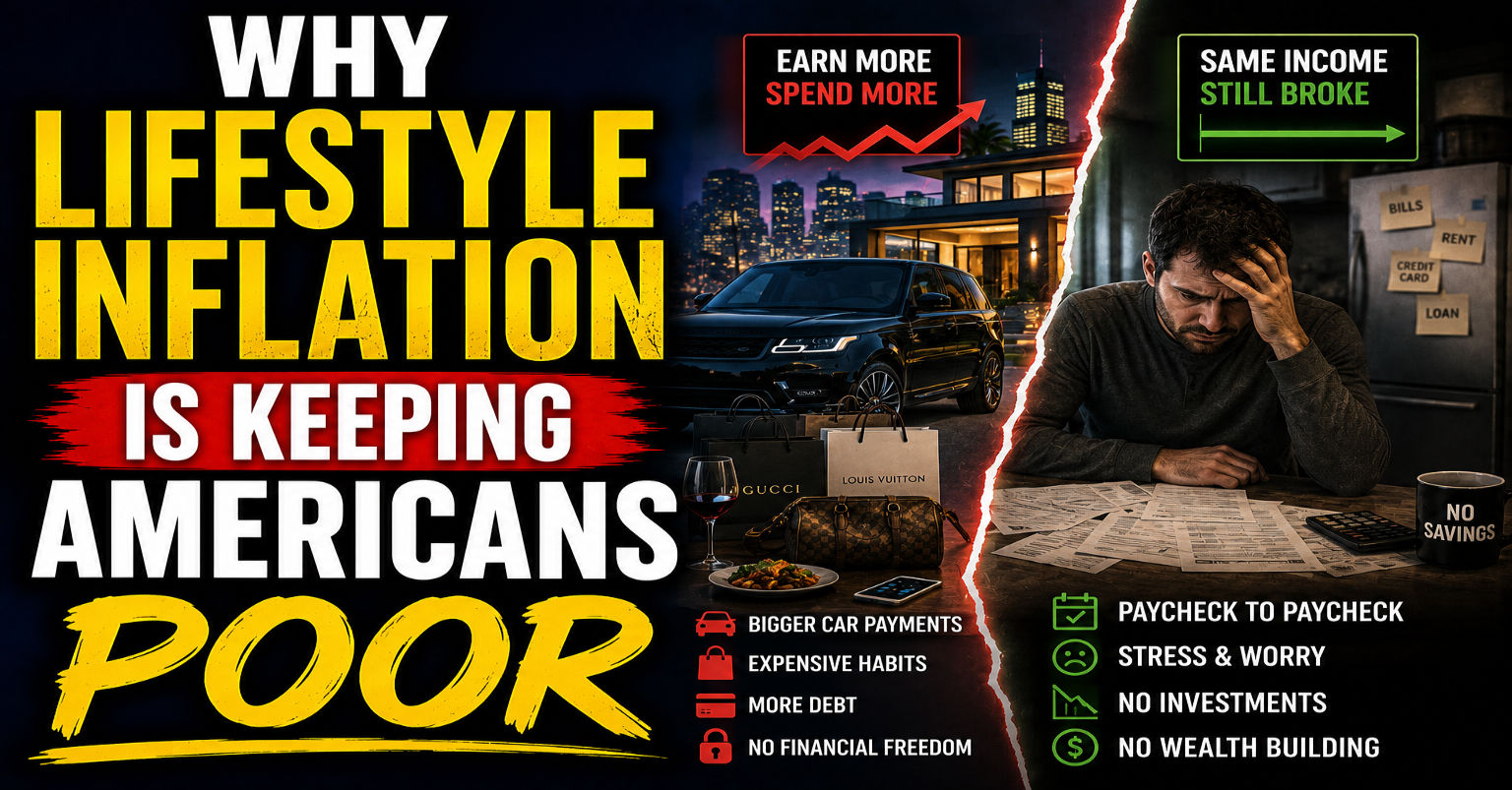
Introduction
Getting a raise should improve your financial future.
However, for many Americans, a higher paycheck does not lead to greater wealth.
Instead, it often leads to higher spending.
A nicer apartment, a newer car, premium subscriptions, and frequent dining out can quickly consume the extra income.
This pattern is called lifestyle inflation.
Although it may feel rewarding at first, it can quietly prevent you from building long-term wealth.
In this guide, you’ll learn why lifestyle inflation affects so many households and how you can avoid this common financial trap.
What Is Lifestyle Inflation?
Lifestyle inflation, sometimes called lifestyle creep, happens when your spending increases as your income grows.
For example, imagine receiving a promotion with a higher salary.
Instead of saving or investing the additional income, you begin spending more on luxury items and everyday conveniences.
While occasional upgrades are perfectly reasonable, constantly increasing your lifestyle can leave you with little financial progress.
As a result, many people earn more than ever while still living paycheck to paycheck.
Why Lifestyle Inflation Is So Common
Lifestyle inflation rarely happens overnight.
Instead, it develops through small spending decisions.
Several factors encourage this behavior, including:
- Higher salaries
- Social media influence
- Peer pressure
- Easy access to credit
- Online shopping
- Buy-now-pay-later services
Because these changes happen gradually, many people do not notice how much their expenses have increased.
Eventually, the extra income disappears before meaningful savings can grow.
1. Higher Income Does Not Always Mean Greater Wealth
Many people assume that earning more automatically leads to financial success.
Unfortunately, income alone does not build wealth.
The difference between income and spending determines your financial progress.
Someone earning $70,000 while saving consistently may build more wealth than someone earning $120,000 who spends nearly every dollar.
Therefore, controlling expenses is just as important as increasing income.
2. Lifestyle Inflation Slows Down Savings
Every dollar spent on unnecessary upgrades is a dollar that cannot be saved.
Over time, this creates a significant opportunity cost.
For example, increasing monthly spending by just $400 reduces annual savings by nearly $4,800.
Over several years, that money could have helped fund:
- An emergency fund
- Retirement savings
- A home down payment
- College expenses
- Investment accounts
Small monthly spending decisions often create large long-term financial consequences.
3. Debt Often Increases Along With Spending
Lifestyle inflation does not always involve cash purchases.
Many households rely on credit cards or financing to maintain an upgraded lifestyle.
As debt grows, interest payments consume even more income.
Consequently, saving becomes increasingly difficult.
Instead of building wealth, many families spend years paying for purchases they no longer use or enjoy.
4. Lifestyle Inflation Delays Financial Freedom
Financial freedom depends on having money available for future goals.
However, increasing expenses makes that goal more difficult to achieve.
Higher monthly obligations reduce financial flexibility.
As a result, unexpected expenses become more stressful.
People may postpone important milestones such as:
- Buying a home
- Starting a business
- Early retirement
- Traveling
- Career changes
Keeping expenses under control creates more opportunities later in life.
5. It Creates the Illusion of Success
Expensive purchases often create the appearance of financial success.
However, appearances rarely reveal someone’s actual financial situation.
A luxury vehicle, designer clothing, or an expensive home does not necessarily indicate wealth.
True financial strength usually comes from:
- Consistent saving
- Smart investing
- Low debt
- Emergency savings
- Long-term planning
Building real wealth often happens quietly rather than publicly.
6. Small Upgrades Become Permanent Expenses
One-time purchases are not always the biggest problem.
Recurring expenses usually have a greater impact.
Examples include:
- Larger mortgage payments
- Higher car payments
- Premium streaming services
- Expensive gym memberships
- Frequent restaurant meals
- Luxury phone plans
Each expense may seem manageable on its own.
Together, however, they can significantly reduce your ability to save and invest.
Reducing unnecessary spending is one of the fastest ways to grow your savings. Read our How to Save $10,000 Faster Than You Think guide for practical strategies that can help you reach your financial goals sooner.
7. Invest Raises Instead of Spending Them
Getting a raise is exciting.
However, it also presents an opportunity to improve your financial future.
Instead of increasing your lifestyle immediately, consider directing part of every raise toward savings or investments.
For example, if your salary increases by $500 per month, you could invest $300 and use the remaining $200 for personal spending.
This balanced approach allows you to enjoy your success while continuing to build wealth.
Over time, those extra investments may grow through the power of compound returns.
8. Build a Lifestyle Around Your Goals
Many people spend money to impress others.
However, lasting financial success comes from spending according to your own priorities.
Ask yourself:
- Does this purchase improve my life?
- Will I still value it next year?
- Is it helping or delaying my financial goals?
Answering these questions before making major purchases can prevent unnecessary spending.
As a result, your money works harder for your future instead of disappearing on short-term wants.
9. Follow the 24-Hour Rule
Impulse buying is one of the biggest drivers of lifestyle inflation.
Fortunately, a simple habit can reduce it.
Before buying non-essential items, wait at least 24 hours.
For larger purchases, consider waiting a few days.
During that time, ask yourself whether you truly need the item.
In many cases, the desire to buy fades naturally.
Consequently, you keep more money available for saving and investing.
10. Review Your Spending Every Month
Your financial habits can change without you noticing.
Therefore, review your monthly expenses regularly.
Look for subscriptions you no longer use.
Compare your spending with your budget.
Identify categories where costs have quietly increased.
Small adjustments made every month can prevent lifestyle inflation from becoming a long-term problem.
Common Signs You’re Experiencing Lifestyle Inflation
Lifestyle inflation is not always obvious.
Watch for these warning signs:
- You receive a raise, but your savings stay the same.
- Your credit card balance continues to grow.
- Every salary increase leads to higher monthly bills.
- Luxury purchases become routine instead of occasional.
- You feel financially stressed despite earning more.
- You rarely invest additional income.
- You cannot explain where your extra money goes.
Recognizing these signs early makes it easier to regain control of your finances.
The Consumer Financial Protection Bureau (CFPB) offers free tools to help Americans create budgets, manage debt, improve savings habits, and make informed financial decisions. Exploring these resources can help you avoid lifestyle inflation and stay focused on long-term financial goals.
Frequently Asked Questions
Is lifestyle inflation always bad?
No.
Improving your quality of life is a reasonable goal.
The problem begins when spending increases so much that saving and investing become difficult.
A healthy balance is usually the best approach.
How can I avoid lifestyle inflation?
Create a budget, automate savings, invest part of every raise, and review your spending regularly.
These habits make it easier to grow wealth while still enjoying your income.
Should I enjoy my money or save everything?
Both are important.
A balanced financial plan allows you to enjoy life today while preparing for future goals.
Avoiding lifestyle inflation does not mean avoiding happiness.
It means spending intentionally.
What should I do after getting a raise?
Before increasing your spending, consider increasing your retirement contributions, emergency savings, or investment account deposits.
Then decide whether any lifestyle upgrades truly fit your long-term goals.
Final Thoughts
Lifestyle inflation is one of the biggest obstacles to building long-term wealth.
Although earning more money creates new opportunities, spending more every time your income rises can keep you financially stuck.
Instead, make intentional choices with every raise.
Increase your savings.
Invest consistently.
Review your spending habits.
Most importantly, let your financial goals guide your decisions instead of social pressure or temporary wants.
Small choices made today can create lasting financial freedom tomorrow.