 MOHAMMAD ABUBAKR
Every investor dreams of finding the next big stock before everyone else. Stories about investors earning huge returns often make it seem like beating the stock market is simply a matter of choosing the right investments. However, the reality is much more complicated.
Many professional fund managers, hedge funds, and experienced investors spend years researching companies, analyzing financial statements, and studying economic trends. Even with access to advanced tools and large research teams, consistently outperforming the market over long periods has proven extremely difficult.
That doesn’t mean successful investing is impossible. Instead, it highlights the importance of building a realistic investment strategy focused on long-term growth rather than trying to outperform the market every year.
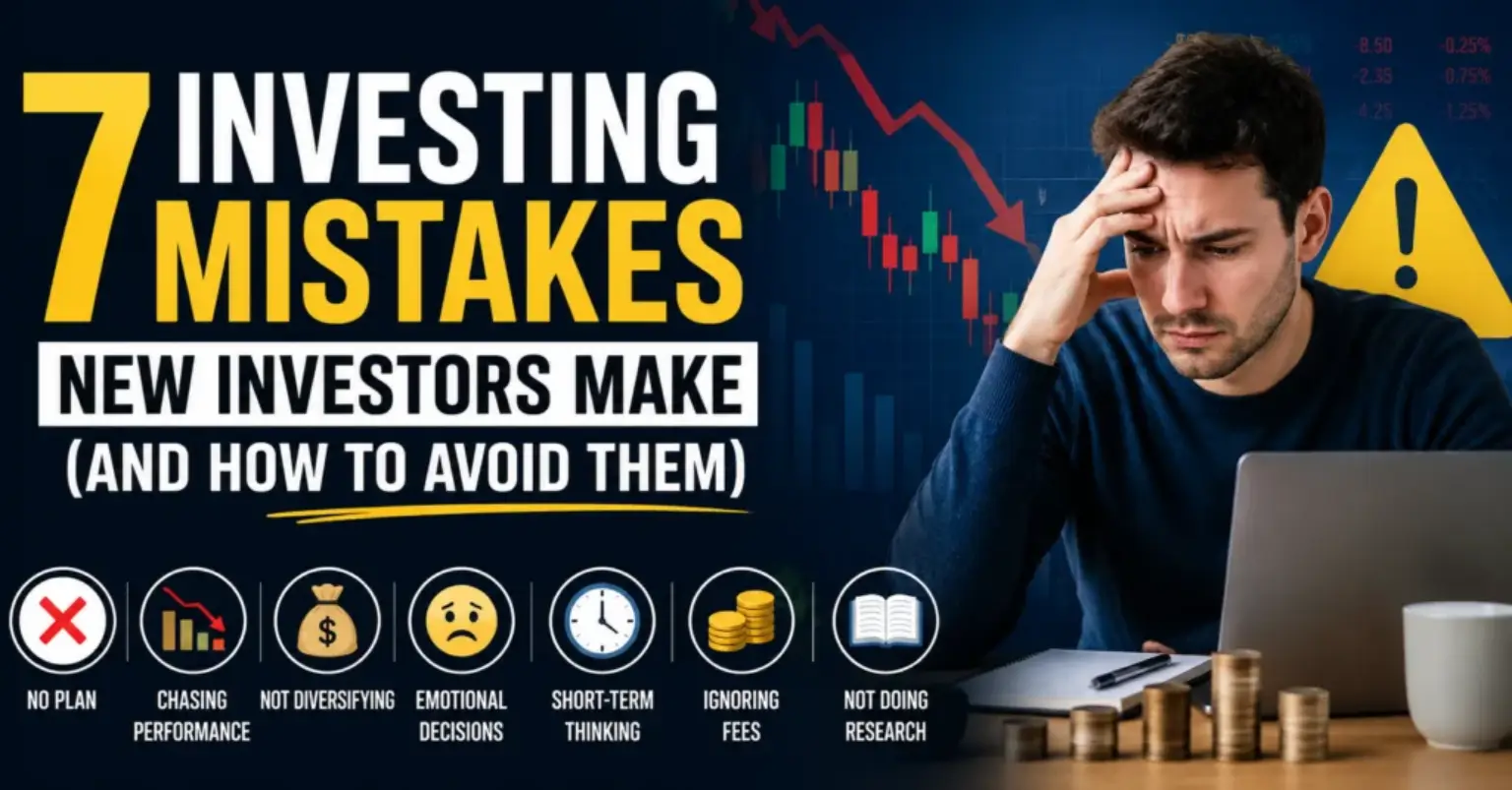
How to Create a Simple Investment Plan
This guide explains whether it’s possible to beat the market consistently, why many investors struggle to do so, and what strategies may improve your long-term investment results.
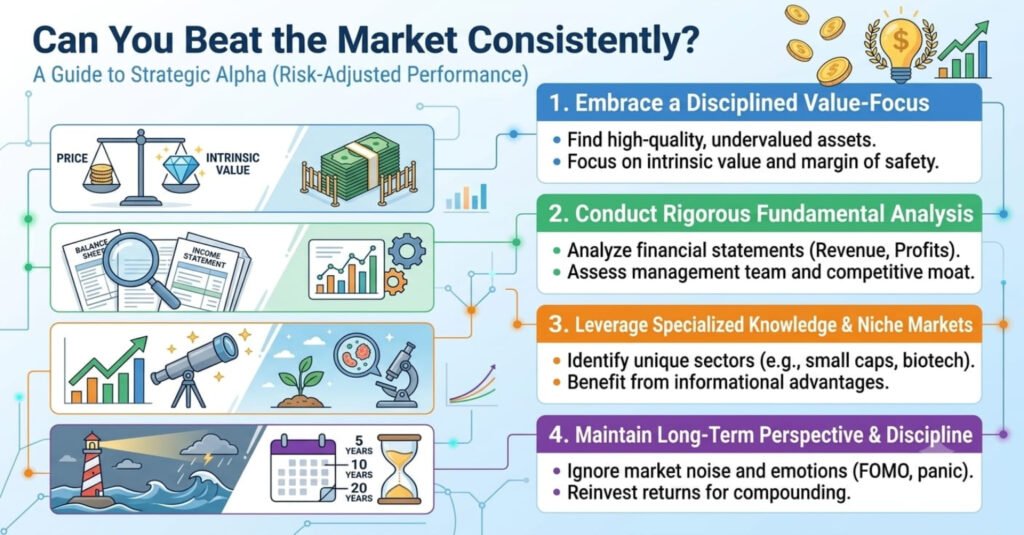
What Does “Beating the Market” Mean?
Beating the market means earning a higher return than a widely followed market benchmark over a specific period.
Many investors compare their portfolios with broad stock market indexes because these indexes represent the performance of large groups of publicly traded companies.
Outperforming the market occasionally is possible.
Doing it consistently over many years is much more challenging.
Why Consistently Beating the Market Is Difficult
Markets Quickly Reflect New Information
Stock prices change as new information becomes available.
Company earnings, economic reports, interest rate decisions, and industry developments are rapidly reflected in market prices.
Because millions of investors participate every day, identifying undervalued opportunities before others notice them is extremely difficult.
Professional Investors Create Strong Competition
Individual investors compete with:
- Investment firms
- Mutual fund managers
- Pension funds
- Hedge funds
- Institutional investors
These organizations often have access to extensive research resources and experienced analysts.
Even so, many professional managers fail to outperform the broader market over long periods.
Investment Costs Reduce Returns
Trading frequently may increase costs.
These expenses can include:
- Brokerage fees
- Fund management fees
- Taxes
- Bid-ask spreads
Lower investment costs leave more of your returns invested over time.
Emotional Decisions Hurt Performance
One of the biggest challenges isn’t selecting investments.
It’s controlling emotions.
Many investors:
- Buy after prices rise.
- Sell during market declines.
- React to headlines.
- Chase popular trends.
These behaviors often reduce long-term returns.
Can Anyone Beat the Market?
Yes—but consistency is the difficult part.
Some investors outperform the market during certain years.
Others may outperform for several years in a row.
However, maintaining superior performance over decades has historically been rare.
Long-term success requires:
- Careful research.
- Patience.
- Risk management.
- Discipline.
- A repeatable investment process.
Even then, future results are never guaranteed.
Common Strategies Investors Use
Investing in Individual Stocks
Some investors research companies they believe have strong growth potential.
Although this approach may generate higher returns, it also increases the risk of underperforming the market.
Careful analysis is essential.
Index Fund Investing
Many investors choose index funds because they aim to match the overall market rather than beat it.
Benefits include:
- Broad diversification.
- Lower costs.
- Simple management.
- Consistent market exposure.
For many long-term investors, matching the market has proven to be an effective wealth-building strategy.
Value Investing
Value investors search for companies they believe are trading below their intrinsic value.
This strategy requires patience and detailed financial analysis.
Not every undervalued stock eventually performs well.
Growth Investing
Growth investors focus on companies expected to increase earnings faster than average.
These stocks may offer higher return potential but often experience greater price volatility.
Why Time Matters More Than Timing
Many investors spend considerable effort trying to predict:
- Market tops.
- Market bottoms.
- Economic recessions.
- Interest rate changes.
Unfortunately, consistently making accurate predictions is extremely difficult.
History has shown that remaining invested for long periods often matters more than attempting to perfectly time every market movement.
Regular investing helps reduce the pressure of prediction.
Habits of Successful Long-Term Investors
Rather than trying to beat the market every year, many successful investors focus on building strong habits.
These include:
Investing Consistently
Making regular contributions helps build wealth gradually.
Automatic investing also removes much of the emotion from the process.
Diversifying Investments
Owning different asset classes reduces dependence on the performance of any single investment.
Diversification supports more stable long-term results.
Keeping Costs Low
Investment expenses reduce returns over time.
Choosing lower-cost investment options allows more money to remain invested.
Staying Patient
Markets experience periods of volatility.
Long-term investors understand that temporary declines are a normal part of investing.
Patience often rewards disciplined investors.
Common Mistakes That Prevent Market Outperformance
Avoid these investing mistakes.
Trading Too Frequently
Frequent buying and selling increases costs and may reduce long-term returns.
Chasing Hot Stocks
Popular investments often receive significant attention after prices have already risen.
Buying based solely on recent performance increases risk.
Ignoring Risk
Higher potential returns usually come with greater uncertainty.
A balanced portfolio helps manage investment risk.
Following Headlines
Financial news changes daily.
Long-term investment decisions should focus on business fundamentals rather than short-term market stories.
Should You Try to Beat the Market?
The answer depends on your experience, knowledge, and financial goals.
If you enjoy researching companies and understand investment risks, actively selecting investments may be appropriate for a portion of your portfolio.
However, many investors choose diversified index funds because they provide broad market exposure with relatively low costs.
The most important goal is not necessarily outperforming others.
Instead, it’s achieving your own financial objectives.
Tips for Better Investment Results
Whether you aim to beat the market or simply build long-term wealth, these habits can improve your investment approach.
- Invest consistently.
- Diversify your portfolio.
- Keep investment costs low.
- Review your investments regularly.
- Avoid emotional decisions.
- Stay focused on long-term goals.
- Continue learning about investing.
Consistent habits often produce better results than short-term predictions.
Frequently Asked Questions
Can individual investors beat the stock market?
Some individual investors outperform the market over certain periods. However, consistently doing so over many years has historically been difficult.
Why do many investors choose index funds?
Index funds offer diversification, lower costs, and an opportunity to match overall market performance without selecting individual stocks.
Is trying to time the market a good strategy?
Predicting short-term market movements is extremely challenging. Many long-term investors prefer consistent investing instead.
Can professional fund managers consistently beat the market?
Some outperform for limited periods, but many professional managers have found it difficult to consistently exceed broad market benchmarks after fees over long timeframes.
What’s more important than beating the market?
Building a diversified portfolio, investing consistently, controlling costs, and staying focused on long-term financial goals are often more important than trying to outperform the market every year.
Final Thoughts
Beating the market consistently is an appealing goal, but it’s far more difficult than many investors realize. Even experienced professionals with extensive resources often struggle to outperform broad market indexes over long periods. Instead of focusing solely on chasing higher returns, many investors achieve greater success by following a disciplined, long-term investment strategy.
Building wealth doesn’t require predicting every market move or finding the next winning stock. Investing consistently, maintaining a diversified portfolio, keeping costs low, and staying patient through market ups and downs can provide a strong foundation for long-term financial success. In the end, reaching your personal financial goals is often more meaningful than simply trying to beat the market.
Investor.gov – Investment Products