 MOHAMMAD ABUBAKR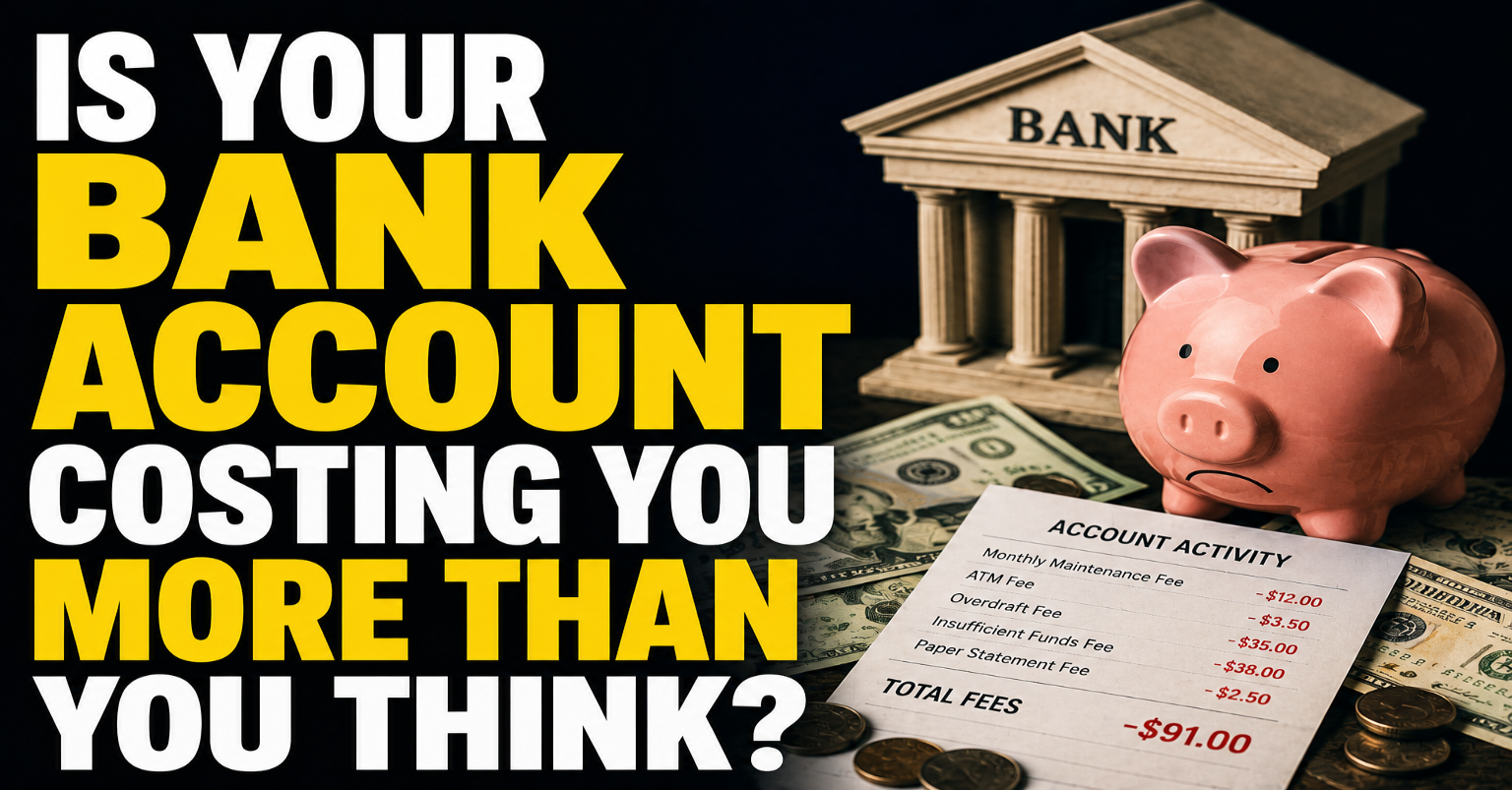
Introduction
Most people think of a bank account as a safe place to keep their money.
And it is.
However, many bank accounts also come with costs that can quietly reduce your savings over time.
Monthly maintenance fees, low interest rates, overdraft charges, and other banking costs may seem small individually, but they can add up faster than many people realize.
The good news is that many of these costs are avoidable once you know where to look.
In this guide, you’ll learn how your bank account may be costing you more than you think and what you can do to keep more of your money working for you.
Why Bank Account Costs Matter
Banking costs often go unnoticed because they happen automatically.
A few dollars here and there may not feel significant, but over months and years, those charges can have a meaningful impact on your finances.
Reducing unnecessary banking costs is one of the simplest ways to improve your financial health.
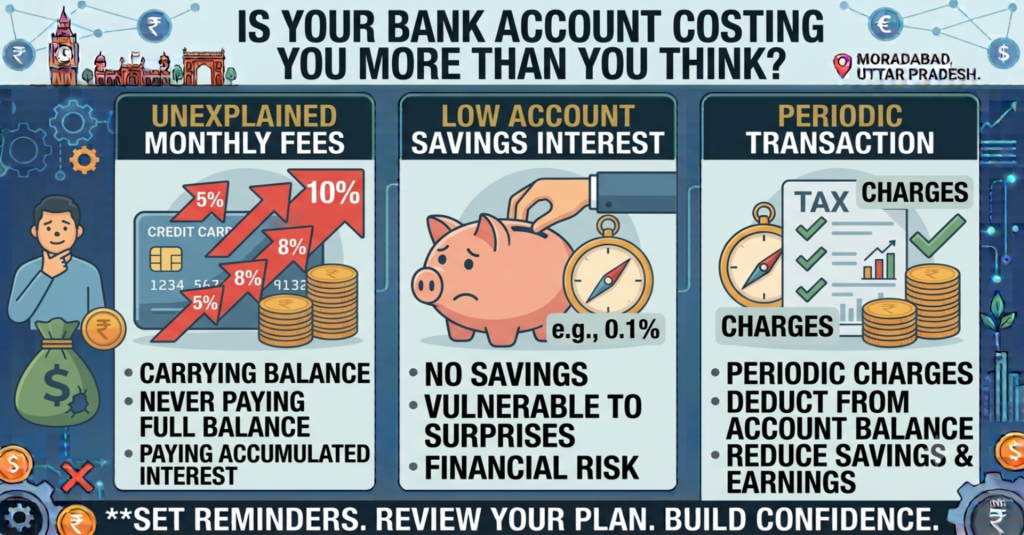
1. Monthly Maintenance Fees
Some checking and savings accounts charge monthly maintenance fees.
These fees may apply if you:
- Don’t maintain a minimum balance.
- Don’t receive direct deposits.
- Don’t meet certain account requirements.
Even a small monthly fee can add up over the course of a year.
Reviewing your account terms can help you determine whether you’re paying fees that could potentially be avoided.
2. Low Interest Rates on Savings
Many traditional savings accounts earn relatively low interest.
If inflation rises faster than your savings grow, your money may gradually lose purchasing power.
This doesn’t mean savings accounts are bad.
It means it’s important to understand how your account’s interest rate compares with other available options and with the rising cost of living.
If you’re concerned about earning more on your savings, read our The Truth About High-Yield Savings Accounts guide to understand how these accounts work and whether they may fit your financial goals.
3. Overdraft Fees
Overdraft fees can be one of the most expensive banking charges.
These fees may occur when you spend more money than is available in your account.
Common causes include:
- Automatic payments.
- Debit card purchases.
- Checks.
Monitoring your account balance regularly can help reduce the risk of overdraft charges.
4. ATM Fees Add Up
Using out-of-network ATMs may result in:
- Fees charged by the ATM owner.
- Fees charged by your bank.
Frequent ATM use can become surprisingly expensive over time.
Planning withdrawals and using in-network ATMs may help reduce these costs.
5. Minimum Balance Requirements
Some accounts require you to keep a certain amount of money in the account to avoid fees.
If your balance falls below the required minimum, you may be charged.
Understanding your account’s balance requirements is an important part of managing banking costs.
6. Unused Account Features
Some people pay for account features they rarely use.
Examples may include:
- Premium checking accounts.
- Extra banking services.
- Specialized account packages.
Reviewing whether these features provide real value can help you decide if a less expensive account would better fit your needs.
Small Banking Costs Can Become Big Expenses
Many banking charges seem minor when viewed individually.
However, recurring fees, low interest earnings, and unnecessary account costs can add up significantly over time.
7. Your Money May Not Be Earning Enough Interest
Many traditional checking and savings accounts pay very low interest rates.
If your account earns less than the rate of inflation, your purchasing power may gradually decline over time.
Reviewing your account’s annual percentage yield (APY) can help you understand whether your savings are growing efficiently.
Comparing different account options periodically is a smart financial habit.
8. Unused Account Features Can Cost You
Some bank accounts include optional services that come with additional charges.
Examples may include:
- Paper statements.
- Premium account packages.
- Overdraft protection programs.
- Extra account services.
Paying for features you rarely use can increase your overall banking costs.
Review your account settings regularly to determine whether these services still provide value.
9. Not Reviewing Your Statements Can Be Expensive
Many people rarely look at their monthly bank statements.
As a result, they may overlook:
- Unexpected fees.
- Duplicate charges.
- Unauthorized transactions.
- Recurring subscriptions.
- Billing errors.
Checking your account regularly can help you identify problems early and better understand your spending habits.
10. Choosing the Wrong Account for Your Needs
Not every bank account is designed for every customer.
For example:
- Students may benefit from low-fee accounts.
- Frequent travelers may value ATM access.
- Savers may prefer higher-yield accounts.
- Small business owners often need business banking features.
Reviewing your financial needs every year can help ensure your account still fits your lifestyle.
Common Banking Mistakes
Many people lose money because of avoidable banking habits.
Watch out for these common mistakes:
- Ignoring monthly account fees.
- Paying overdraft charges repeatedly.
- Keeping all savings in low-interest accounts.
- Failing to compare banking options.
- Not reviewing account statements.
- Leaving unnecessary account services active.
Correcting even one of these habits may improve your financial health.
The Consumer Financial Protection Bureau (CFPB) offers practical guidance on choosing bank accounts, avoiding unnecessary fees, understanding overdraft services, and comparing banking products. Reviewing these resources can help you make smarter banking decisions.
Frequently Asked Questions
How do I know if my bank account is costing me money?
Review your monthly statements for maintenance fees, overdraft charges, ATM fees, and other recurring costs.
Also compare your account’s interest rate with other available options.
Should I switch banks to save money?
If another financial institution offers lower fees, better features, or a higher interest rate that better fits your needs, switching may be worth considering.
Compare the full range of account benefits before making a decision.
Are online banks cheaper than traditional banks?
Some online banks offer lower fees and higher savings rates because they have lower operating costs.
However, account features, customer service, and accessibility vary between institutions.
How often should I review my bank account?
Reviewing your account every month can help you identify unexpected fees, monitor spending, and ensure your banking products still meet your financial goals.
Final Thoughts
Your bank account should help you manage your money—not quietly reduce it through unnecessary fees or missed opportunities.
Taking a few minutes to review your account, compare available options, and eliminate avoidable charges can improve your financial health over time.
Small banking decisions may seem unimportant today.
However, over months and years, they can make a meaningful difference in your overall financial future.