
 MOHAMMAD ABUBAKR
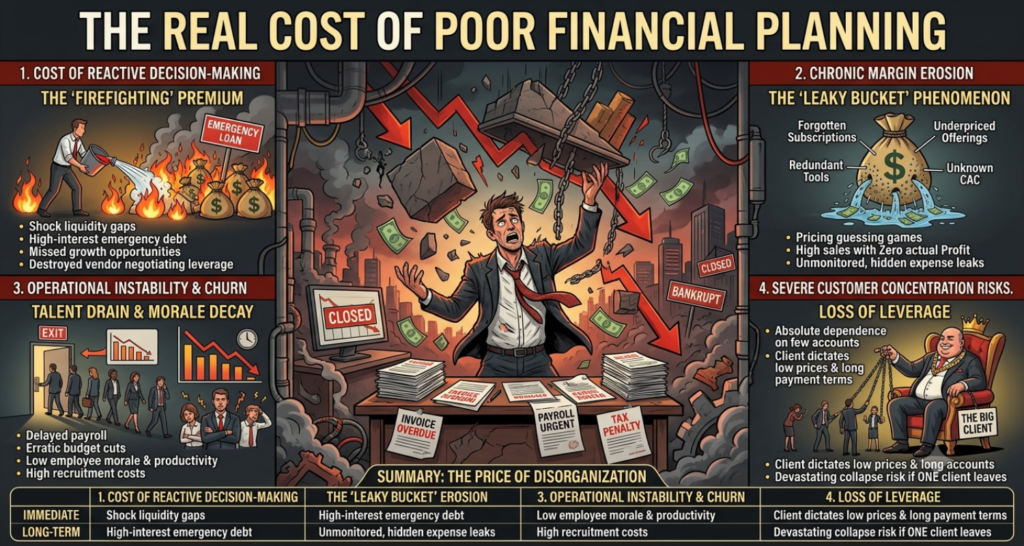
Financial planning is one of the most important responsibilities of every business owner. While many entrepreneurs focus on increasing sales and attracting new customers, they often overlook the importance of managing money effectively. Without a solid financial plan, even a business with strong revenue can struggle to survive.
Poor financial planning doesn’t just affect profits. It can lead to cash flow shortages, mounting debt, missed growth opportunities, and, in severe cases, business failure. On the other hand, businesses that develop strong financial habits are better prepared to handle economic uncertainty, invest in growth, and achieve long-term success.
In this guide, you’ll learn the real cost of poor financial planning, understand the warning signs, and discover practical strategies to build a financially stronger business.
Why Financial Planning Matters
Financial planning helps businesses:
- Manage cash flow.
- Control expenses.
- Set realistic goals.
- Prepare for emergencies.
- Make informed decisions.
- Support long-term growth.
Without a plan, businesses often react to problems instead of preventing them.
What Is Financial Planning?
Financial planning is the process of organizing your business finances to achieve both short-term and long-term goals.
It includes:
- Budgeting.
- Cash flow forecasting.
- Expense management.
- Revenue projections.
- Tax planning.
- Investment planning.
- Emergency savings.
A good financial plan provides direction and reduces uncertainty.
The Financial Habits of Successful Companies
1. Cash Flow Problems Become More Frequent
One of the first consequences of poor financial planning is cash flow trouble.
Businesses may struggle to:
- Pay employees.
- Cover rent.
- Purchase inventory.
- Pay suppliers.
- Meet loan payments.
Even profitable companies can fail if they run out of cash.
How to Prevent It
- Monitor cash flow weekly.
- Forecast future expenses.
- Build cash reserves.
- Invoice customers promptly.
2. Overspending Reduces Profit
Without a budget, expenses can quickly increase.
Common examples include:
- Unnecessary software subscriptions.
- Excessive marketing spending.
- Office upgrades.
- Unplanned hiring.
- Overstocking inventory.
Tracking expenses helps protect profit margins.
3. Unexpected Expenses Create Financial Stress
Every business experiences surprises.
Examples include:
- Equipment breakdowns.
- Legal costs.
- Cybersecurity incidents.
- Supply chain delays.
- Emergency repairs.
Without an emergency fund, these costs can disrupt operations.
4. Poor Budgeting Slows Growth
Businesses without clear budgets often struggle to invest wisely.
Growth may be delayed because owners:
- Lack available cash.
- Spend inefficiently.
- Misjudge future income.
- Make emotional financial decisions.
Budgets create financial discipline.
5. Debt Can Grow Quickly
Poor planning often leads businesses to rely heavily on credit.
Common reasons include:
- Covering payroll.
- Paying overdue bills.
- Purchasing inventory.
- Managing seasonal slowdowns.
Excessive debt increases interest costs and financial risk.
6. Missed Business Opportunities
Businesses with weak financial planning may miss valuable opportunities.
For example:
- Purchasing discounted inventory.
- Hiring talented employees.
- Expanding into new markets.
- Investing in technology.
- Launching new products.
Healthy finances create flexibility.
7. Tax Problems Become More Likely
Poor recordkeeping can lead to:
- Missed tax deadlines.
- Incorrect filings.
- Penalties.
- Interest charges.
Planning throughout the year makes tax season much easier.
8. Poor Financial Decisions Increase Risk
Without accurate financial information, business owners may:
- Price products incorrectly.
- Hire too many employees.
- Expand too quickly.
- Cut essential marketing.
- Ignore declining profitability.
Better financial data supports smarter decisions.
9. Employee Confidence Can Decline
Financial instability affects employees.
Signs include:
- Delayed payroll.
- Hiring freezes.
- Budget cuts.
- Reduced benefits.
- Uncertainty about the future.
Strong financial management improves workplace confidence.
10. Customer Service May Suffer
Financial pressure often leads businesses to reduce spending on:
- Customer support.
- Product quality.
- Staff training.
- Technology.
Poor customer experiences can reduce repeat business and referrals.
Warning Signs of Poor Financial Planning
Watch for these signs:
- Frequent cash shortages.
- Rising debt.
- Declining profit margins.
- Late bill payments.
- Missing financial reports.
- Constant financial stress.
- No emergency savings.
Recognizing problems early allows businesses to respond before the situation worsens.
How to Build a Strong Financial Plan
Develop healthy financial habits by:
- Creating an annual budget.
- Tracking monthly expenses.
- Forecasting cash flow.
- Reviewing financial statements.
- Setting measurable financial goals.
- Building an emergency fund.
- Monitoring key performance indicators (KPIs).
- Planning for taxes.
- Reducing unnecessary expenses.
- Reviewing your financial strategy regularly.
Consistency is more important than perfection.
Common Financial Planning Mistakes
Avoid these common errors:
- Ignoring cash flow.
- Mixing personal and business finances.
- Depending too heavily on debt.
- Failing to monitor expenses.
- Expanding without planning.
- Not saving for emergencies.
- Ignoring financial reports.
Correcting these mistakes strengthens long-term business health.
Benefits of Strong Financial Planning
Businesses with effective financial plans often enjoy:
- Better cash flow.
- Higher profitability.
- Stronger credit.
- Greater financial stability.
- Faster growth.
- Better decision-making.
- Increased investor confidence.
- Reduced financial stress.
Financial planning creates opportunities instead of limitations.
Why Financial Discipline Matters
Successful businesses rarely achieve long-term growth through luck alone.
They consistently:
- Monitor performance.
- Follow budgets.
- Invest carefully.
- Build cash reserves.
- Plan ahead.
- Adapt to changing conditions.
Financial discipline provides the foundation for sustainable success.
Final Thoughts
The real cost of poor financial planning goes far beyond missed budgets. Weak financial management can lead to cash flow shortages, rising debt, lower profits, delayed growth, and unnecessary stress. Even businesses with strong sales can struggle if they fail to plan effectively.
By creating a realistic budget, monitoring cash flow, building emergency savings, and reviewing financial performance regularly, business owners can make smarter decisions and prepare for future challenges. Strong financial planning is not just about avoiding problems—it is about creating a business that can grow with confidence and remain successful for years to come.
U.S. Small Business Administration (SBA):
Frequently Asked Questions
Why is financial planning important for small businesses?
Financial planning helps businesses manage cash flow, control expenses, prepare for emergencies, and support long-term growth.
What is the biggest risk of poor financial planning?
One of the biggest risks is running out of cash, even when the business is generating revenue.
How often should businesses review their financial plan?
Most experts recommend reviewing budgets and financial reports every month and updating long-term plans at least once a year.
How can businesses improve financial planning?
Businesses can improve planning by creating budgets, forecasting cash flow, tracking expenses, saving for emergencies, and monitoring financial performance regularly.