
 MOHAMMAD ABUBAKR
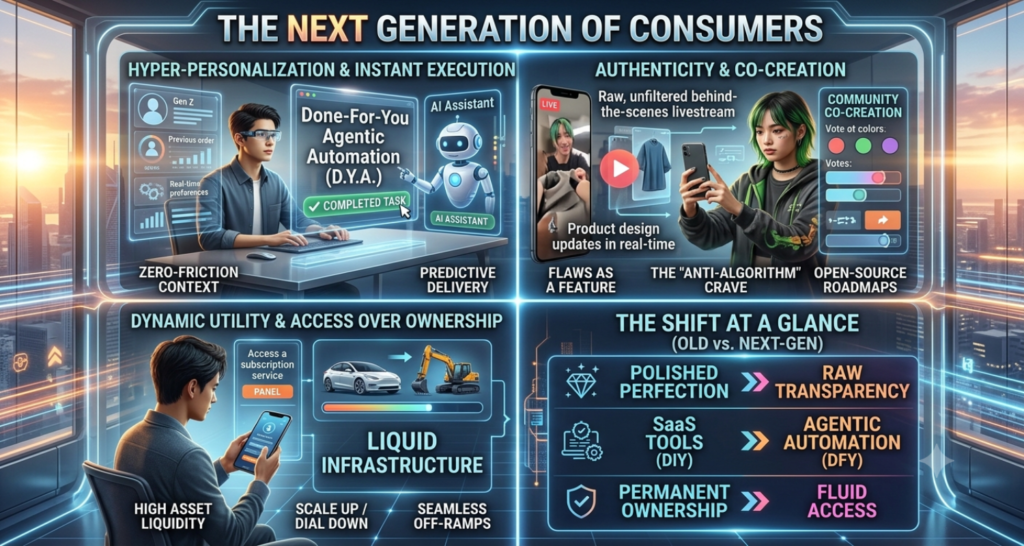
The next generation of customers is transforming the way businesses operate. Millennials and Generation Z are now responsible for a growing share of consumer spending in the United States. These younger buyers have different expectations than previous generations. They value convenience, authenticity, personalization, and meaningful customer experiences more than ever before.
Today’s consumers do not simply buy products—they research brands, compare reviews, watch videos, and expect businesses to provide excellent service across every channel. Companies that understand these changing expectations can build stronger relationships, improve customer loyalty, and achieve long-term growth.
In this guide, we’ll explore what the next generation of customers wants, why these preferences matter, and how businesses can adapt to remain competitive.
Why Understanding Customer Expectations Matters
Consumer preferences influence every part of a business.
Understanding them helps companies:
- Improve customer satisfaction.
- Increase sales.
- Build brand loyalty.
- Develop better products.
- Strengthen marketing strategies.
- Stay ahead of competitors.
Businesses that adapt to customer expectations are more likely to succeed in the future.
Marketing Strategies That Actually Work
1. Convenience Is a Top Priority
Modern customers expect businesses to make buying easy.
They appreciate:
- Fast websites.
- Mobile-friendly shopping.
- Quick checkout.
- Flexible payment options.
- Fast shipping.
- Easy returns.
Every unnecessary step in the buying process increases the chance of losing a customer.
2. Personalized Experiences Matter
Customers expect businesses to understand their needs.
Personalization includes:
- Product recommendations.
- Customized emails.
- Personalized discounts.
- Relevant content.
- Purchase suggestions.
Businesses that personalize communication often improve customer engagement and loyalty.
3. Authenticity Builds Trust
The next generation values honesty and transparency.
Customers prefer brands that:
- Communicate openly.
- Deliver on promises.
- Admit mistakes.
- Share their values.
- Build genuine relationships.
Authenticity often creates stronger emotional connections than traditional advertising.
4. Mobile-First Experiences Are Essential
Most younger consumers use smartphones throughout the buying journey.
They use mobile devices to:
- Research products.
- Compare prices.
- Read reviews.
- Watch demonstrations.
- Make purchases.
A mobile-optimized website is now a basic business requirement.
5. Social Proof Influences Decisions
Before buying, customers often look for confirmation from others.
They check:
- Customer reviews.
- Ratings.
- Testimonials.
- User-generated content.
- Social media comments.
Positive feedback from real customers increases confidence and reduces purchase hesitation.
6. Excellent Customer Service Makes a Difference
Customers expect fast, helpful, and respectful support.
Businesses should provide:
- Quick responses.
- Friendly communication.
- Multiple contact options.
- Efficient issue resolution.
- Follow-up after purchases.
Outstanding service encourages repeat business and referrals.
7. Sustainability Is Becoming More Important
Many younger consumers support businesses that operate responsibly.
Examples include:
- Eco-friendly packaging.
- Sustainable sourcing.
- Reduced waste.
- Energy-efficient practices.
- Ethical business operations.
Customers appreciate genuine efforts rather than exaggerated environmental claims.
8. Digital Experiences Should Be Seamless
Customers expect consistency across every platform.
Whether visiting:
- A website.
- A mobile app.
- Social media.
- An online store.
- A physical location.
they expect the same quality experience.
A consistent customer journey builds trust.
9. Speed Matters More Than Ever
Modern consumers value their time.
They expect:
- Fast page loading.
- Quick deliveries.
- Prompt customer support.
- Efficient checkout.
- Rapid order updates.
Businesses that save customers time often gain a competitive advantage.
10. Value Is More Important Than Low Prices
Although price remains important, many customers are willing to pay more for better value.
Value includes:
- High-quality products.
- Excellent service.
- Reliable support.
- Strong warranties.
- Positive customer experiences.
Businesses that consistently deliver value often enjoy higher customer retention.
11. Privacy and Security Influence Buying Decisions
Customers want to know their information is protected.
Businesses should:
- Use secure payment systems.
- Protect customer data.
- Explain privacy policies clearly.
- Be transparent about data collection.
Trust is difficult to earn but easy to lose.
12. Businesses That Listen Will Win
Customers appreciate companies that value feedback.
Businesses should:
- Read customer reviews.
- Conduct surveys.
- Respond to suggestions.
- Improve products continuously.
- Communicate changes based on feedback.
Listening creates stronger customer relationships.
Common Mistakes Businesses Should Avoid
Many businesses lose customers because they:
- Ignore online reviews.
- Provide slow customer support.
- Have outdated websites.
- Offer poor mobile experiences.
- Deliver inconsistent branding.
- Ignore customer feedback.
- Fail to personalize communication.
Avoiding these mistakes strengthens customer trust.
How to Prepare for the Next Generation of Customers
Follow these strategies:
- Invest in a mobile-friendly website.
- Improve customer service.
- Build a strong online reputation.
- Personalize your marketing.
- Use customer feedback to improve.
- Strengthen cybersecurity.
- Create valuable content.
- Stay active on social media.
- Focus on transparency.
- Continue adapting to customer needs.
Small improvements can create significant long-term growth.
Why Customer Expectations Will Continue to Change
Technology, social media, and economic conditions continue to influence buying behavior.
Businesses that remain flexible can:
- Respond faster to new trends.
- Improve customer experiences.
- Develop innovative products.
- Strengthen customer loyalty.
Adaptability will remain one of the most valuable business skills.
Final Thoughts
The next generation of customers wants more than quality products. They expect convenience, personalization, transparency, excellent customer service, and seamless digital experiences. Businesses that understand these expectations can build stronger relationships, improve customer loyalty, and achieve sustainable growth.
Rather than trying to follow every new trend, focus on delivering genuine value and listening to your customers. By continuously improving your products, services, and customer experience, your business will be better prepared for the future.
Federal Trade Commission (FTC):
Frequently Asked Questions
What do younger customers value most?
Many younger consumers value convenience, personalization, authenticity, excellent customer service, and digital experiences.
Why is personalization important?
Personalized experiences help customers feel understood, improving engagement, satisfaction, and loyalty.
How can small businesses attract the next generation of customers?
Small businesses should optimize for mobile, provide outstanding customer service, maintain an active online presence, encourage reviews, and communicate authentically.
Why is customer experience more important than ever?
A positive customer experience increases repeat purchases, strengthens trust, generates referrals, and helps businesses stand out from competitors.