
 MOHAMMAD ABUBAKR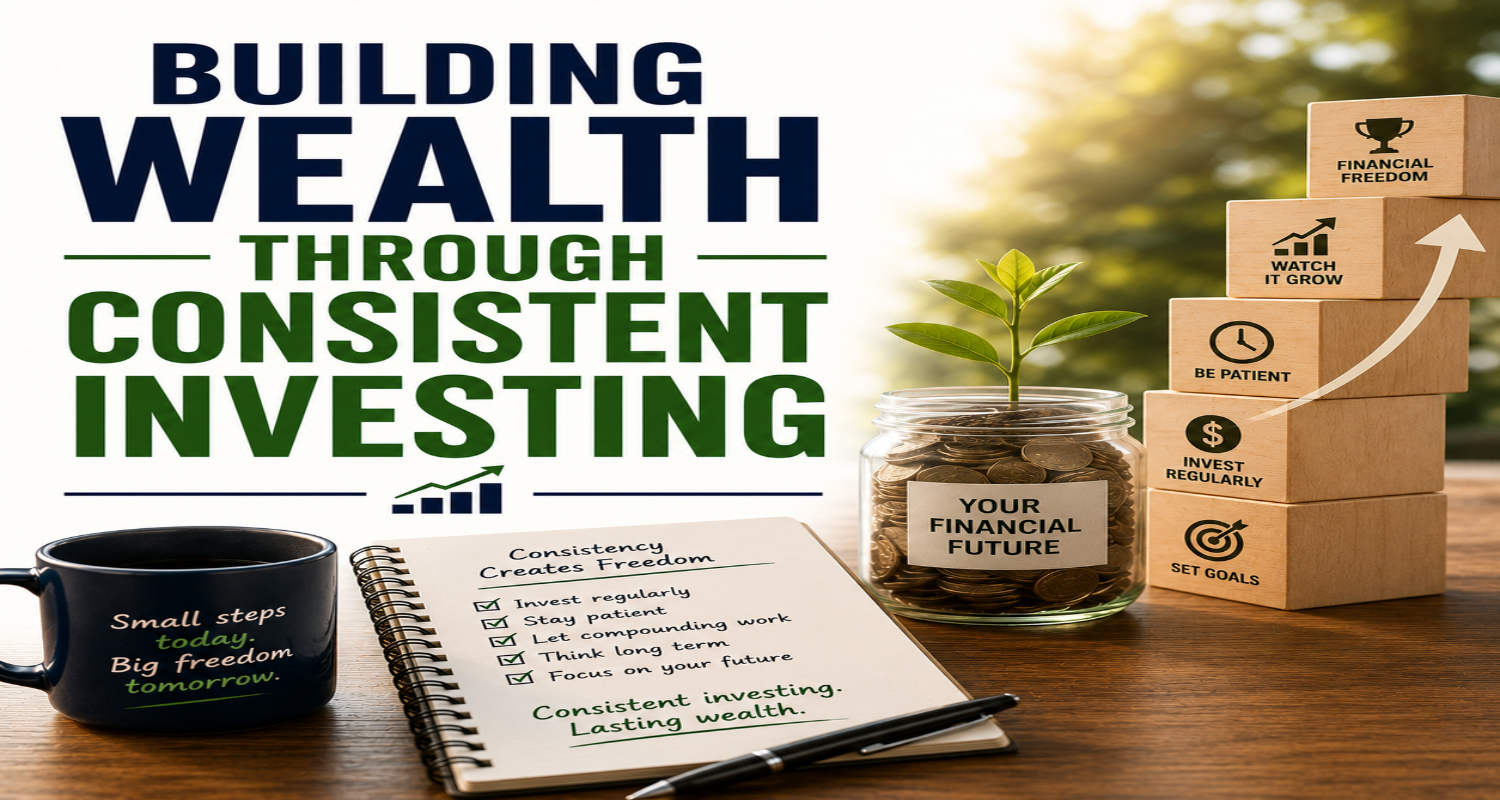
Building wealth doesn’t usually happen through luck or by finding the next hot stock. Instead, it often comes from a simple habit that many successful investors follow: investing consistently over time. While market headlines often focus on dramatic gains and losses, long-term wealth is more commonly built through regular contributions, patience, and disciplined investing.
Many new investors delay investing because they believe they need a large amount of money or perfect market timing. In reality, investing smaller amounts consistently can be more effective than waiting for the “right” opportunity.
In this guide, you’ll learn how building wealth through consistent investing works, why it matters, and practical strategies to help you reach your long-term financial goals.
Why Consistent Investing Matters
Financial markets naturally experience periods of growth and decline.
Trying to predict every market movement is extremely difficult.
Instead, consistent investors focus on:
- Investing regularly
- Staying invested
- Following a long-term plan
- Avoiding emotional decisions
- Allowing compound growth to work over time
This disciplined approach can help build wealth steadily.
How Investment Fees Affect Long-Term Returns

What Is Consistent Investing?
Consistent investing means contributing money to your investments on a regular schedule regardless of market conditions.
For example:
- Investing every week
- Investing every month
- Investing every quarter
Rather than waiting for the “perfect” time, you continue investing through both rising and falling markets.
The Power of Compound Growth
One of the greatest advantages of long-term investing is compound growth.
Compound growth occurs when:
- Your investments generate returns.
- Those returns remain invested.
- Future returns are earned on both your original investment and previous earnings.
Over many years, this process can significantly increase your portfolio’s value.
The earlier you begin investing, the more time compound growth has to work.
Dollar-Cost Averaging Builds Discipline
Many consistent investors use dollar-cost averaging (DCA).
With DCA, you invest a fixed amount at regular intervals regardless of market prices.
For example:
- £200 every month
- £500 every quarter
- £1,000 twice a year
Benefits include:
- Reduces emotional investing
- Encourages saving habits
- Purchases investments in different market conditions
- Removes pressure to time the market
This strategy makes investing simpler and more consistent.
Why Time Matters More Than Timing
Many beginners wait for markets to decline before investing.
Unfortunately, accurately predicting market highs and lows is extremely difficult.
Long-term investors understand that:
- Markets fluctuate.
- Recoveries often happen unexpectedly.
- Staying invested allows participation in long-term growth.
This is why many financial professionals emphasize time in the market over timing the market.
Start Investing Early
Beginning early provides one major advantage: time.
Even modest contributions can grow significantly over decades because earnings continue generating additional earnings.
Starting sooner doesn’t require investing large amounts—it simply gives your money more time to grow.
Diversification Reduces Risk
Putting all your money into one investment increases risk.
Diversification means spreading investments across:
- Stocks
- Bonds
- Exchange-traded funds (ETFs)
- Mutual funds
- Domestic and international markets
A diversified portfolio may reduce the impact of poor performance from a single investment.
Diversification does not eliminate investment risk but can help manage it.
Keep Investment Costs Low
Investment fees reduce long-term returns.
Common costs include:
- Expense ratios
- Advisory fees
- Trading commissions
- Account maintenance fees
Choosing cost-effective investments where appropriate allows more of your money to remain invested.
Small annual savings on fees can make a meaningful difference over many years.
Avoid Emotional Investing
Successful investing often requires controlling emotions.
Common emotional mistakes include:
- Selling during market declines
- Chasing popular stocks
- Constantly changing strategies
- Buying after markets have already risen sharply
A consistent investment plan helps reduce these emotional decisions.
Continue Investing During Market Volatility
Market declines are a normal part of investing.
Although downturns can feel uncomfortable, long-term investors often continue contributing according to their financial plan.
Maintaining discipline during uncertain periods may help investors benefit when markets recover.
Build Good Financial Habits
Successful investors usually develop habits that support long-term wealth.
These include:
Set Financial Goals
Know why you’re investing.
Examples include:
- Retirement
- Buying a home
- Financial independence
- Education funding
Clear goals provide motivation.
Automate Your Investments
Automatic contributions remove the need to remember each investment.
Automation also encourages consistency.
Increase Contributions Over Time
As your income grows, consider increasing your investment contributions when it fits your budget.
Even small increases can have a positive long-term impact.
Review Your Portfolio Periodically
Review your investments occasionally to ensure they continue matching your financial goals and risk tolerance.
Avoid making frequent changes based solely on short-term market movements.
Common Mistakes That Slow Wealth Building
Many investors unintentionally delay wealth creation by:
- Waiting too long to begin investing
- Trying to time the market
- Investing inconsistently
- Ignoring diversification
- Paying unnecessary investment fees
- Reacting emotionally to market news
Recognizing these mistakes early can improve long-term results.
Signs You’re Building Wealth Successfully
You’re likely on the right track if you:
- Invest regularly
- Continue contributing during market fluctuations
- Maintain a diversified portfolio
- Keep investment costs reasonable
- Focus on long-term financial goals
- Avoid emotional decisions
Consistency often matters more than perfection.
Benefits of Consistent Investing
Building wealth through consistent investing offers many advantages:
- Supports compound growth
- Encourages financial discipline
- Reduces emotional investing
- Makes investing a regular habit
- Helps achieve long-term financial goals
- Allows gradual wealth accumulation
While no investment strategy guarantees profits, consistency provides a strong foundation for long-term success.
Final Thoughts
Building wealth through consistent investing isn’t about finding the perfect stock or predicting every market movement. Instead, it’s about creating disciplined habits that allow your money to grow steadily over time. Regular investing, diversification, low investment costs, and patience are principles that have helped many investors work toward their financial goals.
Whether you’re just starting your investment journey or expanding an existing portfolio, consistency can be one of your greatest financial advantages. By investing regularly, staying focused on the long term, and avoiding emotional decisions, you give yourself the best opportunity to build lasting wealth.
U.S. Securities and Exchange Commission (SEC):
Frequently Asked Questions (FAQs)
How does consistent investing build wealth?
Consistent investing allows you to contribute regularly, benefit from compound growth, and stay invested through different market conditions, helping your portfolio grow over time.
What is dollar-cost averaging?
Dollar-cost averaging is an investing strategy where you invest a fixed amount at regular intervals, regardless of market prices. This encourages discipline and reduces the need to time the market.
Is it better to invest a little each month or wait until I have more money?
For many people, investing smaller amounts consistently can be more effective than waiting to accumulate a larger sum, because it gives investments more time to grow.
Can consistent investing eliminate investment risk?
No. All investments carry risk, and market values can fluctuate. However, consistency, diversification, and a long-term perspective may help manage risk while supporting long-term financial goals.