 MOHAMMAD ABUBAKR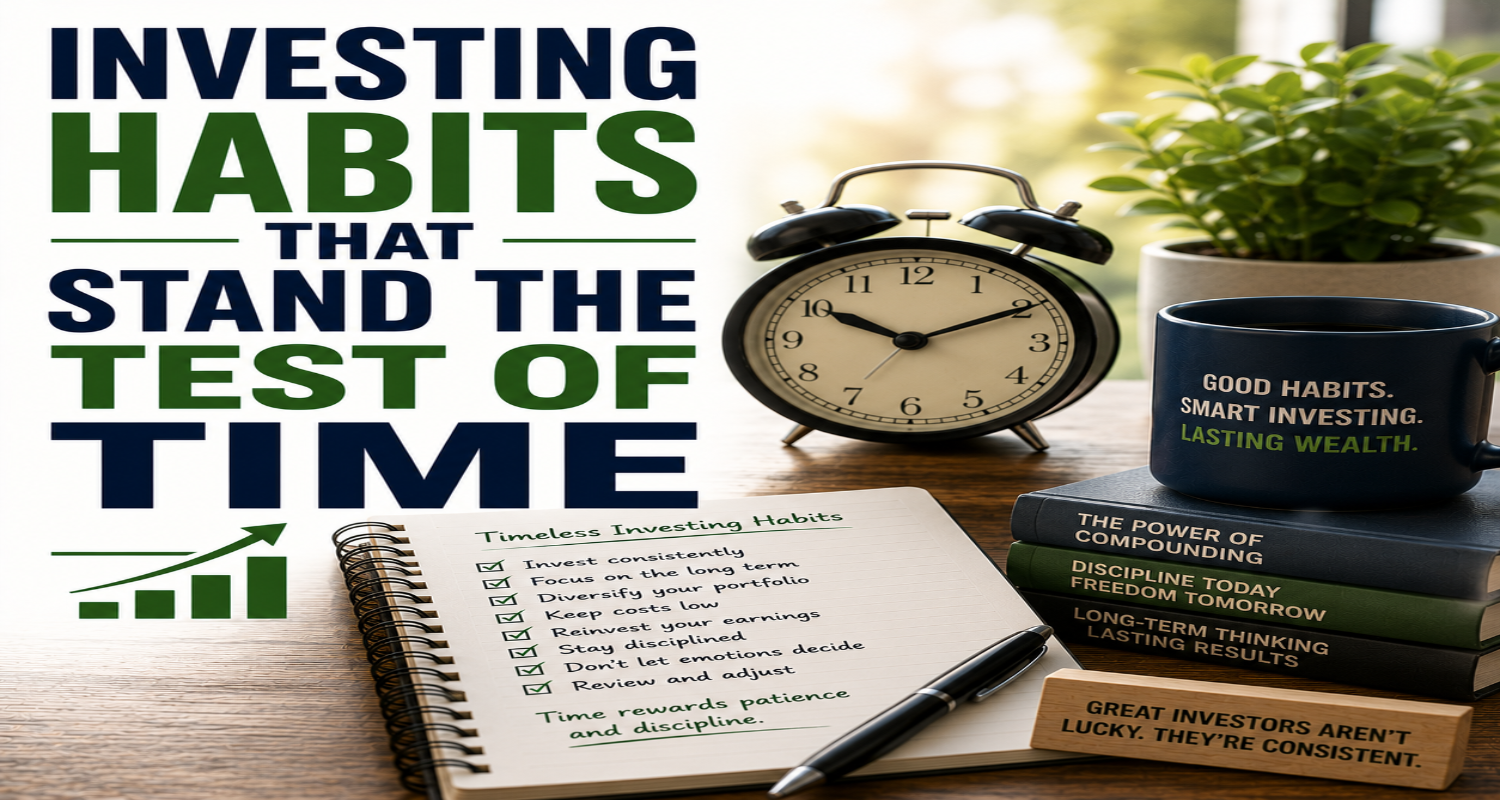
Markets change. Economic conditions shift. New investment trends appear every year. Yet despite these constant changes, certain investing habits have consistently helped people build wealth over the long term. Successful investors rarely rely on luck or attempt to predict every market movement. Instead, they develop disciplined habits that remain effective through bull markets, bear markets, recessions, and periods of economic uncertainty.
Whether you’re just beginning your investment journey or looking to strengthen your financial strategy, adopting proven investing habits can help you make better decisions and stay focused on your long-term goals.
In this guide, we’ll explore the investing habits that stand the test of time and explain how these timeless principles can support long-term financial success.
Why Good Investing Habits Matter
Building wealth isn’t about making one perfect investment.
It’s about making good financial decisions consistently over many years.
Strong investing habits help you:
- Stay disciplined during market volatility
- Reduce emotional investing
- Build wealth gradually
- Improve financial confidence
- Focus on long-term goals
Small habits, repeated consistently, often produce significant results over time.
Building Wealth Through Consistent Investing

1. Invest Consistently
One of the most effective investing habits is contributing regularly to your portfolio.
Rather than waiting for the “perfect” market conditions, successful investors often invest on a schedule.
For example:
- Monthly
- Every payday
- Quarterly
Regular investing encourages discipline and removes much of the emotion from investing.
2. Think Long Term
Successful investing usually requires patience.
Markets naturally experience:
- Corrections
- Bear markets
- Periods of uncertainty
- Economic slowdowns
Long-term investors understand that temporary market declines are a normal part of investing.
Instead of reacting to short-term news, they stay focused on their financial goals.
3. Let Compound Growth Work
Compound growth is one of investing’s greatest advantages.
When investment earnings remain invested, they can generate additional earnings over time.
The longer your money stays invested, the greater the potential impact of compounding.
Starting early—even with modest contributions—gives your investments more time to grow.
4. Diversify Your Portfolio
Putting all your money into one company or one sector increases risk.
Diversification means spreading investments across:
- Stocks
- Bonds
- Exchange-traded funds (ETFs)
- Mutual funds
- Domestic and international markets
A diversified portfolio may help reduce the impact of poor performance from a single investment.
5. Avoid Emotional Investing
Emotions often lead to poor investment decisions.
Common mistakes include:
- Selling during market declines
- Buying after prices rise sharply
- Chasing investment trends
- Constantly checking portfolio performance
Successful investors make decisions based on long-term plans rather than short-term emotions.
6. Invest Within Your Risk Tolerance
Every investor has a different level of comfort with risk.
Before investing, consider:
- Your financial goals
- Investment time horizon
- Income stability
- Personal comfort with market fluctuations
Choosing investments that match your risk tolerance makes it easier to stay invested during volatile markets.
7. Keep Investment Costs Low
Investment fees reduce long-term returns.
Common costs include:
- Expense ratios
- Advisory fees
- Trading commissions
- Account maintenance fees
Keeping costs reasonable allows more of your money to remain invested and benefit from compound growth.
8. Continue Learning
Financial markets evolve over time.
Successful investors regularly improve their knowledge by learning about:
- Asset allocation
- Market cycles
- Retirement planning
- Tax-efficient investing
- Personal finance
Education helps you make informed investment decisions.
9. Follow a Written Investment Plan
A written investment plan helps you remain disciplined during market volatility.
Your plan should include:
- Financial goals
- Investment strategy
- Asset allocation
- Contribution schedule
- Risk tolerance
Having a clear roadmap reduces emotional decision-making.
10. Review Your Portfolio Periodically
Monitoring your investments is important, but checking them every day often leads to unnecessary stress.
Instead, review your portfolio:
- Quarterly
- Semi-annually
- Annually
During each review, ensure your investments still align with your financial goals and risk tolerance.
11. Reinvest Earnings
Whenever appropriate, reinvesting dividends and investment earnings allows more money to remain invested.
This can strengthen the effect of compound growth over time.
For long-term investors, reinvestment is often a valuable wealth-building strategy.
12. Stay Patient During Market Volatility
Market declines are unavoidable.
Patient investors understand that:
- Volatility is normal.
- Recoveries often happen unexpectedly.
- Selling during downturns may lock in losses.
Remaining committed to your long-term investment plan can help you navigate uncertain markets with greater confidence.
Common Habits That Hurt Investment Success
Avoid these behaviours:
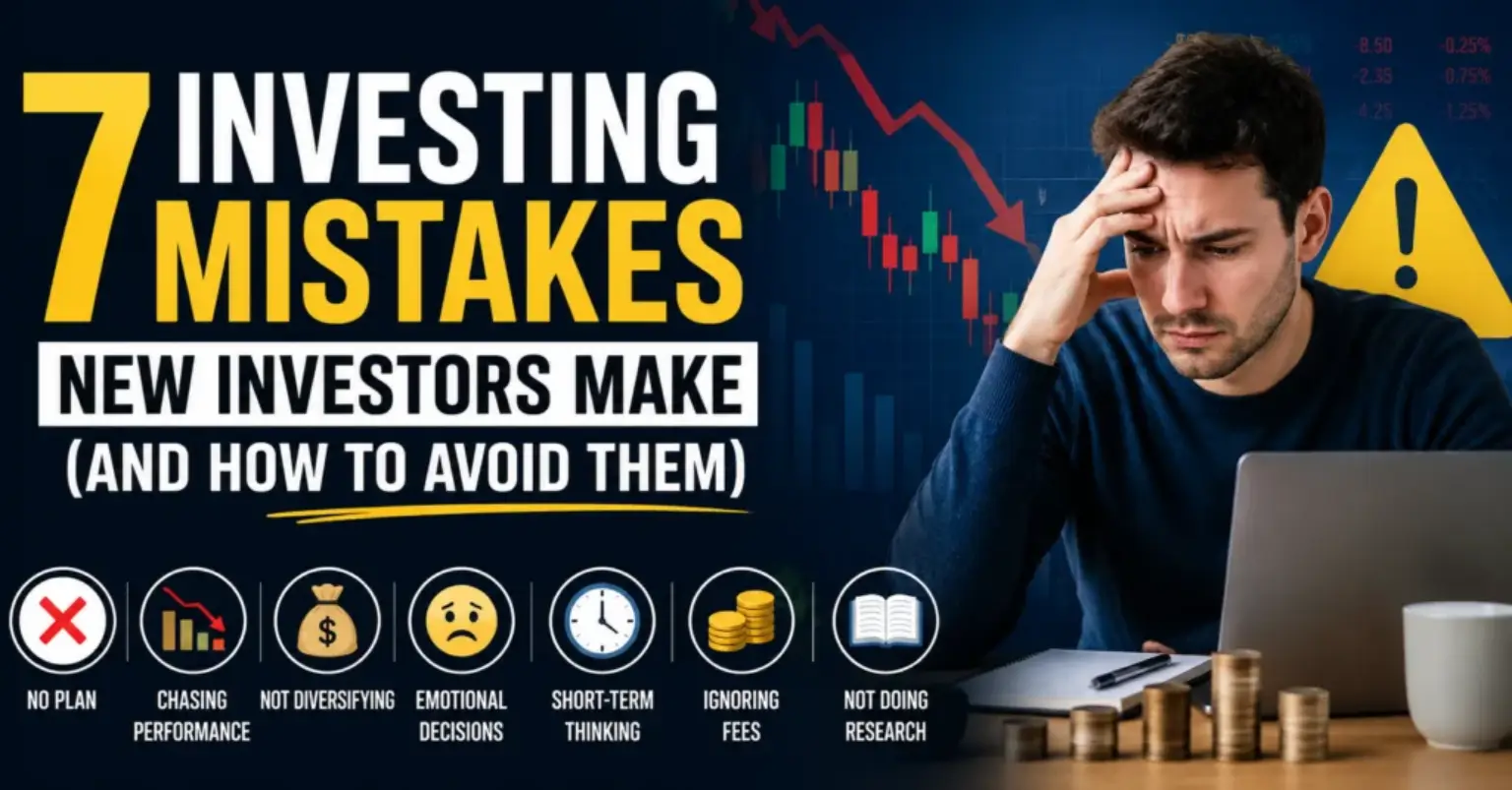
- Trying to time the market
- Investing without clear goals
- Chasing “hot” stocks
- Ignoring diversification
- Paying unnecessary investment fees
- Frequently buying and selling
- Letting fear or greed drive decisions
Replacing these habits with disciplined investing practices can improve long-term outcomes.
Tips for Building Better Investing Habits
Develop lasting financial habits by following these steps:
Automate Your Investments
Set up automatic contributions to stay consistent.
Increase Contributions Gradually
As your income grows, consider increasing your investment contributions.
Even small increases can make a meaningful difference over time.
Focus on What You Can Control
You can’t control market performance, but you can control:
- Saving consistently
- Investment costs
- Diversification
- Your emotional responses
- Your long-term commitment
Concentrating on these factors often leads to better financial decisions.
Stay Disciplined
Successful investing is rarely about making dramatic moves.
It’s about repeating good habits year after year.
Signs You’re Building Strong Investing Habits
You’re likely developing a solid investment strategy if you:
- Invest consistently
- Maintain a diversified portfolio
- Focus on long-term goals
- Avoid emotional trading
- Review your portfolio periodically
- Continue learning about investing
These habits create a strong foundation for long-term wealth building.
Final Thoughts
The investing habits that stand the test of time aren’t based on predicting market movements or finding the next big opportunity. Instead, they revolve around consistency, patience, diversification, disciplined decision-making, and continuous learning. While no investment strategy can eliminate risk or guarantee returns, these timeless habits have helped generations of investors navigate changing markets and work toward their financial goals.
By focusing on what you can control and maintaining a long-term perspective, you can build a resilient investment strategy that supports lasting financial success.
U.S. Securities and Exchange Commission (SEC):
Frequently Asked Questions (FAQs)
What is the most important investing habit?
Many financial professionals consider investing consistently to be one of the most important habits because it encourages discipline and allows compound growth to work over time.
Why is patience important in investing?
Patience helps investors stay focused on long-term goals and avoid emotional decisions during periods of market volatility.
How often should I review my investments?
Many investors review their portfolios quarterly or annually to ensure they still align with their financial goals and risk tolerance, rather than reacting to daily market movements.
Can good investing habits guarantee success?
No. All investments carry risk, and returns are never guaranteed. However, disciplined habits such as consistent investing, diversification, and maintaining a long-term perspective can support better financial decision-making.