 MOHAMMAD ABUBAKR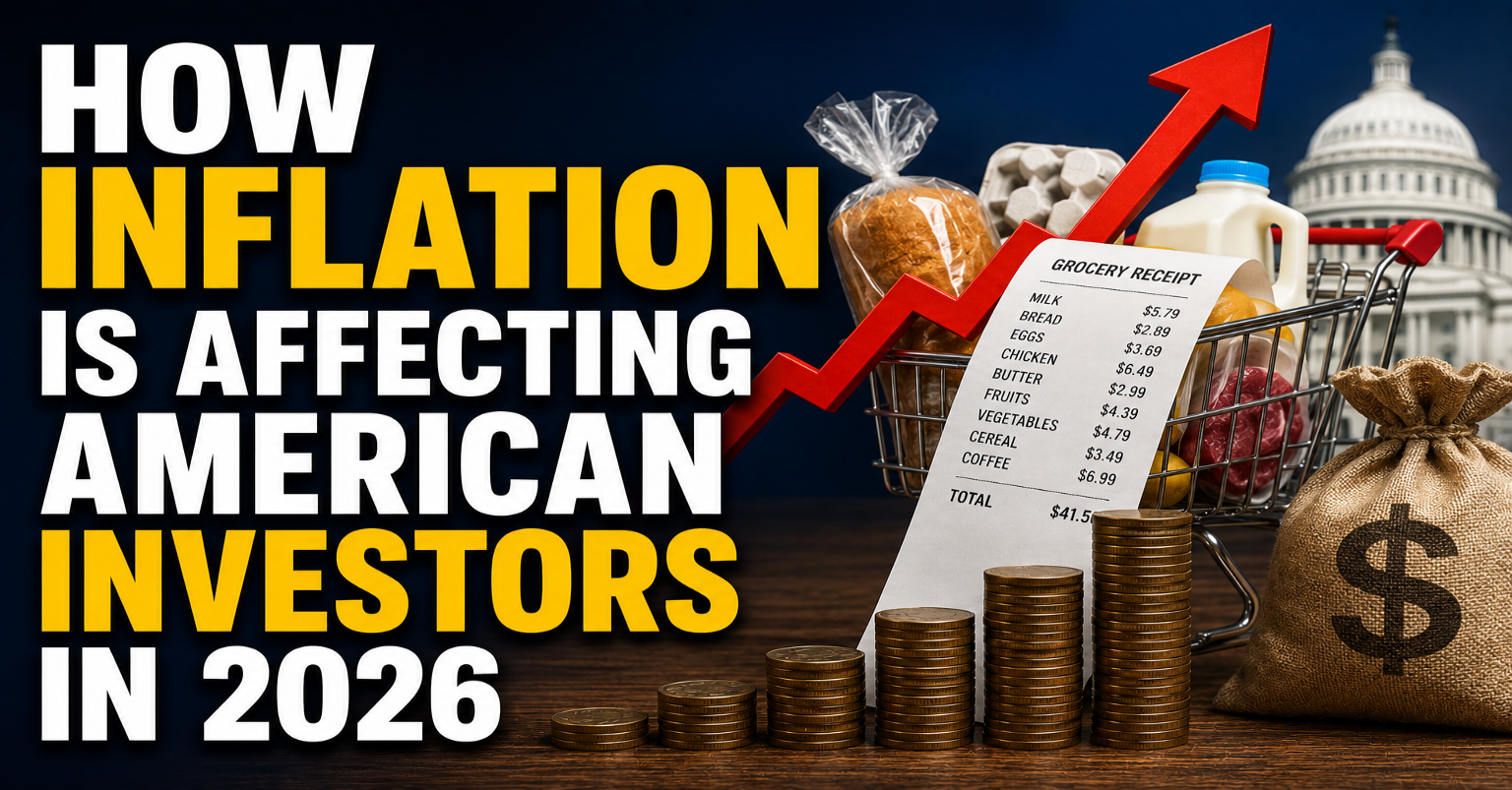
Inflation continues to shape financial decisions across the United States in 2026. Although inflation has eased from its highest levels, many Americans still feel its impact every day. Higher prices for groceries, housing, healthcare, and transportation have changed how people save, spend, and invest.
For investors, inflation creates both challenges and opportunities. It can reduce purchasing power, increase market volatility, and influence interest rates. At the same time, certain investments may perform better during inflationary periods.
Understanding how inflation affects your portfolio is essential if you want to build long-term wealth. Instead of reacting emotionally, investors should focus on strategies that can help them navigate changing economic conditions.
Let’s examine how inflation is affecting American investors in 2026.
What Is Inflation?
Inflation measures the rate at which prices increase over time.
When inflation rises, each dollar buys fewer goods and services.
As a result, the purchasing power of your money declines.
For example, if inflation remains above the return on your savings account, your money loses value in real terms.
Therefore, many investors seek assets that have the potential to outpace inflation.
Inflation Reduces Purchasing Power
One of inflation’s biggest effects is the decline in purchasing power.
Everyday expenses continue to increase.
Families spend more on:
- Food
- Housing
- Fuel
- Insurance
- Medical care
- Utilities
Consequently, many investors have less disposable income available to invest each month.
Lower investment contributions may slow long-term wealth accumulation.
Higher Interest Rates Affect the Stock Market
The Federal Reserve often raises interest rates to help control inflation.
Higher interest rates increase borrowing costs for consumers and businesses.
Because of this, some companies experience slower growth.
Growth stocks are particularly sensitive to higher borrowing costs.
Meanwhile, investors may shift toward more stable investments during uncertain economic periods.
Market Volatility Increases
Inflation often creates uncertainty in financial markets.
Stock prices may fluctuate as investors react to economic reports, interest rate decisions, and corporate earnings.
Although market volatility can feel uncomfortable, it also creates opportunities for long-term investors.
Historically, patient investors have benefited by remaining invested during periods of uncertainty.
Some Industries Perform Better Than Others
Not every sector reacts the same way to inflation.
Some industries can pass higher costs on to customers more easily.
Examples include:
- Energy
- Utilities
- Consumer staples
- Healthcare
Meanwhile, companies with narrow profit margins may struggle as operating expenses rise.
Diversifying across multiple sectors can reduce investment risk.
Dividend Stocks May Become More Attractive
Many investors seek reliable income during uncertain markets.
Dividend-paying companies often provide steady cash flow even when stock prices fluctuate.
Although dividend payments are never guaranteed, established businesses with strong earnings often continue rewarding shareholders.
Consequently, dividend investing may become more appealing during inflationary periods.
Bonds Face New Challenges
Higher inflation can reduce the value of fixed-income investments.
Existing bonds with lower interest rates often lose value when new bonds offer higher yields.
However, shorter-term bonds generally experience less interest rate risk.
Investors should understand how bond prices respond to changing interest rates before adding them to their portfolios.
Cash May Lose Value
Keeping money in cash feels safe.
However, inflation quietly reduces its purchasing power over time.
Although emergency savings remain essential, holding excessive cash for many years can slow wealth growth.
Therefore, balancing savings with long-term investments becomes increasingly important.
Diversification Matters More Than Ever
Inflation reminds investors why diversification is important.
Rather than relying on one investment, many financial professionals recommend spreading investments across different asset classes.
A diversified portfolio may include:
- Stocks
- Bonds
- Dividend investments
- International investments
- Real estate
- Cash reserves
Diversification cannot eliminate risk.
Nevertheless, it can reduce the impact of market volatility.
Long-Term Investors Should Stay Focused
Market headlines often create fear.
However, making emotional investment decisions rarely leads to better outcomes.
Instead, successful investors usually maintain a disciplined strategy.
They continue investing regularly regardless of short-term market conditions.
This approach allows investors to benefit from long-term market growth.
Should You Change Your Investment Strategy?
Inflation does not automatically require a complete portfolio overhaul.
Instead, investors should review:
- Risk tolerance
- Investment goals
- Time horizon
- Asset allocation
- Emergency savings
Making gradual adjustments is often more effective than reacting to temporary market events.
Common Mistakes During Inflation
Many investors make costly decisions when inflation rises.
These include:
- Selling investments during market declines.
- Holding too much cash.
- Trying to time the market.
- Ignoring diversification.
- Chasing short-term trends.
Avoiding these mistakes can improve long-term investment performance.
Learning how different investment strategies perform during changing economic conditions can help you build a more balanced portfolio.
Tips for Investing During Inflation
If inflation remains elevated, consider these practical steps:
- Continue investing consistently.
- Diversify across industries.
- Review your portfolio annually.
- Reinvest dividends when appropriate.
- Maintain an emergency fund.
- Focus on long-term goals.
- Avoid emotional decisions.
Small, consistent actions often produce better long-term results than frequent trading.
Final Thoughts
Inflation continues to influence investment decisions across America in 2026. Rising prices affect purchasing power, market performance, and consumer spending. Nevertheless, inflation does not have to derail your financial goals.
A diversified portfolio, consistent investing, and a long-term perspective remain some of the most effective ways to navigate changing economic conditions. Rather than reacting to short-term headlines, focus on building an investment strategy that matches your financial objectives and risk tolerance.
For reliable information about inflation, investing, and financial education, visit the U.S. Securities and Exchange Commission Investor.gov. This official U.S. government resource provides educational tools to help investors make informed financial decisions.
By staying informed and maintaining a disciplined investment approach, you can position your portfolio for long-term success despite inflation and market uncertainty.