 MOHAMMAD ABUBAKR
Buying a home is one of the biggest financial decisions most Americans will ever make. However, deciding when to buy can feel even harder than choosing the house itself.
In 2026, the U.S. housing market remains challenging. Mortgage rates are still higher than they were a few years ago. At the same time, home prices remain elevated in many cities. Even so, inventory is slowly improving in several markets.
So, is now a good time to buy a house in America?
The answer depends on your finances, your goals, and where you plan to live. Let’s look at the key factors every buyer should consider before making a decision.
Home Prices Remain High
Home values have increased significantly over the past several years.
Although price growth has slowed in many areas, homes are still expensive compared to historical averages.
Popular cities continue to experience strong demand. Meanwhile, some smaller markets have become more affordable.
Therefore, buyers should compare several locations before making an offer.
A lower-priced market could provide better long-term value.
Mortgage Rates Matter More Than Ever
Mortgage rates have a direct impact on your monthly payment.
Even a small increase in interest rates can add hundreds of dollars to your mortgage each month.
Because of this, many buyers are waiting for lower rates.
However, timing the market perfectly is almost impossible.
If rates fall later, homeowners may have the option to refinance.
Waiting too long could also mean paying more if home prices continue rising.
Inventory Is Slowly Improving
For several years, buyers had very few homes to choose from.
Fortunately, housing inventory has started to improve in many parts of the country.
More available homes mean less competition.
As a result, buyers may have more negotiating power than they did during the housing boom.
Some sellers are also offering incentives such as closing cost assistance or mortgage rate buydowns.
Your Financial Situation Matters Most
Market conditions are important.
However, your personal finances matter even more.
Ask yourself these questions:
- Do you have stable income?
- Have you built an emergency fund?
- Can you afford the monthly payment?
- Will you stay in the home for several years?
- Do you have enough saved for the down payment?
If the answer is yes, buying now could make sense regardless of short-term market fluctuations.
Renting Isn’t Always Cheaper
Many people assume renting is the better option when mortgage rates are high.
That isn’t always true.
Rent prices remain expensive across many American cities.
Additionally, rent payments never build home equity.
Homeownership allows part of each mortgage payment to increase your ownership in the property.
Over time, that can help build long-term wealth.
First-Time Buyers Face New Challenges
Buying your first home has become more difficult.
Higher home prices require larger down payments.
Monthly payments have also increased because of higher borrowing costs.
Nevertheless, many buyers still qualify for government-backed mortgage programs and down payment assistance.
Learning about different loan options can make homeownership more affordable.
Don’t Focus Only on the Purchase Price
Many buyers look only at the home’s listing price.
Unfortunately, that’s only part of the total cost.
You’ll also need to budget for:
- Property taxes
- Homeowners insurance
- HOA fees
- Maintenance
- Utilities
- Closing costs
- Moving expenses
Calculating these expenses beforehand helps avoid financial stress later.
Buying Can Be a Smart Long-Term Investment
Real estate has historically appreciated over long periods.
Although prices can fall temporarily, many homeowners build substantial wealth through homeownership.
Buying makes the most sense if you plan to stay in the property for at least five to seven years.
Short-term buyers face greater risk if the market slows.
Long-term homeowners usually benefit from appreciation and growing equity.
Local Markets Tell Different Stories
There isn’t one housing market in America.
Every city is different.
Some areas continue seeing rising prices.
Others have become more balanced.
That’s why buyers should study local conditions instead of relying only on national headlines.
A neighborhood experiencing growing jobs and population often has stronger long-term housing demand.
Should You Wait?
Waiting could work in your favor if:
- You need more savings.
- Your credit score needs improvement.
- Your employment situation is uncertain.
- Monthly payments exceed your budget.
However, delaying solely because you’re expecting lower home prices can be risky.
No one can consistently predict the housing market.
Making a decision based on your financial readiness is usually the better strategy.
Tips Before Buying a Home
Before purchasing a house, consider these practical steps:
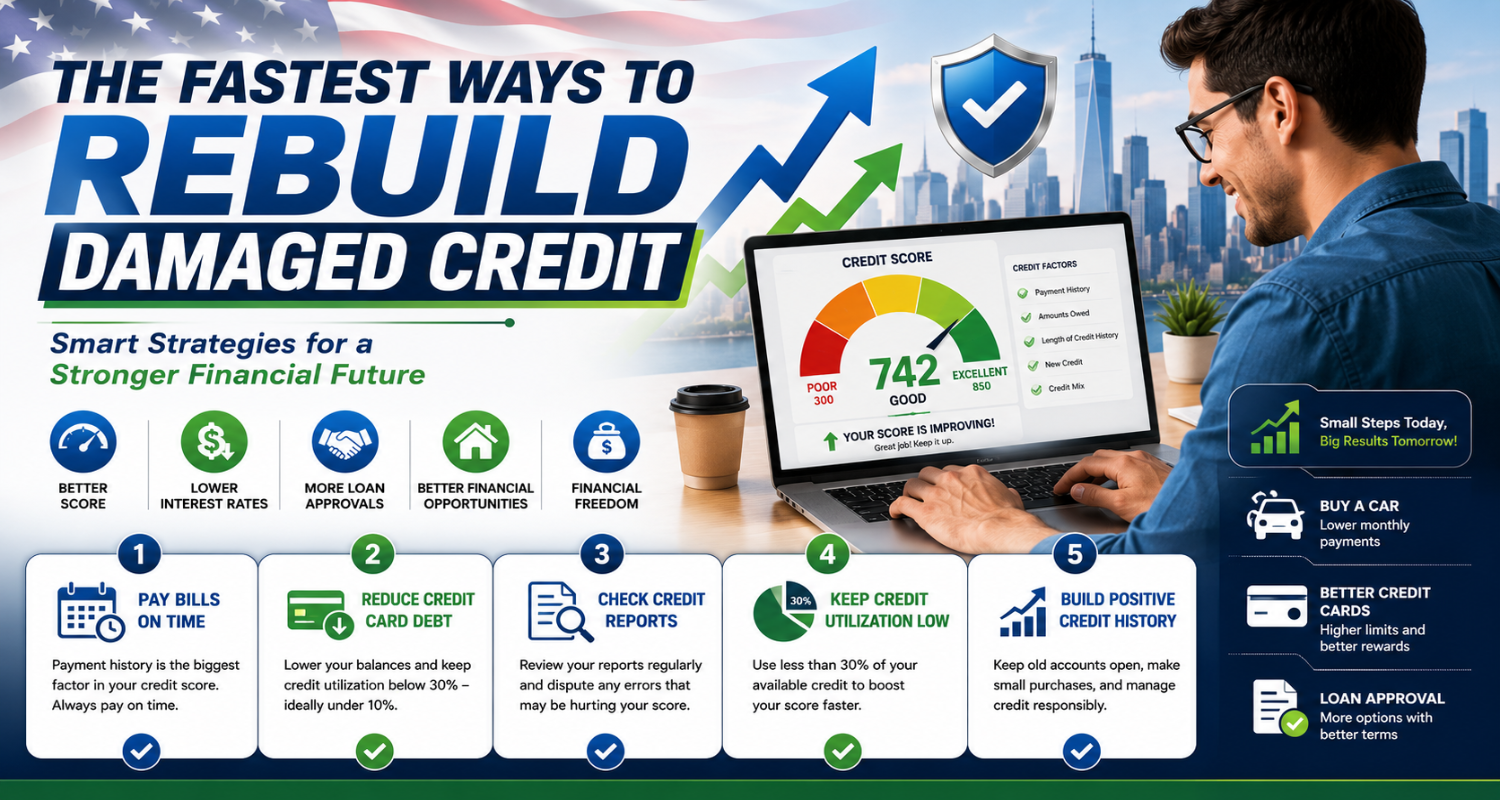
- Improve your credit score.
- Compare multiple lenders.
- Get pre-approved for a mortgage.
- Save for unexpected expenses.
- Research neighborhood trends.
- Calculate your total monthly costs.
- Avoid stretching your budget.
Following these steps can reduce financial stress after moving into your new home.
What Experts Recommend
Most financial experts agree on one thing.
Buy a home when you are financially prepared—not simply because the market seems favorable.
If your income is stable, your debt is manageable, and you plan to stay in the home for several years, buying can still be a smart financial decision.
For reliable information about home buying, mortgages, and consumer resources, visit the Consumer Financial Protection Bureau Home Buying Guide.
Final Thoughts
So, is now a good time to buy a house in America?
For some buyers, the answer is yes.
For others, waiting may be the wiser choice.
Instead of trying to predict the housing market, focus on your own financial health. A strong credit score, manageable monthly payment, and long-term ownership plan matter far more than guessing where mortgage rates or home prices will go next.
Buying a home is a major commitment. Therefore, take time to compare loan options, understand the full cost of ownership, and choose a property that fits both your budget and your future goals.