 MOHAMMAD ABUBAKR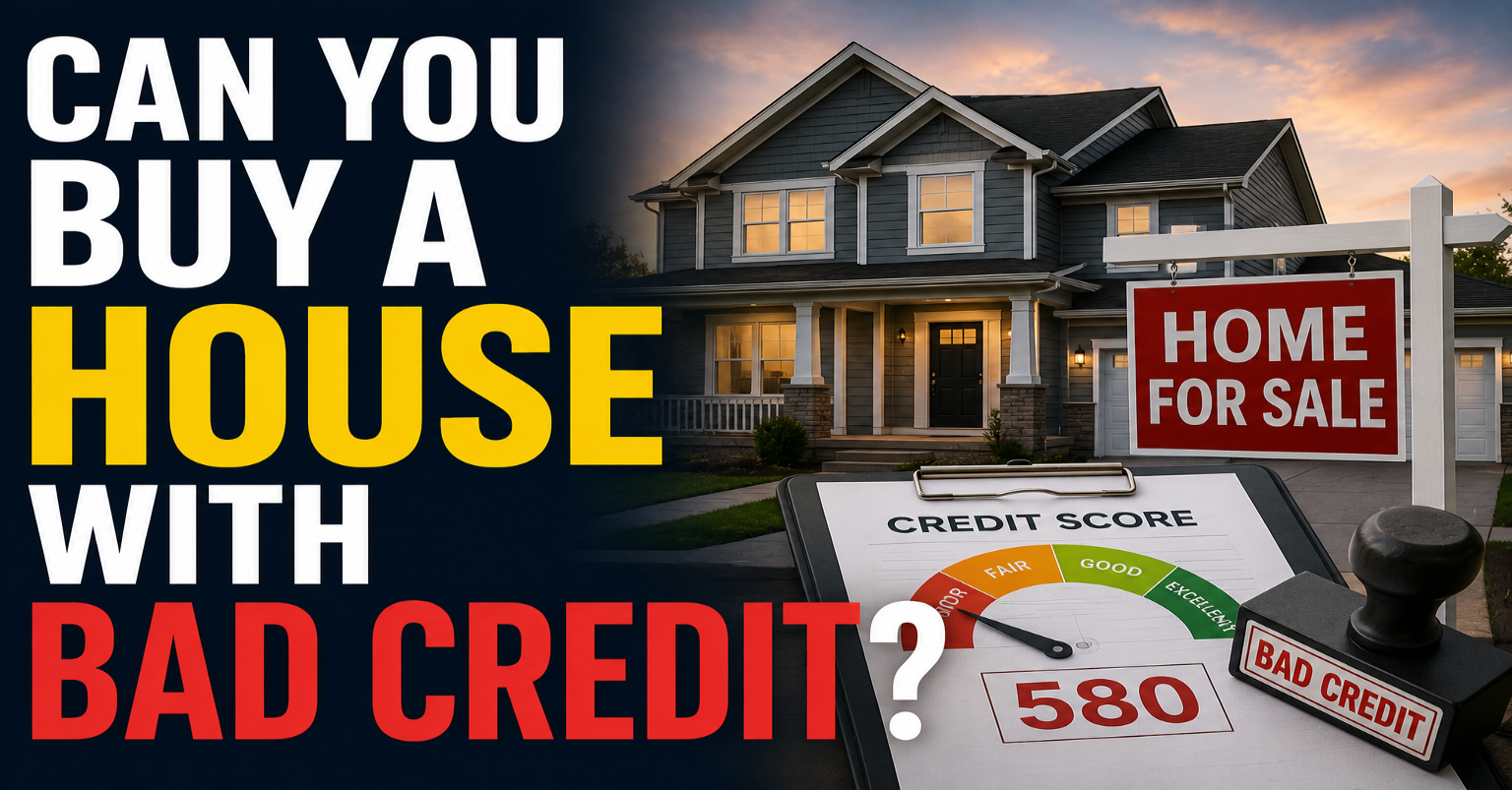
Buying a home may seem impossible if your credit score isn’t perfect. However, having bad credit doesn’t automatically prevent you from becoming a homeowner. Many lenders offer mortgage programs designed for buyers with lower credit scores, and there are several ways to improve your chances of getting approved.
Although a higher credit score usually leads to better loan terms, many Americans successfully purchase homes every year with less-than-perfect credit.
You should also understand What Credit Score Do You Need to Buy a Home? before comparing mortgage lenders and loan options.
In this guide, you’ll learn how credit affects mortgage approval, the loan options available in 2026, and practical steps to strengthen your application.
Can You Really Buy a House With Bad Credit?
Yes, you can.
While lenders evaluate your credit history carefully, they also consider factors such as your income, employment history, debt-to-income ratio, savings, and down payment.
As a result, many borrowers with lower credit scores still qualify for home loans.
The key is choosing the right mortgage program and preparing your finances before applying.
What Is Considered Bad Credit?
Credit score ranges generally fall into these categories:
| Credit Score | Rating |
|---|---|
| 800–850 | Excellent |
| 740–799 | Very Good |
| 670–739 | Good |
| 580–669 | Fair |
| Below 580 | Poor |
Generally, borrowers with scores below 670 may face higher interest rates. However, approval is still possible depending on the loan type and lender requirements.
Minimum Credit Score for a Mortgage
Different mortgage programs have different credit score requirements.
Conventional Loan
- Usually requires a higher credit score.
- Often offers competitive interest rates for qualified borrowers.
FHA Loan
- Designed for buyers with lower credit scores.
- Requires a smaller down payment in many cases.
- Popular among first-time homebuyers.
VA Loan
- Available to eligible veterans, active-duty service members, and certain military families.
- Often offers flexible credit requirements.
USDA Loan
- Available for eligible rural properties.
- Income and location requirements apply.
Each lender may have its own minimum credit score guidelines, so comparing multiple lenders is important.
For official information about mortgage options, home-buying rights, and loan guidance, visit the Consumer Financial Protection Bureau (CFPB).
How Bad Credit Affects Your Mortgage
A lower credit score doesn’t always prevent approval.
However, it may affect:
- Interest rate.
- Monthly mortgage payment.
- Required down payment.
- Loan options.
- Private Mortgage Insurance (PMI).
Even a small difference in your interest rate can cost thousands of dollars over the life of a mortgage.
Therefore, improving your credit before applying may provide significant long-term savings.
Ways to Improve Your Chances of Approval
Even if your credit score is lower than you’d like, there are several ways to strengthen your mortgage application.
1. Improve Your Credit Score
Pay bills on time.
Reduce outstanding credit card balances.
Avoid opening unnecessary credit accounts before applying.
Even a modest score improvement may help you qualify for better loan terms.
2. Save for a Larger Down Payment
A larger down payment reduces the lender’s risk.
It may also improve your approval chances and lower your monthly payment.
3. Lower Your Debt-to-Income Ratio
Lenders review how much of your monthly income goes toward debt payments.
Paying off credit cards or personal loans before applying can improve this ratio.
4. Maintain Stable Employment
A steady employment history demonstrates financial stability.
Most lenders prefer applicants with consistent income over several years.
5. Compare Multiple Mortgage Lenders
Every lender evaluates applications differently.
Shopping around may help you find better interest rates, lower fees, or more flexible credit requirements.
Common Mistakes to Avoid
Many buyers accidentally hurt their mortgage application before closing.
Avoid these mistakes:
- Applying for new credit cards.
- Financing a new vehicle before closing.
- Missing bill payments.
- Changing jobs during the mortgage process.
- Making large unexplained bank deposits.
Keeping your finances stable throughout the approval process is essential.
Should You Wait to Buy?
Waiting may be beneficial if you can significantly improve your credit score within the next year.
However, delaying isn’t always necessary.
Ask yourself:
- Can I comfortably afford the monthly payment?
- Do I have a stable income?
- Have I saved enough for the down payment and closing costs?
- Do I plan to stay in the home for several years?
If the answers are yes, buying sooner may still be a smart financial decision.
Pros and Cons of Buying With Bad Credit
Pros
- Start building home equity.
- Stop waiting for perfect credit.
- Lock in a home before prices rise.
- Improve long-term financial stability.
Cons
- Higher interest rates.
- Larger monthly payments.
- Fewer loan choices.
- Possible PMI costs.
- Higher overall borrowing expenses.
Understanding both sides helps you make a more informed decision.
Tips Before Applying for a Mortgage
Before submitting your application:
- Check your credit report for errors.
- Pay down revolving debt.
- Save additional cash reserves.
- Get pre-approved.
- Compare loan estimates from several lenders.
- Avoid taking on new debt.
Preparation often makes a significant difference in the approval process.
Final Thoughts
Buying a house with bad credit is absolutely possible in 2026.
Although lower credit scores may result in higher borrowing costs, many buyers qualify for mortgages through FHA, VA, USDA, or other loan programs.
Rather than focusing only on your credit score, work on improving your overall financial profile. Paying down debt, saving for a larger down payment, and comparing lenders can greatly increase your chances of approval.
Most importantly, choose a home that fits comfortably within your budget. Homeownership should strengthen your finances—not create unnecessary financial pressure.
Frequently Asked Questions
Can I buy a house with a 600 credit score?
Yes. Many lenders offer mortgage programs for borrowers with credit scores around 600, although interest rates may be higher.
Does bad credit mean automatic mortgage denial?
No. Lenders also consider your income, debt, employment history, and down payment.
Which mortgage is best for bad credit?
Many first-time buyers explore FHA loans because they often have more flexible credit requirements.
How can I improve my approval chances?
Improve your credit score, reduce debt, save for a larger down payment, and compare multiple lenders.