 MOHAMMAD ABUBAKR
Buying your first home is an exciting milestone. However, choosing the right mortgage lender can feel overwhelming. Hundreds of lenders compete for your business, and each one offers different interest rates, loan programs, fees, and approval requirements. Because of these differences, selecting the right lender can save you thousands of dollars over the life of your mortgage.
Fortunately, first-time homebuyers have more financing options today than ever before. Many lenders now offer low down payment programs, flexible credit requirements, and digital applications that make the process faster and easier. Even so, finding the best lender requires more than comparing interest rates.
Instead, you should evaluate the complete mortgage experience. Customer service, closing costs, loan flexibility, and approval speed all play important roles. Therefore, taking time to compare lenders before applying is one of the smartest financial decisions you can make.
This guide explains what makes a mortgage lender stand out, which loan programs are available, and how to choose the best lender for your situation.
Why Choosing the Right Mortgage Lender Matters
A mortgage is likely the largest financial commitment you will ever make. As a result, even small differences in loan terms can have a major impact on your long-term finances.
For example, a slightly lower interest rate can reduce your monthly payment and lower the total interest you pay over 30 years. Likewise, lower lender fees can save thousands of dollars at closing.
In addition, a responsive lender makes the buying process much less stressful. Clear communication helps avoid delays and keeps your home purchase on schedule.
Therefore, don’t choose a lender based only on advertising. Compare multiple offers before making your final decision.
What Makes a Great Mortgage Lender?
Every homebuyer has different financial needs. Because of that, the best lender for one person may not be the best choice for another.
Instead, compare lenders using several important factors.
Competitive Interest Rates
Interest rates directly affect your monthly payment.
Even a small difference can produce significant savings over time.
However, don’t compare interest rates alone.
Instead, review the Annual Percentage Rate (APR) because it includes many lender fees.
This provides a more accurate comparison.
Low Closing Costs
Some lenders advertise attractive rates but charge expensive closing costs.
Consequently, your total borrowing cost may actually be higher.
Always request a Loan Estimate before selecting a lender.
Compare:
- Origination fees
- Underwriting fees
- Processing fees
- Discount points
- Appraisal costs
Reviewing these expenses carefully helps prevent unexpected surprises.
Flexible Loan Programs
The best mortgage lenders offer several financing options.
These may include:
- Conventional loans
- FHA loans
- VA loans
- USDA loans
- Jumbo loans
- Adjustable-rate mortgages
Having multiple loan choices allows buyers to select financing that matches their budget and financial goals.
Excellent Customer Service
Buying a home involves many deadlines and important documents.
Therefore, responsive customer service is essential.
A good lender answers questions quickly, explains confusing terms, and keeps buyers informed throughout the approval process.
This reduces stress and builds confidence.
Fast Mortgage Pre-Approval
Today’s housing market can move quickly.
Homes in desirable neighborhoods sometimes receive multiple offers within days.
Because of this, obtaining a mortgage pre-approval before house hunting gives buyers a competitive advantage.
Many online lenders now provide digital pre-approval in less than one day.
Types of Mortgage Lenders
Understanding the different lender categories makes comparing options much easier.
Traditional Banks
Banks remain one of the most common mortgage providers.
Many buyers prefer using a bank where they already have checking or savings accounts.
Some banks even offer relationship discounts for existing customers.
However, qualification requirements may be stricter than those of other lenders.
Credit Unions
Credit unions are nonprofit financial institutions.
As a result, they often provide competitive interest rates and lower fees.
Many also offer personalized customer service.
Membership requirements may apply, although joining is usually simple.
Online Mortgage Lenders
Online lenders have become increasingly popular.
Their application process is usually faster than traditional banks.
Most paperwork can be completed electronically.
Many buyers also appreciate their convenient digital tools.
However, some borrowers still prefer face-to-face assistance.
Mortgage Brokers
Mortgage brokers don’t lend money directly.
Instead, they compare loan offers from multiple lenders on your behalf.
Consequently, brokers may help buyers find better interest rates or specialized loan programs.
However, ask whether broker fees apply before moving forward.
Best Loan Programs for First-Time Buyers
Choosing the right mortgage program is just as important as selecting the lender.
Several options are designed specifically for first-time buyers.
Before choosing a mortgage lender, it’s important to know how much money you’ll need upfront. Read our guide on How Much Down Payment Do You Really Need? to learn how your down payment affects loan approval, monthly payments, and mortgage options.
Conventional Loans
Conventional mortgages remain one of the most popular choices.
Many programs require surprisingly small down payments.
Borrowers with strong credit often receive competitive interest rates.
These loans work well for buyers with stable income and solid financial history.
FHA Loans
FHA loans help buyers who have lower credit scores or limited savings.
Because these loans are backed by the federal government, qualification requirements are generally more flexible.
They remain one of the most popular choices for first-time homeowners across the United States.
VA Loans
Eligible military service members, veterans, and some surviving spouses may qualify for VA loans.
These mortgages often require no down payment.
Additionally, many borrowers avoid private mortgage insurance.
For eligible buyers, VA loans frequently provide outstanding value.
USDA Loans
USDA loans support buyers purchasing homes in eligible rural communities.
Qualified borrowers may purchase a home without making a down payment.
Income limits and property eligibility requirements apply.
Nevertheless, USDA financing remains an excellent option for many families living outside major metropolitan areas.
Questions Every First-Time Buyer Should Ask a Mortgage Lender
Before selecting a lender, prepare a list of important questions.
For example:
- What interest rate do I qualify for?
- What is the Annual Percentage Rate (APR)?
- How much are the closing costs?
- Are there any lender fees?
- How long will the approval process take?
- Which loan program fits my financial situation?
- Can I lock my interest rate?
- Is there a penalty for paying off the mortgage early?
Comparing answers from several lenders gives you a much clearer picture of your available options.
Should You Get Pre-Approved Before Shopping?
Absolutely. Getting pre-approved is one of the smartest steps a first-time buyer can take. It gives you a clear picture of how much you can afford before you begin searching for a home.
In addition, a pre-approval letter shows sellers that you’re a serious buyer. As a result, your offer may stand out in a competitive housing market.
Pre-approval also helps identify potential issues with your credit, income, or debt before you sign a purchase agreement. Fixing those problems early can save time and reduce stress later.
Keep in mind that pre-approval is different from pre-qualification. A pre-approval usually involves verifying your financial information, making it more valuable when submitting an offer.
Common Mistakes First-Time Buyers Make
Buying your first home can be exciting. Even so, many buyers make mistakes that increase their costs or delay closing.
Understanding these mistakes helps you avoid expensive surprises.
Applying With Only One Lender
Many buyers accept the first loan offer they receive.
However, mortgage rates and fees vary from one lender to another.
Therefore, compare at least three lenders before making a final decision.
Shopping around could save thousands of dollars over the life of your mortgage.
Focusing Only on the Interest Rate
A low interest rate looks attractive.
Still, it doesn’t always mean the loan is the least expensive.
Some lenders charge higher origination fees, discount points, or closing costs.
Instead, compare the Annual Percentage Rate (APR) because it reflects the total borrowing cost more accurately.
Borrowing More Than You Can Comfortably Afford
Just because a lender approves a certain loan amount doesn’t mean you should borrow the maximum.
Instead, create a realistic monthly budget.
Remember to include:
- Property taxes
- Homeowners insurance
- HOA fees
- Utilities
- Maintenance costs
- Emergency repairs
Buying within your budget provides greater financial security.
Making Big Financial Changes Before Closing
After receiving mortgage approval, avoid major financial decisions.
For example, don’t:
- Buy a new vehicle
- Open new credit cards
- Quit your job
- Finance expensive furniture
These actions may affect your loan approval before closing.
Keeping your finances stable is the safest approach.
How to Compare Mortgage Offers
Choosing the right mortgage requires looking beyond advertisements.
Compare each lender using the same criteria.
Interest Rate
A lower rate usually means lower monthly payments.
However, always compare rates offered on the same day because mortgage rates change frequently.
APR
The Annual Percentage Rate includes lender fees.
Therefore, APR provides a better comparison than the interest rate alone.
Closing Costs
Ask every lender for a Loan Estimate.
Then compare:
- Origination charges
- Appraisal fees
- Title costs
- Processing fees
- Recording fees
Lower closing costs can significantly reduce the cash needed at closing.
Loan Options
Some lenders specialize in conventional loans.
Others focus on FHA, VA, or USDA mortgages.
Choose the lender that offers the loan program best suited to your financial needs.
Customer Reviews
Read reviews from verified customers.
Consistent feedback about communication, transparency, and closing speed can help identify reliable lenders.
The Consumer Financial Protection Bureau Home Loan Guide offers trusted information about comparing mortgage lenders, understanding loan estimates, and avoiding common homebuying mistakes.
How to Improve Your Mortgage Approval Chances
Preparing before applying can improve your chances of receiving favorable loan terms.
Improve Your Credit Score
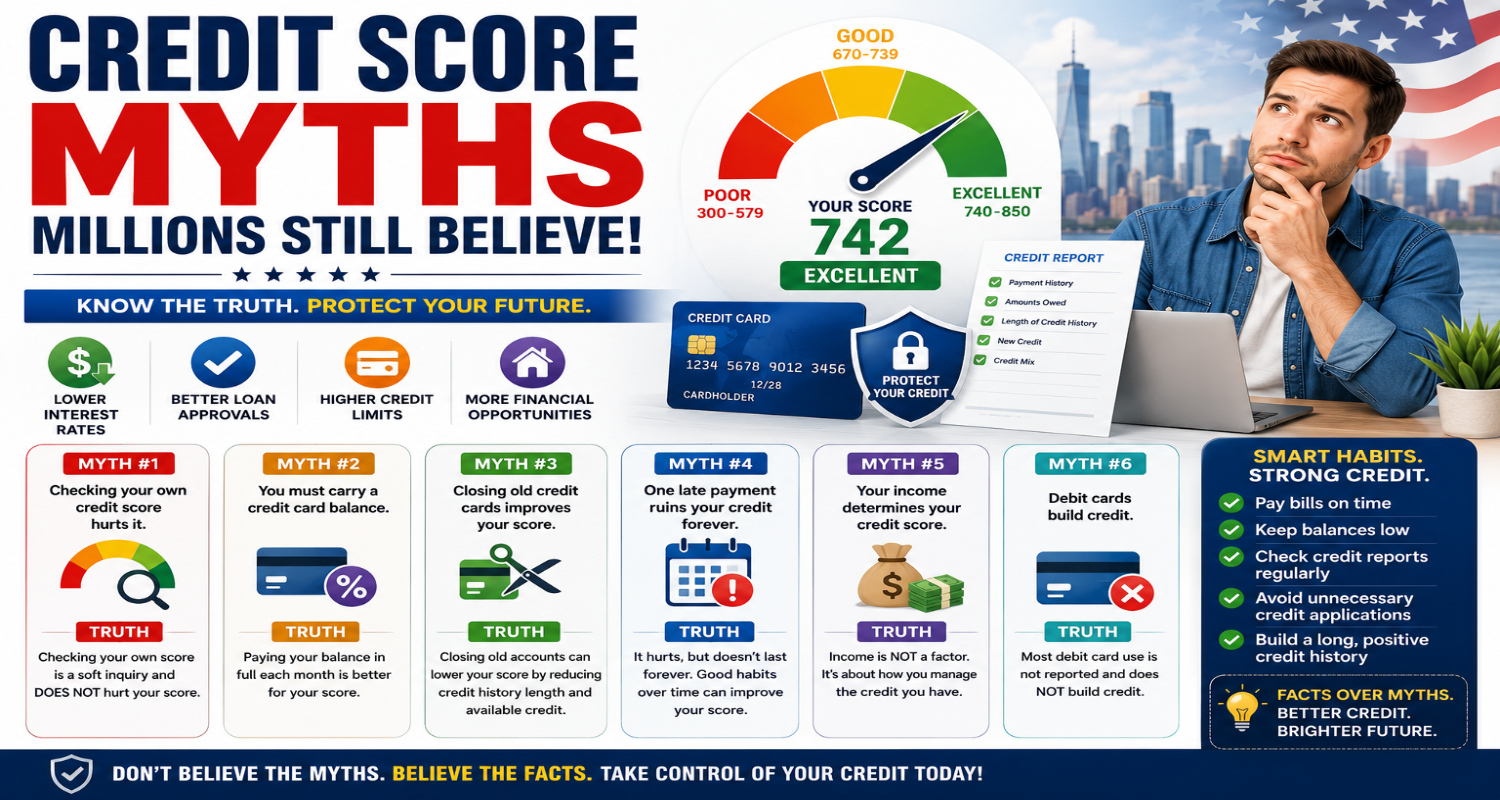
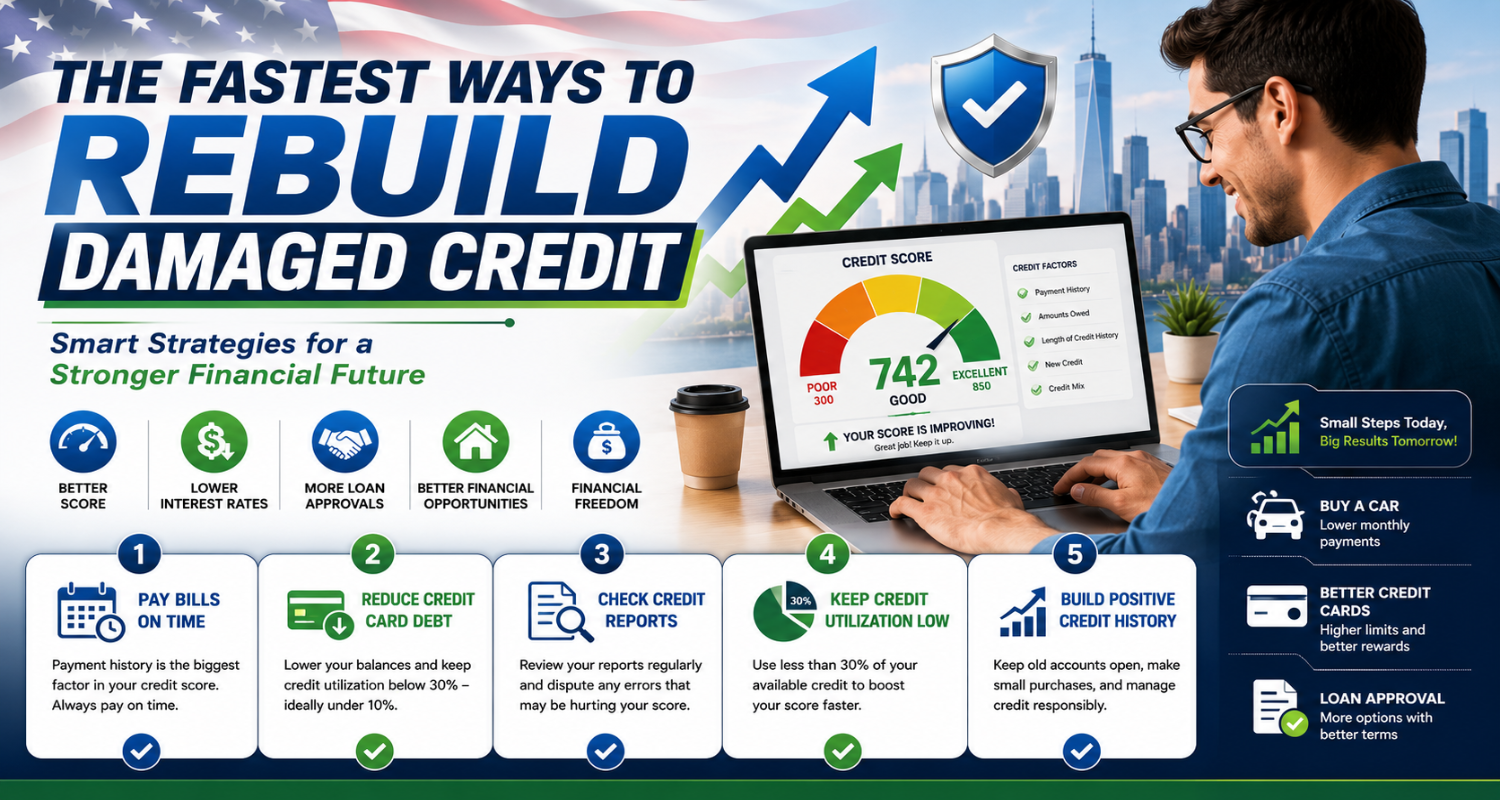
A higher credit score often leads to lower interest rates.
Pay bills on time, reduce credit card balances, and avoid missing payments.
Small improvements can produce meaningful savings over time.
Save a Larger Down Payment
Although many loans require only a small down payment, saving more money has several benefits.
A larger down payment may:
- Reduce monthly payments
- Lower total interest costs
- Improve loan approval chances
- Reduce or eliminate mortgage insurance
Even adding a few extra percentage points can make a noticeable difference.
Reduce Existing Debt
Lenders review your debt-to-income ratio before approving a mortgage.
Paying down high-interest debt improves this ratio and strengthens your application.
As a result, you may qualify for better loan terms.
Maintain Stable Employment
Lenders prefer borrowers with consistent income.
Changing jobs shortly before closing may delay your loan.
Whenever possible, maintain employment stability throughout the mortgage process.
Build an Emergency Fund
Homeownership comes with unexpected expenses.
A strong emergency fund helps cover repairs, maintenance, or temporary financial setbacks without relying on credit cards.
Financial security makes homeownership much less stressful.
Should You Use an Online Lender or a Local Bank?
Both options have advantages.
Online lenders often provide:
- Faster applications
- Competitive interest rates
- Digital document uploads
- Quick pre-approvals
Meanwhile, local banks and credit unions usually offer:
- Personalized customer service
- Face-to-face guidance
- Knowledge of the local housing market
- Existing customer relationships
The best choice depends on your personal preferences and financial needs.
Many buyers compare offers from both before making a final decision.
Final Thoughts
Choosing the best mortgage lender for first-time buyers involves much more than finding the lowest advertised interest rate.
Instead, compare loan programs, closing costs, customer service, approval speed, and lender reputation.
At the same time, strengthen your financial profile before applying. Improving your credit score, reducing debt, and saving for a down payment can help you qualify for better mortgage terms.
Most importantly, don’t rush your decision. Taking the time to compare several lenders can save thousands of dollars over the life of your loan and make your first home purchase a much smoother experience.
With careful planning and thorough research, you’ll be well prepared to choose a lender that supports both your budget and your long-term financial goals.