 MOHAMMAD ABUBAKR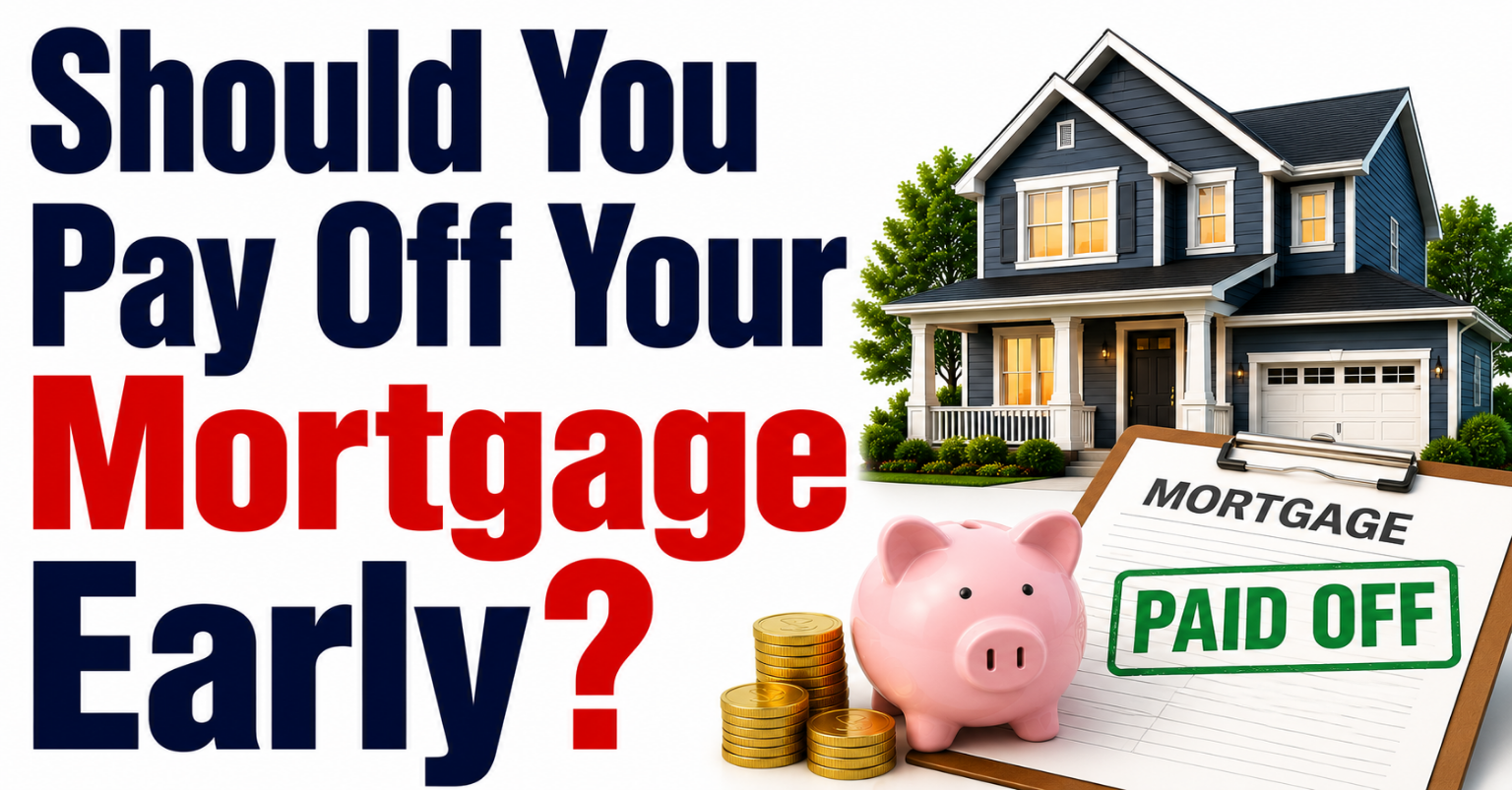
Owning a home is a dream for millions of Americans. However, once you settle into your new home, another important question often follows: Should you pay off your mortgage early?
Many homeowners want the peace of mind that comes with being debt-free. Others prefer investing extra money instead of making additional mortgage payments. Both strategies have advantages. Therefore, the right decision depends on your financial goals, mortgage interest rate, and overall budget.
Paying off your mortgage ahead of schedule can reduce interest costs and increase financial security. On the other hand, using that money for investing or retirement may produce higher long-term returns.
This guide explains the benefits, drawbacks, and key factors to consider before making extra mortgage payments.
What Does Paying Off a Mortgage Early Mean?
A mortgage is usually designed to be repaid over 15 or 30 years.
Paying it off early means making additional payments toward the loan principal. Consequently, the balance decreases faster, and less interest accumulates over time.
Homeowners commonly use several methods.
These include:
- Making one extra payment each year
- Paying more than the required monthly payment
- Making biweekly payments
- Applying bonuses or tax refunds toward the principal
- Making occasional lump-sum payments
Even small extra payments can shorten your loan term significantly.
Benefits of Paying Off Your Mortgage Early
Although every financial situation is different, paying off your mortgage early offers several important advantages.
Save Thousands in Interest
One of the biggest benefits is reducing the amount of interest paid over the life of the loan.
Mortgage interest adds up over decades.
Therefore, paying down the principal sooner decreases future interest charges.
Depending on your loan balance and interest rate, the savings can be substantial.
Become Debt-Free Sooner
Many homeowners value financial freedom.
Eliminating your mortgage removes one of your largest monthly expenses.
As a result, your monthly budget becomes more flexible.
You may have more money available for travel, retirement, education, or other personal goals.
Reduce Financial Stress
Life is unpredictable.
Job changes, medical expenses, or economic downturns can create financial challenges.
Owning your home outright provides peace of mind during uncertain times.
Without a mortgage payment, managing your monthly finances often becomes easier.
Build Home Equity Faster
Every extra payment increases your ownership in the property.
Greater equity also improves your financial position if you later refinance or sell the home.
Furthermore, higher equity can provide access to home equity loans or lines of credit if needed.
Reasons You May Not Want to Pay Off Your Mortgage Early
While becoming mortgage-free sounds appealing, it isn’t always the best financial strategy.
Several situations may justify keeping your mortgage.
Your Interest Rate Is Very Low
Many homeowners locked in historically low mortgage rates.
If your mortgage rate is much lower than the potential return from long-term investments, investing extra money could generate greater wealth over time.
For example, some diversified investment portfolios have historically produced higher average returns than low fixed mortgage rates.
Although future investment returns are never guaranteed, this comparison is worth considering.
You Have High-Interest Debt
Before making extra mortgage payments, pay off expensive debt first.
Credit cards and personal loans often carry much higher interest rates than mortgages.
Reducing high-interest debt usually provides a better financial return.
After eliminating expensive debt, you can redirect those payments toward your mortgage.
Your Emergency Fund Isn’t Large Enough
Unexpected expenses happen.
Home repairs, medical bills, or temporary job loss can quickly become expensive.
Because of this, financial experts generally recommend building an emergency fund before accelerating mortgage payments.
Having several months of living expenses saved provides greater financial security.
You’re Behind on Retirement Savings
Retirement should remain a priority.
If you’re not contributing enough to employer-sponsored retirement plans or individual retirement accounts, increasing those contributions may provide greater long-term benefits.
Many employers also offer matching contributions.
Failing to capture that match means leaving free money on the table.
Smart Ways to Pay Off Your Mortgage Faster
Fortunately, paying off your mortgage early doesn’t require making huge additional payments every month.
Small changes often make a noticeable difference.
Make Biweekly Payments
Instead of making 12 monthly payments each year, divide your monthly payment in half and pay every two weeks.
This approach results in one additional full payment annually.
Consequently, your mortgage balance decreases more quickly.
Add Extra Money to the Principal
Even adding $50 or $100 each month toward the principal can reduce your loan term.
Always confirm that the lender applies the extra amount directly to the principal balance.
Otherwise, the payment may simply be credited toward future monthly payments.
Use Bonuses or Tax Refunds
Many homeowners receive annual bonuses or tax refunds.
Applying part of these funds toward the mortgage can significantly reduce the remaining balance without affecting your monthly budget.
Round Up Your Monthly Payment
If your mortgage payment is $1,465, consider paying $1,500 instead.
Although the increase seems small, consistent extra payments can reduce interest costs over time.
Is Investing Better Than Paying Off Your Mortgage?
This is one of the most debated questions in personal finance.
Both strategies offer advantages.
Paying off your mortgage provides a guaranteed return equal to your mortgage interest rate because every extra payment reduces future interest expenses.
Investing, however, offers the potential for higher long-term returns.
Nevertheless, investments involve market risk.
Therefore, your decision should reflect your personal risk tolerance, financial goals, and overall investment strategy.
Compare Your Financial Priorities First
Before sending extra money to your mortgage lender, take a close look at your overall financial picture. Paying off a home loan early is rewarding, but it should not come at the expense of other important goals.
Ask yourself a few questions:
- Do I have an emergency fund?
- Am I contributing enough to retirement?
- Do I have high-interest debt?
- Can I comfortably afford extra mortgage payments?
- Will paying off my mortgage limit my financial flexibility?
Answering these questions can help you decide whether early mortgage payoff is the right move.
Before deciding to pay off your mortgage ahead of schedule, make sure your loan still fits your financial goals. Read our guide on Best Mortgage Lenders for First-Time Buyers to understand how choosing the right lender and mortgage terms can affect your long-term costs.
Who Should Consider Paying Off a Mortgage Early?
Although every homeowner has different goals, paying off a mortgage early may be a smart decision in several situations.
Homeowners Nearing Retirement
Many Americans prefer entering retirement without monthly mortgage payments.
As a result, reducing housing expenses can make retirement income last longer.
In addition, lower monthly expenses provide greater financial stability during retirement.
People With Stable Income
If your income is reliable and your emergency savings are fully funded, making extra mortgage payments may fit comfortably into your budget.
Because your financial foundation is strong, paying down debt becomes less risky.
Borrowers With High Mortgage Rates
Some homeowners have mortgages with relatively high interest rates.
In those cases, paying off the loan early can produce meaningful interest savings over time.
Therefore, accelerating payments may offer a guaranteed financial benefit.
Families Seeking Peace of Mind
Not every financial decision is based solely on math.
Some homeowners simply value the feeling of owning their home outright.
Removing monthly mortgage payments can reduce stress and provide confidence during uncertain economic conditions.
That emotional benefit is valuable for many families.
When It May Be Better to Keep Your Mortgage
Paying off your mortgage isn’t always the best financial strategy.
Sometimes keeping the loan makes more sense.
You’re Building Wealth Through Investing
If you’re consistently investing for retirement and earning solid long-term returns, investing extra cash could produce greater wealth than paying off a low-interest mortgage.
However, remember that investment returns are never guaranteed.
Balance potential growth with your comfort level regarding market risk.
You Need More Liquidity
Once extra money goes toward your mortgage, accessing it isn’t always easy.
Unlike cash in a savings account, home equity cannot be spent immediately.
Therefore, maintaining adequate savings remains important.
Financial flexibility often matters just as much as reducing debt.
You Expect Major Expenses Soon
Large upcoming expenses may include:
- College tuition
- Home renovations
- Starting a business
- Medical costs
- Family changes
In these situations, keeping additional cash available may be more practical than accelerating mortgage payments.
Common Mistakes to Avoid
Many homeowners make avoidable mistakes when trying to eliminate their mortgage early.
Fortunately, most of these problems can be prevented with careful planning.
The Consumer Financial Protection Bureau Mortgage Resources explain mortgage payments, loan servicing, refinancing, and homeowner rights. Reviewing these resources can help you make informed financial decisions.
Ignoring Other Debt
Paying extra toward a mortgage while carrying high-interest credit card balances usually isn’t the most efficient strategy.
Instead, eliminate expensive debt first.
Doing so often saves more money.
Draining Your Savings
Avoid using your emergency fund to make a large mortgage payment.
Unexpected expenses can happen at any time.
Without cash reserves, you may need to borrow money later at much higher interest rates.
Forgetting About Retirement
Many people focus heavily on becoming debt-free.
Meanwhile, they neglect retirement savings.
Contributing regularly to retirement accounts should remain a priority throughout your working years.
Not Checking for Prepayment Rules
Although many modern mortgages don’t charge prepayment penalties, some loans still include them.
Before making extra payments, review your mortgage documents or contact your lender.
Understanding your loan terms prevents unexpected fees.
Practical Tips to Pay Off Your Mortgage Faster
If you’ve decided early payoff fits your goals, consider these simple strategies.
Increase Your Monthly Payment
Adding even a small amount each month reduces your principal balance faster.
Consistency matters more than making occasional large payments.
Make One Extra Payment Each Year
One additional mortgage payment annually can shorten a 30-year mortgage by several years.
It also reduces total interest costs.
Refinance to a Shorter Loan Term
If interest rates and your finances allow, refinancing from a 30-year loan to a 15-year mortgage may help you pay off your home sooner.
However, compare closing costs before refinancing.
Apply Windfalls Toward the Principal
Tax refunds, work bonuses, inheritance money, or unexpected income can all accelerate mortgage repayment.
Applying these funds directly to the principal maximizes interest savings.
Should You Pay Off Your Mortgage Early?
There isn’t one correct answer for everyone.
Instead, the best choice depends on your financial priorities.
You may benefit from paying off your mortgage early if:
- You have a fully funded emergency account.
- You carry little or no high-interest debt.
- You’re saving consistently for retirement.
- Your mortgage interest rate is relatively high.
- Becoming debt-free is one of your top financial goals.
On the other hand, investing extra money may be more beneficial if your mortgage has a very low interest rate and you’re comfortable with long-term market investing.
The smartest approach often combines both strategies.
For example, you can continue investing while making modest extra mortgage payments.
This balanced plan helps build wealth while reducing debt.
Final Thoughts
So, should you pay off your mortgage early?
For many homeowners, eliminating a mortgage provides financial freedom, lower interest costs, and valuable peace of mind.
However, early payoff isn’t automatically the best decision for everyone.
Before making extra payments, evaluate your emergency savings, retirement goals, investment opportunities, and other debts.
Most importantly, choose the strategy that supports your long-term financial plan rather than following a one-size-fits-all approach.
With thoughtful planning, you can build equity, strengthen your finances, and move closer to lasting financial security.