 MOHAMMAD ABUBAKR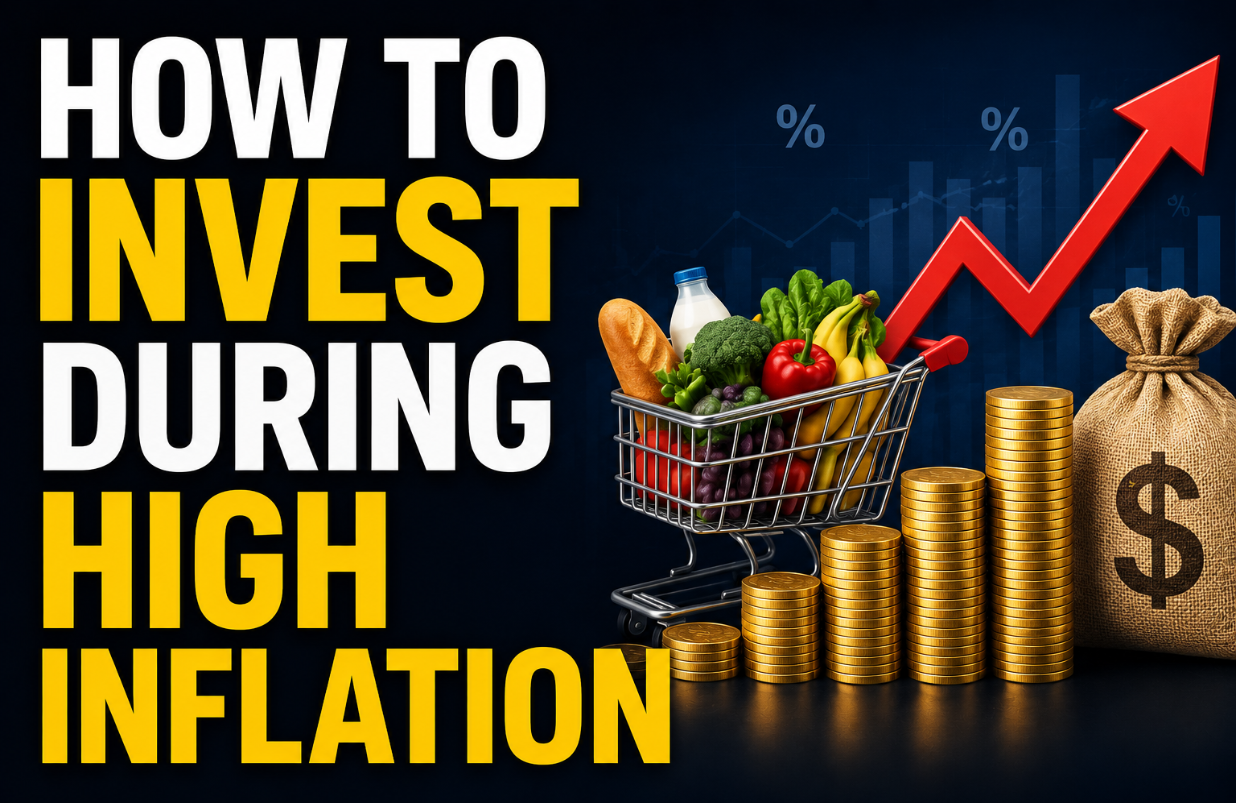
Introduction
Inflation affects almost every part of your financial life. It raises the cost of groceries, fuel, housing, healthcare, and everyday services. As prices continue to climb, many Americans wonder whether they should keep investing or wait for better market conditions.
The good news is that inflation does not mean you should stop investing. Instead, it means you should invest more wisely. A thoughtful investment strategy can help protect your purchasing power while keeping your long-term financial goals on track.
In this guide, you’ll learn how to invest during high inflation, which investments may perform better, and the common mistakes to avoid. Whether you’re a beginner or an experienced investor, these practical strategies can help you make informed decisions.
What Is Inflation?
Inflation is the rate at which the prices of goods and services increase over time. As inflation rises, every dollar buys fewer products than before. This reduces your purchasing power.
For example, if inflation is 5% per year, an item that costs $100 today may cost $105 next year. If your savings earn only 1% interest, your money is losing value in real terms.
That is why investing becomes even more important during periods of high inflation.
Why Inflation Matters to Investors
High inflation can influence nearly every investment.
It often leads to:
- Higher interest rates
- More stock market volatility
- Increased borrowing costs
- Lower consumer spending
- Slower business growth
However, not every investment reacts the same way. Some assets have historically performed better during inflationary periods. Therefore, choosing the right mix of investments becomes essential.
Want to understand how rising prices affect the broader financial markets? Read our How Inflation Is Affecting American Investors in 2026 to learn how inflation impacts stocks, bonds, and long-term investment strategies.
1. Continue Investing Instead of Waiting
Many investors stop investing when inflation is high. They believe markets will continue falling. However, waiting for the “perfect time” rarely works.
Instead, continue investing consistently.
Markets naturally move through different cycles. While inflation may create short-term uncertainty, long-term investors often benefit by staying invested.
Regular investing also helps remove emotions from your decisions.
2. Use Dollar-Cost Averaging
One of the simplest strategies during inflation is dollar-cost averaging.
This means investing a fixed amount of money at regular intervals, regardless of market prices.
For example:
- Invest $500 every month.
- Buy more shares when prices fall.
- Buy fewer shares when prices rise.
Over time, this approach may reduce the average cost of your investments.
More importantly, it keeps you disciplined during uncertain markets.
If you’re new to investing, the U.S. Securities and Exchange Commission (SEC) offers free educational resources about diversification, investment risk, and building a long-term investment plan through its official Investor.gov website.
3. Focus on High-Quality Companies
Not every business performs well during inflation.
Companies with strong balance sheets and consistent profits often have a better chance of handling rising costs.
Look for businesses that can:
- Increase prices without losing customers
- Generate steady cash flow
- Maintain healthy profit margins
- Operate with manageable debt
These characteristics may help companies remain resilient even when inflation remains elevated.
4. Consider Dividend Stocks
Dividend-paying companies can provide regular income while you continue growing your portfolio.
Many established businesses increase their dividends over time.
During inflation, this growing income can help offset higher living expenses.
Industries that often pay dividends include:
- Utilities
- Consumer staples
- Healthcare
- Energy
Although dividends are never guaranteed, they can become an important part of a balanced investment strategy.
5. Diversify Your Portfolio
Diversification remains one of the best ways to reduce investment risk.
Instead of putting all your money into one stock or one industry, spread your investments across different asset classes.
A diversified portfolio may include:
- U.S. stocks
- International stocks
- ETFs
- Index funds
- Bonds
- Real estate investments
- Cash reserves
As a result, poor performance in one area may be balanced by stronger performance in another.
Diversification does not eliminate risk. However, it can reduce large swings in your portfolio.
6. Invest in Index Funds and ETFs
Many investors prefer index funds and exchange-traded funds (ETFs) during uncertain economic periods.
These funds instantly provide diversification.
Rather than buying dozens of individual stocks, one fund can hold hundreds of companies.
Benefits include:
- Lower fees
- Broad market exposure
- Reduced company-specific risk
- Long-term growth potential
Because of these advantages, index investing remains popular among long-term investors.
7. Review Your Asset Allocation
Inflation changes market conditions.
Therefore, it is wise to review your investment allocation at least once each year.
Ask yourself:
- Is your portfolio too aggressive?
- Are you taking enough risk?
- Are you holding too much cash?
- Does your allocation still match your goals?
Small adjustments can help your investments stay aligned with your financial plan without making emotional decisions.
8. Don’t Keep Too Much Money in Cash
Cash is important for emergencies. However, holding too much cash during high inflation can reduce your purchasing power over time.
For example, if inflation is 4% and your savings account earns only 1%, your money loses value in real terms.
Instead, consider this approach:
- Keep three to six months of living expenses in an emergency fund.
- Invest additional money according to your financial goals.
- Review your cash allocation every few months.
This strategy helps you stay prepared while giving your money a better chance to grow.
9. Be Careful With Bonds
Inflation can reduce the value of traditional bonds because rising interest rates often push bond prices lower.
That does not mean you should avoid bonds completely.
Instead, consider:
- Short-term bond funds
- Inflation-protected securities
- A balanced mix of stocks and bonds
The right bond allocation depends on your age, risk tolerance, and investment timeline.
10. Avoid Emotional Investing
High inflation often creates scary headlines. As a result, many investors panic.
Emotional investing is one of the biggest reasons people earn lower returns than the market.
Avoid these common mistakes:
- Selling after prices fall
- Buying because everyone else is buying
- Constantly checking your portfolio
- Trying to predict every market move
Instead, stick to your long-term investment plan.
Successful investors usually focus on years—not days.
Common Investing Mistakes During High Inflation
Even experienced investors make mistakes when inflation rises.
Watch out for these common errors:
- Waiting too long to invest
- Keeping excessive cash
- Ignoring diversification
- Taking unnecessary risks
- Chasing trending stocks
- Forgetting to rebalance
- Investing without clear goals
Avoiding these mistakes can improve your chances of long-term success.
How Beginners Can Start Investing During Inflation
If you’re new to investing, don’t overcomplicate the process.
A simple plan can work well:
Step 1: Build an emergency fund.
Step 2: Pay off high-interest debt.
Step 3: Invest consistently every month.
Step 4: Choose diversified index funds or ETFs.
Step 5: Increase your investments as your income grows.
Small, regular investments can become meaningful over time through the power of compounding.
Frequently Asked Questions
Is inflation bad for investing?
Not always. While inflation can create short-term market volatility, many investments have historically delivered positive long-term returns that outpace inflation.
What investments may perform better during inflation?
Many investors look at:
- Diversified stock index funds
- Dividend-paying companies
- Inflation-protected bonds
- Certain real estate investments
- Broad-market ETFs
No investment is guaranteed, so diversification remains important.
Should I stop investing until inflation falls?
For most long-term investors, stopping investments may do more harm than good.
Continuing to invest consistently can help reduce the impact of market ups and downs.
How often should I review my portfolio?
Review your portfolio at least once or twice each year. Also review it after major life events or significant changes in your financial goals.
Final Thoughts
High inflation can feel overwhelming. However, it does not have to derail your investment journey.
The key is to stay focused on your long-term goals instead of reacting to short-term market movements. Continue investing regularly, diversify your portfolio, review your asset allocation, and avoid emotional decisions.
Remember that every market cycle eventually changes. Investors who remain disciplined often put themselves in a stronger financial position over time.
Whether inflation stays high or begins to slow, building good investing habits today can help you grow your wealth for years to come.