 MOHAMMAD ABUBAKR
Buying a car is an exciting milestone, but financing it wisely is just as important as choosing the right vehicle. Many buyers focus only on the monthly payment, overlooking factors like interest rates, loan terms, and the total cost of borrowing. These details can significantly affect your finances for years to come.
In 2026, with interest rates and vehicle prices still higher than many buyers would like, making smart financing decisions has become even more important. A little preparation before visiting a dealership can save you hundreds—or even thousands—of dollars over the life of your loan.
The good news is that financing a car doesn’t have to be complicated. By understanding your options, improving your credit, and sticking to a realistic budget, you can drive away with confidence while protecting your financial future.
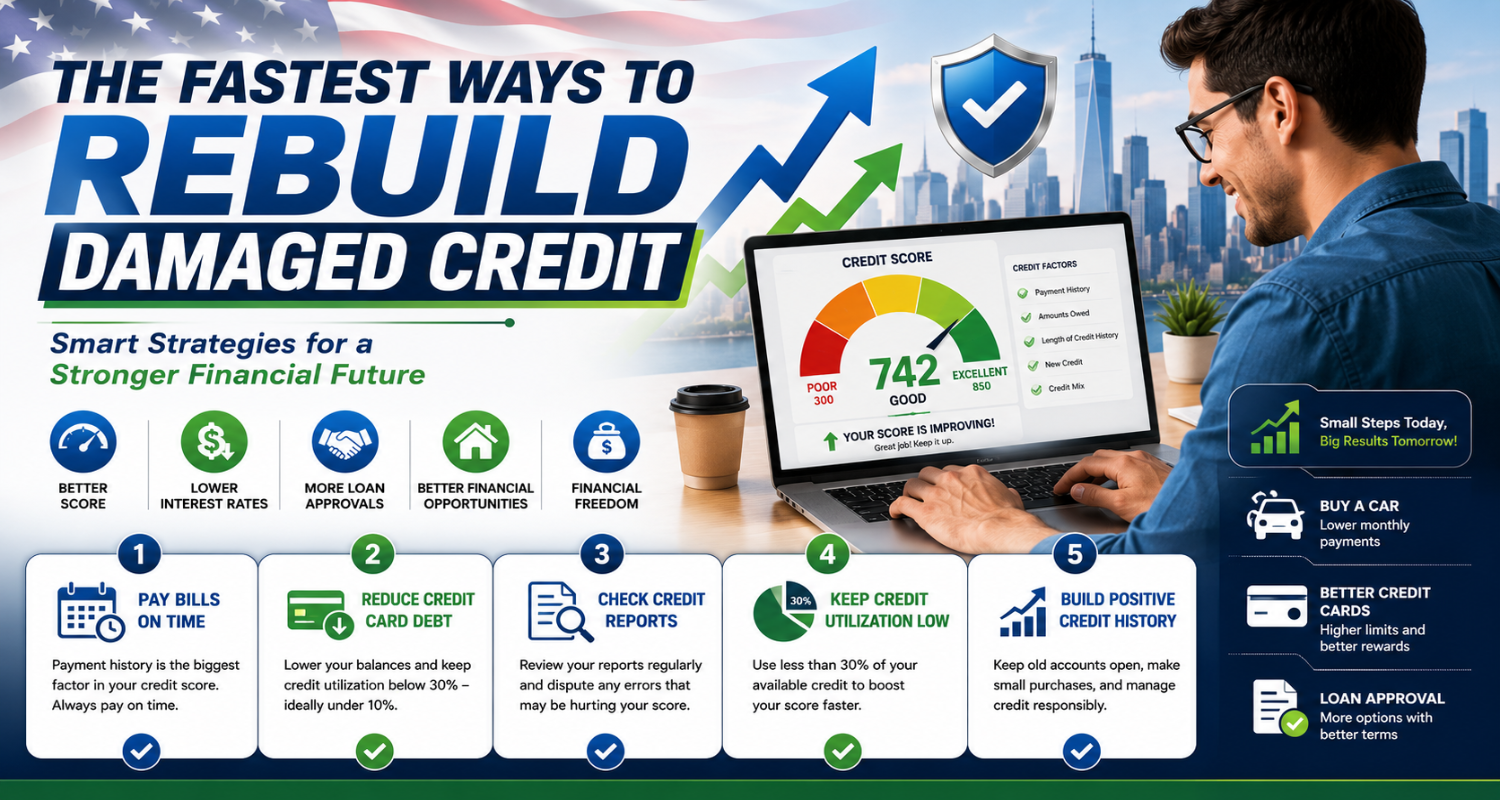
How Your Credit Score Affects Car Loan Rates
This guide explains how to finance a car the smart way, avoid common borrowing mistakes, and secure a loan that fits your budget.
Why Smart Car Financing Matters
A car loan affects more than your monthly payment.
It also influences:
- Total interest paid
- Monthly cash flow
- Credit score
- Long-term financial goals
- Ability to save and invest
Choosing the right financing can help you save money while reducing financial stress.
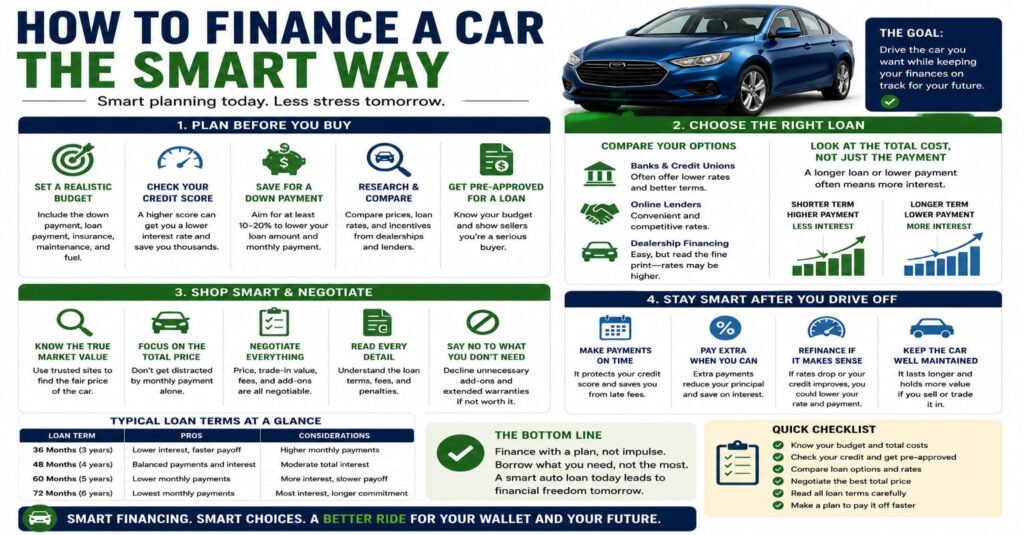
1. Determine How Much Car You Can Afford
Before shopping for vehicles, calculate what comfortably fits your budget.
Consider expenses beyond the loan payment, including:
- Auto insurance
- Fuel
- Routine maintenance
- Registration fees
- Taxes
- Parking costs
Financial experts often recommend keeping your total transportation expenses within a manageable percentage of your monthly income.
Buying less than your maximum approval amount can leave room in your budget for unexpected expenses.
2. Check Your Credit Score First
Your credit score is one of the biggest factors lenders use when setting your interest rate.
A higher credit score may help you qualify for:
- Lower interest rates
- Better loan terms
- Lower monthly payments
- More financing options
Review your credit reports before applying.
If necessary, spend a few months improving your credit before purchasing a vehicle.
3. Save for a Larger Down Payment
Making a larger down payment offers several benefits.
It can:
- Reduce the amount you borrow.
- Lower monthly payments.
- Decrease total interest costs.
- Improve your loan-to-value ratio.
Even a modest increase in your down payment can make financing more affordable.
4. Compare Multiple Lenders
Don’t assume the dealership offers the best financing.
Compare loan offers from:
- Banks
- Credit unions
- Online lenders
- Dealership financing
Review each offer carefully.
Pay attention to:
- Annual Percentage Rate (APR)
- Loan term
- Monthly payment
- Total repayment amount
- Fees
Shopping around can help you find more competitive financing.
5. Understand the Loan Term
Longer loan terms often produce lower monthly payments.
However, they may also increase the total amount of interest paid.
Common loan terms include:
- 36 months
- 48 months
- 60 months
- 72 months
Choose the shortest loan term you can comfortably afford.
Doing so may reduce the overall cost of borrowing.
6. Focus on the Total Loan Cost
Many buyers negotiate based only on the monthly payment.
Instead, review the complete financing agreement.
Ask yourself:
- How much interest will I pay?
- What’s the total repayment amount?
- Are there additional fees?
- Is there a prepayment penalty?
Understanding the total cost helps you make better financial decisions.
7. Avoid Borrowing More Than Necessary
Some lenders may approve you for more than you planned to spend.
Approval doesn’t necessarily mean the loan fits your budget.
Borrow only what you need.
Keeping your loan balance lower can reduce financial pressure in the future.
8. Read the Loan Agreement Carefully
Before signing any financing documents, review every detail.
Pay close attention to:
- Interest rate
- Loan term
- Monthly payment
- Fees
- Late payment penalties
- Prepayment rules
Ask questions if anything seems unclear.
Understanding your loan agreement helps prevent costly surprises later.
9. Avoid Unnecessary Add-Ons
When financing a vehicle, dealerships may offer optional products such as:
- Extended warranties
- Paint protection
- Tire protection plans
- GAP coverage
- Maintenance packages
Some add-ons may provide value depending on your circumstances.
Others simply increase your loan balance.
Evaluate each option carefully before agreeing to finance it.
10. Make Extra Payments When Possible
If your loan allows it without penalties, paying extra toward the principal can reduce both interest costs and the repayment period.
Consider using:
- Tax refunds
- Work bonuses
- Extra monthly income
- Unexpected financial windfalls
Even occasional additional payments can shorten your loan term.
Common Car Financing Mistakes
Avoid these common errors.
Shopping Based Only on Monthly Payments
Lower monthly payments sometimes come with longer loan terms and higher total interest costs.
Always review the full loan details.
Skipping Loan Comparisons
Different lenders often offer different rates.
Comparing several financing options may save you money.
Ignoring Your Credit Score
Improving your credit before applying may help you qualify for better financing.
Preparation pays off.
Financing Optional Extras
Adding non-essential products to your loan increases both your balance and the interest you’ll pay over time.
Purchase only what provides genuine value.
Smart Tips Before Applying for a Car Loan
Use these strategies to improve your financing experience.
- Create a realistic budget.
- Check your credit reports.
- Save for a larger down payment.
- Compare multiple lenders.
- Understand the APR.
- Read every loan document carefully.
- Keep your loan term as short as comfortably possible.
These steps can reduce borrowing costs and improve your overall financial health.
Benefits of Financing a Car Wisely
Making informed financing decisions offers several long-term advantages.
These include:
- Lower monthly payments.
- Reduced interest costs.
- Better cash flow.
- Improved financial flexibility.
- Stronger credit management.
- Greater peace of mind.
Smart financing allows you to enjoy your vehicle without placing unnecessary stress on your finances.
Frequently Asked Questions
What’s the smartest way to finance a car?
The smartest approach is to compare multiple lenders, improve your credit score, make a larger down payment, and choose a loan with affordable payments and a competitive interest rate.
Should I get financing before visiting a dealership?
Many buyers benefit from obtaining preapproval from a bank or credit union before shopping. This gives you a better understanding of your budget and strengthens your negotiating position.
How much should I put down on a car?
The ideal down payment depends on your financial situation. A larger down payment generally reduces the amount you need to borrow and lowers total interest costs.
Is a longer loan term always better?
Not necessarily. Longer terms reduce monthly payments but often increase the total interest paid over the life of the loan.
Can I pay off my car loan early?
Many lenders allow early repayment, but always review your loan agreement to determine whether any prepayment penalties apply.
Final Thoughts
Financing a car the smart way begins long before you visit a dealership. By checking your credit, creating a realistic budget, comparing lenders, and understanding the true cost of borrowing, you can make a decision that supports both your transportation needs and your long-term financial goals.
Remember that the lowest monthly payment isn’t always the best deal. Focus on the total loan cost, avoid financing unnecessary extras, and borrow only what you can comfortably afford. With careful planning and informed decisions, you can purchase your next vehicle with confidence while protecting your financial future.
Consumer Financial Protection Bureau – Auto Loans