
 MOHAMMAD ABUBAKR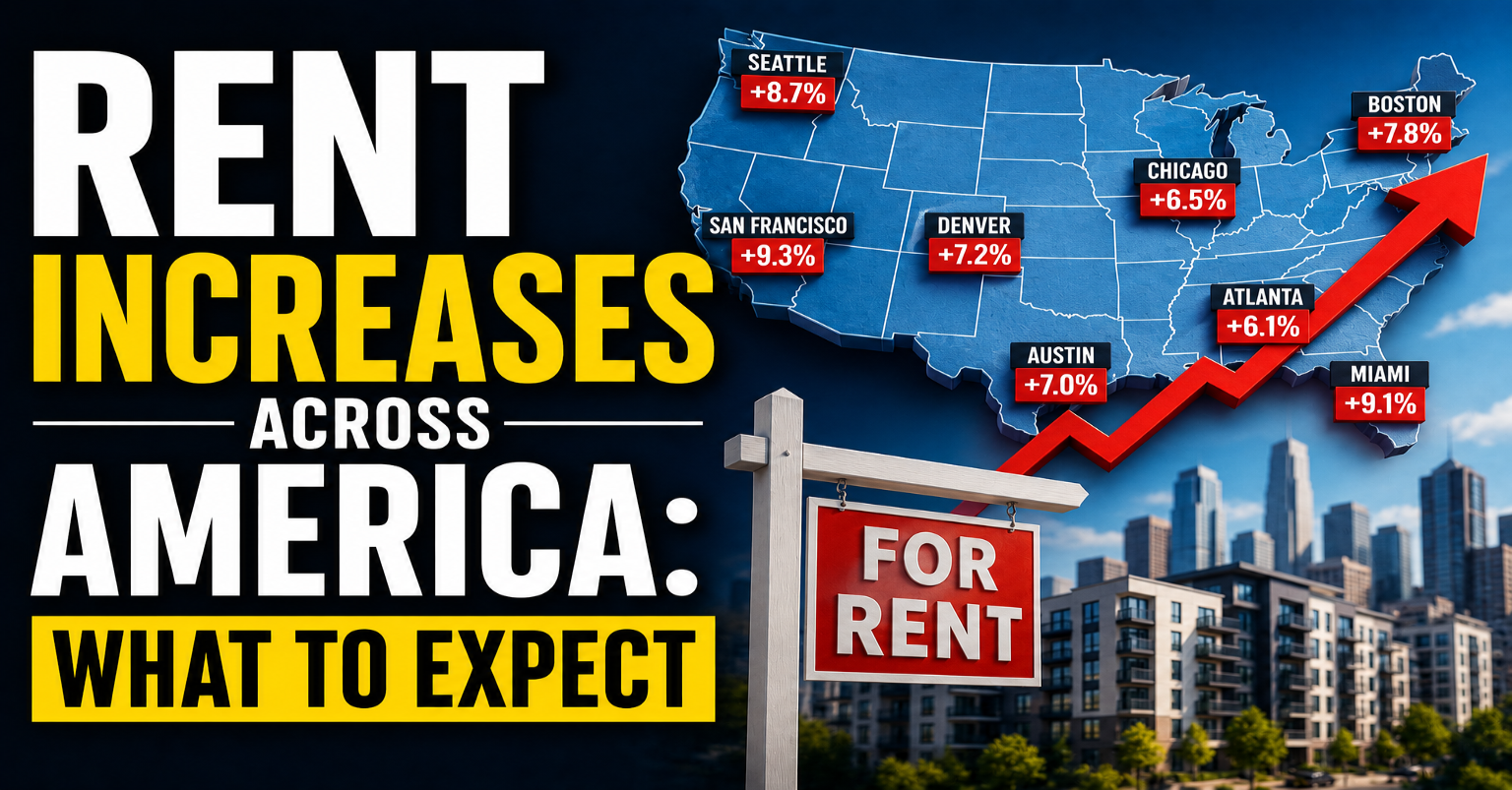
Rent has become one of the largest monthly expenses for millions of Americans. Whether you’re renting your first apartment or have been a tenant for years, rising housing costs can put pressure on your budget. While rental prices have stabilized in some cities, others continue to experience steady increases due to strong demand, limited housing supply, and changing economic conditions.
Understanding why rents rise—and how to prepare—can help you make smarter financial decisions. Although no one can predict exactly how rental prices will change in every city, several national trends are shaping the rental market in 2026.
The good news is that renters can take practical steps to manage higher housing costs without sacrificing their long-term financial goals.
Housing Market Trends Every Buyer Should Know
This guide explains what’s driving rent increases across America, what renters should expect, and how to protect their finances in a changing housing market.
Why Rent Prices Continue to Rise
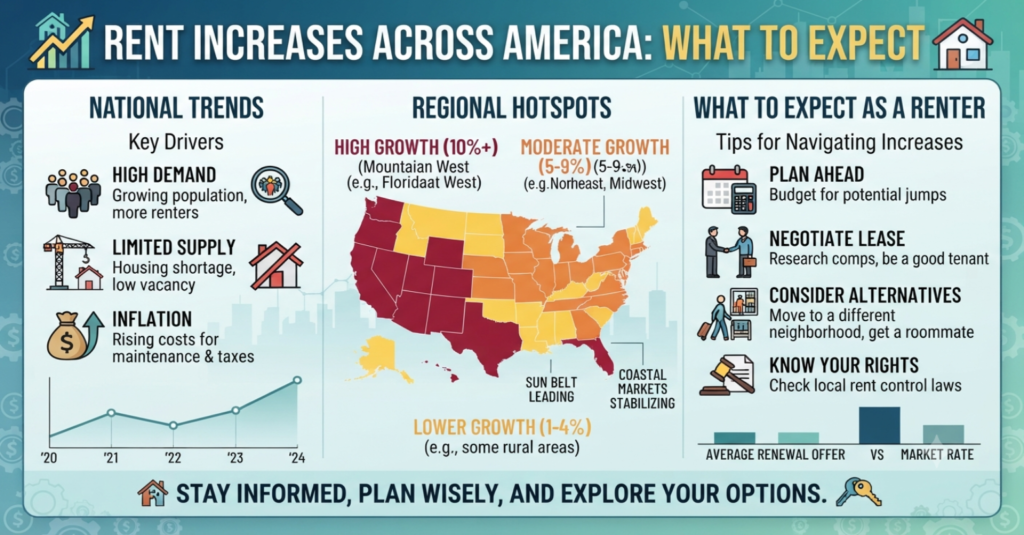
Rental prices are influenced by several economic and local factors.
Some of the biggest drivers include:
- Limited housing supply
- Population growth in certain regions
- Higher property maintenance costs
- Rising insurance premiums
- Increased property taxes
- Inflation
- Strong demand for rental housing
When demand exceeds available rental units, landlords often have greater flexibility to increase rents.
National Rental Market Trends in 2026
While every housing market is different, several nationwide trends are shaping rental prices.
Slower Growth Than Previous Years
After the rapid rent increases seen in earlier years, many markets are experiencing slower price growth.
In some cities, new apartment construction has helped improve supply.
However, affordability remains a challenge in many metropolitan areas.
Regional Differences Continue
Not every city follows the same trend.
Some regions continue experiencing above-average rent growth due to:
- Job creation
- Population migration
- Limited housing inventory
Other areas with increased apartment construction may see more stable rental prices.
Local market conditions remain the biggest influence on rent.
Higher Operating Costs
Property owners continue facing rising expenses.
These may include:
- Repairs and maintenance
- Insurance
- Property taxes
- Utility costs
- Labor expenses
Higher operating costs can contribute to rent increases when leases renew.
Factors That Could Affect Rent in 2026
Several economic conditions may influence rental prices.
Interest Rates
Higher mortgage rates can discourage some people from buying homes.
As a result, demand for rental housing may remain elevated.
More renters competing for available units can support higher rents.
Inflation
Inflation affects nearly every part of the housing industry.
Construction materials, maintenance, insurance, and wages have all become more expensive in recent years.
These higher costs may eventually influence rental pricing.
Housing Supply
The number of available rental units remains one of the biggest factors affecting rent.
Areas adding significant new housing may experience slower rent growth.
Communities with limited new construction may continue facing upward pressure on rental prices.
How Rising Rent Affects Household Budgets
Housing is often the largest monthly expense for families.
Higher rent may reduce the amount available for:
- Emergency savings
- Retirement contributions
- Paying down debt
- Investing
- Travel and entertainment
Creating a realistic monthly budget becomes even more important as housing costs increase.
Smart Ways to Prepare for Rent Increases
Review Your Budget Early
Don’t wait until your lease renewal arrives.
Review your monthly income and expenses now.
Identify areas where you can reduce unnecessary spending.
Small savings can help offset future rent increases.
Build an Emergency Fund
Unexpected rent increases can create financial stress.
An emergency fund covering several months of essential expenses provides greater flexibility.
Financial experts often recommend maintaining emergency savings before making higher-risk investments.
Renew Your Lease Early
Some landlords offer more favorable renewal terms before a lease expires.
Starting the conversation early may give you additional negotiating opportunities.
Policies vary by landlord and market.
Improve Your Credit Score
A stronger credit profile may provide more rental options if you decide to move.
Landlords often review credit history during the application process.
Good credit can improve your negotiating position.
Compare Local Rental Prices
Before renewing your lease, research comparable rental properties in your area.
Understanding local market conditions can help you evaluate whether your renewal offer is competitive.
Should You Rent or Buy?
Rising rents often lead people to consider homeownership.
The right decision depends on several personal factors.
Buying may make sense if you:
- Plan to stay in one area for several years.
- Have stable income.
- Can comfortably afford homeownership costs.
- Have savings for a down payment and emergencies.
Renting may remain the better choice if you:
- Need flexibility.
- Expect to relocate.
- Prefer fewer maintenance responsibilities.
- Want lower upfront housing costs.
There is no universal answer.
Choose the option that best supports your financial goals.
Common Mistakes Renters Should Avoid
Ignoring Lease Renewal Dates
Waiting until the last minute limits your options.
Review your lease well before it expires.
Spending Too Much on Housing
Financial planners often suggest keeping housing costs within a manageable percentage of your income whenever possible.
This leaves room for saving and investing.
Forgetting Moving Costs
Relocating involves more than rent.
Additional expenses may include:
- Security deposits
- Moving services
- Utility setup fees
- Application fees
Compare total costs before deciding to move.
Skipping Renters Insurance
Renters insurance may help protect your belongings from covered events such as theft or certain types of damage.
Review policy options carefully to understand coverage limits.
Tips for Managing Higher Housing Costs
Strengthen your financial position with these habits.
- Track monthly spending.
- Build emergency savings.
- Increase income when possible.
- Improve your credit score.
- Compare rental options before renewing.
- Avoid unnecessary debt.
- Continue saving for long-term financial goals.
Small financial improvements can make rising housing costs easier to manage.
Frequently Asked Questions
Why are rents increasing?
Rent increases are influenced by housing supply, demand, inflation, property taxes, insurance costs, maintenance expenses, and local economic conditions.
Will rent continue rising in 2026?
Rental trends vary by city. Some areas may experience moderate increases, while others could remain relatively stable depending on local housing supply and demand.
Can I negotiate my rent?
Some landlords may be open to negotiation, particularly if you have a strong payment history or local rental competition has increased. Results vary by market and property.
Is buying a home cheaper than renting?
It depends on home prices, mortgage rates, property taxes, insurance, maintenance costs, and how long you plan to stay in the home.
How can I prepare for higher rent?
Creating a budget, building an emergency fund, improving your credit, and researching local rental markets can help you prepare for future rent increases.
Final Thoughts
Rent increases remain an important financial concern for millions of Americans, but understanding the factors behind rising housing costs can help you prepare instead of reacting. While rental markets vary across the country, inflation, housing supply, interest rates, and local demand are likely to continue shaping rent prices throughout 2026.
The best way to stay ahead is to focus on the aspects you can control. Maintain a realistic budget, strengthen your emergency savings, monitor your local rental market, and review your housing options before your lease renews. By planning ahead and making informed financial decisions, you can better manage rising rent while continuing to work toward your long-term financial goals.