 MOHAMMAD ABUBAKR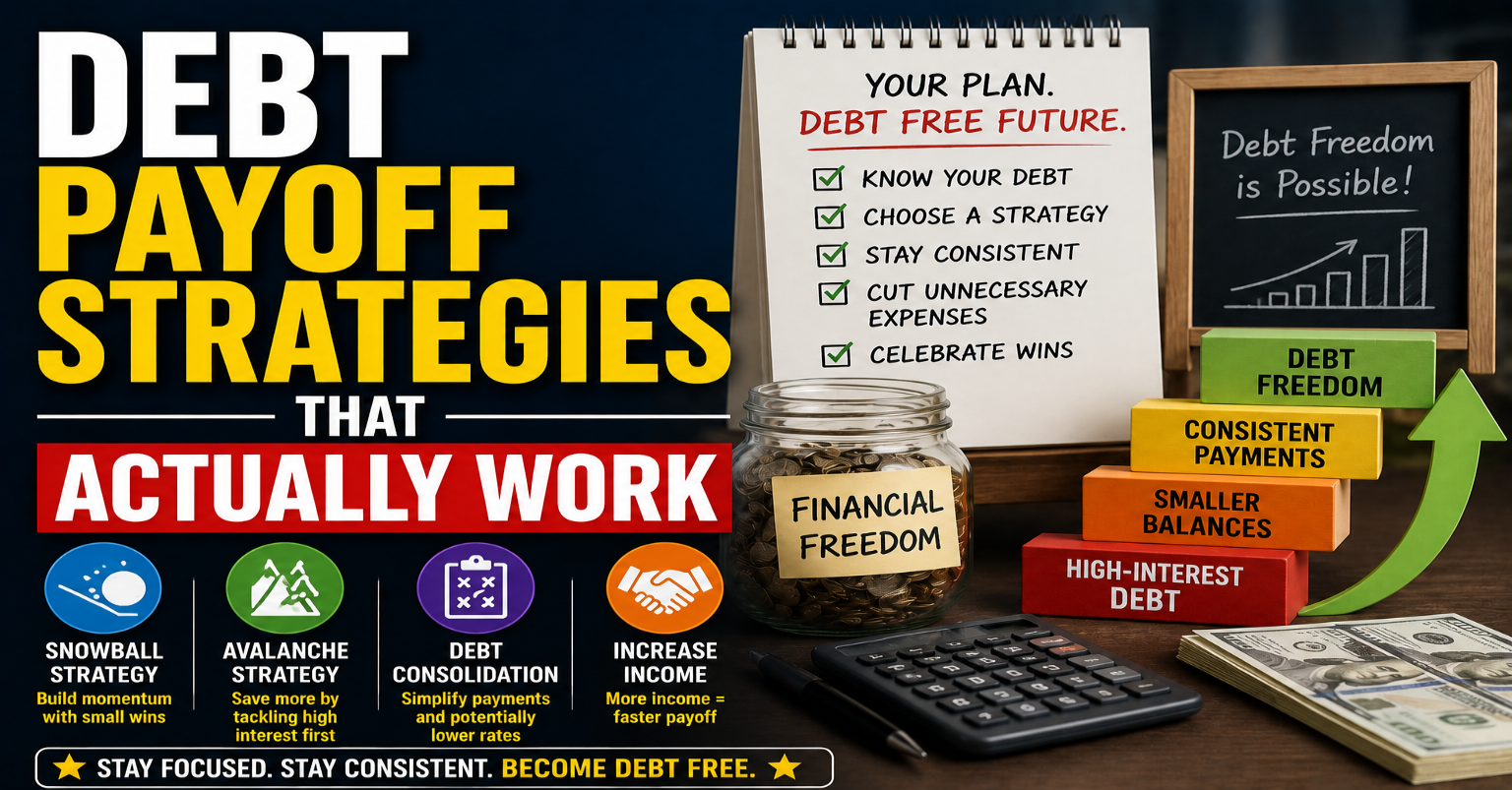
Debt can feel overwhelming, especially when monthly payments seem to go nowhere. Many Americans carry credit card balances, student loans, auto loans, or personal loans that make it harder to save for the future. Fortunately, becoming debt-free is possible with the right strategy and consistent effort.
There isn’t a single method that works for everyone. Instead, the best debt payoff plan depends on your income, spending habits, and financial goals. Moreover, staying committed to a realistic plan often matters more than finding the “perfect” strategy.
If you’re ready to take control of your finances, these proven debt payoff strategies can help you reduce what you owe and move toward
Balance Transfer Cards: Are They Worth It?
Why Paying Off Debt Should Be a Priority
Debt affects more than your bank account. It can also limit your ability to build wealth.
For example, large monthly payments may leave less money for:
- Emergency savings
- Retirement investing
- Homeownership
- Family expenses
- Travel
- Other financial goals
Furthermore, high-interest debt becomes more expensive the longer you carry it. Therefore, paying it off sooner can save hundreds or even thousands of dollars in interest.
1. Choose the Right Debt Payoff Method
The first step is selecting a strategy that matches your personality and financial situation.
Two of the most popular approaches are the Debt Snowball and the Debt Avalanche methods.
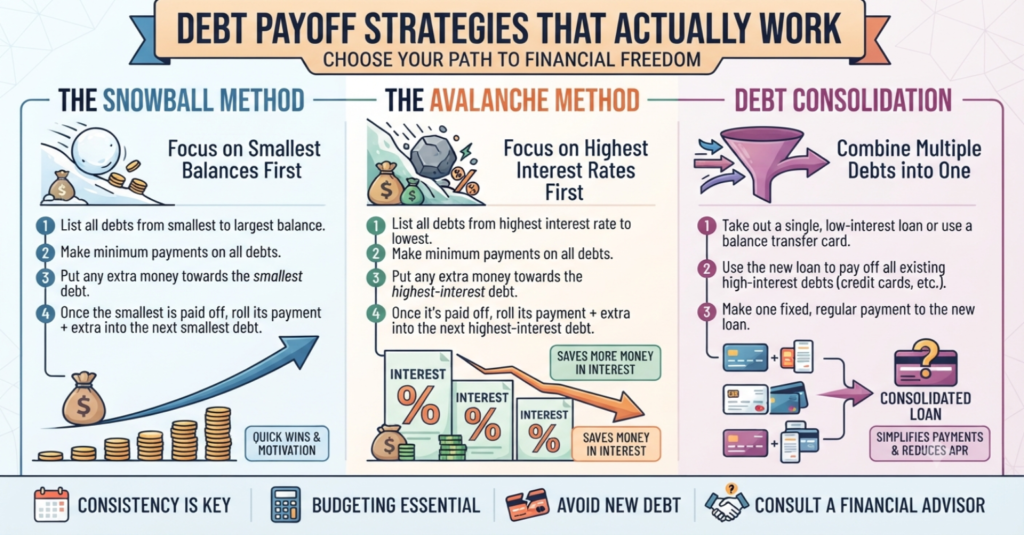
Debt Snowball Method
With this strategy, list your debts from the smallest balance to the largest.
Continue making minimum payments on every account. Meanwhile, put every extra dollar toward the smallest balance.
Once that debt is eliminated, move to the next one.
As a result, you’ll experience quick wins that can keep you motivated.
Debt Avalanche Method
Instead of focusing on balances, this method targets the highest interest rate first.
Continue paying the minimum on all debts. Then, direct every additional payment toward the debt with the highest APR.
Although progress may seem slower at first, you’ll typically save more money on interest over time.
2. Create a Monthly Budget
A debt payoff plan won’t succeed without a budget.
First, calculate your monthly income.
Next, list all essential expenses, including:
- Housing
- Utilities
- Transportation
- Groceries
- Insurance
- Minimum debt payments
After that, identify nonessential spending that can be reduced.
Even small adjustments can free up extra money for debt repayment.
3. Pay More Than the Minimum
Making only the minimum payment often keeps you in debt for years.
Whenever possible, increase your monthly payment.
For instance, paying an extra $50 each month may shorten your repayment timeline while reducing total interest costs.
Consistency is more important than making occasional large payments.
4. Cut Unnecessary Expenses
Reducing spending doesn’t have to mean giving up everything you enjoy.
Instead, focus on expenses that provide little long-term value.
Consider reducing:
- Unused subscriptions
- Frequent takeout meals
- Impulse purchases
- Premium memberships
- Entertainment spending
Then, apply those savings directly to your debt.
5. Increase Your Income
Although budgeting helps, earning more money can accelerate your progress.
You might consider:
- Freelance work
- Part-time jobs
- Selling unused items
- Online tutoring
- Pet sitting
- Weekend gigs
- Seasonal employment
Rather than increasing your lifestyle, use the extra income to pay down debt faster.
6. Build a Small Emergency Fund
Unexpected expenses often cause people to rely on credit cards again.
Therefore, set aside a small emergency fund before aggressively paying off debt.
Even saving $500 to $1,000 can help cover unexpected repairs or medical bills without creating additional debt.
7. Consider Debt Consolidation
If you have several high-interest debts, consolidation may simplify repayment.
Possible options include:
- Personal loans
- Balance transfer credit cards
- Home equity loans (when appropriate)
However, compare interest rates, fees, and repayment terms before making a decision.
The goal is to reduce borrowing costs—not simply extend repayment.
8. Automate Your Payments
Life gets busy.
Because of that, automatic payments can help you avoid missed due dates.
In addition, paying on time protects your credit history and may reduce costly late fees.
Automation also helps you stay consistent with your repayment plan.
9. Use Windfalls Wisely
Extra money can significantly speed up your debt payoff journey.
Whenever possible, use part of your:
- Tax refund
- Work bonus
- Cash gifts
- Side hustle income
- Profit-sharing payments
Although spending the money may feel tempting, reducing debt often provides greater long-term financial benefits.
10. Stop Adding New Debt
Paying off debt while continuing to borrow creates an endless cycle.
Therefore, avoid unnecessary purchases during your repayment period.
If possible, use cash or a debit card for everyday expenses.
Likewise, wait until your financial situation improves before financing major purchases.
Common Debt Payoff Mistakes
Avoid these common errors as you work toward becoming debt-free.
Ignoring High-Interest Accounts
Credit cards often carry the highest interest rates.
Paying these balances down first may reduce your overall borrowing costs.
Missing Monthly Payments
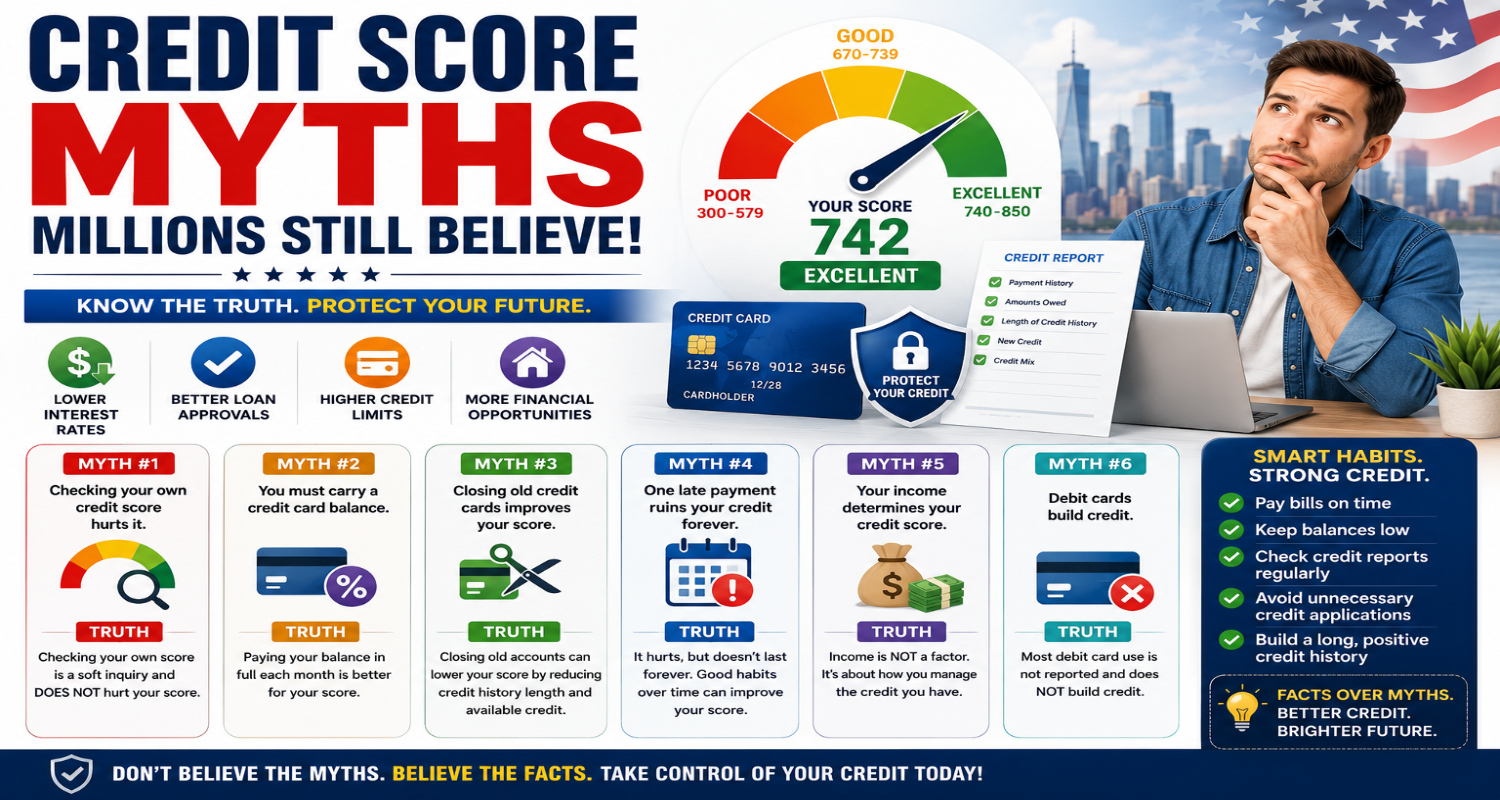
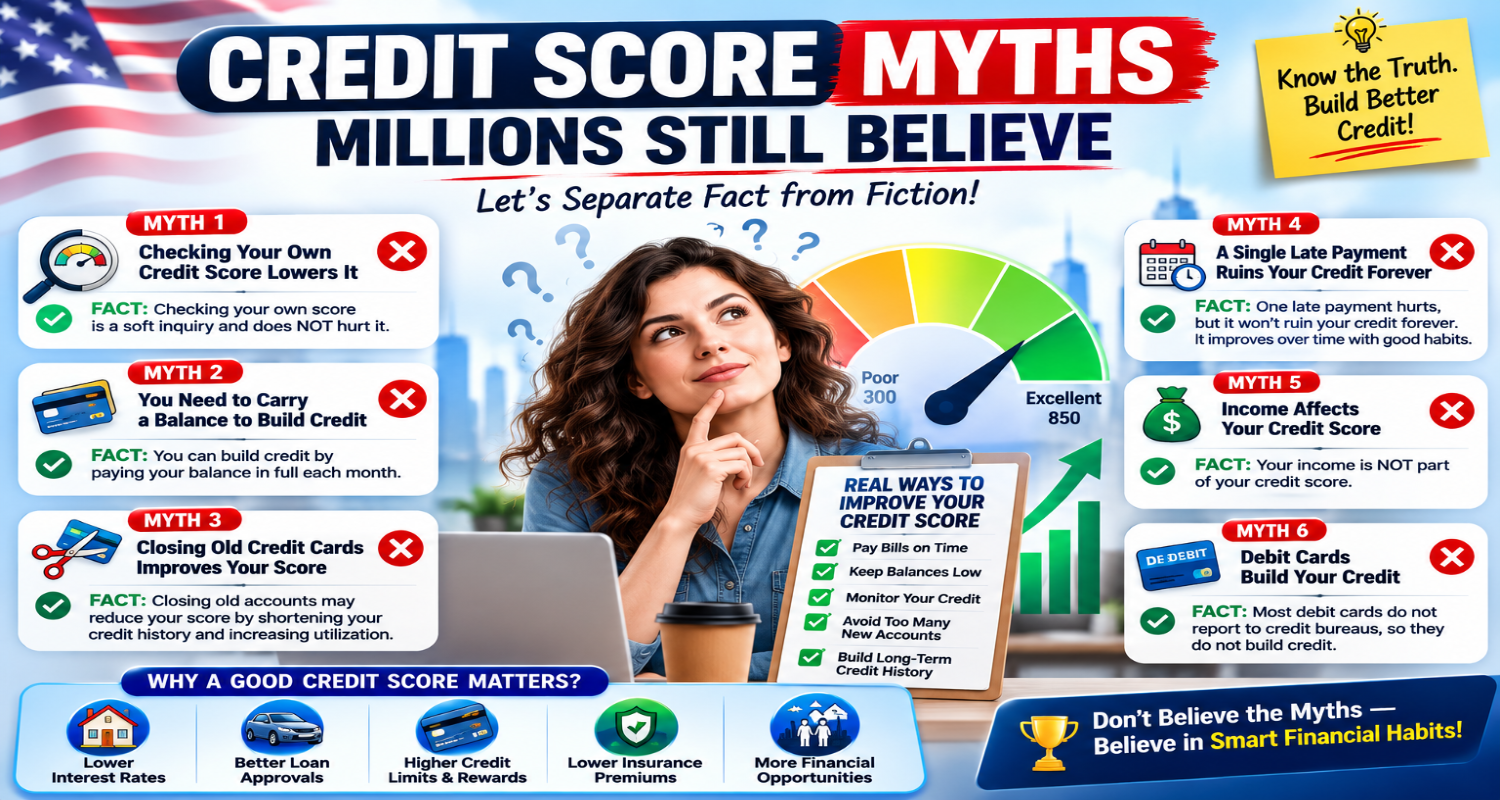
Late payments can result in fees and negatively affect your credit.
Setting reminders or automatic payments can help.
Closing Credit Cards Too Soon
Closing old accounts may affect your available credit.
Instead, evaluate each account carefully before deciding whether to keep it open.
Losing Motivation
Debt repayment is a long-term process.
Celebrate small milestones to stay encouraged.
Progress, even if gradual, is still progress.
Habits That Help You Stay Debt-Free
Once your balances are paid off, maintaining healthy financial habits becomes essential.
Consider these practices:
- Follow a monthly budget.
- Save for emergencies.
- Pay bills on time.
- Limit unnecessary borrowing.
- Review your finances regularly.
- Increase savings after raises.
- Invest for long-term goals.
These habits reduce the likelihood of falling back into debt.
Frequently Asked Questions
Which debt payoff strategy works best?
The best strategy depends on your financial goals. The Debt Snowball method builds motivation through quick wins, while the Debt Avalanche method usually saves more money on interest.
Should I save money while paying off debt?
Yes. Building a small emergency fund before aggressively paying off debt can help prevent additional borrowing when unexpected expenses occur.
Is debt consolidation a good idea?
Debt consolidation may reduce interest costs and simplify payments for some borrowers. However, compare fees and loan terms carefully before making a decision.
How can I pay off debt faster?
Create a budget, pay more than the minimum, reduce unnecessary spending, increase your income, and avoid taking on new debt.
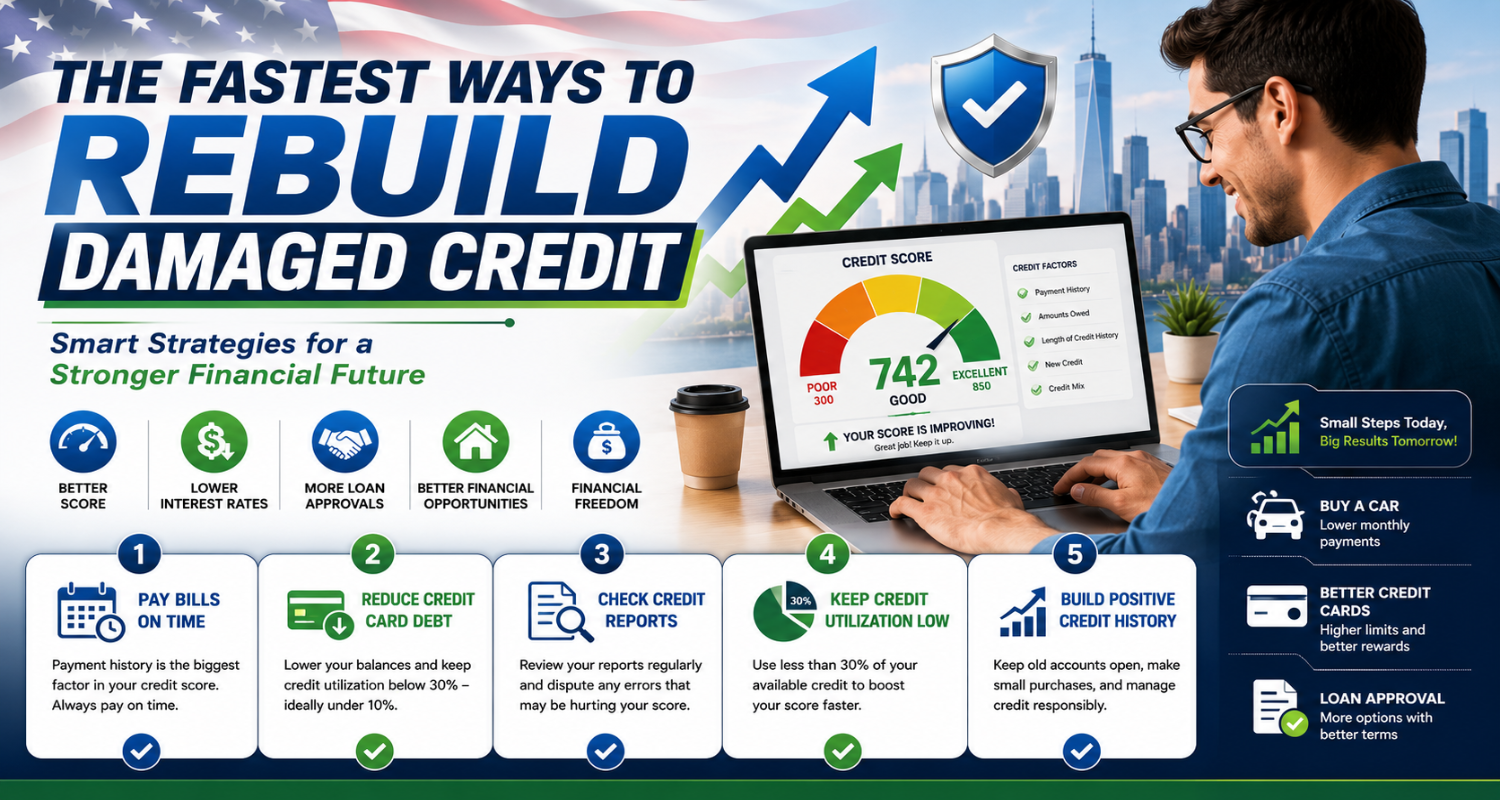
Can paying off debt improve my credit score?
Responsible repayment and lower outstanding balances may improve your credit profile over time, although results vary by individual credit history.
Final Thoughts
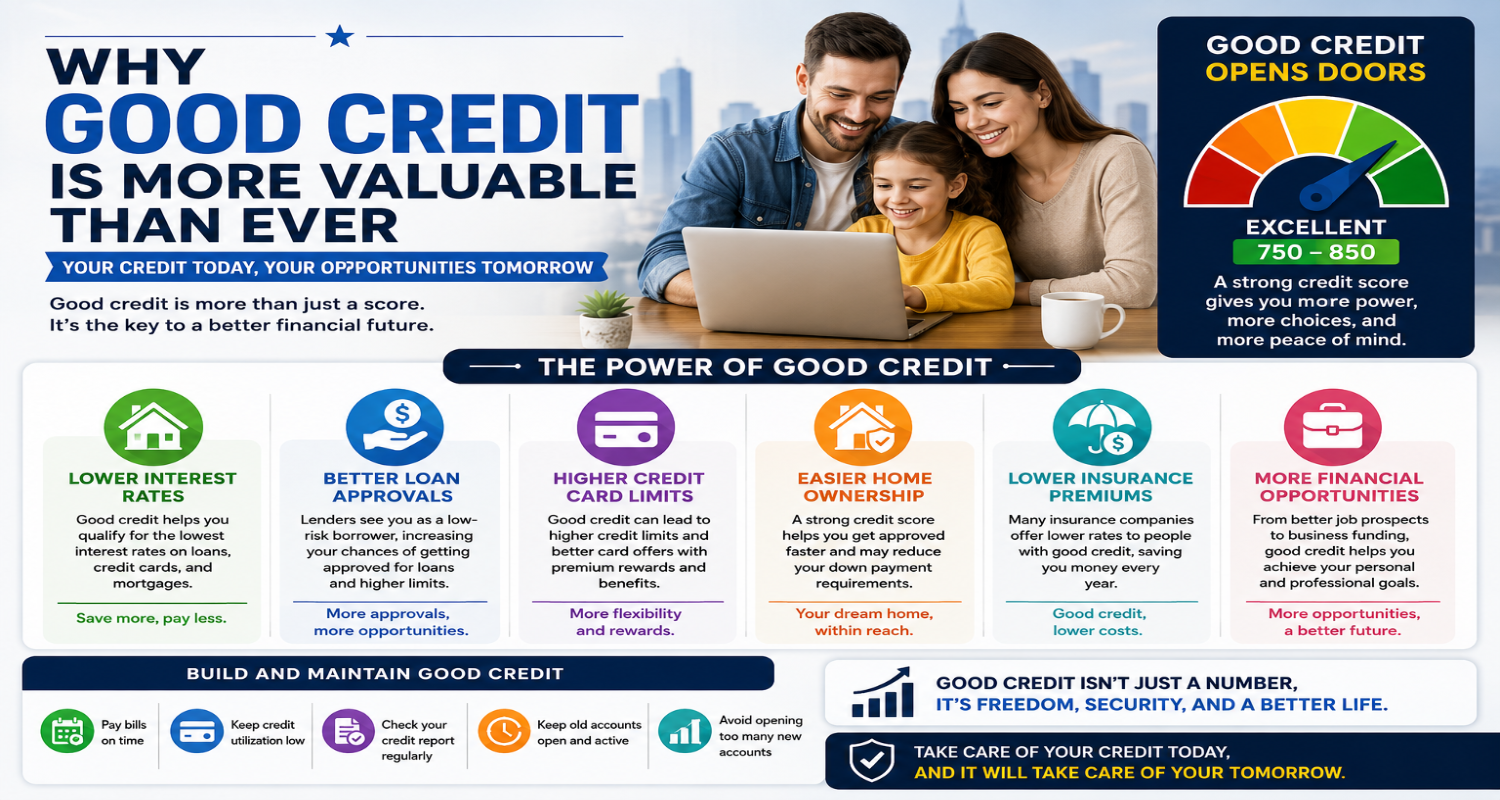
Paying off debt requires patience, discipline, and a realistic plan. Fortunately, you don’t have to make drastic changes overnight. Instead, focus on consistent progress by choosing a repayment strategy that fits your financial situation. Moreover, combine that strategy with a budget, controlled spending, and regular payments to achieve better long-term results.
Remember that every payment moves you closer to financial freedom. Although the journey may take time, staying committed to your plan can reduce financial stress, improve your credit, and create more opportunities to save, invest, and build lasting wealth.
Consumer Financial Protection Bureau – Managing Debt