
 MOHAMMAD ABUBAKR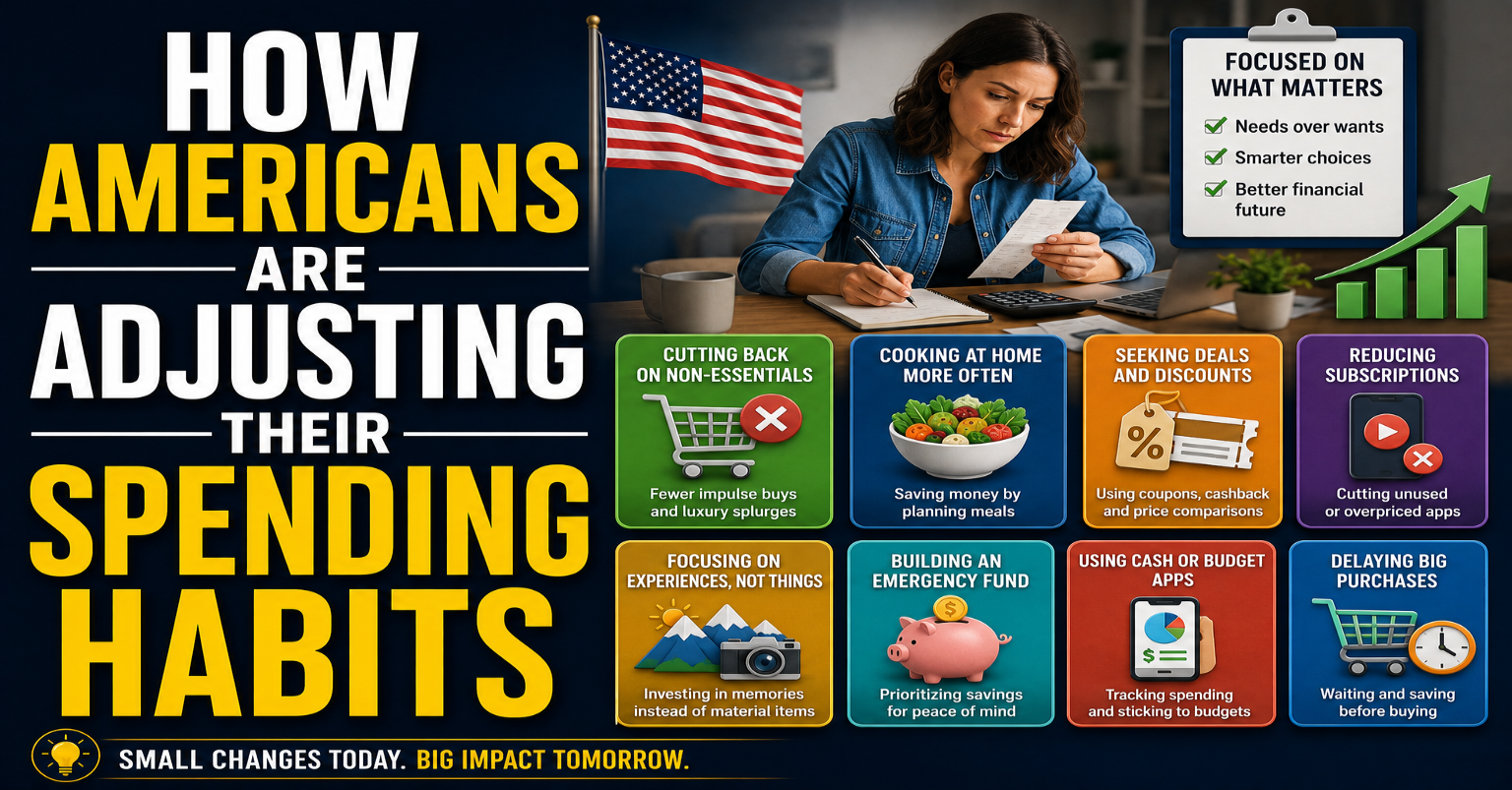
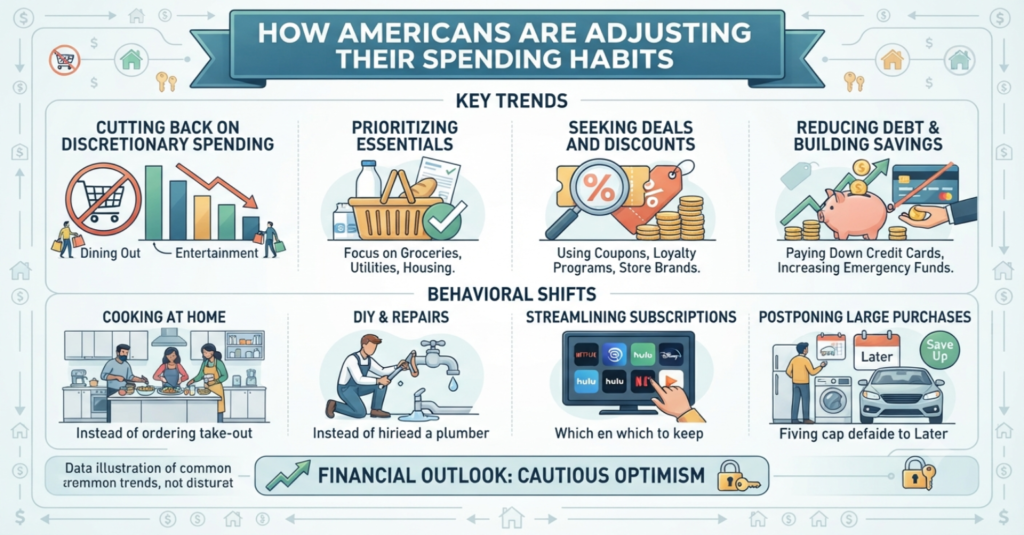
Household budgets have changed dramatically over the past few years. Rising prices, higher interest rates, and economic uncertainty have encouraged many Americans to rethink the way they spend money. Instead of making impulse purchases, more families are focusing on value, savings, and long-term financial stability.
Although every household has different financial priorities, several spending trends have emerged across the country. Consumers are becoming more intentional with their money, while many are looking for ways to stretch every dollar. At the same time, technology and budgeting tools are making it easier to track expenses and identify unnecessary spending.
The good news is that many of these new habits can improve financial health even after economic conditions stabilize.
Simple Budgeting Tips That Actually Work
This guide explores how Americans are adjusting their spending habits in 2026 and what you can learn from these smart financial changes.
Why Spending Habits Are Changing
Several factors are influencing consumer behavior.
For example, many households are responding to:
- Higher grocery prices
- Rising housing costs
- Increased insurance premiums
- Higher borrowing costs
- Inflation
- Economic uncertainty
As a result, many families are reviewing their budgets more often than they did a few years ago.
Instead of spending automatically, consumers are becoming more deliberate with every purchase.
1. Creating Detailed Monthly Budgets
More Americans are using budgets to understand where their money goes.
Rather than guessing monthly expenses, they’re tracking:
- Housing
- Utilities
- Food
- Transportation
- Healthcare
- Entertainment
- Debt payments
Consequently, budgeting helps identify unnecessary expenses before they become financial problems.
Many people also use budgeting apps to monitor spending in real time.
2. Reducing Impulse Purchases
Impulse buying has become less common for many households.
Instead of purchasing immediately, shoppers often wait a day or two before deciding.
This simple habit helps separate wants from needs.
As a result, families often save hundreds of dollars each year.
3. Comparing Prices Before Buying
Consumers are shopping more carefully than ever.
Rather than buying from the first retailer they visit, many compare prices online and in local stores.
In addition, they look for:
- Coupons
- Cashback offers
- Seasonal discounts
- Loyalty rewards
- Price matching
These strategies help reduce everyday expenses without sacrificing quality.
4. Eating at Home More Often
Dining out remains enjoyable, but many families are cooking at home more frequently.
Preparing meals at home usually costs less than eating at restaurants several times a week.
Furthermore, meal planning helps reduce food waste and grocery spending.
Even preparing lunch at home a few days each week can produce noticeable savings.
5. Cutting Subscription Costs
Monthly subscriptions can quietly consume a large portion of a household budget.
Therefore, many Americans are reviewing recurring charges.
Common examples include:
- Streaming services
- Fitness memberships
- Music subscriptions
- Gaming services
- Premium apps
Canceling unused subscriptions frees up money for savings and debt repayment.
6. Building Emergency Savings
Many households now recognize the importance of financial preparedness.
Instead of relying on credit cards during emergencies, they’re setting aside money each month.
Even small contributions can grow into a valuable financial safety net.
Consequently, emergency savings reduce financial stress during unexpected situations.
7. Paying Down High-Interest Debt
Higher interest rates have encouraged many consumers to reduce debt faster.
Rather than carrying large credit card balances, they’re making extra payments whenever possible.
Lower debt often means:
- Less interest paid
- Better cash flow
- Improved credit health
- Greater financial flexibility
Over time, these benefits can strengthen overall financial stability.
8. Shopping With a List
Many shoppers now create detailed lists before visiting stores.
As a result, they’re less likely to buy unnecessary items.
This habit also makes grocery shopping faster and more efficient.
In addition, sticking to a list helps households stay within budget.
9. Delaying Major Purchases
Instead of making large purchases immediately, many Americans are taking more time to evaluate their options.
Before buying expensive items, they often compare:
- Prices
- Financing costs
- Product reviews
- Long-term value
- Warranty coverage
This thoughtful approach reduces buyer’s remorse and improves financial decision-making.
10. Investing More for the Future
Despite higher living costs, many households continue investing for long-term goals.
Rather than trying to time the market, they’re contributing consistently to retirement accounts and diversified investment portfolios.
Regular investing allows compound growth to work over time.
Even modest monthly contributions can make a meaningful difference in the future.
Common Spending Mistakes to Avoid
Changing spending habits becomes easier when you avoid common financial mistakes.
Ignoring Small Purchases
Small daily expenses can add up quickly.
Tracking every purchase provides a clearer picture of your spending habits.
Shopping Without a Plan
Buying items without a budget often leads to overspending.
Preparing before shopping helps control unnecessary expenses.
Depending Too Much on Credit Cards
Credit cards can be convenient.
However, carrying high-interest balances makes purchases more expensive over time.
Whenever possible, pay balances in full.
Forgetting Financial Goals
Daily expenses matter.
Nevertheless, long-term goals should remain a priority.
Continue saving for retirement, emergencies, and future investments whenever possible.
Habits That Build Long-Term Financial Success
Many financially successful households share similar habits.
Consider adopting these practices:
- Review your budget monthly.
- Save before spending.
- Compare prices regularly.
- Limit impulse purchases.
- Build an emergency fund.
- Reduce high-interest debt.
- Invest consistently.
- Reevaluate financial goals each year.
Although these habits seem simple, they can produce significant results over time.
Frequently Asked Questions
Why are Americans changing their spending habits?
Many households are responding to inflation, higher interest rates, increased living expenses, and economic uncertainty by becoming more intentional with their spending.
What is the biggest spending change in 2026?
Many consumers are focusing more on budgeting, reducing unnecessary purchases, and increasing emergency savings.
How can I improve my spending habits?
Create a budget, track expenses, compare prices, avoid impulse buying, and save consistently for future goals.
Should I reduce spending or increase income?
Both approaches can improve your financial situation. Reducing unnecessary expenses while increasing income often provides the greatest long-term benefit.
Why is budgeting so important?
A budget helps you understand where your money goes, identify wasteful spending, and make informed financial decisions.
Final Thoughts
Americans are becoming more thoughtful about how they manage their money. Instead of spending without a plan, many households are budgeting carefully, reducing unnecessary expenses, building emergency savings, and investing for the future. These adjustments aren’t just responses to today’s economy—they’re habits that can strengthen financial health for years to come.
The most effective spending strategy isn’t about cutting every enjoyable expense. Rather, it’s about making intentional choices that align with your financial goals. By reviewing your budget regularly, avoiding impulse purchases, and focusing on long-term priorities, you can improve your financial stability regardless of economic conditions.
Consumer Financial Protection Bureau – Managing Your Money