 MOHAMMAD ABUBAKR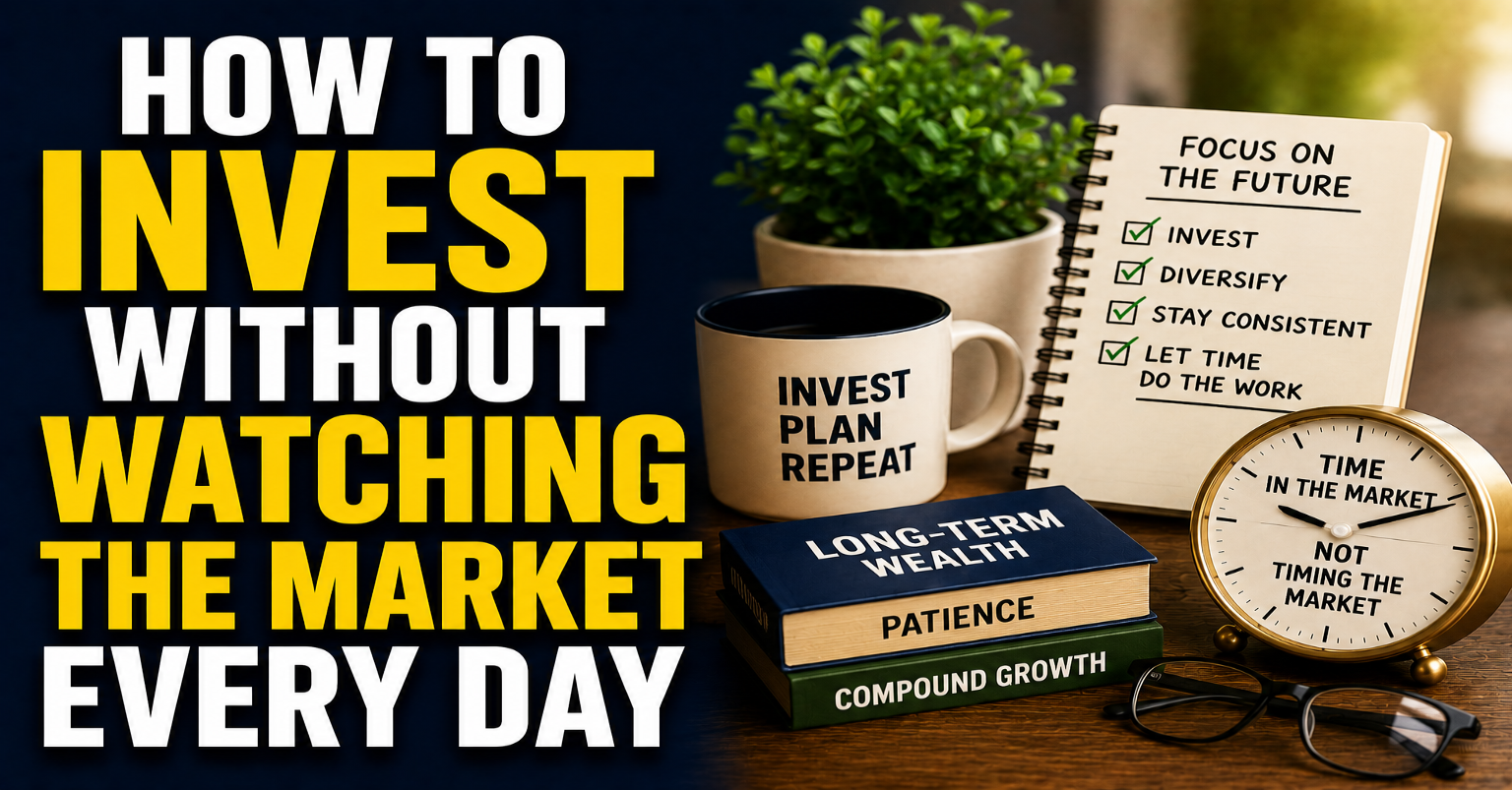
Many people believe successful investing requires checking stock prices every hour. However, that’s rarely true. In fact, constantly monitoring the market can lead to unnecessary stress and emotional decisions that may hurt long-term returns.
Fortunately, building wealth doesn’t require spending your day following financial news or reacting to every market movement. Instead, many experienced investors focus on long-term strategies that allow their portfolios to grow while they concentrate on work, family, and other priorities.
Moreover, financial markets naturally rise and fall over time. Consequently, reacting to every headline often creates more problems than opportunities. A disciplined investment plan can help you stay focused on your goals without feeling the need to watch the market every day.
Whether you’re new to investing or simply looking for a less stressful approach, adopting a long-term mindset can make investing easier and more sustainable.
How to Create a Simple Investment Plan
Let’s explore practical ways to invest confidently without constantly checking your portfolio.
1. Build a Long-Term Investment Plan
The best way to reduce daily market stress is to create a clear investment plan.
Instead of making decisions based on headlines, define your financial goals before investing.
Consider questions such as:
- What are you investing for?
- How long will you invest?
- How much risk are you comfortable taking?
- How much can you invest each month?
Furthermore, writing down your plan helps you stay disciplined during periods of market volatility.
As a result, you’ll be less likely to make emotional investment decisions.
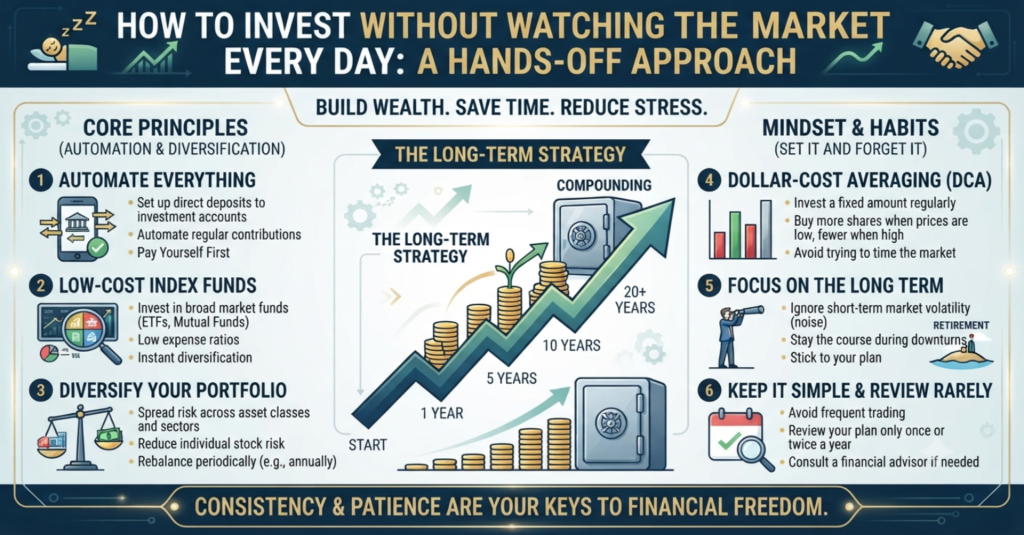
2. Invest Automatically
Automation removes much of the guesswork from investing.
Rather than deciding every month whether to invest, schedule automatic contributions.
You can automatically invest in:
- Retirement accounts
- Brokerage accounts
- Exchange-Traded Funds (ETFs)
- Index funds
Consequently, your portfolio continues growing even when you’re busy with other responsibilities.
Moreover, automation helps eliminate the temptation to delay investing because of short-term market news.
3. Use Dollar-Cost Averaging
Trying to invest at the perfect moment is extremely difficult.
Instead, many long-term investors use dollar-cost averaging.
This strategy involves investing the same amount of money on a regular schedule.
For example:
- Every paycheck
- Once a month
- Every quarter
As a result, you buy more shares when prices are lower and fewer shares when prices are higher.
Furthermore, this approach reduces the pressure to predict short-term market movements.
4. Choose Diversified Investments
Diversification allows your portfolio to rely on many investments instead of just one.
Rather than concentrating all your money in a few stocks, spread your investments across different asset classes.
Many investors choose diversified options such as:
- Broad-market index funds
- Exchange-Traded Funds (ETFs)
- Bond funds
- Dividend-focused funds
Consequently, your portfolio becomes less dependent on the performance of a single company or industry.
Although diversification cannot eliminate risk, it may reduce large swings in your portfolio.
5. Ignore Daily Market Headlines
Financial news changes every day.
Some headlines predict major gains.
Others warn about market crashes.
However, reacting to every story can lead to unnecessary buying and selling.
Instead, focus on your long-term investment strategy.
Moreover, remember that market volatility has always been part of investing.
Successful investors often remain disciplined despite short-term uncertainty.
6. Rebalance Your Portfolio Periodically
Checking your portfolio every hour isn’t necessary.
Nevertheless, reviewing it occasionally is important.
Many investors rebalance their portfolios once or twice each year.
Rebalancing may involve:
- Selling overweight investments.
- Buying underweight investments.
- Restoring your target asset allocation.
Consequently, your portfolio remains aligned with your financial goals without requiring constant attention.
7. Keep Investment Costs Low
Investment fees can quietly reduce long-term returns.
Therefore, compare costs before selecting investment products.
Pay attention to:
- Expense ratios
- Advisory fees
- Trading commissions
- Account maintenance fees
Although individual fees may appear small, they can have a significant impact over many years.
Keeping costs low allows more of your money to remain invested.
8. Maintain an Emergency Fund
Unexpected expenses can force investors to sell investments at the wrong time.
Therefore, maintaining emergency savings is an important part of any investment strategy.
An emergency fund may help cover:
- Medical bills
- Car repairs
- Home maintenance
- Temporary job loss
As a result, your long-term investments can remain untouched during financial emergencies.
9. Review Your Portfolio on a Schedule
Looking at your investments every day usually isn’t necessary.
Instead, choose a regular review schedule that works for you.
Many long-term investors review their portfolios:
- Quarterly
- Twice a year
- Once a year
During each review, check:
- Your asset allocation
- Investment performance
- Progress toward your goals
- Portfolio diversification
- Contribution amounts
Furthermore, limiting reviews can reduce emotional reactions to short-term market swings.
As a result, you’re more likely to stay committed to your long-term investment plan.
10. Increase Your Investments Gradually
Growing your portfolio isn’t only about earning higher returns.
It’s also about investing more as your financial situation improves.
Whenever you receive:
- A salary increase
- A bonus
- A tax refund
- Extra income from a side business
Consider directing a portion of that money toward your investments.
Consequently, your portfolio can grow faster without requiring major lifestyle changes.
11. Focus on What You Can Control
Many aspects of investing are beyond your control.
For example, you can’t control:
- Market performance
- Interest rate changes
- Economic news
- Short-term volatility
However, you can control:
- How much you invest
- How often you invest
- Your investment costs
- Your diversification
- Your long-term discipline
Moreover, focusing on these controllable factors often leads to better financial decisions.
12. Stay Patient
Patience remains one of the most valuable investing skills.
Markets naturally experience periods of growth and decline.
Nevertheless, history shows that many long-term investors benefit from remaining invested rather than reacting to every market movement.
Instead of worrying about daily price changes, measure your progress over years rather than days.
Consequently, investing becomes less stressful and more consistent.
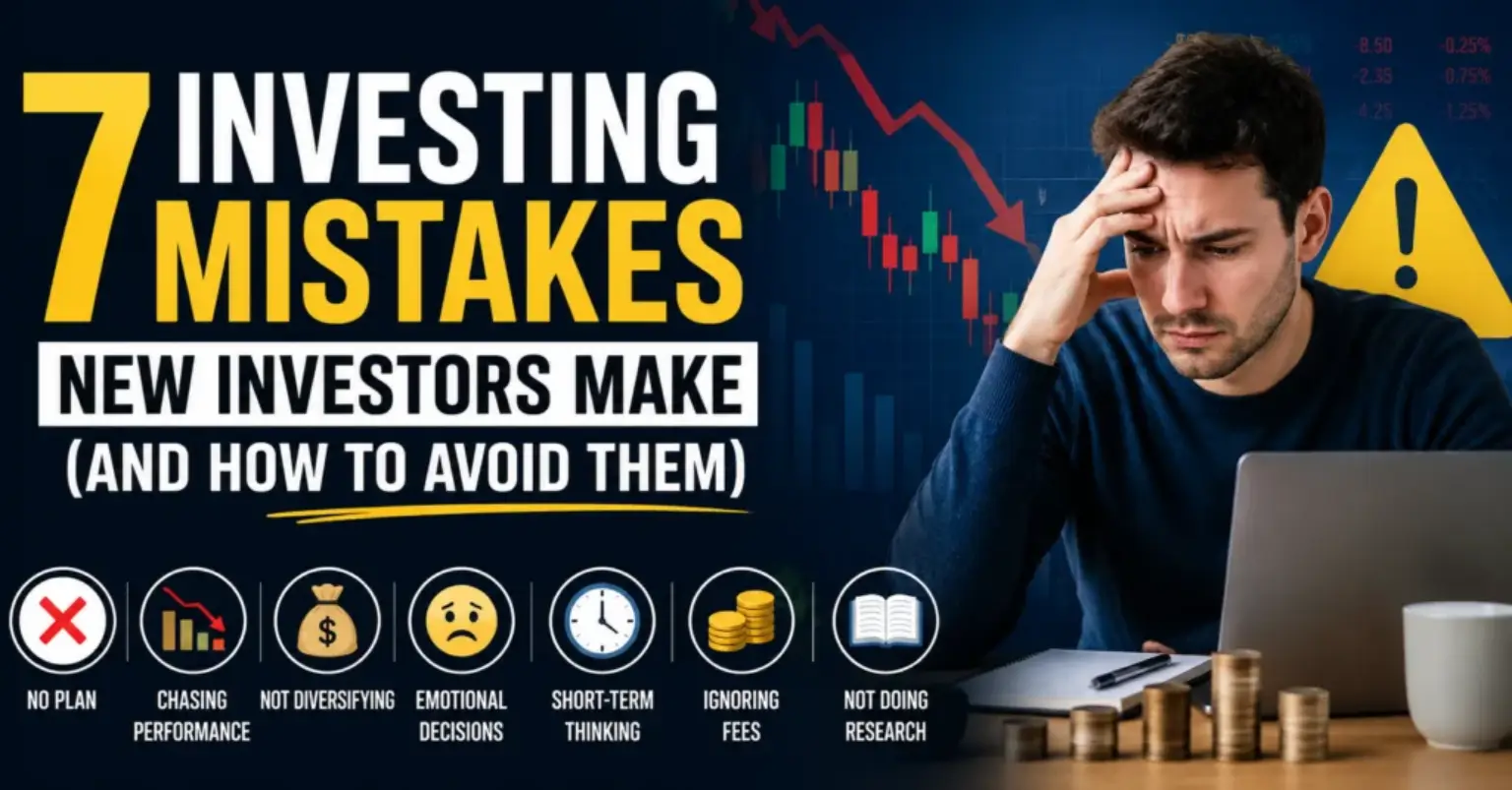
Common Mistakes to Avoid
Avoiding unnecessary mistakes can improve your long-term results.
Checking Your Portfolio Too Often
Constantly monitoring investments can create unnecessary anxiety.
Instead, review your portfolio according to your predetermined schedule.
Trying to Predict the Market
No one can consistently forecast short-term market movements.
Therefore, avoid delaying investments while waiting for the “perfect” opportunity.
Regular investing is often a more reliable strategy.
Making Emotional Decisions
Fear and excitement frequently lead investors to buy or sell at the wrong time.
Instead, follow your written investment plan whenever markets become volatile.
Ignoring Diversification
Concentrating too much money in one investment increases risk.
Diversification can help reduce the impact of poor performance in any single asset.
Habits of Successful Long-Term Investors
Many experienced investors share similar habits.
Consider adopting these practices:
- Invest automatically.
- Save consistently.
- Rebalance your portfolio periodically.
- Keep investment costs low.
- Maintain an emergency fund.
- Continue learning about investing.
- Increase contributions over time.
- Stay focused on long-term goals.
- Ignore short-term market noise.
- Review your financial plan annually.
Although these habits appear simple, they often support long-term financial success.
Frequently Asked Questions
Do I need to check my investments every day?
No. Many long-term investors review their portfolios only a few times each year. Frequent monitoring can encourage emotional decisions rather than thoughtful investing.
Is automatic investing a good idea?
For many investors, automatic investing encourages consistency and removes the temptation to delay contributions because of short-term market movements.
What if the market drops significantly?
Market declines are a normal part of investing. If your financial goals and risk tolerance haven’t changed, your long-term strategy may not require major adjustments.
How often should I rebalance my portfolio?
Many investors rebalance once or twice each year or whenever their asset allocation changes significantly. The appropriate schedule depends on your investment strategy.
What’s the biggest mistake new investors make?
One common mistake is reacting emotionally to daily market news. Building a diversified portfolio and following a long-term investment plan can help reduce that risk.
Final Thoughts
Successful investing doesn’t require watching financial news every hour or checking your portfolio multiple times a day. Instead, lasting wealth is often built through patience, consistency, and a well-designed long-term strategy. By investing automatically, diversifying your portfolio, keeping costs low, and reviewing your investments on a regular schedule, you can stay focused on your financial goals without unnecessary stress.
Moreover, remember that markets will always experience periods of uncertainty. Rather than reacting to every headline, concentrate on the habits you can control. Consistent contributions, thoughtful planning, and disciplined decision-making often produce better results than frequent trading.
Above all, create an investment strategy that fits your goals, risk tolerance, and timeline. Continue learning, review your progress periodically, and allow time to work in your favor. Over the years, those steady habits can help you build lasting wealth while enjoying greater peace of mind.
Investor.gov – Investing Basics