 MOHAMMAD ABUBAKR
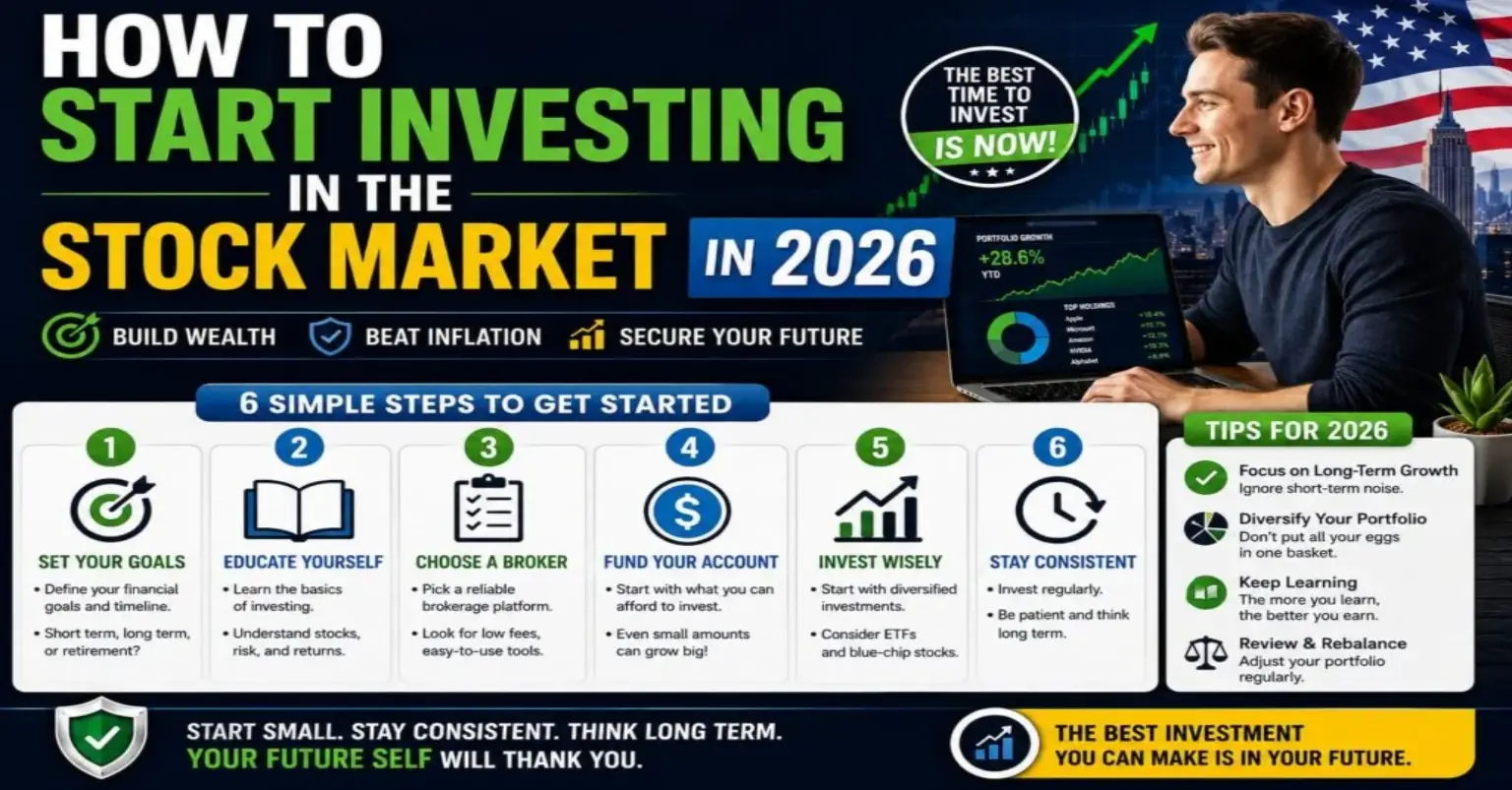
Investing isn’t only about earning returns this year. Instead, it’s about building a portfolio that can support your financial goals for many years to come. While short-term market movements often capture headlines, long-term investors usually benefit from focusing on the bigger picture.
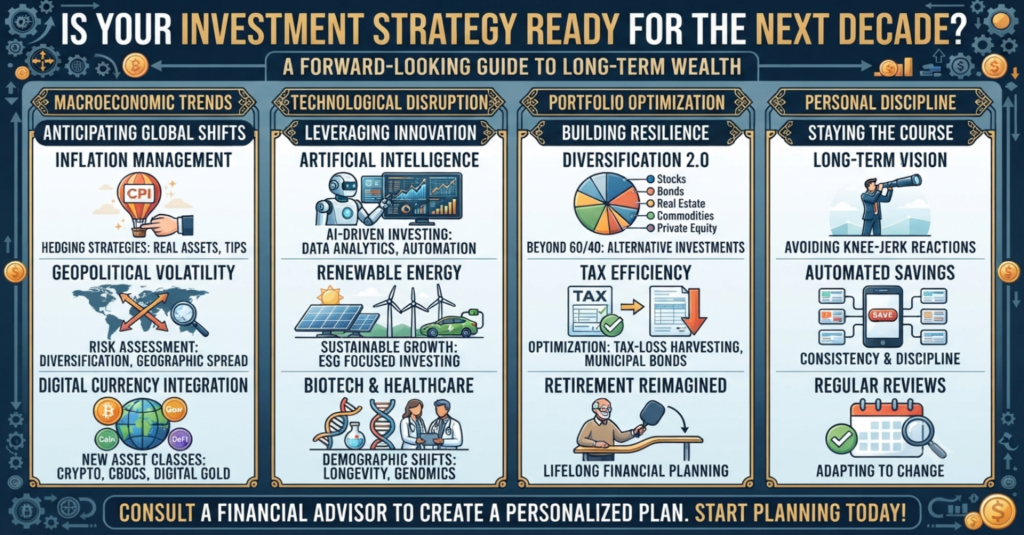
The next decade will likely bring new economic opportunities, technological advances, changing interest rates, and shifting market trends. Consequently, investors who review and improve their strategies today may be better prepared for whatever comes next.
Moreover, a successful investment strategy isn’t based on predicting the future perfectly. Rather, it’s built around diversification, consistent investing, realistic expectations, and regular portfolio reviews. Although no investment plan can eliminate risk, thoughtful preparation can help you navigate changing market conditions with greater confidence.
Fortunately, you don’t need to overhaul your entire portfolio overnight. Instead, making small improvements today can strengthen your long-term financial future while helping you stay focused on your goals.
How to Create a Simple Investment Plan
Let’s explore how to determine whether your investment strategy is prepared for the years ahead.
1. Review Your Financial Goals
Every investment strategy should begin with a clear purpose.
Without defined goals, it’s difficult to choose the right investments or measure progress.
Ask yourself:
- Are you saving for retirement?
- Do you want to buy a home?
- Are you building college savings?
- Do you hope to create passive income?
- Are you focused on long-term wealth?
Furthermore, your goals may change as your life changes.
Therefore, review them regularly and adjust your investment strategy when necessary.
2. Make Sure Your Portfolio Is Diversified
Diversification remains one of the most effective ways to manage investment risk.
Rather than concentrating your money in one company or one asset class, spread your investments across different areas of the market.
A diversified portfolio may include:
- Broad-market index funds
- Exchange-Traded Funds (ETFs)
- Dividend-paying stocks
- Bonds
- Cash reserves
Consequently, weaker performance in one area may be balanced by stronger performance elsewhere.
Although diversification doesn’t eliminate risk, it may reduce the impact of market volatility.
3. Invest Consistently
Trying to predict the perfect time to invest can be difficult.
Instead, many successful long-term investors contribute money on a regular schedule.
This approach offers several benefits.
For example, it:
- Builds investing discipline.
- Reduces emotional decision-making.
- Encourages long-term thinking.
- Takes advantage of dollar-cost averaging.
Moreover, consistent investing keeps your financial plan moving forward regardless of short-term market conditions.
4. Rebalance Your Portfolio Regularly
Investment performance changes over time.
As certain investments grow faster than others, your portfolio allocation may gradually shift.
Therefore, reviewing your portfolio periodically is important.
Rebalancing may involve:
- Selling investments that have become overweight.
- Increasing positions in underweighted assets.
- Maintaining your desired risk level.
As a result, your portfolio stays aligned with your long-term investment strategy.
5. Prepare for Market Volatility
Market fluctuations are normal.
However, many investors become nervous during periods of uncertainty.
Instead of reacting emotionally, prepare for volatility before it occurs.
You can do this by:
- Maintaining realistic expectations.
- Keeping an emergency fund.
- Diversifying investments.
- Following a written investment plan.
Furthermore, staying invested during difficult periods has historically been an important part of long-term investing.
6. Continue Learning About Investing
Financial markets evolve over time.
Therefore, continuing your financial education can improve future investment decisions.
Spend time learning about:
- Asset allocation
- Retirement planning
- Tax-efficient investing
- Market history
- Investment risk
- Portfolio management
Moreover, understanding these concepts helps you avoid common investing mistakes.
7. Keep Investment Costs Low
Investment expenses may seem small.
Nevertheless, they can reduce long-term returns over many years.
Review costs such as:
- Expense ratios
- Advisory fees
- Trading commissions
- Account maintenance fees
Consequently, minimizing unnecessary expenses allows more of your money to remain invested and continue growing.
8. Avoid Emotional Investing
Fear and excitement can influence financial decisions.
However, emotional investing often leads to buying high and selling low.
Instead, rely on your long-term investment plan.
Whenever markets become volatile, ask yourself whether your financial goals have changed.
If they haven’t, your investment strategy may not need major changes either.
Patience often becomes one of the most valuable qualities for long-term investors.
9. Increase Your Contributions Over Time
One of the easiest ways to strengthen your investment strategy is to invest more as your income grows.
Many investors contribute the same amount for years. However, increasing your investments after every raise or bonus can accelerate long-term wealth building.
For example, consider directing:
- Part of every salary increase
- Annual bonuses
- Tax refunds
- Side hustle income
- Investment dividends
toward your portfolio.
Consequently, your investments may grow faster without requiring major lifestyle changes.
10. Keep an Emergency Fund
Even the best investment strategy can be disrupted by unexpected expenses.
Therefore, maintaining an emergency fund remains an essential part of long-term financial planning.
Emergency savings may help cover:
- Medical expenses
- Car repairs
- Home maintenance
- Temporary job loss
- Unexpected travel
As a result, you’re less likely to sell investments during a market downturn to cover short-term costs.
11. Review Your Risk Tolerance
Your ability to handle investment risk changes over time.
For instance, a younger investor saving for retirement may accept more market fluctuations than someone who plans to retire within a few years.
Therefore, review your risk tolerance regularly.
Ask yourself:
- Am I comfortable with market volatility?
- Has my financial situation changed?
- Have my investment goals changed?
- Is my portfolio still appropriate?
Moreover, making gradual adjustments can help keep your investments aligned with your long-term objectives.
12. Think Beyond Market Headlines
Financial news changes every day.
However, reacting to every headline can lead to poor investment decisions.
Instead, focus on factors you can control, such as:
- Saving consistently
- Diversifying your portfolio
- Keeping costs low
- Reviewing your financial plan
- Staying invested for the long term
Furthermore, many successful investors spend less time predicting the market and more time following a disciplined strategy.
Common Investment Mistakes to Avoid
Avoiding costly mistakes is just as important as choosing good investments.
Trying to Time the Market
Predicting short-term market movements is extremely difficult.
Instead, consistent investing often produces better long-term results than waiting for the “perfect” opportunity.
Ignoring Portfolio Diversification
Concentrating too much money in one stock or one industry increases risk.
Therefore, diversify your investments across different asset classes whenever appropriate.
Chasing Recent Winners
Investments that performed well last year may not lead the market next year.
Consequently, avoid making decisions based solely on recent performance.
A balanced, long-term approach is generally more sustainable.
Forgetting to Review Your Portfolio
Your portfolio should evolve as your financial goals and circumstances change.
Reviewing it at least once each year helps ensure it remains aligned with your investment plan.
Long-Term Investing Trends to Watch
Although no one can predict the future with certainty, several long-term trends may continue influencing investors over the next decade.
These include:
- Advances in artificial intelligence
- Healthcare innovation
- Clean energy development
- Digital financial services
- Aging populations
- Infrastructure investment
Rather than chasing every new trend, evaluate opportunities carefully and consider how they fit within your overall portfolio.
Moreover, maintaining diversification remains important even when certain sectors receive significant attention.
Frequently Asked Questions
How often should I review my investment strategy?
Many financial professionals recommend reviewing your investment plan at least once each year. You should also review it after major life events such as marriage, changing jobs, or nearing retirement.
Should I change my investments every year?
Not necessarily. Frequent changes aren’t always beneficial. Instead, update your portfolio only when your financial goals, risk tolerance, or personal circumstances change.
Is diversification still important?
Yes. Diversification helps spread investment risk across different assets and sectors. Although it cannot eliminate losses, it may reduce the impact of poor performance in a single investment.
How can I prepare for market downturns?
Maintain an emergency fund, diversify your portfolio, invest consistently, and avoid making emotional decisions during periods of volatility.
What’s the biggest mistake long-term investors make?
One of the most common mistakes is abandoning a long-term investment strategy because of short-term market movements. Staying disciplined often leads to better long-term outcomes.
Final Thoughts
Preparing your investment strategy for the next decade doesn’t require predicting every market trend or making dramatic changes to your portfolio. Instead, focus on the principles that have supported long-term investors for years. Diversify your investments, contribute consistently, keep costs under control, and review your financial goals on a regular basis.
Moreover, remember that successful investing is a marathon rather than a sprint. Markets will experience periods of growth and decline, yet disciplined investors often stay focused on their long-term objectives instead of reacting to short-term headlines. Consequently, patience and consistency can become powerful advantages over time.
Above all, build an investment strategy that reflects your personal goals, financial situation, and comfort with risk. Continue learning, make thoughtful adjustments when needed, and stay committed to your plan. By doing so, you’ll be in a stronger position to navigate whatever the next decade may bring.
Investor.gov – Investing Basics