
 MOHAMMAD ABUBAKR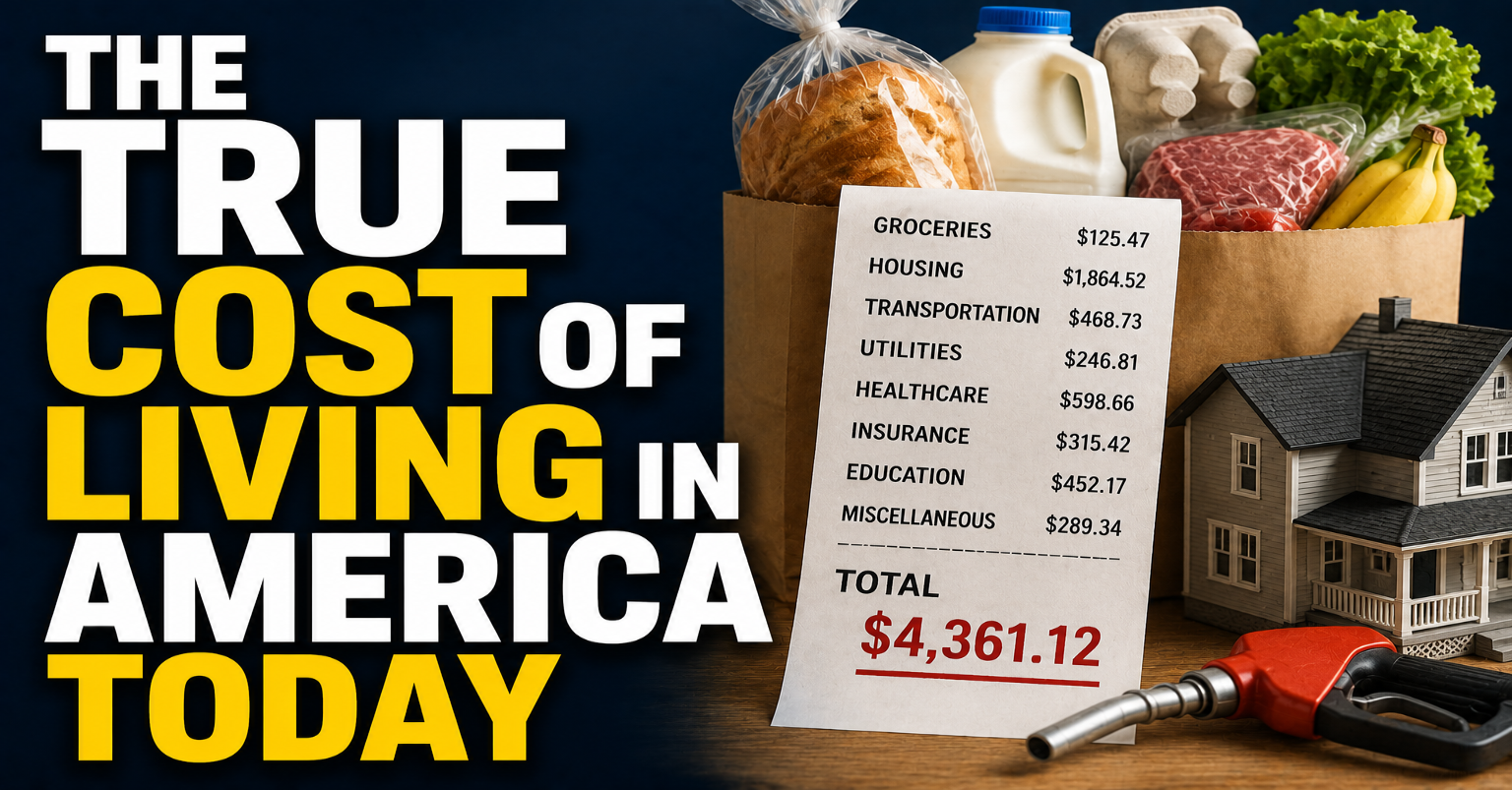
The cost of living in the United States has become one of the biggest financial concerns for millions of households. Although wages have increased in some industries, many families still feel pressure as housing, groceries, healthcare, transportation, and other essential expenses continue to consume a larger share of their income. As a result, managing a household budget has become more challenging than it was just a few years ago.
Fortunately, understanding where your money goes is the first step toward making smarter financial decisions. Instead of focusing only on rising prices, reviewing your spending habits can help you identify opportunities to save and prepare for future expenses. Consequently, even small financial adjustments may improve your overall financial stability.
Moreover, the true cost of living extends beyond monthly bills. Insurance premiums, childcare, taxes, subscription services, and unexpected expenses also influence how much families need to earn to maintain their lifestyles. Therefore, taking a complete view of household finances is more important than ever.
Whether you’re renting, buying a home, raising a family, or planning for retirement, understanding today’s cost of living can help you make informed financial choices.
Financial Changes That Could Affect Every Household
1. Housing Continues to Be the Largest Expense
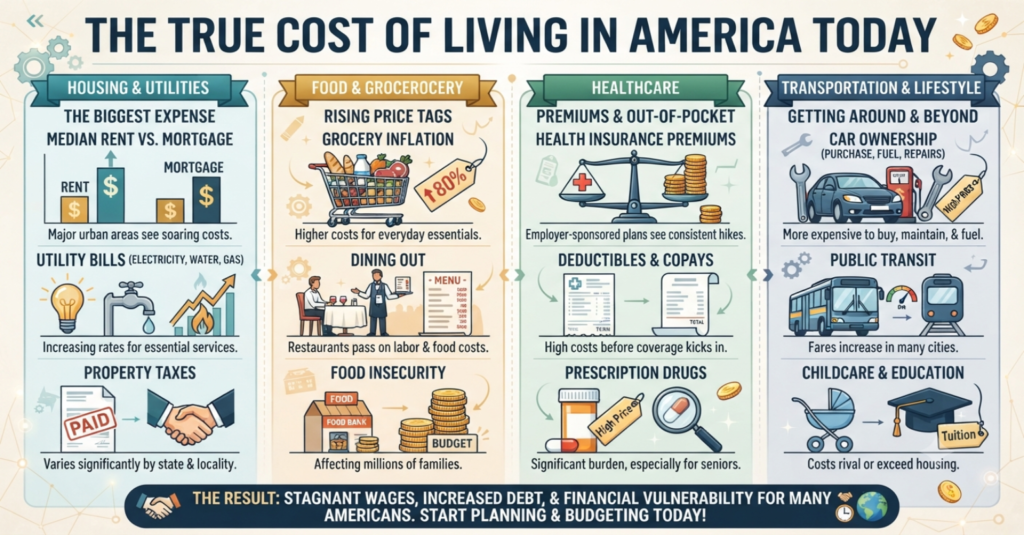
For many Americans, housing consumes the biggest portion of the monthly budget.
Whether you rent or own a home, housing costs often include:
- Rent or mortgage payments
- Property taxes
- Homeowners or renters insurance
- Maintenance and repairs
- Utility expenses
Consequently, rising housing costs can affect nearly every other financial goal.
2. Grocery Bills Have Increased
Food is another major household expense.
Although careful shopping can help reduce costs, many families continue to spend more on everyday groceries.
Helpful strategies include:
- Planning meals in advance
- Buying store brands
- Comparing prices
- Reducing food waste
- Shopping with a list
Furthermore, consistent meal planning may lower monthly grocery expenses without sacrificing nutrition.
3. Transportation Costs Add Up Quickly
Transportation involves more than fuel.
Many households also pay for:
- Vehicle payments
- Auto insurance
- Maintenance
- Registration fees
- Parking
As a result, transportation often represents one of the largest recurring expenses after housing.
4. Healthcare Remains a Significant Expense
Healthcare costs continue to affect millions of families.
Common expenses include:
- Health insurance premiums
- Deductibles
- Prescription medications
- Doctor visits
- Dental and vision care
Therefore, budgeting for healthcare throughout the year can help reduce financial surprises.
5. Utilities Affect Every Household Budget
Electricity, natural gas, water, internet, and mobile phone services are essential for most families.
Although each bill may seem manageable individually, together they represent a meaningful monthly expense.
Moreover, reviewing utility usage regularly may reveal opportunities to reduce costs.
6. Childcare and Education Require Long-Term Planning
Families with children often face additional financial responsibilities.
These may include:
- Childcare
- School supplies
- College savings
- Extracurricular activities
- Educational technology
Consequently, long-term planning becomes increasingly important as these expenses grow.
7. Insurance Costs Continue to Rise
Insurance protects your financial future.
However, premiums may increase over time.
Common policies include:
- Health insurance
- Auto insurance
- Homeowners insurance
- Renters insurance
- Life insurance
Reviewing coverage periodically may help ensure you’re paying for protection that matches your current needs.
8. Everyday Convenience Spending Can Impact Your Budget
Small purchases often seem insignificant.
Nevertheless, convenience spending can accumulate over time.
Examples include:
- Coffee purchases
- Food delivery
- Subscription services
- Convenience store items
- Express shipping fees
Therefore, tracking these expenses can help identify opportunities to save money each month.
9. Taxes Reduce Take-Home Pay
Taxes are an unavoidable part of household finances.
Although many people focus on their gross salary, the amount that reaches their bank account is often much lower after federal, state, and payroll taxes.
Additionally, homeowners may also pay property taxes, while shoppers pay sales taxes in many states.
Therefore, planning your budget around your actual take-home income provides a more realistic picture of your finances.
10. Debt Payments Can Limit Financial Flexibility
Monthly debt payments often compete with other financial priorities.
Many households make regular payments toward:
- Credit cards
- Student loans
- Auto loans
- Personal loans
- Home equity loans
Consequently, higher debt obligations may reduce the amount available for saving, investing, or covering unexpected expenses.
Paying down high-interest debt can gradually improve your monthly cash flow.
11. Inflation Continues to Affect Everyday Purchases
Inflation doesn’t impact only major expenses.
Instead, it can increase the cost of everyday necessities over time.
For example, households may notice higher prices for:
- Household supplies
- Personal care products
- Restaurant meals
- Clothing
- Entertainment
As a result, many families adjust their budgets more frequently than they did in previous years.
12. Building Financial Security Requires Ongoing Planning
The cost of living continues to change.
Therefore, reviewing your financial plan regularly is just as important as creating one.
A strong financial strategy often includes:
- A monthly budget
- Emergency savings
- Retirement contributions
- Debt repayment goals
- Regular investment contributions
Moreover, reviewing your progress each year allows you to adjust your plan as your income, expenses, and financial goals evolve.
Common Budgeting Mistakes to Avoid
Managing the cost of living becomes easier when common budgeting mistakes are avoided.
Ignoring Small Daily Expenses
Many people focus only on large bills.
However, small purchases made every day can significantly affect your monthly budget.
Tracking these expenses often reveals opportunities to save.
Living Without Emergency Savings
Unexpected costs can disrupt even the best financial plans.
Instead of relying on credit cards, build an emergency fund that can help cover unforeseen expenses.
Even small, regular contributions can strengthen your financial stability.
Not Reviewing Monthly Bills
Bills and subscription costs can increase over time.
Therefore, review recurring expenses regularly and compare providers whenever possible.
Doing so may help reduce monthly costs without changing your lifestyle.
Spending Every Dollar You Earn
Higher income doesn’t automatically improve financial security.
Saving a portion of every paycheck helps prepare for future goals and unexpected challenges.
Consequently, paying yourself first can become one of your most valuable financial habits.
Smart Ways to Manage Rising Living Costs
Although you can’t control every economic change, you can strengthen your financial position through consistent habits.
Consider these practical strategies:
- Create and follow a realistic monthly budget.
- Build an emergency fund.
- Shop with a grocery list.
- Compare insurance policies annually.
- Reduce high-interest debt.
- Cancel unused subscriptions.
- Increase retirement contributions when possible.
- Save automatically each payday.
- Track your spending every month.
- Review your financial goals regularly.
While these actions may seem modest, together they can improve your financial resilience over time.
Frequently Asked Questions
Why has the cost of living increased?
The cost of living changes for many reasons, including inflation, housing prices, healthcare costs, transportation expenses, and broader economic conditions. These factors influence household budgets differently depending on location and lifestyle.
What is usually the biggest household expense?
For many Americans, housing remains the largest monthly expense. Rent, mortgage payments, property taxes, insurance, and maintenance often account for a significant share of household income.
How can families manage higher living costs?
Creating a budget, reducing unnecessary spending, paying down high-interest debt, building emergency savings, and reviewing recurring expenses regularly can help families adapt to rising costs.
Should I change my budget every year?
Yes. Reviewing your budget annually—or after major life events—helps ensure it reflects your current income, expenses, and financial goals.
Can small financial changes really make a difference?
Absolutely. Saving consistently, limiting unnecessary purchases, and reducing recurring expenses can produce meaningful long-term financial improvements.
Final Thoughts
The true cost of living in America today extends far beyond rent or mortgage payments. Housing, groceries, healthcare, transportation, insurance, taxes, childcare, and everyday necessities all influence how much families need to earn to maintain their standard of living. Consequently, many households are placing greater emphasis on budgeting, saving, and long-term financial planning.
Moreover, while economic conditions continue to evolve, thoughtful financial habits remain one of the most effective ways to stay on track. Reviewing your spending, reducing unnecessary expenses, managing debt responsibly, and building emergency savings can improve your financial flexibility regardless of changes in the economy.
Above all, remember that financial success isn’t about eliminating every expense. Instead, it’s about making intentional choices that support your priorities and future goals. By understanding the true cost of living and adapting your financial plan as circumstances change, you can strengthen your financial confidence and build a more secure future.
Consumer Financial Protection Bureau – Budgeting and Saving