 MOHAMMAD ABUBAKR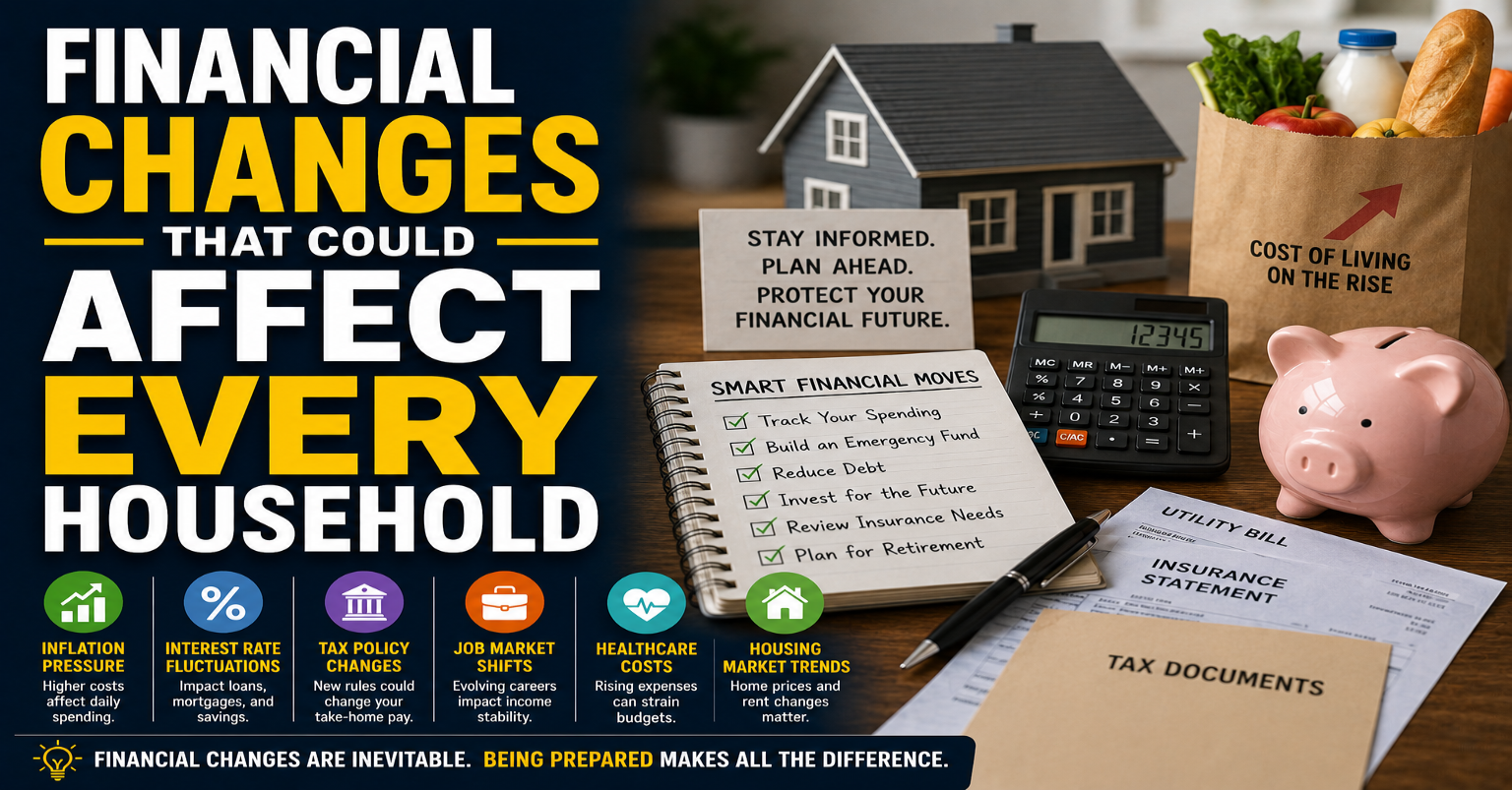
Household finances are constantly evolving. Economic conditions, government policies, interest rates, and technological advances all influence how Americans earn, spend, save, and invest their money. Therefore, staying informed about financial changes can help families make better decisions and prepare for the future.
Fortunately, not every financial change creates a challenge. Some changes offer new opportunities to save money, improve financial security, or build wealth over time. Consequently, understanding these trends allows you to adjust your financial plan before they significantly affect your budget.
Moreover, every household is different. While some families may feel the impact of rising costs, others may benefit from higher savings rates, improved investment opportunities, or changing employment trends. The key is remaining flexible and reviewing your financial plan regularly.
Whether you’re managing monthly expenses, saving for retirement, or planning major purchases, these financial changes deserve your attention.
Why Financial Planning Is More Important Than Ever
Let’s examine the financial changes that could affect nearly every household.
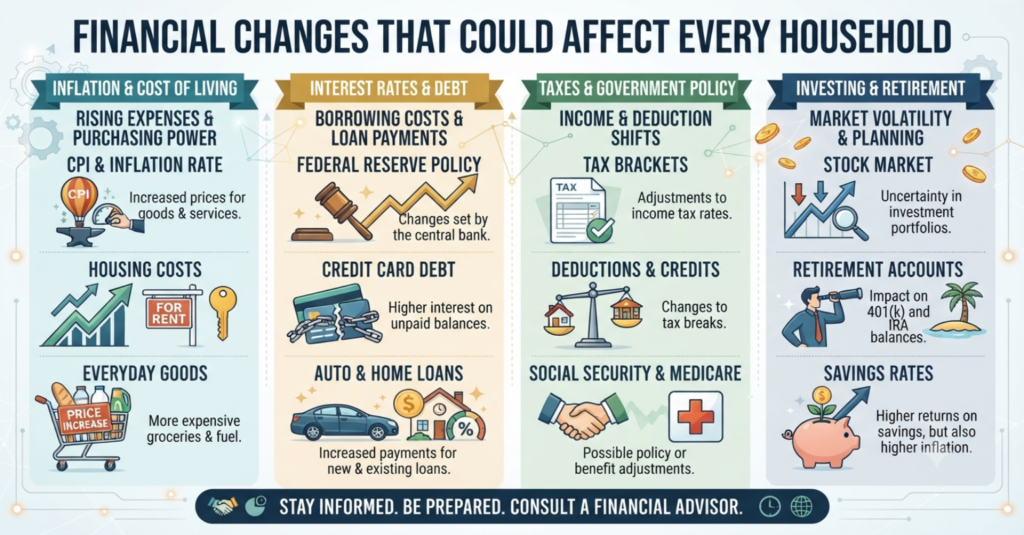
1. Higher Living Costs Continue to Influence Budgets
Many families continue to notice higher prices for everyday essentials.
Housing, groceries, transportation, healthcare, and utility bills all play a significant role in monthly expenses.
Therefore, many households are reviewing their budgets more frequently than in previous years.
Helpful budgeting strategies include:
- Tracking monthly spending
- Comparing prices before buying
- Reducing unnecessary expenses
- Building emergency savings
- Reviewing recurring subscriptions
Furthermore, making small adjustments regularly can help offset rising costs over time.
2. Interest Rates Affect More Than Loans
Interest rates influence many areas of personal finance.
They can affect:
- Mortgage payments
- Auto loans
- Credit cards
- Personal loans
- Savings accounts
Consequently, households may need to adjust borrowing and saving strategies as rates change.
Reviewing loan terms and comparing financial products periodically can help you make informed decisions.
3. Emergency Savings Are Becoming More Important
Unexpected expenses can happen at any time.
Medical bills, home repairs, job changes, and vehicle maintenance can quickly disrupt a household budget.
Therefore, many financial experts encourage building an emergency fund before focusing on other financial goals.
Emergency savings can provide support during:
- Temporary income loss
- Medical emergencies
- Major home repairs
- Unexpected travel
- Car repairs
As a result, families may avoid relying heavily on high-interest debt.
4. Technology Is Changing Money Management
Managing finances has become easier through digital tools.
Today, many Americans use technology to:
- Track spending
- Pay bills automatically
- Monitor investments
- Review credit activity
- Set savings goals
Moreover, automation can help reduce missed payments while encouraging consistent saving habits.
5. Retirement Planning Is Starting Earlier
More workers recognize the value of preparing for retirement sooner.
Instead of waiting until later in life, many people begin contributing regularly as early as possible.
Consequently, they may benefit from additional years of long-term investment growth.
Even modest contributions made consistently can make a meaningful difference over time.
6. Debt Management Has Become a Greater Priority
High-interest debt continues to affect many household budgets.
Therefore, families are increasingly focusing on reducing balances while avoiding unnecessary borrowing.
Common strategies include:
- Paying more than the minimum payment
- Prioritizing high-interest debt
- Creating repayment plans
- Limiting new credit use
Furthermore, reducing debt often improves monthly cash flow and financial flexibility.
7. Housing Costs Continue to Evolve
Whether renting or owning a home, housing remains one of the largest household expenses.
Changes in home prices, insurance costs, maintenance expenses, and property taxes can all affect long-term budgets.
Consequently, reviewing housing expenses regularly can help households prepare for future costs.
8. Long-Term Financial Planning Is Becoming Essential
Many Americans are shifting their focus from short-term spending to long-term financial stability.
Instead of reacting to every economic headline, they are concentrating on:
- Building savings
- Investing consistently
- Managing debt responsibly
- Protecting their families
- Reviewing financial goals annually
As a result, long-term planning is becoming an essential part of everyday financial management.
9. Healthcare Costs Continue to Rise
Healthcare remains one of the largest expenses for many households.
Medical insurance premiums, prescription costs, and out-of-pocket expenses can all affect a family’s financial plan.
Therefore, reviewing your health insurance coverage each year is an important financial habit.
Additionally, setting aside money for future medical expenses can help reduce financial pressure when unexpected healthcare needs arise.
10. Tax Rules Can Change From Year to Year
Federal and state tax laws are updated periodically.
Consequently, deductions, credits, contribution limits, and filing requirements may also change.
To stay prepared:
- Review current tax rules annually.
- Organize financial records throughout the year.
- Track deductible expenses.
- Save important tax documents.
- Consult a qualified tax professional when necessary.
Moreover, staying informed can help you avoid costly filing mistakes and identify potential tax-saving opportunities.
11. Income Sources Are Becoming More Diverse
Many Americans no longer rely on a single paycheck.
Instead, households are exploring additional ways to earn income.
Common examples include:
- Freelance work
- Consulting
- Online businesses
- Investment income
- Rental property income
As a result, having multiple income sources may improve financial stability while reducing dependence on one employer.
12. Financial Education Is More Accessible Than Ever
Learning about money has become easier thanks to online resources.
Today, households can improve their financial knowledge through:
- Budgeting apps
- Educational websites
- Podcasts
- Online courses
- Personal finance books
Furthermore, increasing your financial knowledge can help you make more confident decisions about saving, investing, borrowing, and retirement planning.
Common Financial Mistakes to Avoid
Financial changes often require adjustments.
Fortunately, avoiding these common mistakes can help protect your household budget.
Ignoring Inflation
Prices for everyday goods and services can rise over time.
Therefore, review your budget regularly and adjust your spending plan as needed.
Waiting too long to adapt can make financial challenges more difficult to manage.
Living Without an Emergency Fund
Unexpected expenses rarely arrive with advance notice.
Without emergency savings, many households rely on high-interest debt.
Instead, contribute to your emergency fund consistently, even if you start with small amounts.
Delaying Financial Planning
Some people postpone financial planning until they earn more money.
However, developing good financial habits early often produces better long-term results.
Budgeting, saving, and investing consistently matter more than waiting for the perfect time.
Overlooking Long-Term Goals
It’s easy to focus only on today’s expenses.
Nevertheless, preparing for retirement, education costs, and future healthcare needs is equally important.
Review your long-term goals at least once a year to ensure your financial plan remains on track.
Smart Financial Habits for Every Household
Healthy financial habits can help families adapt to changing economic conditions.
Consider making these practices part of your routine:
- Create a monthly budget.
- Build an emergency fund.
- Pay bills on time.
- Reduce high-interest debt.
- Save automatically every payday.
- Review your financial plan annually.
- Invest consistently for long-term goals.
- Track your spending regularly.
- Increase savings after income increases.
- Continue improving your financial knowledge.
Although these habits require consistency, they can strengthen your financial future regardless of changing economic conditions.
Frequently Asked Questions
Why do financial changes affect every household?
Economic conditions influence everyday expenses, borrowing costs, savings, investments, and employment opportunities. As a result, nearly every household experiences the effects in some way.
How often should I review my financial plan?
Review your financial plan at least once a year. You should also update it after major life events such as changing jobs, getting married, buying a home, or having children.
Why is an emergency fund important?
An emergency fund provides financial support during unexpected events such as medical bills, car repairs, home maintenance, or temporary income loss. It can also reduce the need to rely on high-interest debt.
How can households prepare for rising living costs?
Creating a realistic budget, reducing unnecessary expenses, increasing savings, and reviewing spending regularly can help households adapt to higher costs over time.
What’s the most important financial habit?
There isn’t a single habit that fits everyone. However, consistently spending less than you earn, saving regularly, managing debt responsibly, and planning for long-term goals form the foundation of lasting financial security.
Final Thoughts
Financial changes are a normal part of life, but they don’t have to derail your financial goals. Rising living costs, changing interest rates, evolving tax rules, and new technology all influence the way households manage money. Therefore, staying informed and reviewing your financial plan regularly can help you respond with confidence rather than uncertainty.
Moreover, financial success isn’t determined by one major decision. Instead, it grows through consistent habits such as budgeting, saving, investing, reducing debt, and preparing for unexpected expenses. Small improvements made over time can strengthen your financial position and provide greater flexibility when circumstances change.
Above all, remember that every household has unique financial priorities. The best approach is to create a plan that reflects your income, lifestyle, and long-term goals while remaining flexible enough to adapt to future changes. By taking proactive steps today, you can build greater financial stability and prepare your household for whatever comes next.
Consumer Financial Protection Bureau – Managing Your Money