 MOHAMMAD ABUBAKR
The way Americans think about money has changed dramatically over the past few years. Rising prices, higher interest rates, shifting job markets, and rapid advances in technology have encouraged many households to rethink their financial priorities. As a result, people are making different choices about saving, spending, investing, and planning for the future.
Fortunately, these changes aren’t entirely negative. Instead, many Americans are becoming more intentional with their finances. They are focusing on building emergency savings, reducing debt, increasing investments, and preparing for unexpected economic challenges. Consequently, financial planning has become a bigger priority for families across the country.
Moreover, younger generations are approaching money differently than previous generations. While traditional financial milestones remain important, many people now place greater value on flexibility, financial independence, and long-term security. Therefore, personal finance is becoming less about keeping up with others and more about achieving individual goals.
Whether you’re just starting your financial journey or reviewing your long-term plans, understanding these changing trends can help you make smarter financial decisions.
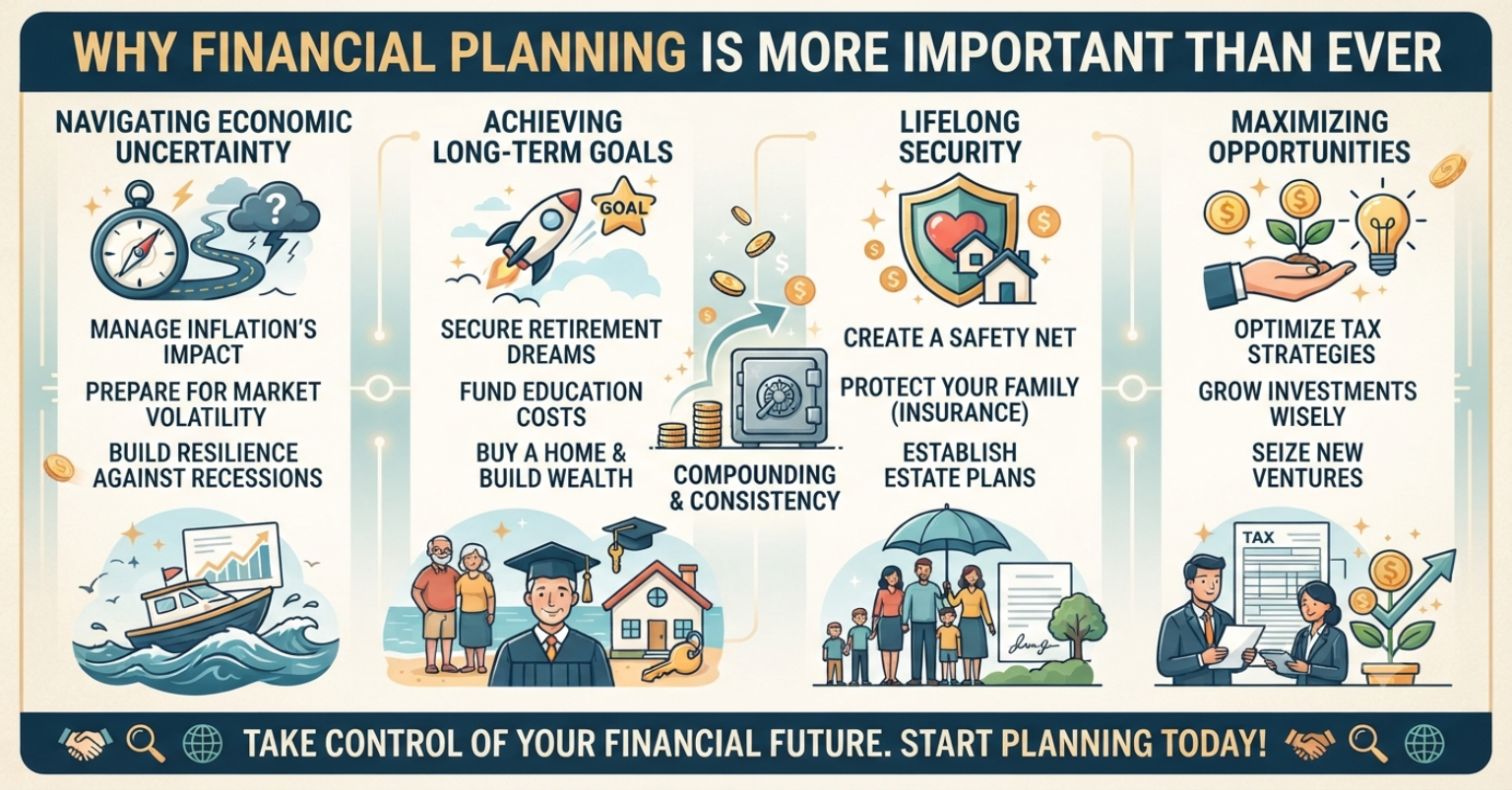
Why Financial Planning Is More Important Than Ever
Let’s explore why Americans are thinking differently about money today.
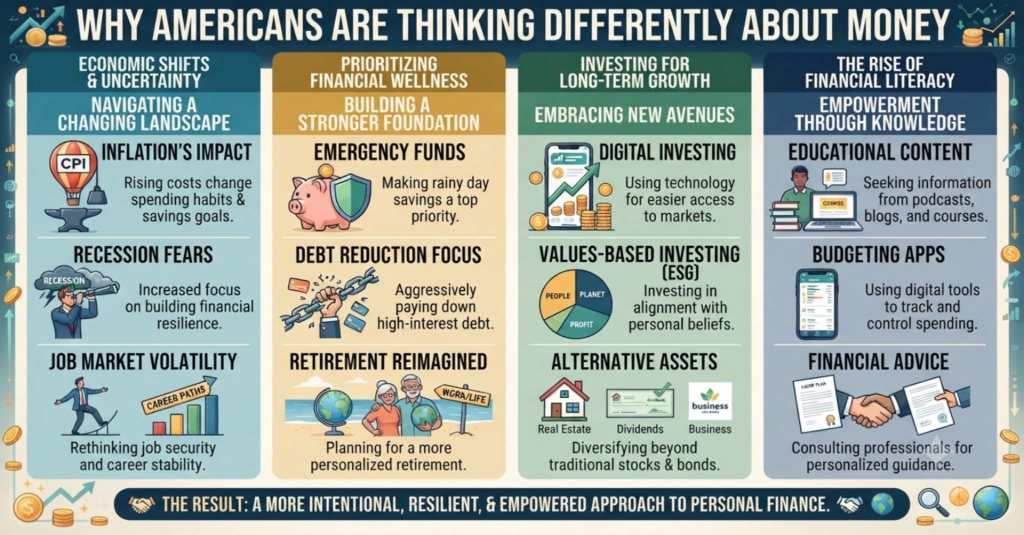
1. Inflation Has Changed Spending Habits
Inflation has affected nearly every household budget.
Groceries, housing, transportation, and everyday necessities have become more expensive.
Consequently, many families are paying closer attention to where their money goes each month.
Common adjustments include:
- Reducing discretionary spending
- Comparing prices before purchases
- Buying fewer nonessential items
- Looking for discounts
- Increasing household budgets
Furthermore, these habits often lead to more thoughtful financial decisions.
2. Emergency Savings Have Become a Higher Priority
Unexpected financial challenges have reminded many Americans of the importance of emergency savings.
Rather than relying on credit cards during emergencies, more households are working to build cash reserves.
Many people now save regularly for:
- Medical expenses
- Vehicle repairs
- Home maintenance
- Temporary job loss
- Unexpected travel
As a result, emergency funds have become one of the most important financial goals.
3. Debt Is Receiving More Attention
High-interest debt has become a growing concern for many households.
Therefore, more Americans are focusing on paying down balances before taking on new financial obligations.
Popular strategies include:
- Paying more than the minimum payment
- Reducing credit card balances
- Avoiding unnecessary borrowing
- Creating debt repayment plans
Moreover, reducing debt can improve both monthly cash flow and long-term financial flexibility.
4. Investing Is Becoming More Accessible
Technology has made investing easier than ever before.
Today, many people can invest using mobile apps, automatic contributions, and low-cost investment accounts.
Consequently, younger investors are beginning to invest earlier than previous generations.
Many investors now focus on:
- Long-term investing
- Index funds
- ETFs
- Retirement accounts
- Diversified portfolios
Instead of trying to time the market, many choose to invest consistently over time.
5. Financial Education Is More Widely Available
Learning about personal finance has never been easier.
Americans now have access to:
- Financial websites
- Educational videos
- Podcasts
- Online courses
- Budgeting tools
Furthermore, greater access to financial information allows more people to improve their money management skills.
6. Retirement Planning Starts Earlier
Many workers now recognize the importance of preparing for retirement sooner rather than later.
Instead of waiting until mid-career, younger adults are beginning to save earlier.
Consequently, they may benefit from more years of compound growth.
Regular retirement contributions have become an important financial habit for many households.
7. Flexible Financial Goals Are Replacing Traditional Timelines
Not everyone follows the same financial path.
Many Americans are delaying home purchases, changing careers, or starting businesses.
Therefore, financial plans have become more flexible.
Rather than following a fixed timeline, many people adjust their goals based on changing economic conditions and personal priorities.
8. Budgeting Has Become a Long-Term Habit
Budgeting is no longer viewed as something people do only during financial difficulties.
Instead, many households use monthly budgets to:
- Track spending
- Increase savings
- Reduce debt
- Plan investments
- Reach financial goals
Consequently, budgeting has become a regular part of everyday financial management for many Americans.
9. Technology Is Changing the Way People Manage Money
Digital tools have transformed personal finance.
Today, many Americans use mobile apps and online platforms to monitor their finances in real time.
Common uses include:
- Tracking spending
- Paying bills automatically
- Monitoring investments
- Setting savings goals
- Reviewing credit activity
Furthermore, these tools make it easier to stay organized and make informed financial decisions.
10. Financial Independence Has Become a Bigger Goal
More Americans are focusing on financial independence rather than simply earning a higher income.
Instead of measuring success only by salary, many people now value:
- Lower debt
- Higher savings
- Multiple income sources
- Investment growth
- Greater financial flexibility
Consequently, long-term financial security has become a priority for households across different income levels.
11. More People Are Looking for Multiple Income Streams
Relying on one paycheck alone feels less secure to many workers.
Therefore, some Americans are exploring additional ways to earn income.
Examples include:
- Freelance work
- Consulting
- Online businesses
- Dividend investing
- Rental income
Moreover, multiple income streams can provide additional financial stability during periods of economic uncertainty.
12. Long-Term Planning Is Replacing Short-Term Thinking
Many households are placing greater emphasis on long-term financial planning.
Instead of making decisions based only on today’s needs, they are considering future goals such as:
- Retirement
- Homeownership
- College savings
- Healthcare costs
- Estate planning
As a result, financial decisions increasingly reflect long-term priorities rather than short-term convenience.
Common Money Mindset Mistakes to Avoid
Changing your financial habits also means avoiding common mistakes.
Fortunately, recognizing these patterns early can improve your long-term financial health.
Living Beyond Your Means
Higher income doesn’t automatically create financial security.
Instead, spending less than you earn often provides greater financial flexibility.
Building savings and investing consistently can strengthen your financial future.
Ignoring Emergency Savings
Unexpected expenses are part of life.
Without emergency savings, many people depend on credit cards or loans.
Therefore, building a dedicated emergency fund should remain a top priority.
Delaying Investing
Some people wait for the “perfect” time to begin investing.
However, delaying often means losing valuable years of potential growth.
Consistent investing over time may be more effective than trying to predict short-term market movements.
Comparing Your Finances to Others
Social media and lifestyle comparisons can encourage unnecessary spending.
Instead, focus on goals that reflect your own financial situation and priorities.
Progress is more meaningful when measured against your personal objectives rather than someone else’s lifestyle.
Smart Money Habits for Every Household
Strong financial habits help families adapt to changing economic conditions.
Consider making these practices part of your routine:
- Create and follow a monthly budget.
- Build an emergency fund.
- Pay bills on time.
- Reduce high-interest debt.
- Save automatically every payday.
- Invest consistently for long-term goals.
- Review your financial plan annually.
- Track your spending regularly.
- Increase savings after raises.
- Continue learning about personal finance.
Although these habits may seem simple, together they can build lasting financial confidence.
Frequently Asked Questions
Why are Americans changing their financial habits?
Many households are responding to rising living costs, economic uncertainty, changing interest rates, and evolving financial goals. These factors have encouraged people to save more, reduce debt, and plan for the future.
Is budgeting still important today?
Yes. A budget helps you monitor spending, increase savings, manage debt, and make informed financial decisions regardless of your income level.
Why are emergency funds receiving more attention?
Unexpected expenses such as medical bills, home repairs, and job changes have highlighted the importance of having accessible savings for financial emergencies.
Why are more people investing earlier?
Technology has made investing more accessible, while greater awareness of long-term wealth building has encouraged many Americans to begin investing sooner.
What’s the biggest money mindset change?
One of the most significant changes is the shift from focusing primarily on spending and income toward prioritizing financial security, flexibility, and long-term planning.
Final Thoughts
The way Americans think about money continues to evolve as economic conditions, technology, and personal priorities change. Rather than focusing only on earning more, many households are placing greater importance on budgeting, saving, investing, and reducing debt. Consequently, financial decisions are becoming more intentional and aligned with long-term goals.
Moreover, this shift reflects a broader understanding that financial success is built through consistent habits rather than quick results. Emergency savings, thoughtful spending, regular investing, and ongoing financial education all contribute to greater stability over time. Even small improvements, when repeated consistently, can have a meaningful impact on your financial future.
Above all, remember that there is no single path to financial success. The best strategy is one that matches your goals, lifestyle, and circumstances. By staying flexible, reviewing your financial plan regularly, and continuing to build healthy money habits, you can navigate changing economic conditions with greater confidence and work toward lasting financial security.
Consumer Financial Protection Bureau – Managing Your Money