
 MOHAMMAD ABUBAKR
Introduction
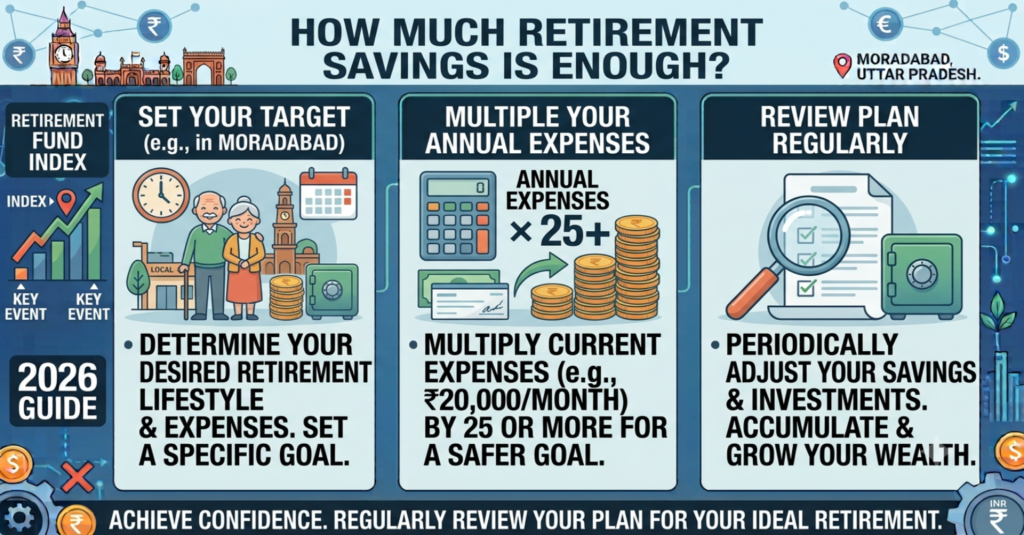
One of the biggest questions people ask is, “How much retirement savings is enough?”
The answer is different for everyone.
Your ideal retirement savings depends on your lifestyle, expected expenses, retirement age, healthcare costs, and income sources.
Rather than focusing on one specific number, it is more helpful to build a plan that supports your personal financial goals.
In this guide, you’ll learn the factors that influence retirement savings and discover practical strategies for preparing for a financially secure retirement.
Why Retirement Savings Matter
Retirement savings provide financial independence after your working years.
Building sufficient savings can help you:
- Cover everyday living expenses.
- Prepare for healthcare costs.
- Reduce financial stress.
- Maintain your preferred lifestyle.
- Handle unexpected expenses.
The earlier you begin saving, the more time your investments have to grow.
1. Estimate Your Future Living Expenses
Retirement planning starts with understanding your future spending.
Consider expenses such as:
- Housing.
- Food.
- Transportation.
- Healthcare.
- Insurance.
- Entertainment.
- Travel.
Creating realistic estimates provides a stronger foundation for your retirement plan.
2. Consider Your Retirement Age
Your planned retirement age affects how much you may need to save.
Someone retiring earlier may need savings to last longer than someone who retires later.
Your retirement timeline influences:
- Years of retirement.
- Investment growth.
- Withdrawal strategy.
- Social Security timing.
- Healthcare planning.
A realistic retirement age helps shape your savings goal.
3. Account for Inflation
Prices generally increase over time.
Inflation can reduce the purchasing power of your savings over many years.
Planning for inflation helps ensure your retirement income continues to support your future lifestyle.
Ignoring inflation may result in underestimating your long-term financial needs.
4. Include Multiple Income Sources
Retirement income may come from several places.
Examples include:
- Retirement accounts.
- Employer-sponsored retirement plans.
- Social Security benefits.
- Personal investments.
- Savings accounts.
- Part-time work.
Considering multiple income sources provides a more complete retirement picture.
5. Increase Savings Over Time
You do not need to reach your retirement goal immediately.
Instead, focus on steady progress.
Consider increasing your retirement contributions whenever:
- Your income increases.
- You receive a bonus.
- You reduce monthly expenses.
- You pay off debt.
Gradually saving more each year can significantly improve your retirement readiness.
Increasing your retirement contributions gradually is often easier than making large changes all at once. Read our Why Retirement Planning Gets Easier With Small Steps guide to discover simple habits that support long-term financial success.
6. Review Your Retirement Plan Regularly
Life changes.
Your retirement plan should change with it.
Review your plan whenever you experience:
- Career changes.
- Marriage.
- Divorce.
- New children.
- Home purchases.
- Major financial changes.
Regular reviews help keep your retirement savings aligned with your goals.
Every Retirement Journey Is Different
There is no universal retirement savings target that works for everyone.
The best retirement plan is one that reflects your personal goals, financial situation, and long-term priorities.
7. Avoid Withdrawing Retirement Savings Early
Taking money out of retirement accounts before retirement can reduce your long-term financial security.
Early withdrawals may:
- Reduce future investment growth.
- Limit the benefits of compound returns.
- Decrease your retirement income.
- Trigger taxes or penalties in some situations.
Whenever possible, leave retirement savings invested until you truly need them.
8. Diversify Your Retirement Investments
A well-diversified portfolio can help manage investment risk over time.
Instead of relying on a single investment, consider spreading your retirement savings across different asset classes.
Examples include:
- Stocks
- Bonds
- Mutual funds
- Exchange-traded funds (ETFs)
- Cash equivalents
Diversification cannot eliminate risk, but it may reduce the impact of market volatility.
9. Adjust Your Plan as Retirement Gets Closer
Your investment strategy may change as you approach retirement.
Many people gradually review:
- Risk tolerance.
- Asset allocation.
- Income needs.
- Healthcare planning.
- Withdrawal strategy.
Making thoughtful adjustments over time can help your retirement plan better match your future goals.
10. Focus on Consistency Instead of Perfection
Many people delay retirement planning because they think they need to save large amounts immediately.
The reality is that consistent saving often has a greater long-term impact than waiting for the perfect time to begin.
Even modest monthly contributions can grow significantly over many years.
Common Retirement Savings Mistakes
Avoiding common mistakes can improve your retirement readiness.
Watch out for these errors:
- Starting too late.
- Saving inconsistently.
- Ignoring inflation.
- Taking excessive investment risk.
- Withdrawing retirement savings early.
- Failing to review your retirement plan.
Small improvements today can strengthen your financial future.
Investor.gov, the U.S. Securities and Exchange Commission’s investor education website, offers reliable information about retirement planning, diversification, long-term investing, and compound growth. These resources can help you make informed decisions while building your retirement savings.
Frequently Asked Questions
How much retirement savings do I really need?
The amount depends on your retirement goals, expected expenses, desired lifestyle, income sources, and retirement age.
Creating a personalized retirement plan provides a more accurate estimate than relying on a single rule of thumb.
Is it too late to start saving for retirement?
No.
Although starting early provides more time for investment growth, saving consistently at any age can improve your retirement outlook.
Should I increase my retirement savings every year?
Many financial experts recommend increasing retirement contributions whenever your income grows.
Even small annual increases can make a meaningful difference over time.
Why is inflation important in retirement planning?
Inflation reduces purchasing power over time.
Planning for higher future costs helps ensure your retirement savings continue to support your lifestyle.
Final Thoughts
There is no single retirement savings number that works for everyone.
Your ideal goal depends on your income, expenses, retirement age, lifestyle, and long-term financial objectives.
Rather than chasing a specific number, focus on building strong financial habits.
Save consistently.
Increase contributions when possible.
Review your plan regularly.
Over time, these habits can help you build greater confidence and move closer to a financially secure retirement.