 MOHAMMAD ABUBAKR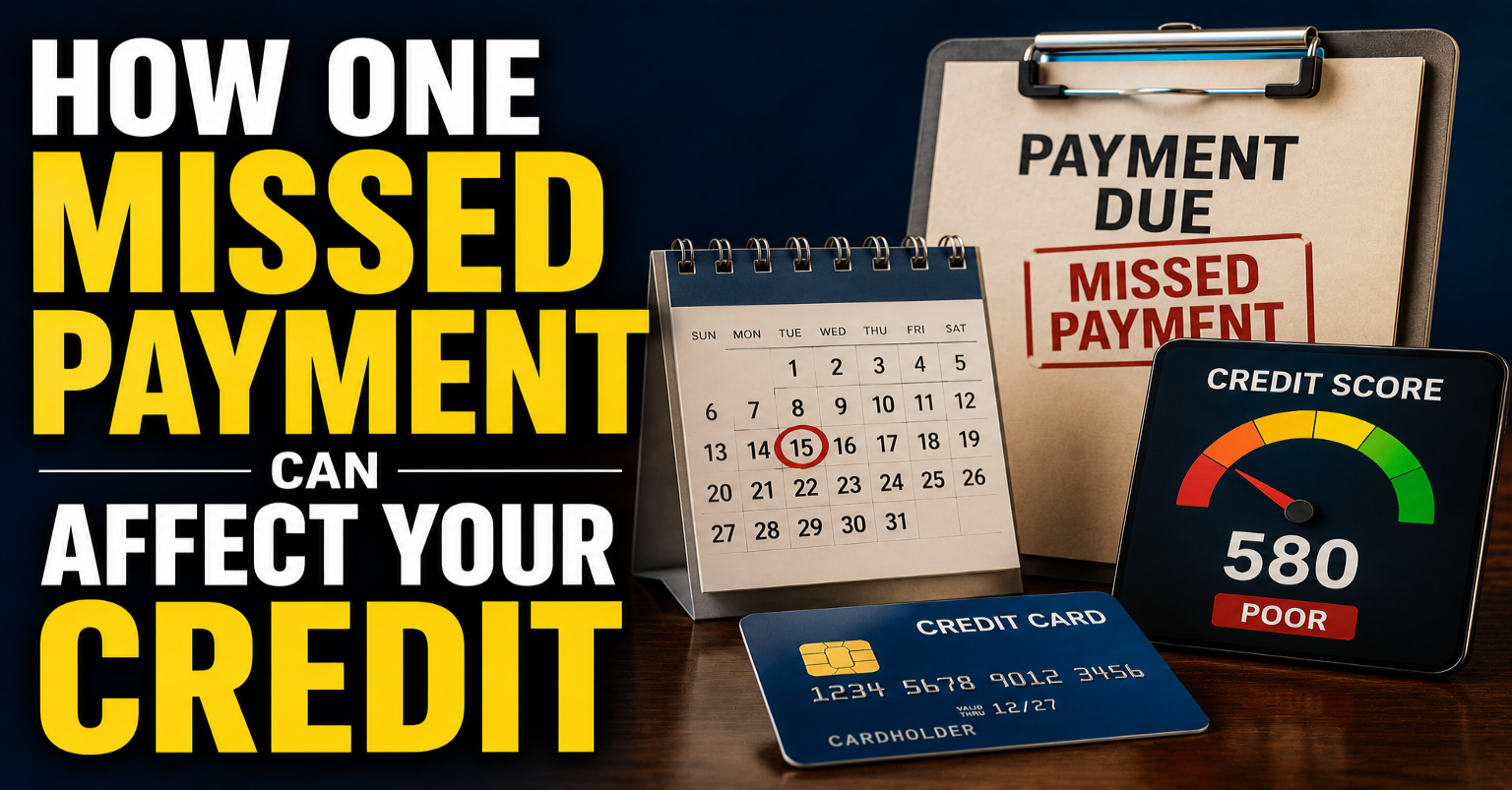
Introduction
Paying your bills on time is one of the most important habits for maintaining good credit.
However, life gets busy.
Sometimes a payment slips through the cracks.
Many people assume one missed payment will not matter.
Unfortunately, even a single late payment can affect your financial life.
Depending on the situation, it may influence your credit score, future loan applications, and borrowing costs.
The good news is that you can reduce the impact by acting quickly and building stronger payment habits.
In this guide, you’ll learn how one missed payment can affect your credit and what you can do to protect your financial future.
Why Payment History Matters
Payment history is one of the most important factors used in many credit scoring models.
Lenders want to know whether you consistently pay your bills as agreed.
A strong payment history may help you:
- Qualify for loans.
- Receive better interest rates.
- Improve your credit profile.
- Increase financial flexibility.
- Build lender confidence.
Missing payments can interrupt that positive history.
1. Your Credit Score May Drop
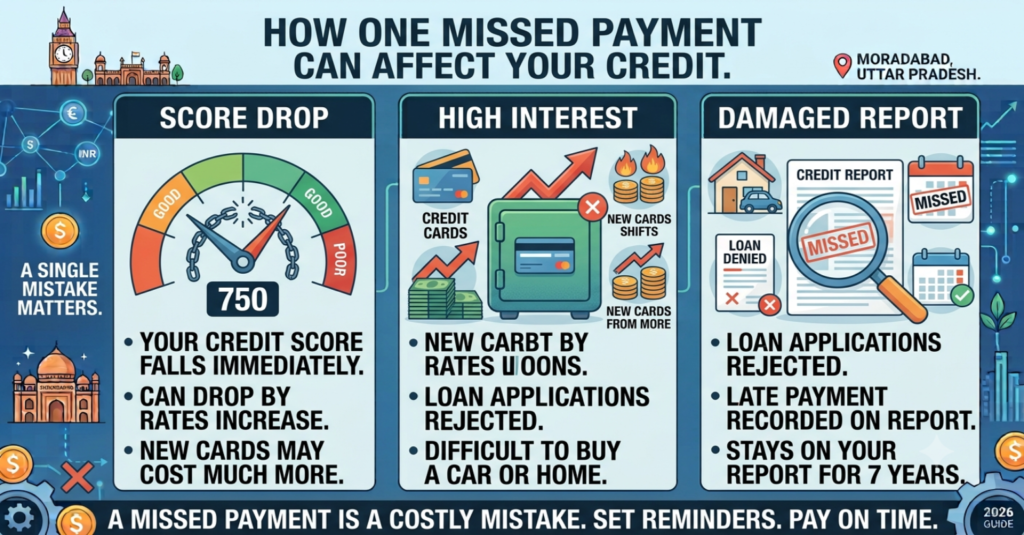
A missed payment can negatively affect your credit score if it is reported to the credit bureaus.
The impact varies depending on several factors, including:
- Your current credit profile.
- How late the payment becomes.
- Your previous payment history.
- The type of account involved.
People with excellent credit may notice a larger score change because they have fewer negative items on their credit reports.
2. Late Fees Can Increase Your Costs
Missing a payment may trigger late fees.
Some lenders may also apply penalty interest rates if payments continue to be late.
As a result, one missed payment can become much more expensive than expected.
Paying on time helps you avoid unnecessary costs while keeping your finances under control.
3. Future Borrowing May Become More Difficult
Lenders often review your credit history before approving applications.
A recent missed payment may affect your ability to qualify for:
- Personal loans.
- Auto loans.
- Mortgages.
- Credit cards.
- Business financing.
Although one missed payment does not automatically prevent approval, maintaining a strong payment history improves your chances.
4. Higher Interest Rates May Follow
Even if you qualify for financing, lenders may offer less favorable terms when they see recent payment problems.
Higher interest rates can increase the total cost of borrowing over time.
Consistently paying bills on schedule helps strengthen your financial profile.
5. Multiple Missed Payments Create Bigger Problems
One missed payment is concerning.
However, repeated late payments can have a much greater impact.
Multiple missed payments may:
- Lower your credit score further.
- Increase borrowing costs.
- Make lenders more cautious.
- Extend the time needed to rebuild your credit.
Building consistent payment habits helps prevent long-term financial challenges.
6. Your Financial Stress Can Increase
Late payments affect more than your credit.
They can also create unnecessary financial pressure.
You may worry about:
- Growing balances.
- Additional fees.
- Collection activity.
- Future loan applications.
Creating a simple payment system can reduce stress while improving your financial confidence.
Responsible credit card use goes beyond earning rewards. Read our Credit Card Rewards Mistakes Most People Make guide to learn how smart payment habits can help you maximize benefits while protecting your credit.
Small Habits Protect Your Credit
Strong credit is built through consistent financial habits.
Paying bills on time, monitoring your accounts, and staying organized can help you avoid many common credit problems before they begin.
7. Your Credit Report May Show a Late Payment
Not every late payment appears on your credit report immediately.
However, if a payment becomes significantly overdue and is reported, it may remain on your credit report for years.
A reported late payment can influence how future lenders evaluate your credit history.
For that reason, it is important to address missed payments as quickly as possible.
8. Automatic Payments Can Help Prevent Missed Due Dates
One of the easiest ways to avoid late payments is to automate them.
Many banks and credit card issuers allow you to schedule recurring payments.
Automatic payments can help you:
- Pay bills on time.
- Reduce the chance of forgetting a due date.
- Protect your credit history.
- Lower financial stress.
Even if you use automatic payments, review your statements regularly to confirm everything is processed correctly.
9. Contact Your Lender if You Have Trouble Paying
Financial difficulties can happen to anyone.
If you believe you may miss a payment, contact your lender as early as possible.
Some lenders may offer options such as:
- Payment arrangements.
- Due-date changes.
- Temporary hardship assistance.
Communicating early is often better than ignoring the problem.
10. Rebuilding Your Credit Takes Time
A missed payment does not define your financial future.
The most important step is returning to consistent, on-time payments.
You can also strengthen your credit by:
- Paying every bill before the due date.
- Keeping credit card balances low.
- Reviewing your credit reports regularly.
- Avoiding unnecessary debt.
- Using credit responsibly.
Positive financial habits gradually help rebuild your credit profile.
How to Avoid Missing Payments
Simple routines can help you stay on track.
Consider these strategies:
- Set calendar reminders.
- Enable automatic payments.
- Keep a monthly budget.
- Review account statements every month.
- Maintain an emergency fund.
- Pay more than the minimum when possible.
Building these habits makes late payments far less likely.
The Consumer Financial Protection Bureau (CFPB) offers reliable information about credit reports, payment history, credit scores, and consumer rights. Reviewing these resources can help you better understand how payment habits influence your overall credit health.
Frequently Asked Questions
Will one missed payment ruin my credit?
Not necessarily.
The impact depends on factors such as how late the payment becomes, your previous payment history, and whether it is reported to the credit bureaus.
Taking action quickly can reduce long-term effects.
Should I pay a missed payment immediately?
Yes.
Paying as soon as possible may help reduce additional fees and prevent further negative consequences.
If you cannot pay in full, contact your lender to discuss available options.
How can I avoid missing future payments?
Automatic payments, calendar reminders, and regular budget reviews are among the most effective ways to stay on schedule.
Can I rebuild my credit after a missed payment?
Yes.
Consistently making on-time payments and practicing responsible credit management can strengthen your credit profile over time.
Final Thoughts
One missed payment may seem small.
However, it can affect your credit score, borrowing opportunities, and financial confidence.
Fortunately, good habits make a difference.
Pay your bills on time.
Monitor your accounts regularly.
Communicate with lenders if problems arise.
Most importantly, stay consistent.
Responsible payment habits remain one of the strongest ways to protect your long-term financial health.